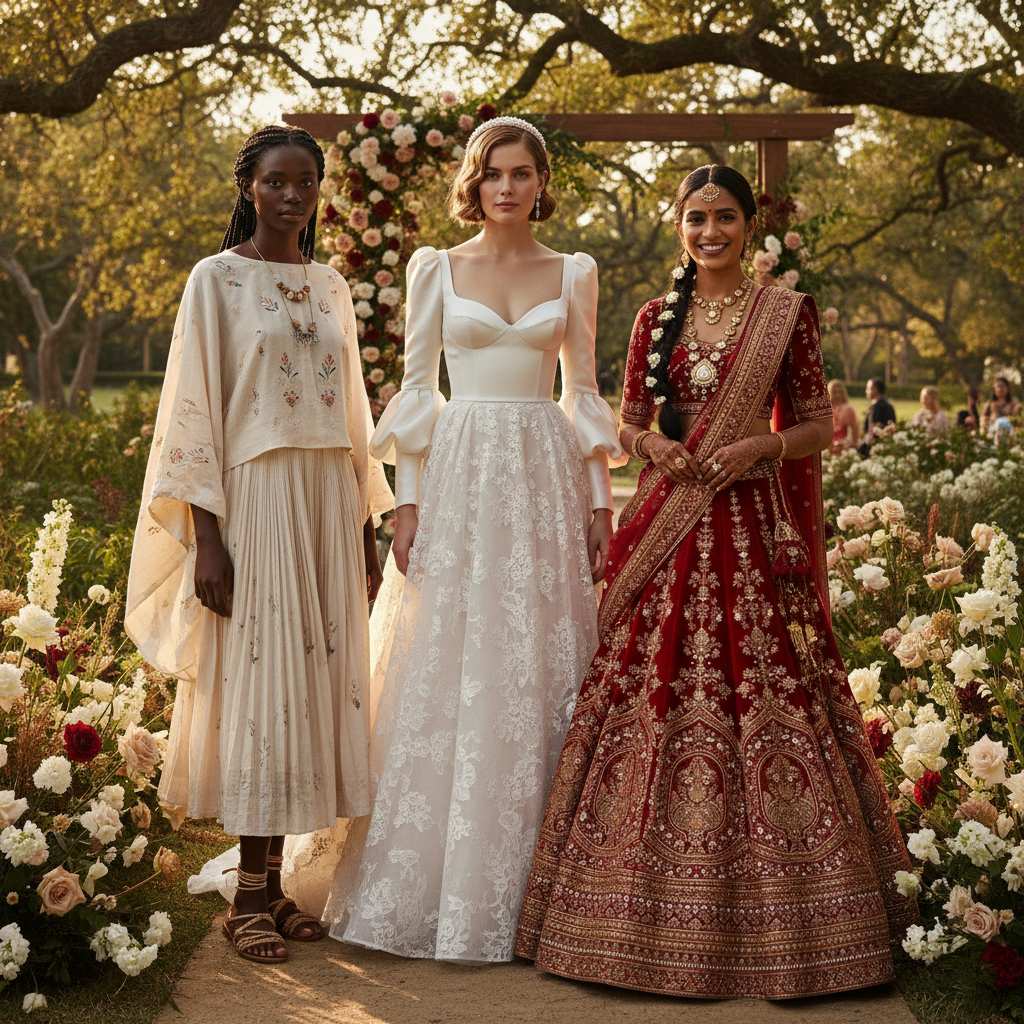
Highlights
- Discover how women's wedding outfits blend tradition with modern innovation for 2024.
- Explore the cultural significance of bridal fashion and its role in personal identity.
Summary
Understanding Women’s Wedding Outfit Trends: A Complete Guide explores the significant role that women’s wedding outfits play as expressions of identity and culture. This guide reveals how these attires encompass historical origins, cultural variations, and modern design influences shaping bridal fashion in 2024 and beyond. Engagement with bridal attire goes beyond aesthetics, intertwining elements of tradition, personal expression, and current trends like sustainability and versatility.
Historical Background
The evolution of women’s wedding outfits is a tale rooted in history, from medieval Europe, where attire indicated social status, to ancient Greece and Rome, where garments held deep symbolic meanings. The depiction of bridal attire in literature reflects its cultural significance, as garments symbolize blessings and social expectations during weddings. Historical trends transitioned from lavish Renaissance dresses to post-World War II silhouettes, establishing how cultural shifts influence bridal fashion over time.
Types of Women’s Wedding Outfits
Women’s wedding outfits showcase a myriad of styles, rooted in cultural significance and personal expression. Traditional attire varies greatly, from the Korean hanbok to the Indian lehenga and the Middle Eastern opulent dresses that reflect deep historical traditions and symbolize identity. Modern adaptations continue evolving, encompassing styles influenced by historical periods while balancing luxurious fabrics and minimalist designs.
Traditional Cultural Attire
Many cultures incorporate distinctive symbols into bridal attire, such as the Korean hanbok characterized by vibrant silk and rich embroidery, symbolizing prosperity. In Indian weddings, the lehenga adorned with intricate designs showcases love and commitment, while in Japan, the white kimono epitomizes purity in Shinto ceremonies, underlining the wide-ranging significance of cultural attire.
Historical Styles
Medieval and Renaissance wedding garments underscore the connection between clothing and social status, where elaborate designs served to reflect a bride’s family standing. The resurgence of such styles today evokes a romantic aesthetic, merging historical elements with modern fashion trends.
Contemporary Trends and Western Styles
Contemporary bridal fashion displays versatility, featuring a blend of traditional silhouettes and modern designs. In 2024, notable trends include drop-waist gowns and sleek minimalist styles alongside romantic designs rich in lace and embellishments, merging classic inspirations with modern sensibilities.
Key Elements of Wedding Outfits
The richness of wedding outfits encompasses crucial components including traditional accessories, dress silhouettes, fabrics, and color symbolism, which collectively create a bride’s unique look. Understanding these elements enhances appreciation for the significance behind every detail in bridal fashion.
Traditional Accessories and Cultural Significance
Wedding accessories, like Nigeria’s gele and Vietnam’s khăn đóng, enrich bridal attire with cultural identity and heritage. These elements serve as more than mere decorations—they embody familial connections and traditions, often cherished as heirlooms passed through generations.
Silhouettes and Dress Styles
The silhouette is integral to a wedding dress’s identity, with contemporary trends highlighting the basque waist for its flattering fit and fairy-tale aesthetic. This trend interlinks historical influences with modern preferences, allowing for various skirt styles that cater to changing fashions.
Fabrics and Embellishments
Bridal gowns typically utilize luxurious textures and intricate details. Popular fabrics include satin and lace, while embellishments like embroidered sleeves and pearl accents add a touch of sophistication. Over the years, trends have evolved, bringing back long-sleeved designs and alternative options like capes, which reflect a desire for both elegance and individuality.
Color Symbolism and Cultural Meaning
Color choices in bridal attire communicate deep cultural meanings, with white symbolizing purity in the West and vivid colors like red representing good fortune in East Asia. The significance of color extends across cultures, reinforcing identity and reflecting social standing through garment choices.
Sustainability and Modern Consumer Preferences
Emerging trends reflect a growing demand for eco-friendly wedding attire, with brides increasingly favoring gowns made from sustainable materials. This movement aligns with the rising popularity of second-hand markets and rental services, indicating a shift towards environmentally responsible choices while still prioritizing style and elegance.
Current Trends in Women’s Wedding Outfits (2024-2025)
The bridal fashion landscape for 2024 and 2025 embraces vintage revivals and modern innovations addressing diverse preferences. Key trends include long-sleeved dresses characterized by effervescent fabrics, versatile basque waistlines, and a focus on minimalist yet fluid designs. The incorporation of sustainable materials is central, reflecting environmental awareness, while distinctive features like sculptural bows and convertible silhouettes demonstrate an exciting interplay of tradition and modernity.
Choosing the Perfect Wedding Outfit
Finding the perfect wedding outfit involves balancing personal style with cultural and budget considerations, ensuring the gown resonates with the bride’s identity. This process encourages exploring both traditional and modern styles, as well as innovative designs that fuse elegance with individuality. Accessories further enhance personalization, reflecting contemporary bridal aesthetics while honoring heritage.
Rituals and Ceremonies Associated with Wedding Outfits
A multitude of rituals and customs connected to wedding attires across cultures highlights the intrinsic value of these garments. Each unique ceremony reflects societal values, with attire playing a crucial role in expressing cultural heritage during significant life events.
Asian Wedding Traditions
In Korea, the hanbok reflects cultural identity, while ceremonies like the Shinto wedding in Japan emphasize purity through traditional attire. Indian weddings showcase a rich tapestry of regional diversity and meaningful rituals that enhance the significance of bridal garments.
African and Southeast Asian Customs
In Nigeria, vibrant traditional dress during weddings exemplifies cultural heritage, while Vietnamese headgear highlights the importance of accessory symbolism in bridal outfits. Each piece is deeply embedded in cultural narratives, reinforcing identity and tradition.
European Wedding Rituals
European customs, particularly from the medieval and Renaissance eras, connect wedding attire to unity and familial alliances, illustrating how historical practices have shaped modern bridal experiences. These customs, encapsulating romanticism and societal values, continue to influence contemporary bridal fashion.
Symbolic Ceremonies
Numerous cultures include symbolic rituals that enhance the significance of wedding attire, such as the sake-sharing ceremony in Japan or the money dance in Mexico. Such practices enrich the cultural landscape of weddings, making attire a vessel for values and promises held dear in each community.
Impact of Media and Celebrities
The influence of media and celebrity culture significantly shapes trends in women’s wedding outfits, guiding consumer preferences and styles in bridal fashion. Widespread access to curated content allows designers to respond quickly to emerging trends fueled by high-profile weddings, while the increasing call for sustainability adds depth to this dynamic. When celebrities embrace unique styles, they encourage brides to explore personalized and innovative options beyond conventional designs.
Wedding Outfit Care and Preservation
Proper care and preservation of wedding outfits emphasize their cultural and sentimental importance, often transforming these garments into cherished heirlooms. Contemporary practices increasingly highlight sustainability, with rental services and e-commerce facilitating innovative approaches to maintaining wedding attire’s integrity while adapting to modern consumer demands.
The content is provided by Harper Eastwood, Direct Bulletins