Highlights
- Embrace ongoing training in technology to thrive in evolving warehouse roles.
- Automation is transforming jobs, facilitating collaboration between humans and machines.
Summary
Warehouse picking and packing jobs are essential components of modern supply chain and logistics operations, involving the retrieval, verification, packaging, and preparation of goods for shipment. These roles, typically performed by pickers and packers, require a blend of physical endurance, operational knowledge, and technical skills to ensure accuracy, efficiency, and safety in fast-paced warehouse environments. As global commerce and e-commerce continue to expand, the demand for skilled warehouse personnel who can adapt to evolving technologies and complex workflows has grown substantially.
The nature of picking and packing work is undergoing significant transformation driven by automation, robotics, and artificial intelligence (AI). Emerging technologies such as collaborative robots (cobots), automated guided vehicles (AGVs), and AI-powered sorting systems are reshaping daily tasks, reducing physical strain, and enhancing productivity. This technological integration demands that workers develop new competencies, including digital literacy, equipment troubleshooting, and management of automated systems, alongside traditional operational and physical skills. Consequently, ongoing workforce training and upskilling initiatives have become critical for employee retention and career advancement in this sector.
Despite the efficiency gains brought by automation, warehouse pickers and packers face notable challenges, including physical strain from repetitive tasks and mental stress related to productivity pressures and technological adaptation. Ergonomic risks, workplace safety, and maintaining mental health remain significant concerns that require targeted interventions and best practices. Moreover, while automation raises fears about job displacement, industry analyses indicate a shift in job roles rather than large-scale unemployment, emphasizing collaboration between humans and machines to achieve operational goals.
Looking ahead to 2025 and beyond, success in warehouse picking and packing will depend on a balanced combination of physical capability, technical expertise, and soft skills such as communication and adaptability. The continued evolution of smart warehouses, teleoperations, and sustainability-focused innovations underscores the importance of a workforce that can effectively navigate the interplay between advanced technology and human-centered processes. This evolving landscape positions picking and packing jobs as dynamic, technology-enhanced roles integral to the future of global supply chains.
Overview of Warehouse Picking and Packing Jobs
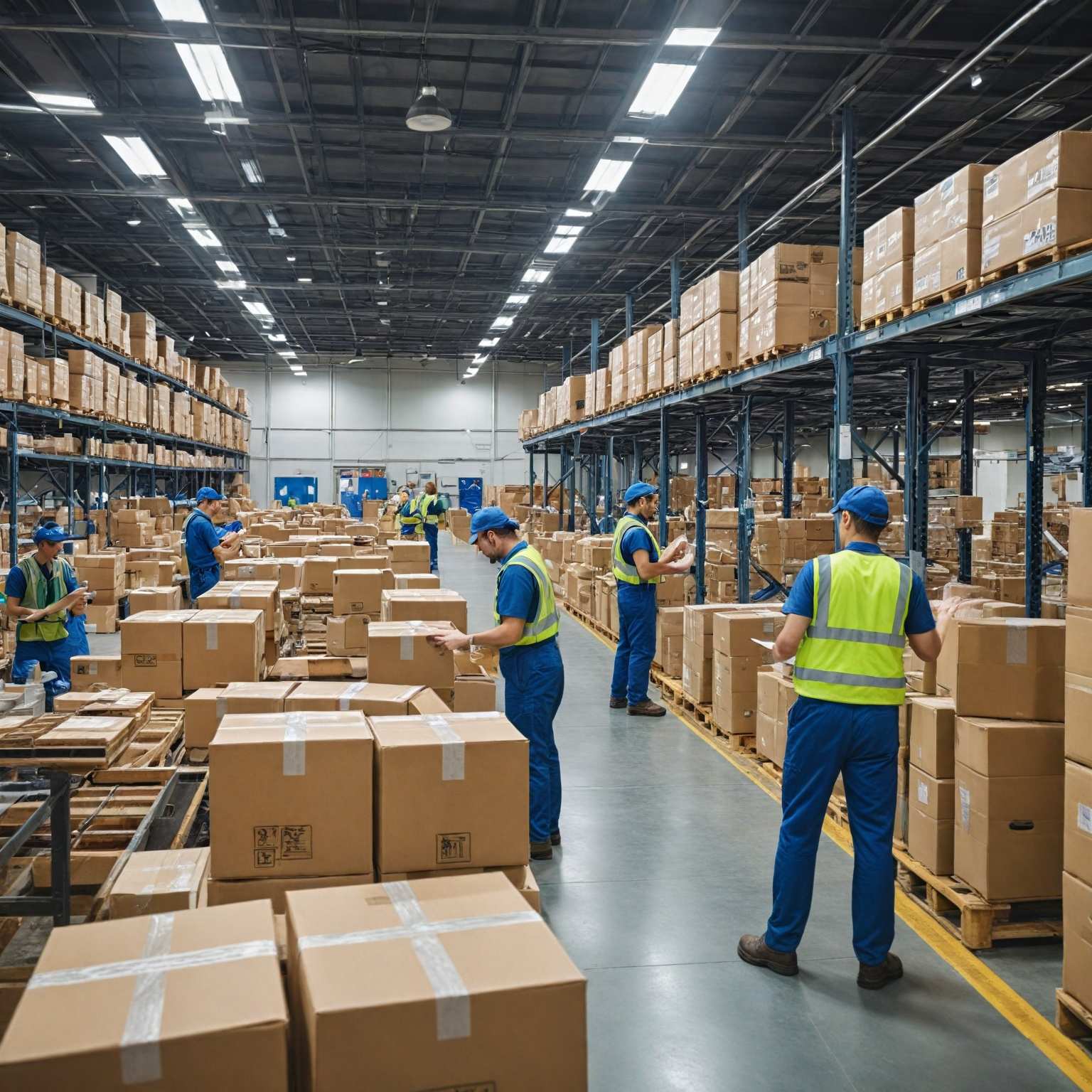
Warehouse picking and packing jobs involve the preparation of packages for shipment by retrieving items from inventory, verifying their condition, securely wrapping, and packing them according to the shipment requirements. Workers in these roles, often referred to as pickers or packers, must also update inventory records to reflect items removed and accurately weigh packages prior to dispatch. These tasks require considerable physical strength and stamina due to the frequent handling of heavy boxes and materials. The role demands not only physical capabilities but also key operational skills, such as understanding inventory control principles, shipping and receiving processes, and quality control standards. Effective communication and teamwork are essential in warehouse environments, enabling workers to follow instructions precisely, coordinate with colleagues, and adapt to changing plans, all of which contribute to improved productivity and potential career advancement. Basic mechanical aptitude, including troubleshooting and familiarity with machinery, further enhances job performance and employability.
As the warehousing sector evolves in response to increasing commerce and supply chain complexities, the importance of skilled picking and packing personnel has grown significantly. The ongoing labor shortages and rising fulfillment demands pose challenges that require both human adaptability and the integration of automated systems. Collaborating with technologies such as collaborative robots (cobots) and workflow software helps reduce physical strain and improve efficiency, allowing workers to focus on more strategic and complex tasks. A comprehensive understanding of warehouse processes—including receiving, storing, picking, packing, and shipping—is vital for managing operations effectively and ensuring smooth supply chain workflows. With the supply chain industry rapidly advancing, developing the necessary skills and knowledge in picking and packing roles is critical for success in 2025 and beyond.
Evolution of Skills in Warehouse Picking and Packing
The skill set required for warehouse picking and packing has evolved significantly due to technological advancements and shifts in consumer demand, particularly driven by the rapid growth of e-commerce. Traditional abilities such as accurate order picking, physical endurance, attention to detail, and knowledge of health and safety regulations remain foundational. However, new competencies are increasingly essential for success in this dynamic environment.
The rise of e-commerce has accelerated the order fulfillment process, increasing labor demands and heightening the need for efficiency in fast-paced warehouse settings. Workers must now excel not only in organizational skills and time management but also in adapting quickly to technological innovations like automated sorting systems and voice-directed picking. Voice picking technology, for instance, reduces training time and improves accuracy, especially in noisy or large warehouses, making it an invaluable tool for 2025 and beyond.
Moreover, as warehouses adopt advanced machinery and AI-driven automation, workers are required to gain technical training in automation, AI, and smart systems to operate and maintain these technologies effectively. Hands-on experience in managing automated systems, problem-solving, and teamwork are becoming increasingly critical. This blending of human skills with smart technology enables employees to improve processes and move into roles that machines cannot perform. Additionally, the growing use of robotic systems in warehouses demands tailored training programs that match individual skill levels, providing different learning paths for customers and integrators alike. Maintaining proper ergonomics and taking regular breaks are also emphasized to prevent injury amid repetitive motions and productivity pressures.
As competition for skilled labor intensifies, especially in expanding regions like Southern Ontario, warehouses are enhancing employee benefits and investing in training to attract and retain talent in line with evolving employee expectations. Overall, the evolution of skills in warehouse picking and packing reflects a shift toward greater technological proficiency combined with traditional operational excellence, positioning workers for success in the industry’s future landscape.
Key Skills Required for Success in 2025
Success in warehouse picking and packing roles in 2025 demands a combination of technical proficiencies, physical capabilities, and essential soft skills tailored to meet evolving industry needs. As automation and digital systems become more integrated into warehouse operations, workers must adapt by developing competencies that enhance efficiency, accuracy, and safety.
Technical and Operational Skills
Proficiency in operating warehouse equipment such as handheld scanners, forklifts, and pallet jacks remains fundamental. Familiarity with Warehouse Management Systems (WMS) is increasingly important, as these digital tools optimize picking routes, inventory tracking, and packing workflows. Workers who can navigate these systems contribute to reduced errors and improved throughput. Additionally, understanding safety protocols and OSHA regulations specific to warehouse environments is critical to maintaining a secure workplace and complying with legal standards.
Automation technologies, including automated guided vehicles (AGVs), conveyor belts, and robotic packing systems, are becoming integral to warehouse processes. While automation enhances speed and precision, workers must possess basic mechanical skills to troubleshoot and maintain equipment, ensuring smooth operation and minimal downtime. Adaptability to new technologies and continuous learning are thus valuable traits in this changing landscape.
Physical and Cognitive Skills
Picking and packing roles require excellent physical stamina due to repetitive tasks, standing for long periods, and lifting. Attention to detail and accuracy are vital to ensure correct order fulfillment, minimize shipping errors, and uphold quality control standards. Workers must efficiently manage time and maintain organization in fast-paced environments to meet productivity targets and deadlines.
Problem-solving abilities and quick decision-making are necessary to address common challenges such as inventory discrepancies, damaged goods, and urgent orders. These cognitive skills enable workers to respond effectively to unexpected issues and maintain smooth warehouse operations.
Soft Skills and Collaboration
Effective communication and teamwork are essential in warehouse settings, facilitating coordination among pickers, packers, transportation personnel, and customer service teams. Clear communication helps in following instructions accurately, adapting to changes, and reporting safety concerns promptly. Collaborative skills support a cohesive work environment, improving overall operational efficiency and worker satisfaction.
Workers who demonstrate reliability, adaptability, and a customer-centric mindset are more likely to succeed and advance in their careers. Developing these soft skills, alongside technical capabilities, equips warehouse personnel to thrive amid increasing complexity and demand.
Emerging Technologies Transforming Picking and Packing Jobs
The landscape of picking and packing jobs is rapidly evolving due to the integration of advanced technologies that are reshaping warehouse operations. Automation, robotics, and artificial intelligence (AI) are at the forefront of this transformation, enhancing efficiency, accuracy, and scalability in distribution centers and warehouses worldwide.
Automation now extends beyond simple mechanization to sophisticated systems that adapt to increasing demand and improve order accuracy. Automated sortation systems utilize barcode scanners, radio frequency identification (RFID), and sensors to identify and redirect goods efficiently throughout the warehouse, streamlining receiving, picking, and packing processes. Physical automation tools, such as automated guided vehicles (AGVs), conveyor belts, and robotic arms, speed up the movement, sorting, and packaging of goods while reducing human error.
AI-powered robotics are revolutionizing warehouse workflows by reprioritizing picking tasks, rerouting autonomously, and signaling restock needs in real-time. These intelligent systems dynamically reorganize dispatch zones to meet fluctuating shipping schedules and can recognize diverse shapes, weights, and textures of products, thereby minimizing pick errors and damage. Autonomous mobile robots (AMRs) equipped with AI-driven vision systems perform continuous cycle counts and inventory verification without interrupting operations, flagging anomalies and misplacements instantaneously.
The integration of collaborative robots, or cobots, further exemplifies the synergy between human workers and machines. Cobots assist with repetitive and simple tasks such as packing and sorting, allowing human employees to focus on overseeing automated systems, troubleshooting, and process improvement. This collaboration not only mitigates fears of job loss but also emphasizes the need for workers to develop new technological skills to effectively operate and maintain these systems.
In addition to robotics and AI, RFID technology plays a critical role in providing real-time inventory tracking and data analytics. This capability enhances the overall visibility of merchandise, helps identify areas for operational improvement, and supports the synchronization of robotics, AI, and automation technologies to maximize warehouse performance.
Moreover, the rise of small-scale, automated fulfillment centers near urban areas leverages a combination of AGVs, automated storage and retrieval systems (AS/RS), and robotic picking to enable rapid order processing and same-day delivery services. These advancements align with industry trends toward sustainability, as right-sized packaging solutions and efficient automation reduce waste and environmental impact without compromising operational efficiency.
As warehouse technology continues to advance toward 2025 and beyond, the successful picker and packer will be one who can adapt to these emerging tools and systems, combining traditional skills with proficiency in robotics programming, maintenance, and the management of AI-driven workflows. This evolving skill set is essential for meeting the demands of smarter, more autonomous warehouse environments that prioritize speed, accuracy, and sustainability.
Impact of Emerging Technologies on Daily Tasks and Skill Requirements
Emerging technologies are transforming daily tasks within warehouse picking and packing jobs, significantly altering the skill requirements for workers by 2025. Automation, artificial intelligence (AI), and robotics are increasingly integrated into warehouse operations, enabling machines to perform tasks requiring speed and precision, while human workers focus on problem-solving, creativity, and adaptability. This human-machine collaboration enhances overall efficiency, with tools such as collaborative robots (cobots) and workflow software reducing physical strain and simplifying complex processes.
As automation evolves, the nature of warehouse jobs is shifting from manual labor to roles demanding higher cognitive skills. Workers are transitioning from simple repetitive tasks to positions involving technical oversight, process improvement, and teamwork. To succeed in this environment, employees require targeted training in automation technologies, AI systems, and hands-on management of automated equipment. In addition to technical expertise, developing business acumen and the ability to align robotic technology with organizational goals is increasingly essential, particularly for senior roles that involve system architecture and leadership in research and development.
The implementation of automation also demands attention to workforce wellbeing. Ergonomic risks associated with traditional manual tasks, such as heavy lifting and repetitive motions, are mitigated through automation; however, workers must be educated on managing workplace stress, fatigue, and related health impacts to maintain productivity and safety. Fatigue Risk Management Plans and stress reduction strategies, including proper diet and exercise, are recommended to support worker health.
Furthermore, sustainability considerations are becoming integral to warehouse automation strategies. Technologies aimed at reducing the environmental footprint—such as energy-efficient robots and AI-optimized packing systems—are prioritized to minimize waste and material use. For example, systems like UPS’s Packsize enable right-sizing of packaging for each order, thereby reducing packaging waste while maintaining operational efficiency.
Workforce Development and Training Initiatives
Workforce development and training initiatives play a crucial role in preparing employees for the evolving demands of warehouse picking and packing jobs, particularly as automation and robotics become increasingly integrated into warehouse operations. To meet the rising need for skilled workers, various programs and training courses have been developed to equip individuals with both technical and soft skills necessary for success in this field.
Industry collaborations have led to the creation of specialized training programs, such as the Robotics & Automation Technician program, which provides hands-on experience with industrial robots, programming, maintenance, and safety protocols. These programs are typically led by experienced instructors who guide students through practical lab projects and real-world applications, ensuring graduates possess the confidence and skills sought by employers in sectors like aerospace, manufacturing, renewable energy, and logistics. Training pathways are often tailored to accommodate students of different skill levels, from beginners to advanced users, enhancing accessibility and effectiveness.
In addition to formal coursework, online platforms offer certifications in robotics programming, mechatronics, CAD, and PLC systems, which complement hands-on experience gained through maker labs, robotics clubs, or DIY projects. Some companies also provide apprenticeships that combine on-the-job training with technical education, making entry-level robotics technician roles accessible even to high school graduates who demonstrate the right technical aptitude and willingness to learn.
Soft skills development is also emphasized in workforce training, with programs encouraging communication, teamwork, adaptability, and a customer-centric approach—qualities essential in collaborative warehouse environments. Furthermore, understanding industry-specific knowledge such as inventory control, shipping and receiving processes, quality control standards, and safety regulations contributes significantly to employee readiness and retention.
Employment agencies, like Future Force in Orlando, Florida, play an important role by connecting skilled workers with employers, thereby facilitating access to better-paying warehouse and industrial jobs. As warehouses increasingly adopt newer machinery and technologies, ongoing upskilling initiatives help workers remain competitive in the job market while addressing the growing competition for talent in regions like Southern Ontario.
Challenges Faced by Warehouse Pickers and Packers
Warehouse pickers and packers face a variety of physical and mental challenges in their roles, which demand endurance, precision, and adaptability. One primary challenge is the physical strain associated with prolonged standing, repetitive motions, and lifting heavy items—often between 10 to 50 pounds or more—on a regular basis. Tasks such as bending, twisting, squatting, pushing, and pulling create ergonomic risks that can lead to musculoskeletal injuries if not properly managed. To mitigate these risks, workers must maintain proper ergonomics and take regular breaks, while employers are encouraged to provide training and implement fatigue risk management plans.
In addition to physical demands, pickers and packers operate in fast-paced environments where meeting tight productivity targets is crucial. This pressure requires strong organizational skills, attention to detail, and the ability to work efficiently under stress. Challenges also include handling inventory discrepancies, damaged goods, and rush orders, which necessitate quick decision-making and problem-solving capabilities to maintain smooth operations. Maintaining mental health is equally important, as warehouse workers often experience elevated stress levels due to fluctuating workloads, seasonal pressures, and external factors such as the COVID-19 pandemic.
Moreover, the integration of technology and automation in warehouses introduces both opportunities and challenges. While automation helps reduce some physical workload, pickers and packers must adapt to new systems like handheld scanners and computerized forms, requiring continuous learning and technical proficiency. Ensuring safety in an environment with moving vehicles, forklifts, and automated equipment also demands vigilance and proper training to prevent accidents and injuries. Overall, the combination of physical exertion, mental stress, and evolving technological demands shapes the complex challenges faced by warehouse pickers and packers today.
The content is provided by Blake Sterling, Direct Bulletins