Highlights
- Advanced treatment options for under-eye bags in 2025 include DNA-personalized skincare and innovative lasers.
- Understanding lifestyle impacts can enhance the effectiveness of under-eye bag treatments and solutions.
Summary and Causes of Under-Eye Bags
Under-eye bags are common puffiness beneath the eyes caused mainly by aging-related weakening of connective tissues and fat pad herniation, influenced by genetics, lifestyle, allergies, and medical conditions. The thin skin under the eyes loses collagen and elastin with age, worsening their appearance. Aging weakens the orbital septum, allowing fat to protrude, while genetics affect skin elasticity and fat distribution. Lifestyle factors like poor sleep, high salt intake, smoking, and sun exposure exacerbate puffiness. Allergies and conditions such as thyroid disorders also contribute, requiring proper diagnosis.
Anatomy and Epidemiology
The under-eye area has thin skin covering fat pads divided into medial, central, and lateral lobules, supported by the orbital septum. With age, this septum weakens, causing fat to bulge and form bags. Muscles and ligaments maintain eyelid structure, while the loss of collagen and elastin leads to sagging. Under-eye bags affect all ages, sexes, and ethnicities, becoming more prominent with age due to tissue laxity and genetic factors influencing fat and skin characteristics.
Diagnosis and Assessment
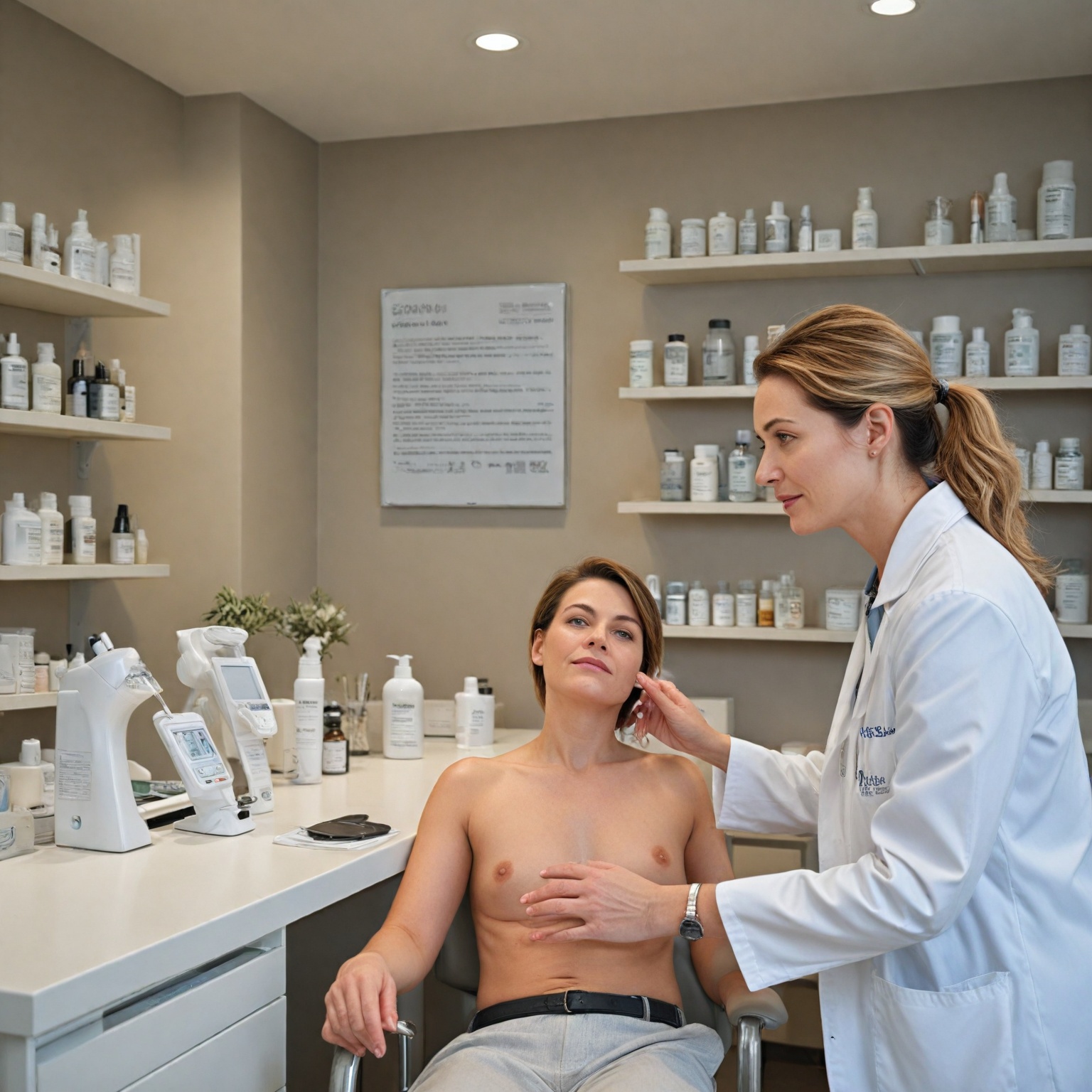
Assessment involves clinical examination of skin, fat pads, muscles, and connective tissue, alongside patient history. Imaging and photography may track progress. Persistent swelling may indicate underlying health issues, necessitating medical evaluation. Consultation with qualified aesthetic professionals ensures appropriate treatment selection and realistic expectations.
Treatment Options
Treatments range from non-surgical to surgical. Lower eyelid blepharoplasty surgically repositions or removes fat and tightens skin for lasting results, suitable for severe cases but requiring recovery time. Non-surgical options include topical creams (retinol, hyaluronic acid), home remedies (cold compresses, tea bags), injectable fillers to smooth contours, and laser or radiofrequency therapies (e.g., AccuTite) to tighten skin and stimulate collagen. Botox can relax wrinkles but does not remove bags. Combining treatments tailored to individual needs optimizes outcomes. Non-surgical methods often require maintenance and may not offer permanent correction.
Advances in Treatment Technologies by 2025
Innovations include DNA-personalized skincare, next-generation dermal fillers, femtosecond lasers, and AI-assisted diagnostics for tailored therapies. Advanced radiofrequency devices like AccuTite provide effective, minimally invasive improvement with short recovery. EMFACE Eye therapy increases collagen and elastin by targeting eyelid muscles in comfortable, quick sessions. Laser treatments address pigmentation and skin firmness. While these advances enhance results and safety, surgical options remain the most definitive for severe cases.
Treatment Selection and Prevention
Selection depends on causes such as fat protrusion, skin laxity, pigmentation, and fluid retention. Non-surgical treatments suit mild to moderate cases, while surgery addresses more pronounced bags. Genetic factors do not yet have targeted gene therapies. Prevention focuses on healthy lifestyle habits—adequate sleep, hydration, low salt intake—and managing allergies. Regular use of sunscreen and topical products with caffeine or peptides helps protect skin. Home remedies and modern laser therapies can delay bag formation and support skin health.
Cultural and Social Perspectives
Under-eye bags are associated with aging, fatigue, and health perceptions, influencing self-confidence and social interactions. Demand for treatments reflects societal beauty standards, blending modern medical advances with traditional home remedies. Satisfaction with newer treatments improves self-image, highlighting the social impact of managing under-eye appearance.
Research and Future Directions
Research focuses on genetic influences on eyelid aging and tissue regeneration. Emerging therapies include recombinant platelet-derived growth factor (PDGF) to promote healing and collagen production. Advances in biotechnology and personalized medicine promise more targeted, effective interventions. Ongoing procedural improvements and adherence to care standards enhance treatment safety and outcomes. Continued consultation with certified surgeons remains essential as the field evolves.
The content is provided by Harper Eastwood, Direct Bulletins