Highlights
- Two-bedroom homes for seniors enhance comfort and promote independence while ensuring safety.
- Smart technologies and community spaces enrich the living experience, fostering social engagement and wellness.
Summary
Two-bedroom homes for seniors are specialized residential units designed to balance comfort, accessibility, and functionality to meet the evolving needs of aging adults. Typically featuring single-story layouts with open and flexible floor plans, these homes prioritize ease of movement, safety, and independence, allowing seniors to age in place while maintaining privacy and accommodating visitors or caregivers. As the senior population grows, the demand for such thoughtfully designed housing has increased, making two-bedroom homes a notable option within the broader senior living market.
These homes often incorporate accessibility features such as wide doorways, step-free entrances, and safety modifications like grab bars and walk-in showers to reduce fall risks. Additionally, the integration of smart home technologies—including fall detection, emergency response systems, and health monitoring devices—enhances residents’ safety and supports independent living. Beyond physical design, many senior communities emphasize social engagement and emotional well-being by providing shared spaces and wellness amenities that foster community interaction and mental stimulation.
The design of two-bedroom senior homes also reflects a holistic approach that addresses both physical and cognitive challenges commonly faced by older adults. This includes adaptations that aid mobility and memory, as well as environments that promote emotional wellness through natural light, biophilic elements, and creative activity spaces. Such comprehensive design considerations aim to improve quality of life and reduce risks associated with aging while supporting autonomy and dignity.
Despite their benefits, two-bedroom homes for seniors face challenges related to affordability, accessibility retrofitting, and technology adoption. High costs and fragmented support services can limit availability and effectiveness, while privacy concerns and user confidence affect the uptake of advanced technologies. Nonetheless, market trends indicate a growing emphasis on experiential, wellness-focused living environments and increased technological integration, positioning two-bedroom senior homes as a key component of senior housing solutions in 2025 and beyond.
Overview of Two-Bedroom Homes for Seniors
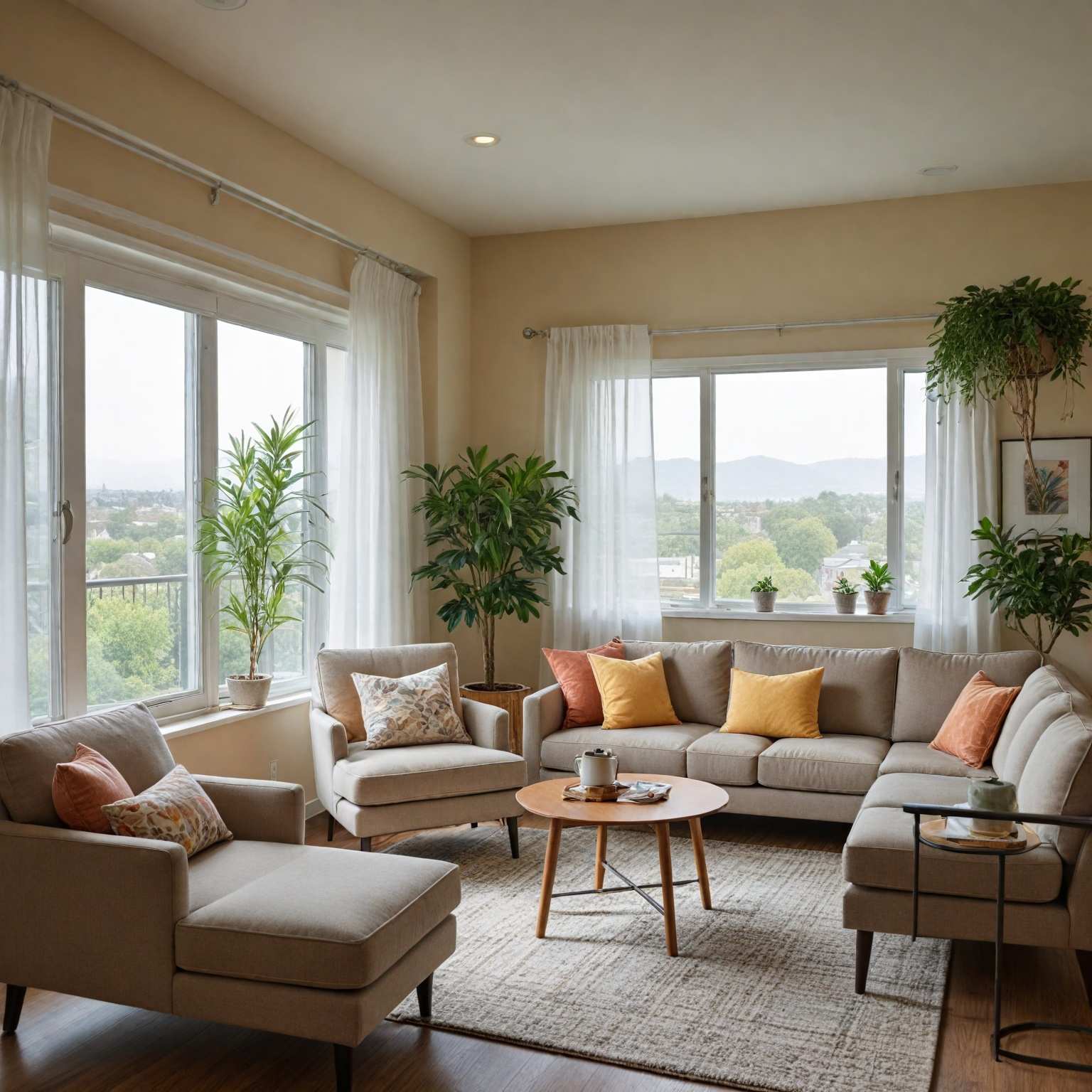
Two-bedroom homes for seniors are increasingly designed to balance comfort, accessibility, and practicality, catering specifically to the needs of aging residents. These homes often feature warm, elegant tones and thoughtfully planned layouts that promote ease of movement and independence. For example, a typical 1,122-square-foot floor plan offers a cozy yet spacious living environment with one or two bathrooms, ensuring both convenience and privacy. Many senior living communities, such as Parkview Village Christian Care Services, emphasize flexible living spaces ranging from studios to larger two-bedroom apartments, allowing residents to choose homes that best suit their lifestyles and preferences. The single-story design of most two-bedroom retirement homes supports aging in place by placing all essential rooms on one level, which enhances safety and mobility for seniors. These homes often incorporate open layouts that increase natural light and accessibility while maintaining private bedrooms for individual use or guests.
Beyond the physical layout, successful senior homes foster social engagement and emotional well-being by including shared spaces and community activities. Areas designated for creative pursuits like gardening or art studios provide therapeutic outlets, while organized social events and interest groups help build strong support networks among residents. This approach transforms housing from a mere living space into a caring community where neighbors form meaningful connections. With the ongoing shift in senior living preferences, the design of two-bedroom homes also considers the evolving needs of older adults, including changes in mobility, sensory perception, and physical strength. Incorporating these considerations ensures that the living environment remains both attractive and functional, supporting seniors’ quality of life as they age in place.
Key Features to Consider
When selecting or designing two-bedroom homes for seniors in 2025, several key features should be prioritized to ensure safety, comfort, accessibility, and independence. These features address the unique physical, cognitive, and lifestyle needs of older adults, allowing them to age in place while maintaining quality of life.
Accessibility and Mobility
Single-level floor plans are highly recommended as they eliminate the need to navigate stairs, which can pose significant risks for seniors with mobility challenges. Wide doorways (at least 32 inches) and hallways (minimum 36 inches) accommodate wheelchairs and reduce injury risks associated with narrow spaces. Step-free entrances or ramps provide smooth transitions from outside to inside, preventing tripping hazards. Additionally, installing mobility aids such as stairlifts, Vertical Platform Lifts (VPLs), or Pneumatic Vacuum Elevators (PVRs) can facilitate safe vertical travel in multi-level homes if needed.
Open and Functional Layouts
Open-plan layouts that integrate the kitchen, dining, and living areas promote easier navigation and reduce obstacles for seniors. Such designs create a welcoming atmosphere and simplify daily tasks. Generous counter space in kitchens supports meal preparation and accessibility. Including spaces like compact home offices or hobby nooks caters to seniors’ interests and promotes mental engagement. Natural light through large windows enhances both the aesthetics and wellbeing of residents.
Safety Features
Smart home technologies play an increasingly vital role in senior home safety. Devices offering fall detection, emergency response systems, automated lighting, leak detection, and remote monitoring create a comprehensive safety net tailored to common senior risks. Voice-activated commands, larger buttons, and simplified interfaces make these technologies user-friendly for seniors with sensory or dexterity limitations. Incorporating such devices helps seniors maintain independence while providing peace of mind to caregivers.
Bathroom Accessibility
Bathrooms should incorporate safety-focused design elements like walk-in showers with step-free access, grab bars, and shower chairs to reduce fall risks. Toilet seat risers offer practical solutions for seniors who require additional support when using the restroom. These modifications address common accessibility concerns that tend to arise gradually and are essential for aging in place.
Comfort and Privacy
Maintaining privacy in bedroom and bathroom spaces remains important. Two-bedroom layouts can provide personal space for both the resident and visiting family members or caregivers. Using warm, elegant tones and modern minimalist designs can foster a relaxing, clutter-free environment conducive to comfort and wellbeing.
Integration of Technology and Health Monitoring
In addition to safety features, smart home technologies can support health monitoring through medication reminders and telehealth services, allowing seniors to access medical advice virtually without leaving home. This integration not only enhances convenience but also helps reduce the need for constant supervision. By combining these accessibility, safety, comfort, and technology features, two-bedroom homes for seniors can effectively meet the evolving needs of older adults in 2025, enabling them to live independently and securely in a supportive environment.
Design Considerations
Designing two-bedroom homes for seniors in 2025 involves a comprehensive approach that prioritizes accessibility, wellness, social engagement, and technology integration to enhance quality of life. These homes must accommodate a range of physical and cognitive abilities while promoting independence, comfort, and safety.
Accessibility and Safety
Ensuring the home environment minimizes risks such as tripping and falling is paramount. Features like zero-step entrances or ramps facilitate smooth transitions between indoor and outdoor spaces, while open floor plans reduce obstacles and improve mobility within the home. Incorporation of adequate lighting, handrails, and non-slip surfaces further enhance safety. Research indicates that accessible home modifications can significantly improve health outcomes and social well-being for older adults. Additionally, smart home technologies such as motion-activated lighting, automated window treatments, and voice-controlled systems help seniors avoid accidents and maintain comfort without physical strain. These innovations also contribute to energy efficiency and environmental control tailored to individual needs.
Wellness-Focused and Holistic Design
The trend toward wellness-focused design in senior living integrates physical, mental, and emotional health considerations. Beyond basic functionality, interiors now emphasize comfort, aesthetics, and innovative solutions that support overall well-being. Incorporating biophilic elements like gardens, courtyards, and natural light connects residents with nature, which has proven benefits for mood and cognitive health. Spaces designed to foster social interaction—such as communal dining venues, display kitchens for cooking classes, and flexible shared kitchens—promote both physical and emotional wellness through community engagement. Moreover, providing areas dedicated to creative pursuits like art studios or gardening offers therapeutic outlets that enhance psychological well-being.
Social Connection and Community Integration
Designs that encourage social activities and nurture meaningful connections within senior communities are essential. Shared amenities and thoughtfully planned communal spaces support a vibrant social life, helping residents build strong support networks and a sense of belonging. Activities such as game nights, holiday celebrations, educational forums, and group hobbies like community gardening foster caring communities where neighbors become like family. Independent living communities offer privacy alongside access to social calendars, wellness resources, and support staff, striking a balance between autonomy and assistance. Personalization of living spaces, including the use of familiar colors and décor, further aids residents in feeling at home and orienting themselves within their environment.
Technology Integration
Smart home technologies play a critical role in supporting seniors’ independence and safety. Connected health monitoring systems provide transparency and safety by tracking vital signs and alerting caregivers when needed. Medication reminders and alerts enhance adherence to treatment plans, while smart lighting and climate controls create comfortable and energy-efficient living environments. Despite existing concerns regarding privacy and user confidence, these technologies have the potential to extend the ability of seniors to age in place comfortably. The trend toward more sophisticated and interconnected smart home features—such as automated shades controlled by voice commands or scheduled programs—will continue to evolve, addressing the unique needs of older adults.
Healthcare-Related Features and Adaptations
Healthcare-related features and adaptations in two-bedroom homes for seniors are increasingly focused on promoting independence, safety, and overall well-being through a combination of physical design modifications, assistive technologies, and supportive services. These elements work together to create environments that cater to the unique needs of aging individuals while fostering comfort and security.
One significant area of adaptation involves home modifications that improve accessibility and reduce hazards. For example, lowering kitchen countertops and rearranging furniture can minimize strain and obstacles, enabling seniors to perform daily tasks comfortably and safely. Step-free entrances, ramps, and open floor plans are commonly incorporated to reduce fall risks and facilitate easier mobility within the home. Bathrooms often feature walk-in showers without tub walls to enhance accessibility and prevent accidents. Additionally, vertical platform lifts and enclosed pneumatic vacuum elevators provide practical solutions for moving between floors in multi-level homes, requiring minimal structural changes.
Beyond physical modifications, technology plays a pivotal role in healthcare-related adaptations. Smart home devices, such as voice-activated systems, smart sensors, and medication reminders, offer enhanced safety and convenience by monitoring health status and supporting daily routines. Wearable health technologies have advanced to provide continuous, real-time monitoring of critical metrics like fall detection and location tracking, enabling timely emergency responses and communication without the need for contracts or complex setups. These devices collectively form a comprehensive safety net addressing common senior concerns, including fall prevention and medication adherence.
Professional home care services complement these adaptations by assisting seniors with daily activities such as meal preparation, medication management, light housekeeping, transportation, and companionship. Caregivers contribute significantly to maintaining seniors’ independence, social connections, and overall health. Furthermore, the integration of telehealth services allows seniors to access medical consultations virtually, reducing the need to leave home and ensuring ongoing healthcare support.
Wellness-focused and trauma-informed design principles are also increasingly influencing healthcare adaptations in senior homes. These approaches emphasize creating environments that promote physical, mental, and emotional health through calming aesthetics, noise reduction, and spaces that foster dignity and comfort. Incorporating areas for social interaction and creative pursuits within communities supports psychological well-being and helps prevent isolation.
Emotional, Social, and Wellness Amenities
Wellness-focused design in senior living communities embraces a holistic approach that supports physical, mental, and emotional health. Emotional and social amenities are integral to creating environments where seniors can thrive, fostering meaningful connections and enhancing overall well-being.
Community spaces often include planned social and recreational activities such as game nights, holiday celebrations, educational forums, and shared interests like community gardens or fitness groups. These activities build strong support networks and a sense of belonging, transforming housing into a true home where neighbors become like family. Designing spaces that encourage these social interactions—such as common areas for coffee chats, movie nights, and hobby groups—helps combat isolation and promotes emotional wellness.
Shared dining venues and communal kitchens are especially important, celebrating meal preparation and dining as shared experiences that support both physical and emotional health. Features like display kitchens for cooking classes and flexible communal dining areas encourage social gathering and community engagement. Many senior communities also include on-site fitness centers and wellness programs that address brain health and longevity, focusing on lifestyle improvements and regular health monitoring in supportive, like-minded environments.
Additionally, incorporating therapeutic outlets such as art studios, gardening areas, pools, and saunas contributes to emotional and psychological well-being by providing creative and relaxing activities for residents. These amenities, combined with lifestyle services like housekeeping, transportation assistance, and chef-prepared meals, create immersive and multi-functional wellness spaces that enhance seniors’ quality of life.
Ultimately, senior living communities designed with these emotional, social, and wellness amenities create caring communities that invite interaction, promote healthy lifestyles, and make healthcare spaces feel welcoming and homelike.
Physical and Cognitive Challenges Addressed in Design
Designing two-bedroom homes for seniors in 2025 requires a thoughtful approach that addresses the physical and cognitive changes associated with aging. Incorporating elements that accommodate a range of abilities promotes not only safety but also independence and emotional well-being for older adults.
Addressing Physical Challenges
Physical limitations often affect seniors’ mobility and daily functioning, making home modifications crucial. Effective solutions include the integration of assistive technologies, such as smart home systems that enhance accessibility and safety, and the design of age-friendly spaces that reduce fall risks and support ease of movement. Studies confirm that home modifications can significantly reduce falls, improve functional independence, and lead to cost savings, with tools like the Falls Efficacy Scale and Housing Enabler used to measure these outcomes. Practical adaptations include secure flooring to prevent trips and safe stairway designs for two-story homes, ensuring safe floor-to-floor travel.
Addressing Cognitive Challenges
Cognitive impairment, ranging from mild cognitive impairment (MCI) to dementia, presents unique design challenges. Homes must incorporate features that support memory and decision-making, such as medication management technologies, emergency response systems, and environmental cues to aid orientation. Additionally, lifestyle interventions promoted within senior living communities—such as social engagement, healthy diets, and intellectual stimulation—are increasingly integrated into design considerations to slow cognitive decline and improve quality of life. Affordable innovations like motion-sensitive stove shutoff devices help prevent accidents, offering peace of mind for both residents and caregivers.
By combining inclusive design principles with emerging technologies and evidence-based home modifications, two-bedroom homes can better meet the physical and cognitive needs of seniors, fostering environments that support independence, safety, and emotional health.
Financial Considerations
The cost of senior housing remains a significant challenge for many older adults, particularly those on fixed incomes or with limited savings. As the expense of care and housing continues to rise, securing affordable options without substantial personal savings has become increasingly difficult. Many seniors finance their housing through a combination of retirement savings, pensions, Social Security benefits, insurance policies, veterans’ benefits, and home equity loans, although Medicare does not cover housing costs.
Affordable senior housing, especially in states like California, plays a critical role by providing options for low-income seniors. With over 750 low-income senior living communities statewide, these options help alleviate financial burdens and offer supportive environments, but navigating eligibility and application processes can be complex and time-consuming. Despite waitlists, affordable housing communities often include high-quality amenities such as pools, fitness centers, and wellness programs, which contribute to both financial stability and improved health outcomes.
The cost of senior living varies widely depending on location, amenities, and apartment size. For example, monthly rates at large providers like Brookdale Senior Living range from approximately $3,395 to $12,560, with rural areas generally offering more affordable options compared to metropolitan regions. When evaluating
Benefits of Two-Bedroom Homes for Seniors
Two-bedroom homes for seniors offer a blend of practicality, comfort, and flexibility that caters specifically to the needs of aging individuals. One of the primary benefits of these homes is their efficient design, often featuring single-story layouts that facilitate ease of movement and accessibility, enabling seniors to age in place safely and independently. The inclusion of two bedrooms provides additional space for a caregiver, visiting family members, or hobbies, enhancing the home’s versatility.
These homes often incorporate contemporary open layouts with bright, spacious living areas that maximize natural light, creating a welcoming and comfortable environment. This design promotes both physical accessibility and mental well-being by fostering an open and airy atmosphere. Furthermore, the smaller footprint of many two-bedroom senior homes reduces maintenance burdens, a critical consideration for older adults seeking manageable living spaces without sacrificing roominess.
Living in two-bedroom homes within senior communities also offers a balance between autonomy and support. Residents enjoy the freedom of private home life while benefiting from community amenities, restaurant-style dining, and vibrant social calendars that encourage engagement and reduce isolation. This lifestyle emphasizes independence while ensuring that wellness resources and staff assistance remain readily available if needed.
Incorporating wellness-focused design elements, these homes and communities prioritize safety, social connection, and mental health. Flexible, multipurpose spaces such as communal lounges and adaptable activity areas support an active lifestyle, social interaction, and wellness activities, addressing the holistic needs of seniors. Additionally, technology integration, including smart home devices and assistive technologies, can enhance security and independence, although challenges related to confidence in technology use and privacy concerns remain.
Challenges and Limitations
One of the primary challenges in designing two-bedroom homes for seniors is ensuring accessibility and safety within the living environment. While implementing accessible design principles—such as adequate lighting, handrails, non-slip surfaces, and removal of environmental hazards—is critical, many existing homes lack these modifications, which can lead to negative health outcomes for older adults and people with disabilities. Additionally, accessible and affordable home improvement and repair services are often insufficiently available to address ongoing maintenance needs, further complicating efforts to maintain safe living spaces for seniors.
Measuring the effectiveness of interventions aimed at improving senior housing also presents limitations. Common tools like the Falls Efficacy Scale, Housing Enabler, Katz ADL, and EuroQol Questionnaire have been employed to assess factors such as fear of falling, residential accessibility, functional independence, and quality of life; however, the diversity of outcome measures and their inconsistent application across studies can limit comparability and generalizability of results. Moreover, while environmental and technological factors are acknowledged as key determinants of senior mobility, the complex interplay between physical, cognitive, psychosocial, and technological aspects complicates the development of comprehensive solutions.
Economic constraints pose another significant limitation. The high cost of incorporating accessible features or adding accessory dwelling units (ADUs) — with typical ADU investments around $218,000 — may deter homeowners despite potential increases in property value and tax benefits. Furthermore, the cost of assisted living varies widely by location and amenities, often making it an expensive option for many seniors. For instance, monthly fees in the United States can range from approximately $3,395 to over $12,000 depending on the region and services offered, impacting affordability and access to suitable housing.
Lastly, broader systemic issues such as limited collaboration between housing providers, community services, and policymakers restrict the availability of coordinated resources like transportation, exercise programs, and physical therapy referrals that support ageing in place. These fragmented efforts highlight the need for integrated strategies to overcome the multifaceted challenges seniors face in accessing and maintaining appropriate two-bedroom homes.
Market Trends and Future Outlook
The senior housing market is experiencing significant shifts driven by demographic changes, technological advancements, and evolving resident expectations. By 2025, the aging of the baby boomer generation will result in a larger percentage of older adults in the United States, substantially increasing demand for accessible, affordable, and specialized senior living options. This demographic shift underscores the necessity for housing designs that accommodate both independent living and aging in place, allowing seniors to remain in their homes as they age.
In response to these changes, senior living communities are embracing experiential and wellness-focused interior design. Rather than merely focusing on stylish furniture, modern designs aim to create immersive environments that support resident well-being and foster social interaction, which is vital for mental and emotional health. Features such as sensory dining areas and technology-integrated wellness spaces exemplify this trend toward intentional, experience-driven design, helping communities attract residents and energize staff.
Technological integration extends beyond smart devices to include practical safety features like wider doorways, non-slip flooring, and enhanced lighting systems, all tailored to enhance comfort, safety, and independence for seniors. These innovations, combined with an emphasis on social connectivity and wellness, are redefining how senior living communities operate and deliver care.
Looking forward, staying ahead of these market trends is essential for senior housing providers aiming to remain competitive in a rapidly evolving industry. The integration of technology, focus on resident experience, and adaptation to demographic realities will continue to shape the design and operation of two-bedroom homes and other senior living spaces through 2025 and beyond.
The content is provided by Blake Sterling, Direct Bulletins