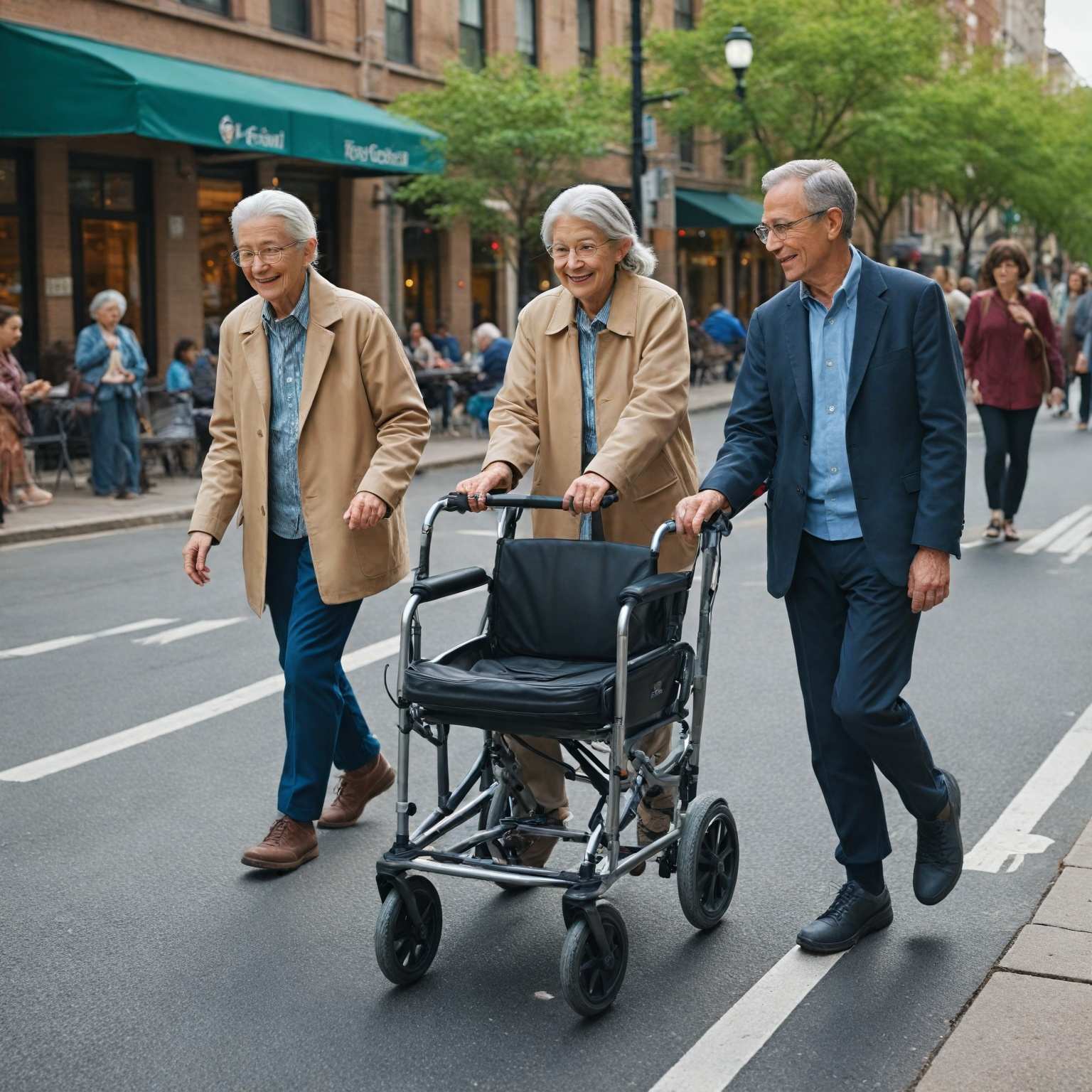
Highlights
- Innovations in mobility technology are enhancing safety and autonomy for older adults.
- Overcoming adoption barriers is crucial for promoting inclusive and equitable mobility solutions.
Summary of Senior Mobility Trends and Innovations for 2025
The aging global population has driven advancements in senior mobility solutions, combining traditional aids with AI, robotics, and connectivity to enhance independence and safety. Innovations include smart wheelchairs, wearable assistive garments, and sensor-equipped devices offering real-time feedback and fall detection. However, adoption faces challenges like social stigma, cost, and digital literacy gaps, especially among vulnerable groups. Future integration of autonomous vehicles and smart infrastructure promises further mobility improvements, emphasizing the need for equitable access and supportive policies.
Background and Key Influences on Senior Mobility
Maintaining mobility is crucial for seniors’ health, independence, and quality of life, with falls posing a major risk. Smart wearables aid balance rehabilitation, while environmental and psychosocial factors like living conditions and mental health significantly affect mobility. Mobility devices, such as rollators, play a vital role in supporting seniors across various settings.
Senior Mobility Aids and Technologies
Mobility aids range from traditional devices—canes, walkers, wheelchairs—to advanced technology-enhanced tools integrating AI, robotics, and IoT. Traditional aids provide essential balance and stability, while outdoor devices like scooters and foldable rollators support diverse terrains and travel needs. Technology-enhanced devices offer adaptive assistance, fall detection, emergency alerts, and telehealth integration, improving safety and autonomy.
Wearable Technologies Enhancing Mobility
Wearable garments and discreet devices, such as powered clothing and smart rings, support posture, breathing, and vital sign monitoring. Voice-controlled features and battery monitoring apps improve usability and safety, enabling seniors to maintain independence with minimal intrusion.
Technological Innovations in Assistive Devices
AI-powered aids like smart wheelchairs with obstacle detection and autonomous navigation enhance mobility and accessibility. Advanced control interfaces—gesture, facial, and eye-tracking—enable easier operation. Energy-efficient designs improve battery longevity, while smart home assistants provide personalized support for independent living.
Challenges in Technology Adoption
Barriers include social stigma, cognitive and physical limitations, cost, digital literacy, and uneven infrastructure access. Complex device use can overwhelm some seniors, while limited smartphone and internet access restricts engagement. Research on adoption behaviors is limited by funding challenges. Addressing these requires integrated approaches considering environmental and personal factors.
Strategies to Improve Usability and Acceptance
Combining advanced technologies with culturally sensitive design and increased healthcare provider involvement helps overcome barriers. Government programs, like India’s PM Divyasha Kendras and Singapore’s Enabling Village labs, improve access and familiarity. Age-friendly urban infrastructure and transportation innovations further support inclusive mobility.
Transportation Technologies and Urban Infrastructure
AI-enabled outdoor mobility devices and ride-sourcing services enhance senior transportation options. Autonomous vehicles, especially shuttles for first- and last-mile transit, are being introduced gradually, aiming to integrate with public transport by 2040. Early deployments focus on controlled environments, with future systems promoting shared mobility and sustainable urban transport. Age-friendly urban design prioritizes accessibility, safety, and seamless integration of personal mobility devices.
Age-Friendly Urban Design Principles
Accessible, barrier-free public spaces and affordable transport are key to supporting senior independence. Urban improvements include elevators, ramps, and infrastructure accommodating mobility devices like scooters. Smart transportation systems and inclusive design foster walkability and connectivity, enabling older adults to remain active and socially engaged.
Societal Impact
Improved senior mobility enhances autonomy, social inclusion, and mental health, reducing isolation and caregiver burdens. Integration of assistive technologies with healthcare supports better outcomes. Age-friendly urban development reduces frailty and institutionalization risks, though social stigma remains a challenge. Government efforts accelerate access and acceptance of advanced mobility solutions.
Adoption and Market Trends
Rising demand for assistive devices is driven by demographic shifts and technology advances, with home care becoming a key market. The U.S. senior mobility aid market, valued at $3.1 billion in 2022, is growing steadily. Adoption depends on affordability and tailored functionality, especially for lower-income seniors. Collaboration among healthcare, transportation, and community sectors fosters innovation and accessibility.
Case Studies and Pilot Projects
Innovative programs, like those from the National Aging and Disability Transportation Center, showcase transportation solutions enhancing senior mobility. Trends include lightweight, foldable aids and data-driven approaches integrating autonomous driving and connectivity technologies. Emerging technologies targeting cognition, communication, and healthcare access offer promising applications for seniors.
Future Outlook
Senior mobility is set for transformative growth, driven by aging populations and technological progress. Governments promote access to assistive technologies to reduce isolation and caregiving burdens. While current mobility services mainly serve easier-to-reach seniors, ongoing innovation in autonomous driving, electrification, and shared mobility offers broad potential. Multidisciplinary efforts combining technology, design, and policy will be essential to enable safer, more autonomous lifestyles for seniors worldwide.
The content is provided by Jordan Fields, Direct Bulletins