Highlights
- The 2026 FIFA World Cup ticket lottery enhances fairness and accessibility for global fans.
- Dynamic pricing and limited low-cost tickets raise concerns about affordability for average supporters.
Summary
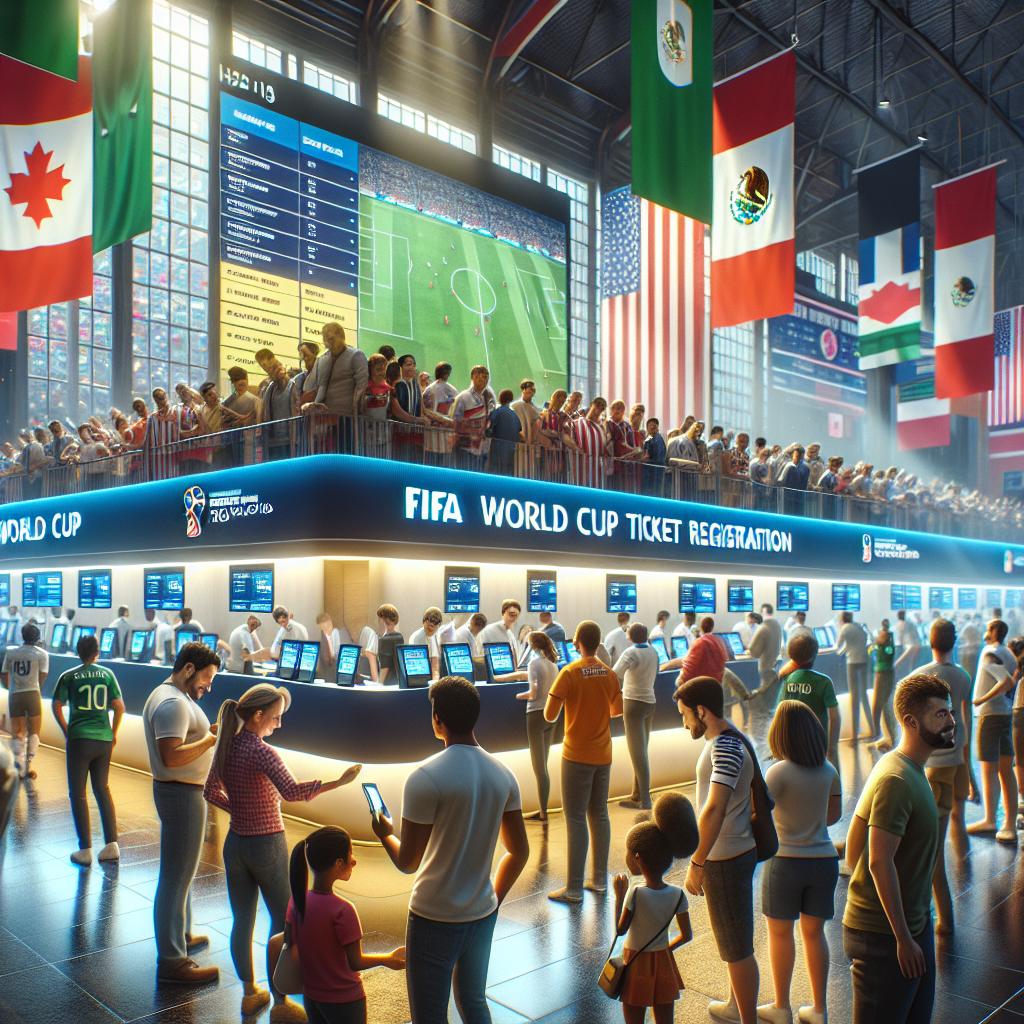
The 2026 FIFA World Cup ticket lottery system is the primary mechanism for distributing match tickets for the tournament co-hosted by the United States, Canada, and Mexico. Designed to accommodate the expanded 48-team format—the largest in World Cup history—the system employs a multi-phase, category-based approach aimed at managing unprecedented global demand while promoting fairness and accessibility among fans worldwide. Fans register through FIFA’s online platform, apply for tickets without upfront payment during a designated window, and enter a randomized lottery that limits purchases to four tickets per match and 40 tickets per household across the tournament’s 104 games.
Tickets are categorized by seat location and pricing tiers, ranging from premium Category 1 seats to more affordable Category 4 options, with a newly introduced entry-level tier accounting for a small fraction of available tickets. FIFA has implemented dynamic pricing for the first time in World Cup history, manually adjusting ticket costs based on demand, which has sparked controversy over affordability and equitable access, particularly as prices can reach several hundred dollars per match. To address concerns, FIFA reserved a limited allocation of low-cost tickets priced around $60, distributed through national football associations to loyal supporters, though critics argue this represents less than 1% of total stadium capacity and remains insufficient.
Security measures include strict household limits and monitoring to prevent bulk buying and scalping, yet resale markets and fraudulent sales have persisted, raising challenges in ensuring genuine fans secure tickets at face value. The system also emphasizes inclusivity and accessibility, with comprehensive accommodations for fans with disabilities across all venues and special eligibility criteria set by member associations for supporter tickets, marking a commitment to making the 2026 World Cup the most accessible tournament in history.
Despite efforts to balance demand, fairness, and revenue generation, the ticket lottery system has drawn significant criticism from fans and observers. High overall costs and the introduction of dynamic pricing have been described as pricing out average supporters, while FIFA’s strict rules on multiple applications and concerns about transparency have fueled fan anxiety and skepticism. Nevertheless, the 2026 ticket lottery represents a landmark evolution in World Cup ticketing, reflecting the complexities of managing a tournament of unprecedented scale and global interest.
Background
The ticketing system for the 2026 FIFA World Cup involves a category-based seating arrangement within NFL stadiums, with tickets divided into four categories based on seat location and proximity to the field. Category 1 tickets are generally located in the lower bowl or on the second deck, offering premium views, while Category 2 seats are mostly on the upper deck along the sidelines. Categories 3 and 4 include upper deck seats behind the end line and farthest from the field, respectively, with Category 4 often consisting of small corner sections or the most distant seats from the pitch. FIFA has provided color-coded stadium maps to help fans identify these categories.
Historically, FIFA has used a lottery system to allocate tickets for the World Cup, allowing fans to submit requests without upfront payment. Those selected were given a limited timeframe to complete their purchase. This approach aims to manage the overwhelming global demand and promote fairness among fans worldwide. For the 2026 tournament, which is set to be the largest in FIFA history, intense demand is expected, especially for matches involving host countries and popular teams. Ticket sales are anticipated to proceed in multiple phases, beginning with a random lottery followed by first-come, first-served opportunities for remaining tickets.
The ticket lottery is generally open to all fans, including those from co-host countries and abroad. Unlike previous World Cups, where host nation residents had access to discounted Category 4 tickets due to comparatively lower purchasing power, this is less of a concern for the United States, one of the 2026 co-hosts, given the higher average income levels of American fans. However, ticket prices have raised concerns among supporters, with some arguing that the high cost of entry excludes many average fans from participating meaningfully in the lottery. Prices often reach hundreds of dollars per ticket, leading to criticism that the majority of fans may not even attempt to enter the lottery due to affordability issues.
Following public backlash over initial pricing proposals, FIFA announced a limited allocation of tickets priced at approximately £45 ($60) per game, including the final, to be distributed exclusively through national federations. This tier, representing about 10% of each association’s allocation but less than 1% of overall stadium capacity per game, is intended to reach loyal and genuine supporters. Despite this concession, fan groups continue to call for more accessible pricing as FIFA is projected to generate nearly £10 billion in revenue between 2023 and 2026.
Additionally, supporters’ tickets are subject to eligibility criteria set by participating member associations, such as the United States Soccer Federation for American fans. This measure is intended to ensure tickets allocated to team supporters reach those closely connected to the national teams. Overall, the 2026 ticket lottery system reflects an effort to balance massive global demand, geographic equity, and pricing challenges amid the tournament’s unprecedented scale.
2026 Ticket Lottery System Overview
The 2026 FIFA World Cup ticket lottery system is designed to be the most comprehensive and equitable ticket distribution method in the tournament’s history. To participate, fans must first register for a FIFA ID on fifa.com/tickets, which enables them to apply for tickets and receive updates throughout the various sales phases. The ticketing process is structured into multiple phases to accommodate the unprecedented scale of the tournament, which will feature 48 teams across venues in the United States, Canada, and Mexico.
The initial ticket sales phase, scheduled for fall 2025, operates as a random lottery where fans can apply for tickets without knowing the specific teams playing, as this occurs prior to the tournament draw. During this phase, applicants can request tickets for particular venues or matches, but selections are randomized to ensure fairness. Following the December 2025 World Cup draw, a second sales phase begins in early 2026, allowing fans to purchase tickets with full knowledge of matchups and group-stage pairings. This phase includes a third lottery opportunity where ticket buyers can select specific matchups. Finally, FIFA plans a first-come, first-served or last-minute sales phase in the spring, alongside a resale platform where tickets can be purchased on the secondary market without price caps.
To promote equitable access, FIFA enforces strict household limits, capping purchases at four tickets per household per match and 40 tickets total across all 104 games. These limits apply across all sales phases and help prevent bulk buying or reselling abuses. Additionally, a “Sit Together” function is available under limited conditions to facilitate groups purchasing seats adjacent to one another, although this is restricted for larger groups or households exceeding the ticket cap.
Applicants have until January 13, 2026, to submit or withdraw their applications, with no advantage given to early submissions as ticket availability remains constant throughout the application window. Once the window closes, FIFA conducts a lottery to determine successful applicants, who then have a limited time to complete their purchases. This process aims to balance overwhelming global demand with fairness and transparency.
Despite these measures, ticket affordability and availability remain concerns. Stadiums with capacities of 60,000 or more often allocate only a small portion of tickets (around 1,000) to the average fan, with many priced at several hundred dollars, effectively pricing out a significant segment of supporters from participating in the lottery. Nevertheless, FIFA emphasizes entering as many ticket opportunities as possible to maximize chances of securing seats.
Accessibility is a key focus of the 2026 World Cup ticketing system. All 16 stadiums will feature comprehensive accommodations for fans with disabilities, including wheelchair-accessible seating, sensory-friendly spaces, and companion ticket policies. Special ticket categories cater to individuals with mobility challenges or invisible disabilities, reflecting FIFA’s commitment to making the tournament the most inclusive in history.
Application Process
The application period for the 2026 FIFA World Cup ticket lottery runs from 11 December 2025 to 13 January 2026. Applications open and close simultaneously at 11:00 am Eastern Time (8:00 am Pacific Time, 10:00 am Mexico City Time, and 17:00 Central European Time) on these respective dates. During this window, applicants can submit their requests for tickets to individual matches, with each request treated independently in the selection process.
There is no advantage to applying early, as all match fixtures remain available throughout the entire application period. Once the window closes on 13 January 2026, FIFA conducts a lottery to determine which applications are successful. Winners will be notified via email during February.
Applicants have the flexibility to withdraw their application before the closing date and may re-enter using the same access code provided to them. However, once the deadline passes, no further applications or changes can be made. Access codes to enter the ticket lottery are distributed to eligible insiders in early January, along with pricing information.
It is important to note that applying for multiple matches does not negatively affect the chances of being selected, as the lottery is conducted on a match-by-match basis rather than person-by-person. Applicants are allowed to apply for several matches provided they adhere to FIFA’s household limit of 40 tickets and can afford all tickets applied for. However, applying does not guarantee receipt of tickets for all matches requested, as the lottery ensures a fair distribution and applicants may only receive tickets to some of the matches for which they applied.
Additionally, purchasers of ticket packages must comply with specific eligibility policies and terms of sale to secure guaranteed opportunities for tickets to matches held in the United States. Overall, the FIFA World Cup 2026 lottery system is regarded as the most comprehensive and equitable approach to ticket distribution in the tournament’s history.
Lottery Drawing Mechanism
The 2026 FIFA World Cup ticket lottery system features a multi-phase random selection process designed to provide equitable access to match tickets for fans worldwide. To participate in the random selection draw, fans must log in to the FIFA website using an existing FIFA ID or create a new account at FIFA.com/tickets. This allows them to apply for a chance to purchase lower-priced tickets allocated through the lottery system.
The random selection draw is the third ticket sales phase and is open to all interested applicants, regardless of nationality or residency. Fans can submit applications for specific matches, aiming to secure a limited number of discounted tickets made available at select games. This lottery phase began shortly after the World Cup draw, which revealed the matchups and venues, allowing fans to target their preferred fixtures. The application window for the random selection draw remains open until January 13, 2026.
To promote fairness, FIFA has implemented household limits restricting ticket purchases to a maximum of four tickets per match and 40 tickets per household across the entire 104-match tournament. These measures ensure broader access and prevent bulk buying that could disadvantage individual fans. Following the random selection draw, FIFA plans a third lottery phase where ticket buyers can select specific matchups, followed by a first-come, first-served or last-minute sales phase during the spring prior to the tournament.
Additional features of the lottery system include a “Sit Together” function that attempts to merge ticket orders for groups, although this is subject to limitations, especially for larger groups not residing in the same household. The lottery is generally open to fans from the co-host countries—United States, Canada, and Mexico—as well as international supporters, with some domestic exclusivity windows having been applied during earlier sales phases.
Ticket Categories and Pricing
The 2026 FIFA World Cup ticketing system introduces a variety of ticket categories and pricing structures aimed at accommodating the expanded 48-team tournament while maximizing revenue. Winners of the ticket lottery will not be able to select exact seat locations within their chosen category; instead, tickets will be distributed ahead of the tournament based on the categories won.
Tickets are offered in multiple pricing tiers, including a newly introduced “entry tier” which constitutes 10% of the 8% ticket allotment reserved for supporters through football associations. This entry tier accounts for approximately 1.6% of all tickets available to both sets of supporters combined, equating to roughly 1,000 tickets per match split evenly between the two teams. This pricing approach reflects a North American model common in sports and concerts and aims to generate record revenues for FIFA during the first World Cup to feature 48 teams.
FIFA has implemented dynamic pricing for the first time in World Cup history, with ticket prices initially ranging from $60 for group stage matches to as high as $6,730 for the final. Unlike algorithm-based dynamic pricing seen in other industries, FIFA will manually adjust prices based on demand, which has raised some concerns about affordability. Importantly, fans are informed of the exact price at the time of applying for tickets in the lottery, differing from previous tournaments where fans only gained purchase access without immediate price disclosure.
The ticket categories correspond to different match stages and locations, with various options available to the general public through venue-specific products. Additionally, hospitality packages provide guaranteed seating for multiple matches or specific team games, often appealing to fans wishing to secure spots for host nation matches.
Distribution and Allocation
The distribution and allocation of tickets for the 2026 FIFA World Cup involve several key mechanisms designed to balance fairness and fan access across multiple categories. FIFA has confirmed that ringfenced allocations will be set aside for specific fan categories, consistent with practices in previous World Cups, and that ticket allocations for certain groups will be set at fixed prices during designated sales phases.
National football associations (NFAs) receive an allocation of tickets, typically amounting to about 8% of the stadium capacity for each match. These tickets are distributed through the respective NFAs’ ballot or lottery systems. For example, Football Australia limits ballot access to Football Account Plus members, with each member allowed one entry per match. FIFA has described the 2026 ticket lottery system as the most comprehensive approach to fair ticket distribution in the tournament’s history.
Supporters seeking tickets through their national associations must meet eligibility criteria set by their respective member associations, such as the United States Soccer Federation for U.S. fans. The ticket ballot opened shortly after the World Cup draw and remains open for a set period, during which fans can apply for multiple matches. However, selection is conducted on a match-by-match basis, with no guarantee of receiving tickets for every match requested. FIFA enforces a household limit of 40 tickets to prevent bulk purchases and encourage wider access.
FIFA has emphasized that member associations are requested to allocate their ticket allotments to loyal fans who are closely connected to their national teams, though no detailed criteria or enforcement mechanisms have been publicly specified. Despite the controlled distribution, concerns have been raised over the cost of tickets available through these allocations, with reports suggesting that attending every match through participant member association tickets could cost fans upwards of €6,900 ($8,111), significantly higher than in previous tournaments.
Applications for the main ticket ballot opened in December 2025 and close in January 2026, with a simultaneous start and end time across different time zones. Fans can select which matches and ticket categories they wish to enter the draw for via the official FIFA application. Those who participated in earlier presale or early ticket draws must re-enter the random selection draw during this sales phase.
In addition to direct allocation via NFAs, FIFA has also acknowledged multiple avenues for acquiring tickets, including secondary market platforms. However, the lottery system remains the primary official route to obtain tickets at face value, reinforcing its importance within the overall ticket distribution framework.
Technology and Security Measures
The 2026 FIFA World Cup ticket lottery system has incorporated several technology and security measures to manage the unprecedented demand and ensure fairness. During the initial Visa presale, numerous website bandwidth issues were reported, largely attributed to the surge of fans attempting to register simultaneously at the start of the presale window. This highlighted the challenge of handling massive online traffic and the need for robust infrastructure.
To combat ticket scalping and multiple fraudulent entries, FIFA implemented strict registration controls. The system monitors for multiple registrations originating from the same household and reserves the right to disqualify such entries to prevent unfair advantages in the lottery draw. This policy sparked widespread discussion across social media platforms as millions of applications flooded in, with FIFA reporting over 1.5 million submissions within the first 24 hours.
Despite these measures, scalpers have managed to infiltrate ticket lotteries by reselling on secondary
Accessibility and Inclusivity Measures
The 2026 World Cup is set to be the most accessible major sporting event in history, with comprehensive accommodations for fans with disabilities across all 16 stadiums located in the United States, Mexico, and Canada. This commitment reflects an unprecedented level of inclusivity designed to ensure that fans with a wide range of disabilities can enjoy the tournament comfortably and safely.
In the United States, venues (comprising 11 of the 16 stadiums) will adhere to the highest accessibility standards, driven by strong enforcement of disability rights laws and frequent disability discrimination litigation that encourage full compliance. Canadian stadiums, particularly those in Toronto and Vancouver, will also provide world-class accessibility, benefiting from the Accessible Canada Act (2019) and robust provincial legislation such as Ontario’s Accessibility for Ontarians with Disabilities Act (AODA).
Specific accommodations include wheelchair-accessible seating, which is available to users of wheelchairs and mobility scooters, as well as easy access seating for people with limited mobility who do not use wheelchairs but may require more legroom or assistance, such as those using walkers, canes, or crutches. This category also serves individuals with invisible disabilities, including heart and lung conditions, allowing them to access suitable seating with greater ease. Additionally, dedicated allocations of accessibility tickets will be offered for all matches in each stadium, ensuring equitable ticket purchasing opportunities for fans with disabilities or limited mobility.
To further enhance inclusivity, FIFA has arranged seating options across different categories, including hospitality seating in suites and club areas available through partners such as On Location and Major League Soccer. Fans applying for supporters’ tickets must meet eligibility criteria established by their respective member associations, such as the United States Soccer Federation for U.S.-based supporters.
International attendees, particularly in Mexico, should be aware of additional considerations such as the language barrier and less common usage of service animals. Fans who rely on service animals are advised to carry proper documentation, including veterinary health certificates and service animal identification, to avoid potential issues.
Controversies and Criticisms
The 2026 World Cup ticket lottery system has faced significant criticism and controversy from fans and observers alike. One of the major points of contention has been the high cost of attending matches. Fans reportedly faced paying approximately €6,900 ($8,111) to attend every match from the opening game to the final through the participant member association (PMA) allocation, a fixed-price ticket category intended for those attending the most matches. This amount is about five times higher than what fans paid at the previous World Cup in Qatar, leading to accusations that FIFA has betrayed the tradition of the tournament by pricing out many supporters who contribute significantly to the event’s atmosphere. The England Fans’ Embassy described the pricing as “a slap in the face” to supporters who also engage in supporting their teams outside the flagship tournament every four years.
Another source of unease arose from FIFA’s strict rules on multiple ticket applications from the same household. The tournament’s FAQ included a statement warning that FIFA reserves the right to disqualify multiple registrations from one household and prevent those individuals from being selected in the ticket lottery draw. This policy raised widespread concern and confusion among fans, who expressed worries on social media platforms such as Reddit, TikTok, and Instagram about inadvertently invalidating their applications by trying to improve their chances.
The introduction of dynamic or variable pricing, a pricing strategy never before applied at a World Cup, has also been controversial. Unlike previous tournaments with fixed ticket prices, FIFA announced that ticket prices would be manually adjusted based on demand, a system more common in North American sports and entertainment events. Critics argued this could make attending matches less affordable for many fans, while FIFA defended the approach as a means to generate record revenues to support the expanded 48-team tournament.
Scalping and resale markets have further complicated the ticket distribution process. Despite the high prices, thousands of tickets have appeared on resale platforms like StubHub and SeatGeek, and various social media groups have emerged where people offer to sell not only tickets but entire FIFA ID accounts. This has led to frustration among many genuine fans who have been unsuccessful in the official lotteries and now face the dilemma of either missing the event or paying exorbitant resale prices.
On a more positive note, the 2026 World Cup has been praised for its commitment to accessibility and inclusivity. The tournament will feature comprehensive accommodations for fans with disabilities across all 16 stadiums in the United States, Mexico, and Canada, including wheelchair-accessible seating, sensory-friendly spaces, and companion ticket policies. Many venues, particularly the 11 in the United States, will adhere to the highest accessibility standards, positioning the event as the most accessible major sporting event in history.
Comparison with Previous Tournaments
The ticket lottery system for the 2026 FIFA World Cup introduces several notable changes compared to previous tournaments. Traditionally, fans could submit requests for specific matches and ticket categories without making an upfront payment. If selected, they were then given a limited timeframe to complete the purchase. This approach helped manage the overwhelming global demand while maintaining a degree of fairness among applicants.
However, the 2026 system differs primarily in the payment process. Unlike prior tournaments where fans were only given access to purchase tickets and could decide based on price and availability, the main FIFA ticket ballot for 2026 requires applicants to commit to payment immediately upon selection. Once a fan is selected for a match ticket, the charge is applied through their account, with ticket costs disclosed at the time of application. This represents a shift from a conditional purchase opportunity to a binding commitment if selected.
Another significant difference relates to eligibility criteria. Supporters’ tickets through member associations now require applicants to meet specific eligibility requirements set by the respective football federations, such as the United States Soccer Federation for U.S. fans. This adds an additional layer of regulation not as explicitly enforced in previous lotteries.
In terms of pricing, the 2026 World Cup adopts a dynamic pricing model, similar to practices common in North American sports and entertainment markets. This model is expected to generate record revenues for FIFA due to the expanded 48-team tournament format. Ticket allocations available through participating member associations are priced similarly to those available to the general public, except for the newly introduced entry tier. This contrasts with prior tournaments where pricing was generally more fixed and less varied.
The financial implications for fans are substantial. Reports indicate that purchasing tickets for every match from the participant member association allocation could cost approximately €6,900 ($8,111), which is about five times more than comparable costs for the previous World Cup in Qatar. This steep increase has been criticized by fan organizations as a departure from the traditional spirit of the tournament, which historically valued accessibility and supporter participation.
Despite these changes, the majority of tickets are still distributed through the lottery system, but fans who do not apply or are unsuccessful still have opportunities to obtain tickets through alternative means, maintaining some level of inclusivity. Overall, the 2026 World Cup ticket lottery reflects adaptations to manage the unprecedented scale and commercial expectations of the tournament while attempting to balance fairness and revenue generation.
Impact and Reception
The ticketing system for the 2026 FIFA World Cup has faced significant criticism and concern from fans and observers alike. One of the primary issues highlighted is the high cost associated with attending multiple matches. Fans would reportedly have to pay approximately €6,900 ($8,111) to attend every game from the group stage to the final through the participant member association (PMA) allocation, a price point that is about five times higher than what fans paid for the previous World Cup in Qatar. This steep increase has been described as a “monumental betrayal of the tradition of the World Cup,” with critics arguing that it disregards the vital contribution of supporters to the tournament’s atmosphere and spectacle.
Furthermore, many average fans feel priced out of the lottery system entirely, as ticket prices are set at hundreds of dollars, making it financially prohibitive for the majority of supporters to even participate in the draw. This has led to widespread frustration, with many expressing that only wealthier fans or those seeking premium hospitality packages can realistically afford attendance. Although FIFA initially introduced fixed-price tickets for certain allocations and stated that ticket distribution would be handled by each member association to ensure loyal fans receive access, the specifics and enforcement of these criteria remain unclear, leaving some fans skeptical about the fairness of the process.
The ticket lottery itself has generated additional anxiety among fans, particularly regarding the detection of multiple registrations from the same household. FIFA’s stance on disqualifying such entries has led to widespread speculation and concern on social media platforms, as millions of fans competed for a limited number of tickets in the initial sales phase. Despite these issues, FIFA has attempted to reassure fans by confirming that ringfenced ticket allocations will be maintained for specific supporter categories, consistent with previous World Cups, and introduced initiatives such as the “FIFA PASS” system to facilitate expedited visa interviews for ticket holders.
The content is provided by Harper Eastwood, Direct Bulletins