Highlights
- The 2026 FIFA World Cup ticket lottery promotes fair access amid unprecedented demand for tickets.
- A tiered pricing strategy ensures options for varying budgets while combating ticket fraud and scalping.
Summary
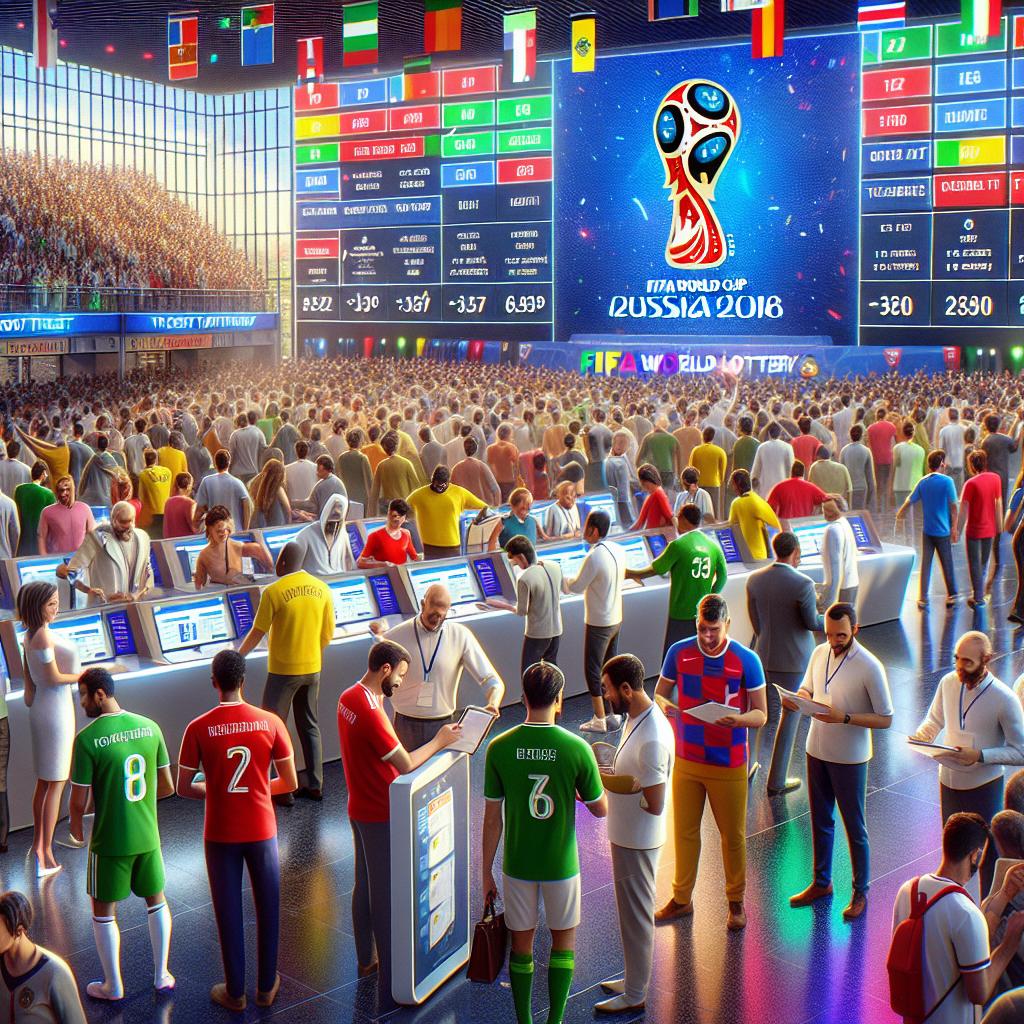
The 2026 FIFA World Cup ticket lottery system is a comprehensive and technologically advanced process designed to manage the unprecedented demand for tickets to the largest edition of the tournament, which will feature 48 teams competing across 16 cities in the United States, Mexico, and Canada. With an expected attendance exceeding 6.5 million spectators, FIFA has implemented a multi-phase ticketing strategy centered around a random lottery draw to ensure fair and equitable access for fans worldwide. The system requires prospective attendees to register with a FIFA ID and submit applications during specified windows, after which tickets are allocated through a transparent computer-generated random selection mechanism rather than a first-come, first-served approach.
Tickets for the 2026 World Cup are categorized into four price and seating tiers, ranging from premium Category 1 seats in prime viewing locations to more affordable Category 4 options in less optimal stadium areas. This tiered pricing structure incorporates dynamic adjustments based on demand and includes special entry-level tickets targeted at genuine supporters through national federations. FIFA also enforces purchase limits per household and employs eligibility criteria set by participating member associations to maintain orderly distribution among dedicated fan bases. An official resale platform operated by FIFA further supports face-value ticket transfers and combats scalping and fraud, reflecting increased efforts to protect fans and preserve ticket authenticity.
Despite these measures, the ticket lottery system has generated considerable public debate and controversy. Critics argue that high prices and limited availability disproportionately favor wealthier attendees and create barriers for passionate but less affluent supporters, while the reliance on a lottery leaves many fans disappointed. Moreover, secondary market activities, especially in North America, have exacerbated concerns over ticket affordability and access, prompting FIFA and local authorities to strengthen regulatory frameworks and digital solutions to mitigate fraudulent sales and scalping practices. The system’s complexity and the scale of demand have made it one of the most challenging ticketing operations in World Cup history.
Looking ahead, organizers plan to introduce further innovations aimed at improving fairness, accessibility, and security in the ticketing process. These include enhanced digital tools, refined eligibility policies, and expanded support for fans with disabilities, underscoring a broader commitment to inclusivity and transparency as the tournament approaches. The 2026 ticket lottery system thus represents a significant evolution in World Cup ticketing, balancing fan enthusiasm, commercial considerations, and logistical demands on a historic scale.
Background
The 2026 FIFA World Cup is set to be the largest edition of the tournament in history, expanding from 32 to 48 teams and featuring 104 matches held across 16 host cities in the United States, Mexico, and Canada. This scale necessitates a highly organized and comprehensive ticketing process to accommodate over 6.5 million expected fans.
In response to the overwhelming global demand for tickets, FIFA has introduced an advanced ticket lottery system designed to provide fair and equitable access to match tickets. The lottery system is part of a broader ticketing strategy that includes multiple sales phases, pre-tournament releases, and official resale platforms to ensure authenticity and face value protection. This system aims to prevent unauthorized scalping and fraud while allowing fans from around the world to participate in the event.
Tickets are categorized into different price and viewing quality levels, with Category 1 seats offering premium views and Category 4 seats representing more affordable options located in less optimal parts of the stadium, such as upper deck corners or seats farthest from the field. These categories help balance fan preferences and budgets, allowing a wide range of spectators to experience the tournament atmosphere.
Additionally, eligibility criteria for supporters’ tickets are set by the participating member associations, which include requirements specific to each country’s soccer federation. This helps maintain a structured distribution of tickets among dedicated fan bases while supporting the integrity of the event’s attendance.
Ticket Lottery System Overview
The FIFA World Cup 2026 ticket lottery system is designed to ensure a fair and transparent distribution of tickets for the tournament, representing the most comprehensive approach to ticket allocation in World Cup history. Fans interested in attending the matches must first register for a FIFA ID, which is required to participate in the ticket application process.
The system primarily operates through a random lottery draw, where fans submit their ticket requests during specified application periods. All entries have equal chances of selection regardless of when they are submitted within these timeframes, emphasizing fairness over a first-come, first-served basis. After the lottery application period closes, applicants are randomly selected, with notifications sent starting around late September, granting successful applicants opportunities to purchase tickets during allocated time slots.
Additionally, FIFA offers phases of direct ticket sales once the initial lottery phases conclude, where tickets can be purchased on a first-come, first-served basis. This system is complemented by an official resale platform managed by FIFA to facilitate legitimate ticket transfers, providing further chances for fans to obtain tickets securely.
The lottery also distinguishes between various ticket categories, reflecting different seating locations and price points. For the 2026 tournament, tickets are categorized primarily into four groups, with Category 1 being the highest-priced seats located in prime viewing areas such as lower central sidelines or the lower bowl of stadiums. Subsequent categories correspond to seats progressively farther from the pitch and with less central views. This categorization allows fans to choose tickets that match their preferences and budget, although seat assignments within categories are not specified at the time of purchase.
Supporters applying for tickets may also need to meet eligibility criteria set by their national associations, adding an additional layer of regulation for fan access to tickets designated for supporters. Overall, the 2026 ticket lottery system combines random selection, structured sales phases, and ticket categorization to create an equitable process for fans hoping to experience the tournament live.
Application Process
To participate in the FIFA World Cup 2026 ticket lottery, applicants must first have an existing FIFA ID. Using these credentials, users can log in to the official FIFA ticket portal and enter the Random Selection Draw. Previous entries into the ticket lottery do not affect the ability to submit additional applications for other matches.
The application window remains open until January 13, 2026, with no advantage to applying early since all fixtures are available throughout the entire period. Applicants can withdraw their application and re-enter using the same access code before the deadline. However, once the application window closes, no further entries will be accepted. After the deadline, FIFA will conduct a lottery to determine successful applicants, who will be notified via email in February and automatically charged for their tickets.
There are strict limits on ticket purchases to ensure fairness: each household may submit only one application and purchase a maximum of four tickets per match, with an overall cap of 40 tickets per household for the entire tournament, subject to availability and applicable terms and conditions. All ticket purchases linked to the same postal address count towards this household limit. FIFA reserves the right to disqualify multiple registrations originating from the same household to prevent abuse of the system.
Upon submitting an application, users will receive a confirmation message on their FIFA ticketing account page indicating successful submission. The official terms and conditions related to ticket sales and usage are available on FIFA’s legal documents section of their website.
The FIFA World Cup 2026 lottery system is recognized as one of the most comprehensive approaches to equitable ticket distribution in the tournament’s history, encouraging fans to prepare early by registering for a FIFA ID and understanding the process to maximize their chances of securing tickets.
Lottery Drawing Mechanism
The FIFA World Cup 2026 employs a highly structured lottery drawing mechanism designed to ensure fairness and transparency in ticket distribution, marking it as the most comprehensive system in the tournament’s history. The process begins shortly after the December 5, 2025 draw ceremony, when registration opens for fans to submit their applications during a multi-day window. This phase is known as the Random Selection Draw, where applicants specify their desired matches, ticket categories, and quantities, although ticket allocation is not guaranteed.
All applications submitted within the registration period are entered into a computer-generated random selection system. This sophisticated algorithm ensures equal chances for every participant regardless of the timing of their submission, payment method, or geographic location, within the eligibility requirements of each phase. Successful applicants are notified via email, typically in February 2026, and are assigned specific time slots to complete their purchases.
The ticket lottery process is divided into multiple phases, including purely random lottery phases where all applications have equal chances, and subsequent first-come, first-served purchase windows. Additionally, FIFA manages an official resale platform that allows legitimate ticket transfers, offering alternative opportunities for fans who were unsuccessful during the initial lottery stages.
To maximize the chance of securing tickets during the purchase windows, FIFA advises applicants to maintain a stable internet connection, have backup devices ready, and ensure their payment information is current and compliant with security measures like 3D Secure. Moreover, all purchases must be made exclusively through FIFA’s official ticketing website to avoid fraud.
Ticket prices vary depending on the expected demand for each fixture, with high-profile matches commanding higher prices. The overall demand for the 2026 World Cup has led to record-high application numbers, with approximately 4.5 million applications received in early purchase windows, heightening the importance of a fair and secure lottery mechanism.
Ticket Pricing and Payment
FIFA implemented a variable pricing strategy for the 2026 World Cup tickets, marking the most extensive use of dynamic pricing in the tournament’s history. This approach, first introduced during the 2025 Club World Cup, aligns with North American sports franchises’ standards, adjusting prices based on demand to either capitalize on high interest or to fill less popular games. Unlike many industries that use automated algorithms, FIFA manually sets prices for each fixture depending on anticipated demand, with high-profile matches commanding higher prices.
Ticket prices varied significantly, ranging from $279 for the right to buy tickets to matches in cities such as Philadelphia, Atlanta, or Boston, up to $3,000 for premium bundles like the “Double Opening Glory.” This particular package included the right to purchase a ticket for the World Cup opener in Mexico City and two upper-deck tickets for the Club World Cup opener in Miami. During the primary market sales in April, May, and June, FIFA Collect Info reported approximately $13 million in transactions, predominantly from rights-to-buy (RTB) sales.
In response to public concern over ticket affordability, FIFA adjusted its pricing categories. A new “entry tier” was created, offering around 1,000 tickets per game at $60 each exclusively to supporters of the two participating teams. This entry tier represents about 10 percent of each team’s allocation, while the value tier was reduced to 40 percent from previous levels. The entry tickets priced at £45 are distributed solely through national federations to ensure genuine supporters receive them, although these tickets represent less than one percent of overall stadium capacity per game.
Despite these measures, fan groups continue to call for greater affordability as FIFA is projected to generate nearly £10 billion in revenue from 2023 to 2026. The ticket pricing system thus reflects a balance between maximizing revenue and addressing fans’ demands for fair access to the tournament.
Ticket Distribution and Delivery
The ticket distribution for the 2026 FIFA World Cup employs a multi-phase random selection draw system designed to provide fans an equal opportunity to obtain tickets. The application window spans several specific timeframes, with applicants able to select matches, ticket categories, and the number of tickets they wish to purchase during registration. However, there is no guarantee of success, as winners are selected through a sophisticated computer-generated lottery process that ensures fairness regardless of application timing, payment method, or geographic location within the eligibility requirements of each phase.
The third phase of ticket sales runs through January 13, 2026, and applicants can withdraw and re-enter their applications before this deadline using the same access code. After the deadline, reapplication is no longer possible. Successful applicants from each lottery phase will be notified via email and provided with assigned time slots to complete their purchases, starting as early as October 1, 2025, for the first notification batch. Winners will not be able to select exact seat locations within their chosen ticket category, as seat assignments are distributed ahead of the tournament.
Ticket categories vary, with Category 1 being the highest-priced seats typically located in the lower tier, while Category 2 seats are positioned outside of Category 1 areas and available in both lower and upper tiers. Seating elevation and coverage, such as roof protection, also influence category classification, though personal preference plays a significant role in what fans consider the “best” view.
Tickets are expected to be made available in the second quarter of 2026, prior to the start of the tournament. Additionally, FIFA operates an official resale platform to facilitate legitimate ticket transfers and mitigate fraud. Fans should be cautious of resellers offering tickets prematurely, as official tickets do not exist until distributed by FIFA, and scammers often avoid mentioning “FIFA” to circumvent platform rules.
Policies and Regulations
The 2026 FIFA World Cup ticketing system is governed by a range of policies and regulations designed to ensure fair access and to combat fraudulent activities across the three host countries: the United States, Canada, and Mexico. One key aspect is the restriction on ticket sales to prevent scalping and unauthorized resales. For instance, Mexico City enforces the Civic Culture Law, which prohibits offering or facilitating ticket sales above authorized prices in public spaces, particularly around stadium zones. Additionally, Mexico’s consumer protection agency, PROFECO, warns fans against fraudulent websites and advises purchasing tickets only through official FIFA channels.
FIFA has implemented a strict sales protocol that includes primary ticket sales exclusively through its official portal, alongside an official resale platform to facilitate lawful ticket transfers subject to local laws. The resale platform is expected to launch later in 2025 and aims to provide face-value protection, fraud prevention, and safeguards against inflated prices commonly seen in unauthorized markets. Fans are cautioned that tickets offered by unauthorized resellers before the official sales start are often fake, as the official tickets have not yet been issued.
To manage demand, FIFA employs a “random selection draw” system where fans can apply for tickets by selecting preferred matches, ticket categories, and quantities; however, successful allocation is not guaranteed. Applications have already reached millions in early purchase windows, underscoring the high demand and the potential for scams, which FIFA seeks to mitigate through its controlled sales and resale platforms.
It is also important to note that tickets will not be sold directly at stadiums during the tournament. Instead, remaining ticket inventory will be released closer to the event without a lottery system, allowing direct purchases, though prices may be higher due to dynamic pricing and availability constraints for popular matches. Overall, these policies and regulations are established to maintain ticket authenticity, ensure equitable access, and protect fans from fraud throughout the ticket purchasing process for the 2026 FIFA World Cup.
Public Response and Challenges
The ticketing process for the 2026 FIFA World Cup has sparked significant public debate and challenges, highlighting tensions between accessibility, fairness, and pricing. Fans from over 200 countries have expressed excitement about the expanded 48-team tournament, yet criticism quickly surfaced regarding the high ticket prices and the perceived inequity in distribution. Many supporters have described the prices as “extortionate” and “absolutely despicable,” suggesting that the pricing strategy favors wealthier attendees, particularly affluent Americans, at the expense of passionate supporters who may be priced out of attending matches.
A major point of contention is the reliance on a lottery system where millions apply but only a small fraction succeed in securing tickets. This system has led to widespread frustration as the majority of fans are left facing exorbitant resale prices on unregulated secondary markets. These resale markets have exacerbated concerns, with fans accusing FIFA of insufficient measures to control ticket scalping and price inflation. The unregulated nature of America’s secondary market is considered both a catalyst and an excuse for the high ticket prices observed, creating a persistent barrier for average fans wishing to attend the event.
Efforts to ensure fairness include eligibility criteria for supporters’ tickets, which are managed by the participating member associations such as the United States Soccer Federation. However, these requirements can add complexity to the application process and have raised questions about accessibility and inclusivity.
Comparison with Previous World Cup Ticketing Systems
The ticketing system for the 2026 FIFA World Cup continues the tradition of using a lottery-based allocation method, a practice common in previous tournaments. Historically, fans submit requests for tickets and await a random selection process, which often results in many supporters being unsuccessful in securing tickets due to the high demand and limited availability. This approach remains largely unchanged, maintaining the unpredictability that has characterized World Cup ticket sales in the past.
However, the 2026 ticketing system introduces refinements that reflect lessons learned from earlier tournaments. For instance, tickets are categorized into multiple tiers, similar to previous events, where fans purchase tickets without knowing their exact seat location. For the 2026 World Cup, Category 1 tickets may be assigned to seats anywhere in the lower bowl or on the second deck of NFL stadiums hosting the matches, providing a clearer framework compared to some prior editions.
Additionally, FIFA has implemented expanded support mechanisms to assist fans through the purchasing process, which represents an evolution from earlier tournaments. These include encouraging fans to enter multiple ticket opportunities due to limited availability and ensuring stable internet connections and payment readiness to mitigate technical difficulties during sales windows. Furthermore, FIFA has established official resale platforms and backup options to provide alternative routes for fans who do not succeed in the lottery phases, enhancing transparency and accessibility relative to past systems.
Impact on Fans and Attendance
The 2026 FIFA World Cup ticket lottery system has had a significant impact on fans and overall attendance dynamics. One major concern among supporters is the stringent eligibility criteria imposed by participating member associations, such as the United States Soccer Federation, which restrict access to supporters’ tickets and affects who can apply. Additionally, the high ticket prices have drawn widespread criticism from fans, who describe them as “extortionate” and “absolutely despicable,” suggesting that the pricing strategy favors wealthier spectators at the expense of more passionate, grassroots supporters.
Due to the limited ticket availability, fans are encouraged to submit applications for multiple ticket opportunities to maximize their chances of securing seats for the tournament. The application process allows individuals to buy up to four tickets per match, with a cap of 40 tickets per household for the entire event. This system aims to promote fairness and prevent bulk purchasing, although it may also limit larger group attendances. Despite these measures, demand has remained extraordinarily high; FIFA reported receiving five million ticket requests within the first 24 hours of the third sales phase, illustrating the intense global interest but also the difficulty many fans face in obtaining tickets.
FIFA has introduced a pre-tournament sales phase, where remaining tickets will be sold directly without a lottery, but dynamic pricing models are expected to raise costs further, especially for popular matches likely to be sold out during earlier lottery phases. To counteract fraudulent selling and scalping, FIFA has developed a managed resale platform that protects face value and ensures ticket authenticity, a necessary step given the pressure on organizers to provide a transparent and fair process amid high demand.
Future Developments and Innovations
As the 2026 FIFA World Cup approaches, significant advancements and changes are anticipated in the ticket lottery system and overall event management. Organizers are preparing to introduce new digital technologies aimed at enhancing the fan experience, improving safety, and ensuring fair access to tickets. Mexico, one of the host countries, is particularly focused on leveraging these digital innovations to facilitate smoother navigation of cultural and sporting events during the tournament.
In response to the high demand and concerns over fraudulent ticket sales, the 2026 World Cup organizers are expected to implement more transparent and secure ticket distribution methods. Fans are encouraged to participate in multiple ticket opportunities to increase their chances of obtaining tickets, reflecting the limited availability and competitive nature of the process. Additionally, there is ongoing discussion about application regulations, such as limitations on the number of household members eligible to apply, though details remain to be confirmed in forthcoming announcements.
Accessibility considerations, including options for individuals requiring accommodations under the Americans with Disabilities Act (ADA), are also under review, indicating a broader commitment to inclusivity in the ticketing process. Overall, these future developments highlight a move towards integrating technology and fairness to create an enhanced and equitable World Cup experience for all attendees.
The content is provided by Harper Eastwood, Direct Bulletins