Highlights
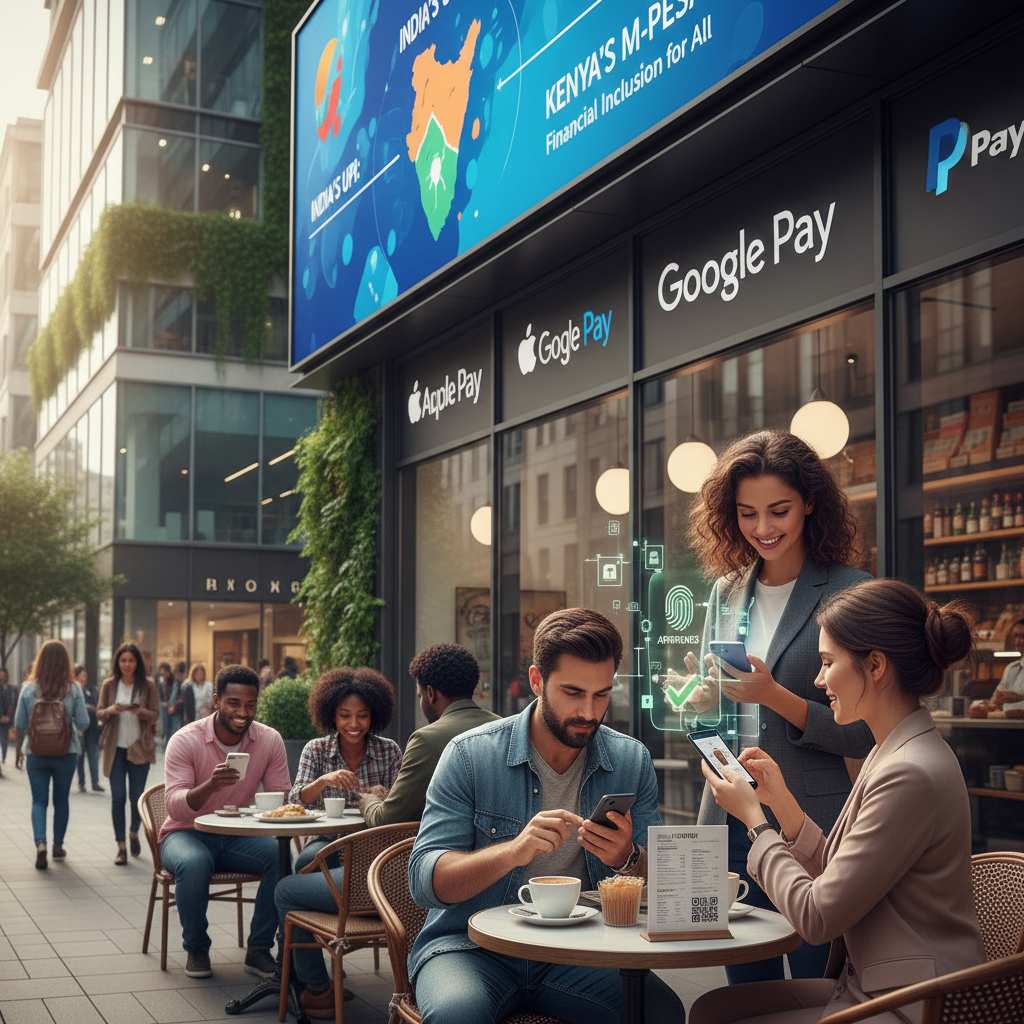
- Mobile payments are reshaping commerce, offering convenience with technologies like NFC and digital wallets.
- Advanced security measures are essential to safeguard transactions and maintain user trust in mobile payments.
Summary
Understanding Phone Payment Options: A Comprehensive Guide offers critical insights into mobile payment technologies and practices that facilitate financial transactions via smartphones. With mobile payments now central to everyday transactions, this guide highlights key methods like Near-Field Communication (NFC), QR codes, digital wallets, and mobile billing.
Regional innovations like India’s Unified Payments Interface (UPI) and Kenya’s M-PESA showcase how mobile payments can enhance financial access, particularly in emerging markets. Major platforms such as Alipay, PayPal, Apple Pay, and Google Pay continue to dominate global markets, reflecting the growing consumer preference for secure and contactless payment options. Addressing the inherent security concerns, the guide also covers encryption, multi-factor authentication, and other critical measures that protect personal data and prevent fraud within this landscape.
History
Mobile payment options have evolved from basic SMS-based systems to advanced solutions that integrate with various platforms. The introduction of digital wallets and interfaces such as India’s UPI has significantly accelerated e-commerce transactions and financial inclusion.
In parallel, M-PESA in Kenya revolutionized mobile payments in Africa, providing accessible financial services for millions. These initiatives underscore the impact of government-backed and localized solutions on the rapid adoption of mobile payment technologies worldwide.
Types of Phone Payment Options
Mobile payments consist of various technologies that facilitate financial transactions through smartphones. Key options include QR code payments, contactless payment apps, NFC payments, and mobile billing methods.
QR Code Payments
QR codes have emerged as an efficient payment solution, enabling users to securely make transactions by scanning codes with mobile wallets or UPI apps. This method enhances transaction safety by concealing sensitive bank details, making it particularly favorable for retail environments.
Contactless Payment Apps and Digital Wallets
These applications, utilizing NFC or RFID, allow users to make swift payments by tapping their phones against POS terminals. Digital wallets store payment information securely, streamlining transactions without the need for physical cards. Popular solutions such as Apple Pay and Google Pay exemplify the convenience these technologies offer.
Near-Field Communication (NFC) Payments
NFC facilitates in-store purchases through a short-range wireless connection. While this method is quick and convenient, security features like PINs or two-factor authentication are often necessary. Addressing potential infrastructure challenges is crucial for wider adoption of NFC payment technologies.
Mobile Billing and Carrier-Based Payments
Mobile billing allows users to charge purchases directly to their phone accounts, providing options for those without traditional banking services. This method supports various transactions like bill payments and subscriptions, supporting financial inclusivity.
Phone Payment Technologies
Technologies driving mobile payments include NFC, QR codes, and Bluetooth, each offering distinct benefits. NFC is widely utilized in-store, while QR codes facilitate secure transactions via scanning. The emergence of Bluetooth allows for additional payment flexibility, albeit with a need for careful security management.
Encryption and Authentication
Encryption plays a vital role in protecting mobile payment transactions, employing strategies such as symmetric and asymmetric encryption. Multi-factor authentication further enhances security by requiring users to provide multiple verification methods, significantly reducing fraud risk.
How Phone Payment Options Work
Mobile payment systems operate through advanced technologies that connect user devices, payment apps, and transaction infrastructures. The process generally involves tapping a device against a POS terminal or scanning a QR code to complete a transaction securely.
Authentication and Security
Security in mobile payments is paramount, with many systems implementing two-factor authentication that requires users to verify their identities. Biometric features like fingerprint recognition offer an additional layer of protection while enhancing user experience.
Transaction Processing Flow
Transaction processing involves routing data and clearing funds efficiently to ensure timely payment completion. A well-designed infrastructure updates securely while maintaining operational stability across various mobile systems.
Security Measures and Protocols
Multiple security protocols ensure the safety of mobile payment systems, including end-to-end encryption and tokenization. These defenses help mitigate risks without compromising user convenience in transactions.
Security and Privacy
Security and privacy are critical in mobile payments, with robust encryption techniques ensuring the protection of sensitive transaction data. Technologies like AES-256 and ECC are standard in safeguarding information during transactions.
Tokenization adds another protection layer, preventing unauthorized access to card details. User education on secure practices, combined with cutting-edge security technologies, is essential for maintaining trust in mobile payments.
Accessibility and Usability Challenges
Challenges such as geographical restrictions and high transaction costs impede the adoption of mobile payments across different demographics. Significant usability issues can arise for less tech-savvy users, emphasizing the need for improved security and user-centric design in mobile payment solutions.
Advantages
Mobile payment systems offer unmatched convenience, allowing users to conduct transactions efficiently without the need for cash or cards. Their global reach facilitates cross-border payments, enhancing the shopping experience for consumers and businesses alike.
With advanced security measures to protect against fraud, mobile payment solutions are continually integrating additional services that address diverse financial needs, supporting a comprehensive approach to consumer finance.
Adoption and Usage
Mobile payment applications have seen explosive growth, especially in developing regions where users prefer mobile over traditional banking. While regions like Asia lead in adoption rates, including significant usage in platforms like Alipay and UPI, challenges remain in areas like Europe and the U.S., where cash and card payments still dominate.
Major Providers and Platforms
Mobile payment platforms have surged globally, with Alipay leading the market. In Western markets, PayPal, Apple Pay, and Google Pay dominate, yet their adoption remains less competitive than Asian counterparts. Providers must prioritize flexibility and security to meet varying regional demands and navigate infrastructure challenges effectively.
Regulatory Environment
Regulations like the Payment Services Directive 2 (PSD2) are shaping the mobile payment landscape by enforcing stringent customer authentication measures. Compliance with these regulations necessitates advanced encryption and verification protocols, alongside consumer education, to enhance security frameworks within mobile payment ecosystems.
Future Trends
The future of mobile payments appears promising, with growth projections signaling continued consumer acceptance coupled with technological advancements. Enhanced security protocols and increased interoperability will play crucial roles in further adoption in various markets, while user education remains vital for securing transactions.
The content is provided by Sierra Knightley, Direct Bulletins