Highlights
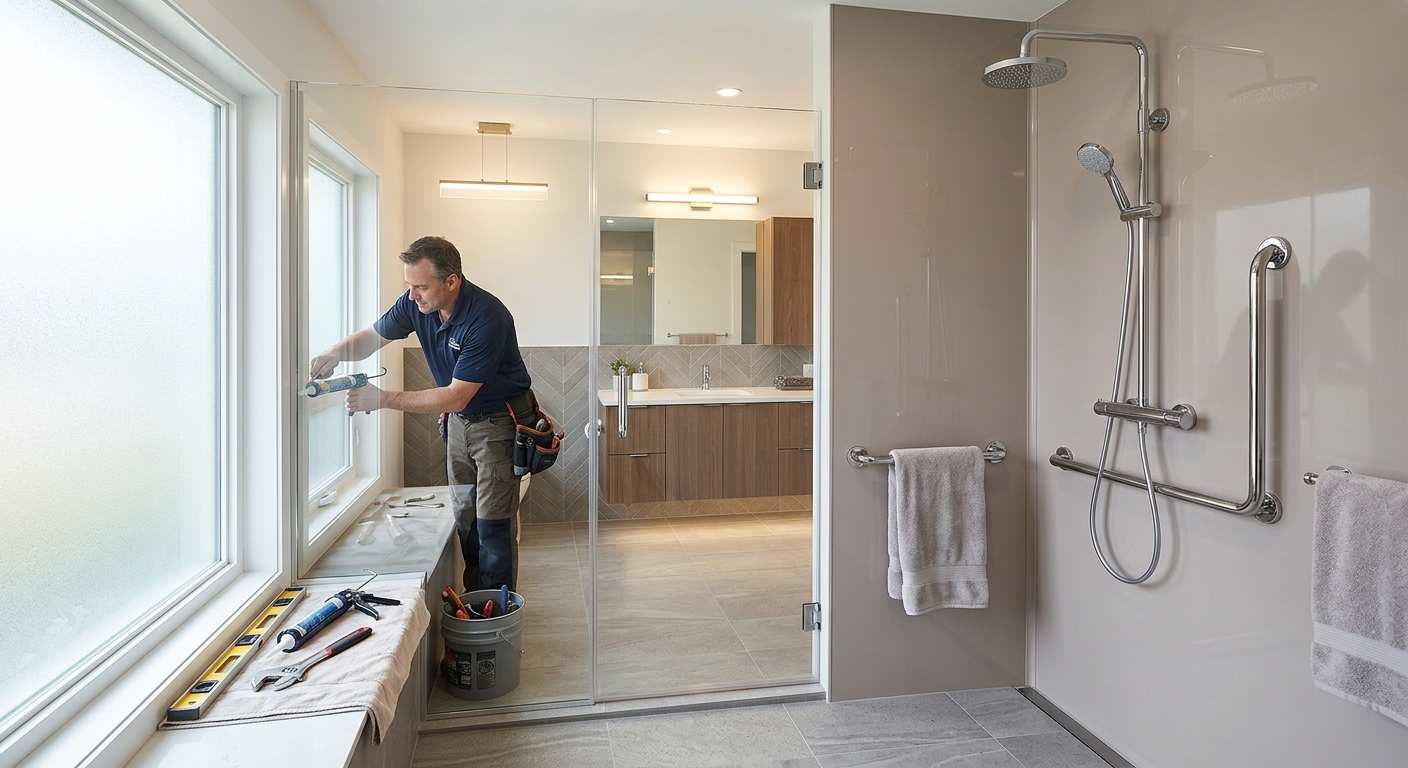
- Experience a swift bathroom upgrade with a one-day walk-in shower installation solution.
- Enhance safety and aesthetics while minimizing disruptions with modern, low-maintenance shower systems.
Summary
One-day walk-in shower installations provide a quick upgrade for bathrooms, featuring barrier-free designs that cater to mobility challenges and contemporary aesthetics. Homeowners appreciate the reduction in disruption during installation due to the use of prefabricated materials like acrylic and fiberglass, allowing for efficient waterproofing and quick assembly. However, complexities such as significant water damage or custom requirements can affect the timeline, highlighting the importance of clear communication between homeowners and contractors to avoid unexpected costs and delays.
Overview of Walk-In Showers
Walk-in showers are increasingly favored for their accessibility and stylish designs, making them ideal for aging-in-place scenarios. Their barrier-free feature allows easy entry, enhancing safety and usability for those with mobility concerns. Homeowners can choose various materials that offer upscale looks without the maintenance demands of natural stone, but effective lighting and proper drainage remain essential for optimal functionality and aesthetics.
One-Day Walk-In Shower Installation
The streamlined installation process aims to remove old fixtures and install the new shower within a single day, minimizing disruption. Preparation is key; selecting materials in advance and ensuring the bathroom’s plumbing is compatible with the new design are crucial steps. Common dimensions guide the installation process, while customizations may require additional time depending on project complexities like extensive plumbing adjustments or custom tiling, which necessitate careful planning to prevent delays beyond one day.
Preparation for Installation
Preparation involves assessing the state of existing shower fixtures and determining whether plumbing modifications are necessary. A professional plumber’s evaluation can avoid potential issues during installation, saving time and costs later. Accurate measurements are vital to ensure compliance with accessibility standards and to coordinate effectively among various trades to keep the project on track.
Installation Process
The installation workflow includes demolishing current fixtures, making necessary plumbing adjustments, and securely setting the new shower base. Waterproofing is a critical step following base installation to prevent leaks, employing effective membranes that align with both professional and DIY practices. Finishing touches involve installing aesthetic elements like tiles and glass enclosures, where meticulous work helps ensure durability and visual appeal.
Materials and Technologies Used
Choices in materials for walk-in showers focus on durability and affordability, with acrylic and fiberglass being popular due to their lightweight nature and ease of installation. Shower pans need to be precisely leveled to ensure proper drainage, and waterproofing methods like liquid membranes protect against moisture damage. Plumbing systems should be well-coordinated to prevent costly installation issues, ensuring the longevity of the shower based on the selected materials.
Tools and Professional Techniques
Successful installations rely on the right tools and adherence to professional techniques to ensure efficiency. Detailed scheduling and open communication among trades minimize delays, while the use of effective waterproofing systems enhances installation durability. Proper execution of tile placement, grouting, and sealing is imperative to avoid future problems, emphasizing the importance of skilled craftsmanship throughout the process.
Design Challenges and Solutions
Designing walk-in showers requires consideration of coordination among trades and ensuring proper drainage to prevent leaks and damage. Addressing accessibility standards is also crucial, and accurate rough-in measurements are necessary to facilitate safe installations. Homeowners face trade-offs between traditional materials that provide durability and newer options that enhance aesthetics but may prioritize speed or cost, necessitating careful planning.
Lighting Solutions for One-Day Installations
Choosing appropriate lighting for a walk-in shower necessitates balancing safety with ambiance. Damp-rated fixtures are typically recommended, as they withstand moisture without direct water exposure. Homeowners may consider recessed spotlights or dimmable lights to enhance functionality while maintaining a soothing atmosphere; however, compliance with safety regulations is essential when integrating electrical components into humid environments.
Cost Considerations
Installation costs can vary widely, influenced by project size, complexity, and material choices. Rerouting plumbing or employing custom designs can significantly increase labor hours and expenses. Homeowners should prepare for potential additional costs related to demolition, plumbing adjustments, and permits while seeking detailed quotes to manage their budgets strategically.
Safety, Building Codes, and Compliance
Meeting safety requirements and local building codes is crucial for shower installations, ensuring both user safety and project longevity. Waterproofing, drainage compliance, and plumbing practices must align with regulations to minimize water damage and mold growth risks. Effective communication and coordinated scheduling among trades can help navigate these requirements successfully.
Waterproofing and Drainage Compliance
Proper waterproofing begins with a continuous membrane beneath the shower floor, crucial for preventing leaks. Adhering to drainage requirements ensures efficient water flow toward drains, reducing the likelihood of pooling. These measures collectively contribute to a long-lasting and safe shower environment.
Plumbing and Water Supply Considerations
Effective coordination with plumbing trades is essential for seamless installation. Early involvement of plumbers to assess line relocations can prevent project delays and ensure proper water flow rates, which are particularly important for safety in emergency situations. Clear communication on these elements can facilitate smoother installations.
Accessibility and Safety Features
Accessible walk-in showers enhance safety and comfort, but compliance with standards requires careful design considerations. Features like curbless entries improve accessibility, though drain design must still accommodate safety measures. Unobstructed layouts that enhance visibility and light can also play a key role in overall safety and aesthetics in bathroom environments.
Compliance Checklist and Best Practices
Using a compliance checklist streamlines the installation process by ensuring adherence to safety regulations. This proactive approach helps accommodate unforeseen changes, bolstering coordination among all trades involved. Careful monitoring of compliance can enhance both the safety and functional reliability of the final installation.
Maintenance and Care
Ongoing maintenance is essential to the longevity of walk-in showers, particularly regarding the integrity of the waterproofing system. Regular inspections and cleaning help prevent mold growth and maintain the usability of the shower over time. Homeowners may also consider periodic reapplication of waterproofing compounds to reinforce protection without extensive renovations.
Environmental Impact
The environmental impact of walk-in shower installations is shaped by material selection and installation efficiency. Choosing innovative materials can enhance sustainability, while proper waste management practices during demolition and installation help minimize environmental footprints. The shift to more sustainable plumbing materials also contributes to reduced energy use and waste associated with home renovations.
Customer Reviews and Satisfaction
Customer feedback emphasizes the importance of communication and professionalism in achieving high satisfaction in walk-in shower installations. Clear expectations and effective coordination are crucial for complex projects, impacting overall happiness and trust in the contractor. Positive testimonials often arise when contractors manage projects efficiently, avoiding potential pitfalls that could lead to dissatisfaction.
The content is provided by Harper Eastwood, Direct Bulletins