Highlights
- Kaiser Dental Care in 2025 offers advanced dental services through Medicare Advantage for seniors.
- Digital innovations enhance patient experience and treatment effectiveness, emphasizing modern dental trends.
Overview of Kaiser Dental Care in 2025
Kaiser Dental Care in 2025 offers comprehensive dental services through Medicare Advantage plans, primarily serving seniors in Northern and Southern California. Coverage includes preventive, diagnostic, and restorative treatments such as cleanings, exams, X-rays, fillings, and crowns. Members typically use contracted providers to access benefits, with out-of-network care available at higher costs.
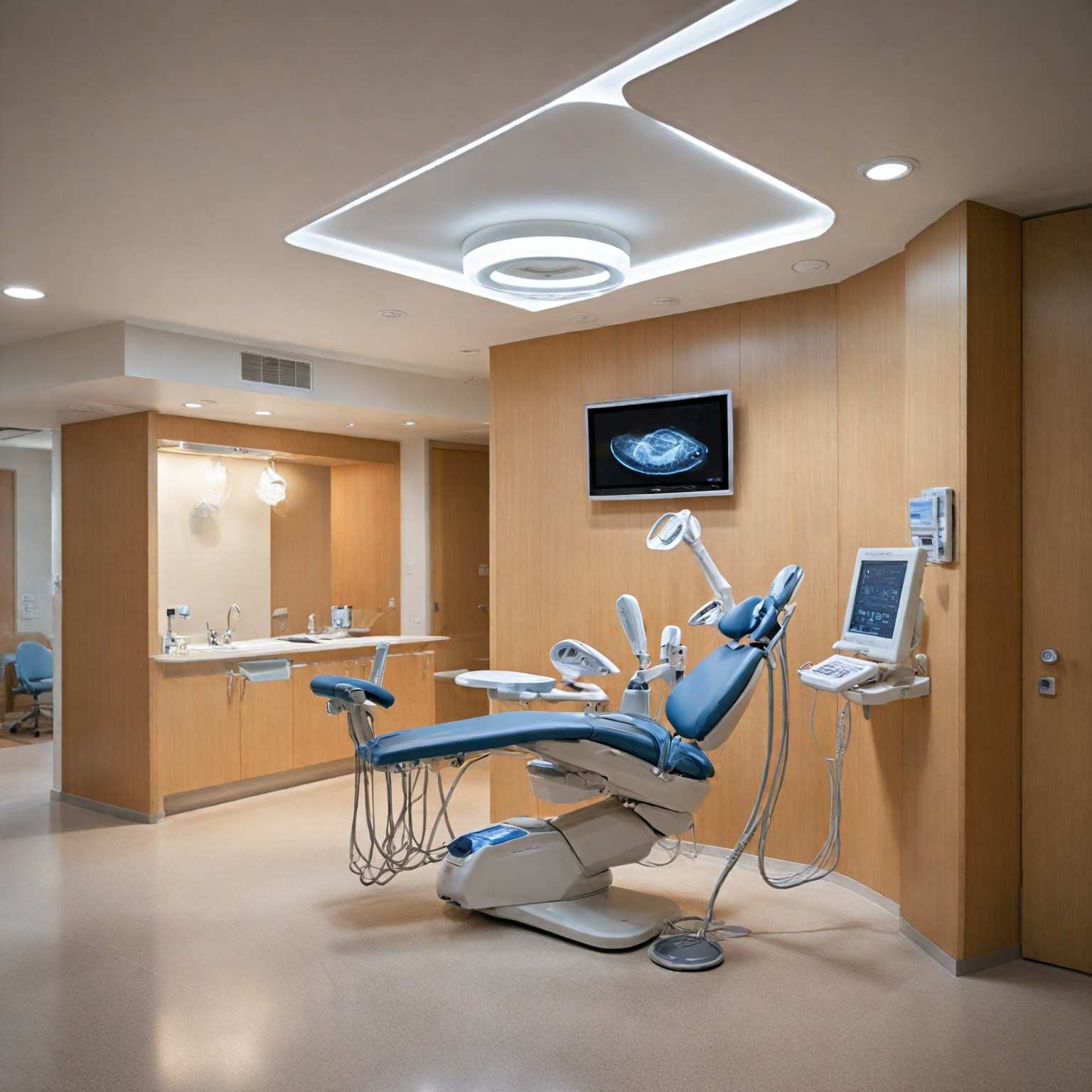
The program integrates advanced digital technologies like intraoral scanners, AI, and 3D printing to improve diagnostics and treatment efficiency. These innovations require providers to adapt to new workflows but may pose financial challenges. Dental coverage is often bundled with medical benefits under plans like Advantage Plus, which also include vision and hearing services. While highly rated, these plans involve varying cost-sharing, prior authorizations, and network restrictions.
Despite strengths, challenges include technology costs, directory update issues, and patient confusion about coverage and expenses. Kaiser aims to expand benefits and leverage technology to enhance care quality and access.
Historical and Technological Evolution
Kaiser’s dental benefits have expanded from limited services with strict restrictions to broader coverage and larger provider networks updated regularly. Dentistry has evolved with the adoption of digital tools that improve efficiency and outcomes. By 2025, technologies such as AI, CAD/CAM, and digital workflows are standard, requiring providers within Kaiser’s network to modernize clinical practices.
Dental Services and Coverage Details
Kaiser’s 2025 dental plans cover preventive care including two cleanings and exams per year, X-rays, fluoride treatments, and restorative procedures like fillings and crowns. Services usually require visits to contracted providers and prior authorization for some treatments. Plans have annual maximum limits and may allow care from any licensed provider nationwide, often at higher costs.
Dental benefits are included in Medicare Advantage plans, requiring enrollees to pay Medicare Part B premiums plus possible plan premiums. The Advantage Plus package adds dental, vision, and hearing benefits. Coverage specifics, cost-sharing, and maximum limits vary by plan and region. Emergency out-of-network care may be covered, but routine out-of-network services generally cost more.
Provider Network and Geographic Access
Kaiser’s DeltaCare® USA dental network covers Northern and Southern California with regularly updated provider directories. Members access care at contracted offices for negotiated rates, while out-of-network services typically incur higher out-of-pocket costs. Flexible options permit nationwide care from licensed dentists but usually with reduced coverage. The network aims to provide convenient access to preventive and specialized dental care.
Clinical Innovations and Treatment Protocols
Kaiser incorporates chairside digital tools, intraoral scanners, CBCT, AI, and CAD/CAM technologies to improve treatment accuracy and speed. These digital workflows reduce paperwork, enhance data integration, and promote coordinated care among dental specialists. This approach supports efficient, patient-centered treatment aligned with contemporary dental standards.
Preventive Care and Patient Education
Preventive dentistry is emphasized with minimal out-of-pocket costs for cleanings, exams, and related services to encourage early intervention. Kaiser offers patient education on oral hygiene and holistic health topics like nutrition and stress management, developed by multidisciplinary clinical teams. These resources support healthier lifestyles alongside regular dental care.
Integration of Dental and Medical Benefits
Kaiser’s Medicare Advantage plans integrate dental, vision, and hearing benefits with medical coverage to provide comprehensive care. Dental services require visits to contracted providers and prior authorization for certain treatments. This integration reflects recognition of oral health’s role in overall wellness, simplifying coverage under one plan while members continue to pay Medicare Part B premiums.
Patient Support and Experience
The program promotes patient-centered care with requirements for prior authorization, documentation, and visits to contracted providers. Patients may see any licensed dentist without referrals and access virtual consultations for urgent issues. Educational materials are vetted by clinical experts, and customer service assists with benefits navigation. Dental assistants adapt to new technologies to maintain care quality and safety.
Comparison with Other Providers
Kaiser’s dental plans offer common preventive services but require prior authorizations and have cost-sharing rules differing from some competitors. Regional provider directories reflect a focus on accessible networks, contrasting with broader or less segmented networks elsewhere. Out-of-network services generally involve higher costs, and annual benefit limits are standard across providers, necessitating careful review of plan details.
Organizational Structure and Management
Kaiser operates a coordinated care model requiring use of contracted dental offices and referrals through primary dental providers to manage services efficiently and ensure benefit compliance.
Challenges and Criticisms
Challenges include financial burdens for providers adopting costly digital technologies and risks of IT issues affecting clinical operations. Patients often face complexity in understanding coverage, cost-sharing, and reimbursement policies, leading to confusion and dissatisfaction. Provider directory inconsistencies can hinder access to in-network care. These issues highlight needs for improved technology integration, clearer communication, and better network management.
Future Outlook
Kaiser plans to expand comprehensive benefits integrating dental, hearing, and vision services for seniors, following market trends toward affordable preventive care and extensive networks. Continued adoption of digital tools like AI and 3D printing will enhance clinical efficiency and patient experience. Providers must adapt to evolving workflows to maintain quality care within network-based plans emphasizing coordinated management.
The content is provided by Blake Sterling, Direct Bulletins