Highlights
- Discover how top airlines are redefining luxury with innovative first-class experiences in 2025.
- Explore practical booking strategies that maximize flexibility and cost-effectiveness for premium travel.
Summary
Understanding First Class Flight Options in 2025: A Practical Guide offers a comprehensive overview of the evolving landscape of first-class air travel in 2025, highlighting the interplay between luxury, technology, and sustainability. Despite a growing industry focus on expanding business class, a select group of global airlines continue to invest heavily in redefining first-class experiences through innovative cabin designs, personalized services, and integrated ground-to-air amenities, catering to discerning premium travelers. This guide examines the leading carriers, key cabin features, and emerging trends that shape the ultimate in-flight luxury.
Notable airlines such as Singapore Airlines, Emirates, and Etihad maintain their reputations as pioneers in first-class luxury, introducing fully enclosed suites, gourmet dining curated by renowned chefs, and advanced entertainment systems with 4K displays and immersive technologies. At the same time, 2025 sees increased incorporation of digital innovations including artificial intelligence, biometrics, and virtual reality, enhancing both customer experience and operational efficiency while addressing rising demands for seamless, personalized journeys. These advancements are closely aligned with the aviation industry’s commitment to sustainability, with first-class cabins integrating eco-friendly materials and designs aimed at reducing carbon emissions without compromising comfort.
Booking first-class flights in 2025 involves a blend of traditional methods—such as mileage redemptions and direct purchases—and emerging strategies like AI-driven bidding systems and unified loyalty platforms, offering travelers more flexibility and cost-effectiveness in accessing premium cabins. However, operational challenges persist, particularly regarding data privacy, supply chain constraints, and balancing luxury with environmental responsibility, highlighting the complexity of delivering a high-end yet sustainable travel experience.
Ultimately, first-class air travel in 2025 reflects a dynamic fusion of exclusivity, cutting-edge technology, and ecological awareness, setting new standards for luxury aviation while responding to evolving passenger expectations and global sustainability goals. This guide serves as an essential resource for understanding the practical options and future directions in first-class flying today.
Overview of First Class Flight Options in 2025
The year 2025 marks a significant evolution in first-class air travel, characterized not merely by enhanced physical comforts but by the unique ways airlines define luxury and personalized experiences for premium travelers. Despite a general industry trend towards expanding business class offerings, a select group of global carriers continue to invest heavily in all-new first-class products, introducing innovative cabin designs and superior service standards that cater to discerning passengers.
Global aviation rating agency Skytrax highlights the comprehensive nature of first-class experiences, evaluating airlines not only on their onboard amenities but also on ground services such as exclusive check-in queues and premium lounges. In 2025, the top-ranked airlines distinguish themselves by delivering seamless integration between these elements, elevating the overall journey beyond the flight itself.
Among these leaders, Singapore Airlines stands out, having pioneered the concept of Suites in 2007, which redefined traditional first-class service with private, luxurious spaces onboard its Airbus A380 and Boeing 777-300ER aircraft. The airline’s commitment to excellence was recognized at the 2025 SKYTRAX World Airline Awards, where it won World’s Best First Class Airline, along with accolades for Best First Class Onboard Catering and Best First Class Airline Seat for its A380 Suites.
Similarly, Emirates has reinforced its position in first-class luxury by continuously refining its service offerings and expanding its global network in 2025. Its emphasis on innovation extends beyond physical amenities to include advanced customer service strategies designed to meet the evolving expectations of luxury travelers.
Beyond product offerings, 2025 is also a year of technological experimentation aimed at enhancing customer experience and operational efficiency. Innovations such as biometrics, artificial intelligence, robotics, and immersive digital experiences are increasingly integrated into the first-class journey, promising a more connected, sustainable, and personalized travel environment. Airlines and airports alike are leveraging these technologies to meet the rising demand for smart, eco-conscious travel options aligned with the industry’s goal of net-zero carbon emissions by 2050.
Major Airlines Offering First Class in 2025
In 2025, the first-class cabin experience is dominated by a select group of global airlines known for their exceptional service, innovative cabin design, and luxurious amenities. Airlines from Asia and the Middle East particularly stand out, emphasizing privacy, attention to detail, and personalized service, while European carriers focus on refined functionality and elegance.
Asia
Singapore Airlines continues to set the benchmark for first-class travel with its offerings on the Airbus A380 and Boeing 777-300ER aircraft. The airline’s first-class cabins replicate the ambiance of a luxury hotel in the sky, combining spaciousness with impeccable service, earning it the “Best First-Class Airline Seat in 2025” award. Cathay Pacific is also highly regarded for its understated luxury, featuring industry-leading seat width of 36 inches in a 1-1-1 configuration on its Boeing 777. Their “book-the-cook” service includes gourmet options like lobster Thermidor paired with exclusive Cristal champagne, epitomizing elegant yet discreet indulgence. Japan Airlines recently introduced a spectacular new first-class cabin on its Airbus A350-1000s, setting a new standard with state-of-the-art design and comfort.
Middle East
Emirates maintains its position as a leader in first-class luxury, recognized at the 2025 Global Travel Awards for Best First Class, alongside Best International Airline and Best Airline Lounge titles. The airline’s First-Class service combines cutting-edge technology with continuous cabin updates, including plans to expand its fleet with new Airbus A350-1000s while retaining its iconic A380s. Etihad Airways also features prominently, offering a tranquil and luxurious atmosphere through tasteful design and discreet, personal service. Saudia exemplifies Arabian luxury and restraint with first-class cabins available on Boeing 777-300ERs for routes such as Riyadh to London and Jeddah to Kuala Lumpur.
Europe and Other Regions
European airlines such as Lufthansa and Air France deliver refined first-class experiences that emphasize sophistication and functional luxury. Lufthansa’s first class is notable for its private First Class Terminal in Frankfurt and elegant amenities, while Air France offers an intimate French atmosphere with only four suites per cabin and exclusive ground services. Additionally, smaller carriers like Oman Air and Kuwait Airways provide excellent value and comfort in their first-class offerings, often appreciated by well-informed travelers.
First Class Cabin Types and Seat Designs
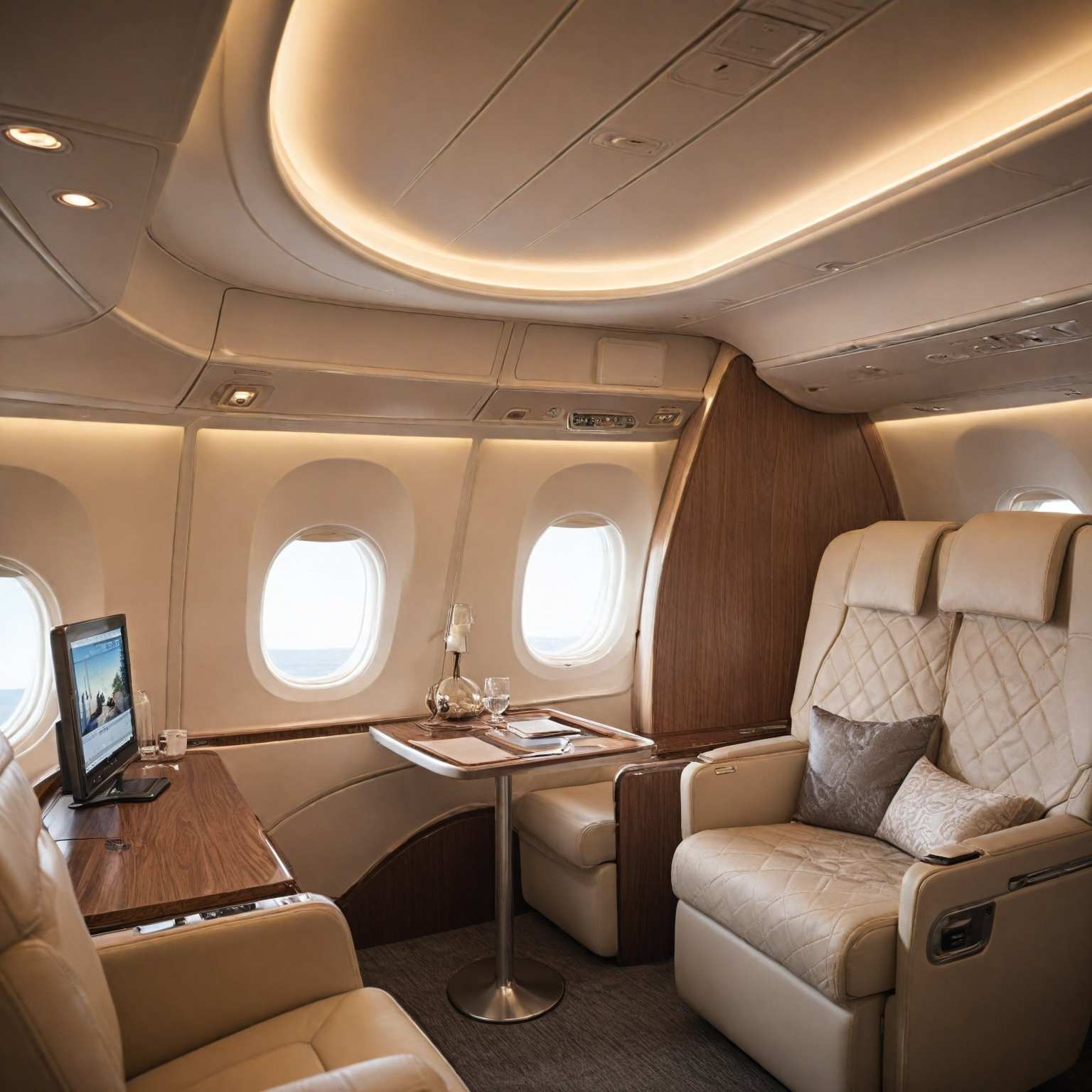
First Class cabins in 2025 are characterized by a blend of luxurious materials, cutting-edge technology, and innovative design concepts aimed at maximizing passenger comfort and privacy. Airlines are moving beyond traditional seat layouts to offer fully enclosed suites with enhanced space and personalized amenities. For example, Japan Airlines’ First Class cabin features six suites arranged in a 1-1-1 configuration, each with 17-inch 4K monitors, wireless audio systems, and minimalist Japanese interiors that emphasize both elegance and functionality.
A notable design trend includes the replacement of conventional suite doors with floor-to-ceiling curtains, which create an intimate, boutique-hotel atmosphere rather than the feel of a typical aircraft cabin. This approach has been adopted to provide privacy while maintaining a chic, inviting environment reminiscent of upscale Parisian bedrooms. Suites typically span nearly 3.5 square meters, providing approximately 25% more space than previous configurations, and are equipped with dual 32-inch 4K screens, noise-canceling headphones, Bluetooth connectivity, wireless charging, and advanced Wi-Fi connectivity slated for fleet-wide rollout by mid-2025.
The resurgence of first class as a symbol of ultimate luxury has brought back over-the-top amenities such as in-flight showers, bidet toilets, and gourmet dining options including fresh omakase and premium wagyu filets, reflecting a renewed emphasis on fine dining and exceptional service. Airlines continue to elevate premium cabin experiences by enhancing amenity kits, cutlery, and other finer details that contribute to a refined atmosphere.
From a design and sustainability perspective, future first class seats are expected to integrate ergonomic principles and environmentally conscious materials. Innovations include the use of high-resilience foams, premium textiles, and lightweight composites that improve passenger comfort while reducing overall aircraft weight. Collaborative efforts between design firms and engineering experts, such as JPA Design’s AIRTEK seat developed with Williams Advanced Engineering, leverage motorsport technology to create lighter seats that lower fuel consumption and carbon emissions. This seat design updates the classic reverse herringbone layout to optimize both comfort and sustainability across widebody and narrowbody aircraft alike.
In-Flight Amenities and Services
First-class cabins in 2025 have evolved to offer an unparalleled level of luxury and personalization, blending advanced technology with bespoke services to create a seamless and immersive travel experience. Airlines are emphasizing personalized services such as pre-flight consultations with chefs, customized in-flight entertainment options, and highly attentive cabin crew tailored to individual preferences. The focus on exclusivity extends beyond the cabin to include private boarding facilities, chauffeur services, and access to premium airport lounges, enhancing the entire journey from start to finish.
The physical cabin environment features fully enclosed privacy suites with floor-to-ceiling curtains or sliding doors, creating a boutique-hotel ambiance rather than a traditional aircraft cabin. These suites often span nearly 3.5 square meters, providing about 25% more space than previous designs, and include amenities such as double-wide beds, standalone leather armchairs, and extensive storage compartments. However, the high degree of privacy in some configurations can make in-suite conversation difficult for passengers traveling together.
Cutting-edge technology plays a major role in differentiating first-class offerings. Passengers enjoy advanced entertainment systems with large 4K screens, noise-canceling headphones, Bluetooth connectivity, and wireless charging. Airlines are increasingly integrating immersive experiences like virtual reality (VR), extended reality (XR), and augmented reality (AR) into their inflight entertainment, with innovations such as Lufthansa’s XR Inflight Experience setting new industry standards. High-speed Wi-Fi connectivity is also becoming widespread, ensuring passengers remain connected throughout their flight.
Dining experiences in first class have been elevated through partnerships with top chefs who curate gourmet menus often featuring local specialties and premium ingredients such as wagyu beef and fresh omakase. Many airlines offer customizable meal options via “Book the Cook” services, complemented by vintage wines and bespoke amenity kits from luxury brands like Christofle and Lalique. Additional luxurious touches include onboard bars for cocktail service at cruising altitude and access to onboard showers and bidet toilets, underscoring the transformation of first-class cabins into true airborne sanctuaries.
Booking First Class Flights in 2025
Booking First Class flights in 2025 involves a combination of traditional and emerging strategies designed to maximize comfort while optimizing costs. Travelers looking to secure premium cabins have several options, including direct purchases, mileage upgrades, and innovative bidding systems.
Frequent flyer miles remain a key tool for upgrading to First Class. By redeeming accumulated miles, passengers can elevate their travel experience from economy or business class to First Class, often at a lower cost than purchasing a First Class ticket outright. Many major credit card rewards programs, such as Amex Membership Rewards and Capital One Miles, allow points transfer to various airline partners, increasing the flexibility and value of miles when booking First Class flights.
Besides mileage redemptions, data-driven strategies have become increasingly relevant. Airlines are experimenting with AI-based bidding systems that allow travelers to place bids for upgrades to premium cabins after purchasing lower-class tickets. For example, a passenger on a Chicago to Detroit flight was able to secure a First Class upgrade for just $26.77 shortly after buying a Main Cabin ticket—a cost significantly lower than the full fare. This trend reflects a shift in airline revenue management, prioritizing immediate incremental revenue through affordable upgrades rather than relying solely on long-term loyalty program redemptions.
Loyalty programs and unified rewards systems also facilitate the booking process. Programs like Expedia One Key consolidate points earned across multiple platforms—including flights, hotels, and car rentals—enabling travelers to accumulate and redeem rewards more efficiently, which can contribute to savings when booking First Class tickets.
Timing and route selection remain important factors as well. Analytical data suggest that booking flights departing on Monday mornings in 2025 can offer strategic advantages for securing premium seats, although this varies by airline and route. Additionally, airlines are enhancing the overall experience through ground perks such as priority check-ins, dedicated lounges, and streamlined boarding processes, which are often bundled with First Class fares.
As digital tools and AI continue to reshape the travel industry, booking First Class flights in 2025 will increasingly rely on a mix of flexible rewards, dynamic pricing, and personalized offers tailored to the traveler’s profile and preferences. This convergence of technology and loyalty programs marks a new era in accessing the luxury and comfort associated with First Class air travel.
Pricing and Availability
First-class flight pricing in 2025 varies significantly depending on the airline, route, and timing, reflecting both the base fare and the added amenities that come with premium travel. For instance, low-cost carriers such as Hawaiian Airlines offer business class upgrades at $493.18, which is approximately 4.17 times the cost of their average economy ticket priced at $155.73. However, Hawaiian’s highest upgrade cost on domestic routes can reach $1,389.91, representing an 8.46 times increase over economy fares, justified by longer flight durations and enhanced service quality.
Frequent flyer programs play an important role in pricing and availability. Virgin Atlantic’s Flying Club, which partners with multiple transfer programs including Amex, Chase, and Marriott Bonvoy, allows travelers to book one-way first-class tickets for as low as 57,500 points from Hawaii, 72,500 from the West Coast, and 85,000 points from the East Coast. This points-based approach offers flexibility and can reduce the cash outlay for premium seating.
American Airlines provides competitive mileage options as well; for example, a lie-flat first-class flight from Miami to Charlotte in December 2025 can be booked for 20,500 AAdvantage miles, a rate sometimes comparable to recliner-seat options on select days. Additionally, searching across over 900 travel sites may uncover further discounted first-class ticket deals.
The timing of booking and travel also influences availability and cost. Flights departing on Fridays and Sundays typically feature cheaper first-class seats, as business travelers predominantly avoid weekend travel. Moreover, targeting Monday morning departures can yield advantageous data-driven insights for price optimization.
Operational Challenges in Integrating Advanced Features
The integration of advanced features such as AI-powered solutions and sustainable cabin designs in first-class air travel faces several operational challenges that must be addressed to realize their full potential. One of the primary difficulties lies in managing vast amounts of sensitive data securely and accurately. Airlines handle passenger information, flight plans, and maintenance records, all of which require stringent data privacy measures to comply with regulatory standards and maintain customer trust. Despite high overall trust in airlines to manage data responsibly, concerns about privacy and compliance remain significant barriers to AI adoption, with 54% of industry stakeholders citing these as major worries.
Another operational hurdle stems from the complex logistics involved in managing large fleets across multiple locations. Collecting and storing reliable data for AI systems can be problematic, complicating efforts to optimize crew scheduling, turnaround management, and proactive delay mitigation. Furthermore, labor shortages and global supply chain disruptions continue to strain airline operations, limiting fleet capacity and delaying maintenance—issues that advanced technologies must overcome to enhance operational efficiency effectively.
Sustainability adds an additional layer of complexity in integrating advanced features into first-class cabins and overall airline operations. Airlines are increasingly expected to incorporate environmentally responsible practices, including the use of ethically sourced materials and lightweight designs to reduce carbon emissions. However, balancing sustainability with comfort, privacy, and luxury—core attributes of first-class travel—requires innovation and collaboration across suppliers and manufacturers. These operational challenges emphasize the need for a holistic approach, combining technological advancements with strategic workflow redesigns, to meet the evolving expectations of passengers and industry stakeholders alike.
Technological Innovations Shaping First Class in 2025
The first class flight experience in 2025 is poised to be significantly influenced by advancements in technology, driven by a strong focus on customer personalization, sustainability, and digital innovation. Airlines are experimenting with new materials and design technologies to enhance comfort and reduce environmental impact, while artificial intelligence (AI) is transforming passenger interactions and operational efficiency.
One major area of innovation lies in business and first class seating. New seat designs incorporate lightweight, durable materials such as carbon fiber composites and high-resilience foams, which not only improve ergonomic support and passenger comfort but also contribute to lower fuel consumption and carbon emissions. For instance, updated versions of the popular reverse herringbone seat layout now integrate advanced motorsport technology and carbon fiber to reduce weight, with adaptations for both widebody and narrowbody aircraft to meet increasing demand for lie-flat seats on long-haul routes. These innovations align with the aviation industry’s broader commitment to sustainability and net-zero emissions by 2050.
Beyond physical cabin enhancements, digital technologies are redefining the overall first class experience. AI-powered services, such as Cebu Pacific’s 24/7 generative AI digital assistant and Virgin Australia’s conversational AI in contact centers, exemplify how airlines are streamlining customer interactions—from flight bookings and modifications to travel document guidance—thereby reducing wait times and passenger frustration. However, the deployment of AI systems comes with challenges, including data privacy and secure handling of sensitive information like passenger data and maintenance records.
Furthermore, passengers increasingly expect seamless, digital-first journeys characterized by simplicity, sustainability, and trust. According to SITA’s 2025 Passenger IT Insights, the next frontier in air travel is achieving digital harmony by integrating passenger, airline, and airport data to enable frictionless travel experiences, comparable to the ease of a smartphone swipe. This trend towards digitalization is particularly relevant for premium travelers who demand elevated service levels and convenience.
Collectively, these technological advancements in seating, AI, and digital integration are shaping a first class environment that is more personalized, sustainable, and connected—setting new standards for luxury air travel in 2025 and beyond.
Sustainability in First Class Travel
Sustainability has become a central focus in the evolution of first class travel, with airlines and manufacturers increasingly integrating environmentally conscious practices into their premium offerings. The aviation industry aims to achieve net zero CO₂ emissions by 2050 through a combination of strategic roadmaps, sustainable aviation fuels (SAF), and regulatory frameworks such as the Carbon Offsetting and Reduction Scheme for International Aviation (CORSIA), which encourages airlines to adopt greener operations.
In the design of first class cabins, sustainability is no longer an afterthought but a key consideration alongside comfort and luxury. Materials used in business and first class seats now often include ethically sourced trims and finishes, as well as lightweight composites and high-resilience foams that not only enhance passenger comfort but also contribute to reducing overall aircraft weight, thereby lowering fuel consumption and emissions. For example, innovative seat designs like JPA’s AIRTEK, developed with expertise from Williams Advanced Engineering, emphasize light weighting and durability to improve environmental credentials without compromising luxury.
Moreover, the broader sustainability effort extends beyond just seat design. Airlines are optimizing flight operations through more efficient routing, altitude, and speed management, which together with advancements in aircraft technology such as aerodynamic improvements and advanced engines, contribute to fuel economy gains critical to emission reduction. Despite the premium amenities offered in first class—such as private suites and onboard bars—airlines like Emirates are balancing luxury with flexibility to respond to consumer trends while supporting diversified revenue streams that can fund sustainable innovations.
Ultimately, achieving meaningful sustainability in first class travel requires coordinated action among airlines, suppliers, and regulatory bodies, highlighting the importance of a systemic approach that combines technological innovation, market-based incentives, and responsible material sourcing to meet evolving passenger expectations and environmental commitments.
Comparative Analysis of Travel Classes
Travel classes on airlines are generally divided into economy, premium economy, business, and first class, each offering varying levels of comfort, service, and price. Understanding the distinctions between these classes is essential for travelers aiming to balance cost with their desired travel experience.
Economy and Premium Economy
Economy class is the most basic and widely available travel class, offering standard seating and amenities. Premium economy has emerged as a growing segment that bridges the gap between economy and business class. It provides enhanced comfort through the use of advanced materials such as improved foams, durable textiles, and lightweight metals. These innovations enable better legroom, increased recline options, and overall improved durability of seats, thereby delivering a more comfortable experience than standard economy at a competitive price point.
Business Class
Business class typically offers upgraded seating with greater space, enhanced dining options, and priority services such as boarding and baggage handling. It serves as the primary premium class for many airlines, especially on international routes, focusing on providing a balance between luxury and cost efficiency. Many airlines have shifted their focus toward enhancing business class offerings, sometimes at the expense of first class services.
First Class
First class represents the highest tier of airline travel, characterized by exclusive services and the most luxurious seating. On long-haul international flights, first class can justify its premium price through significantly more comfortable seating arrangements, privacy, and personalized services such as premium dining and dedicated lounges. However, first class on shorter or domestic routes may not always provide the same level of luxury; some commuter or regional flights label a premium cabin as “first class” despite more modest amenities, often including benefits like checked bags and priority boarding rather than enhanced seating.
The cost difference is substantial, with first class tickets generally costing around three times more than economy fares on U.S. flights, leading to sticker shock for many travelers. Prospective first class passengers are advised to consider what specific amenities and services are included for their particular flight, as these can vary widely by route and aircraft type. Checking the aircraft details via the airline’s reservation system or tools like Google Flights can help evaluate the value of a first class upgrade.
Practical Tips for Travelers
Embarking on a first-class journey in 2025 is increasingly accessible, especially with the right strategies to make the booking process smooth and cost-effective. Travelers are encouraged to carefully select their seats to ensure maximum comfort and suitability for their specific needs, as seat configurations and space vary significantly across airlines and aircraft. Additionally, pairing premium flights with luxury hotels and seamless airport transfers can enhance the overall travel experience, particularly for complex itineraries.
To gain more value, frequent flyers and premium travelers may benefit from credit cards such as the Platinum Card® from American Express, which provides access to over 1,200 airport lounges worldwide, even without flying in Business or First Class. Monitoring flights closely for schedule changes is also essential to quickly rebook or adjust plans, ensuring a stress-free journey.
In-flight, passengers can look forward to personalized services including pre-flight consultations with chefs, bespoke cabin crew attention, and customized entertainment options tailored to individual preferences. Exclusive amenities such as private boarding, chauffeur services, and access to elite airport lounges further enhance the luxury experience. Airlines are also integrating advanced technologies in first-class cabins, featuring virtual reality entertainment, noise-canceling headphones, and high-speed Wi-Fi, to provide a seamless and immersive flight.
Finally, travelers should be aware of the evolving priorities in air travel, including the growing importance of sustainability and data privacy. While 54% of travelers express concerns about data privacy, 86% still trust airlines and airports to handle their information responsibly. The adoption of Digital Travel Credentials (DTCs) reflects a move toward more secure and efficient travel documentation. Being informed about these trends can help first-class passengers make better decisions aligned with their values and expectations.
Future Trends and Outlook
The landscape of first-class air travel in 2025 is being reshaped by technological advancements, heightened sustainability efforts, and evolving passenger expectations, creating a future that is smarter, more luxurious, and environmentally conscious. Airlines are integrating state-of-the-art technologies such as virtual reality entertainment systems, noise-canceling headphones, and high-speed Wi-Fi connectivity into their premium cabins, enhancing the immersive and seamless journey for first-class passengers. Personalized services continue to expand, offering bespoke experiences like pre-flight consultations with chefs and customized in-flight entertainment tailored to individual preferences.
Sustainability has become a central focus for the aviation industry, with a strong commitment to reaching net zero carbon emissions by 2050. This commitment encompasses not only CO2 reduction but also addresses non-CO2 emissions, noise pollution, local emissions near airports, cabin waste management, and combating illegal wildlife trade. Achieving these goals requires collaborative efforts involving airlines, governments, and other stakeholders. The push towards sustainable aviation fuels (SAF), carbon offsetting schemes such as CORSIA, and broader emission reduction roadmaps demonstrate the industry’s multifaceted approach to environmental responsibility.
Passenger expectations are also evolving rapidly, driven by demands for both sustainability and personalization. Firms like Pearson Lloyd emphasize the importance of future-ready cabin designs that reflect these shifting preferences, blending eco-consciousness with cutting-edge technology and comfort. The competitive drive among airlines to offer unmatched luxury is evident in premium cabin offerings from carriers like Etihad, Emirates, and Singapore Airlines, which feature apartment-style accommodations, spacious interiors, and high-end amenities that rival luxury apartments on the ground.
Additionally, the increasing global air passenger traffic, fueled by expanding middle classes and greater connectivity in regions such as Asia-Pacific, the Middle East, and Latin America, is spurring airlines to expand their fleets and innovate cabin interiors to meet diverse passenger needs. As a result, first-class air travel in 2025 represents a fusion of extravagant comfort, personalized experiences, and responsible sustainability initiatives, setting a new standard for the future of aviation.
The content is provided by Jordan Fields, Direct Bulletins