Highlights
- Femur rodding surgery significantly improves recovery and mobility for complex femoral fractures.
- Innovative techniques and implants enhance safety and effectiveness, optimizing patient outcomes.
Summary
Femur rodding surgery is a key orthopedic procedure that stabilizes femur fractures by inserting an intramedullary metal rod into the bone. This method not only aims to restore alignment but also facilitates faster healing and rehabilitation, particularly beneficial for patients with high-energy trauma or bone fragility disorders like osteogenesis imperfecta. The operation employs a metal rod secured with screws to support the bone structure during healing, contributing to better patient outcomes.
Anatomy and Function of the Femur
The femur, or thigh bone, is crucial for supporting body weight during various activities. Its structure includes both a robust shaft and ends that connect at the hip and knee joints, contributing to mobility and stability. Fractures in the femur require careful stabilization due to the bone’s load-bearing nature, underscoring the importance of effective surgical interventions like rodding.
Overview of Femur Rodding Surgery
Femur rodding stabilizes severe femoral fractures by placing a metal rod within the central canal of the bone. This procedure is designed to align and secure the fractured segments while allowing weight-bearing activities and reducing healing time. While generally successful, patients should discuss potential complications, such as persistent pain or the possibility of rod removal, with their orthopedic surgeon before proceeding. The technique is also applicable to other long bone surgeries, showcasing its versatility.
Clinical Indications
Femur rodding surgery is primarily indicated for severe femoral shaft fractures, especially those resulting from high-impact trauma. The procedure addresses both acute fractures and serves a prophylactic role for patients at risk of future fractures, such as those with osteoporosis or after the removal of external devices. Individual patient factors, including age and bone quality, significantly influence the suitability for this surgical approach.
Types of Intramedullary Rods
Intramedullary rods are typically made from titanium or stainless steel and vary in design based on fracture type and patient needs. Solid rods provide robust support, while others may incorporate slots for flexibility during healing, impacting overall strength. The choice of rod intricately aligns with the specific fracture’s characteristics, ensuring optimized mechanical performance and healing outcomes.
Surgical Procedure
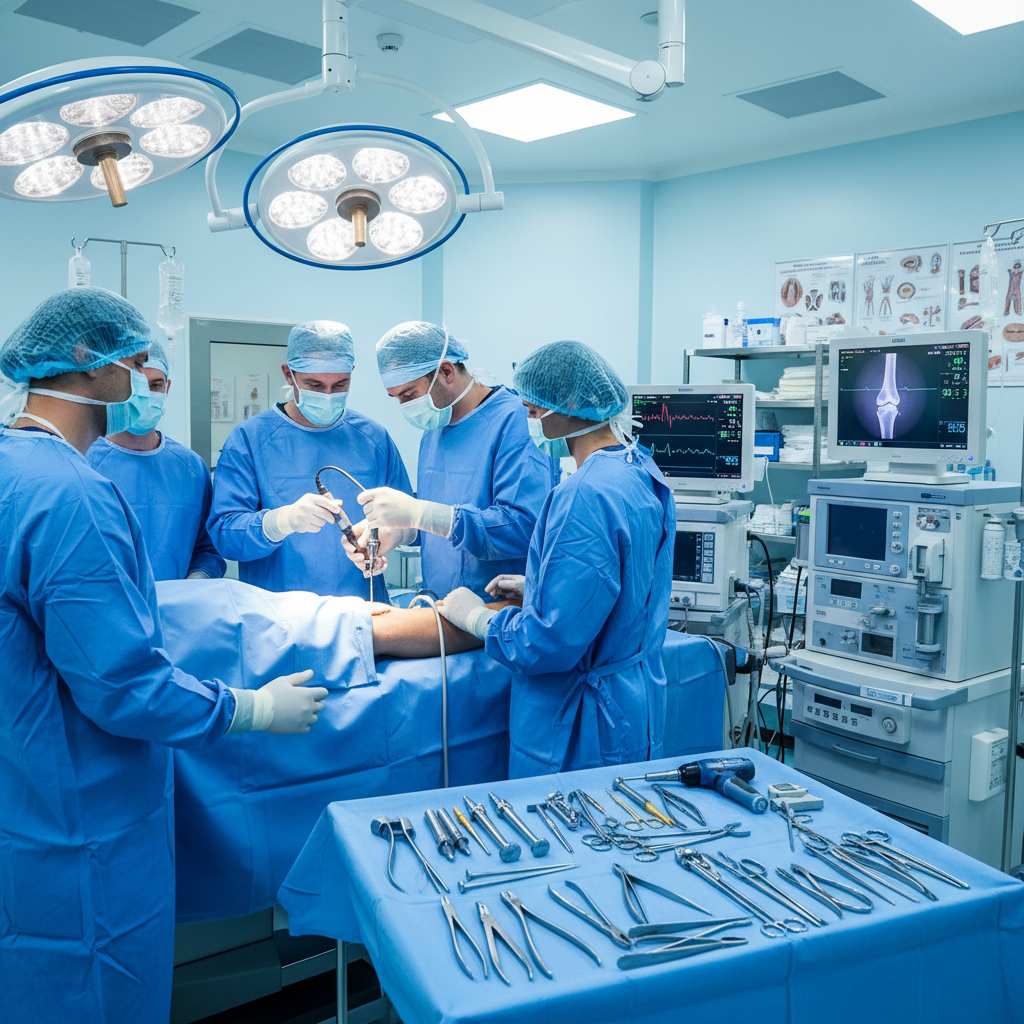
Femur rodding surgery is performed under general anesthesia, starting with patient preparation and the necessary surgical incision. The surgeon will align displaced fractures through open reduction and insert an intramedullary rod to stabilize the femur. This procedure may also involve osteotomy for bone deformities, emphasizing the importance of precise surgical technique for optimal outcomes. Post-surgery, support mechanisms like casts help facilitate healing while minimizing complications during recovery.
Postoperative Rehabilitation and Pain Management
Rehabilitation following femur rodding is essential for restoring function and mobility to the affected leg. A tailored physical therapy program enhances strength and range of motion, minimizing risks of chronic pain or mobility issues. Pain management is also crucial, with medications and physical support aiding comfort during recovery. Regular monitoring ensures healing is on track, further encouraging a swift return to activities.
Benefits of Femur Rodding Surgery
The primary benefits of femur rodding surgery include improved stabilization of fractures and earlier initiation of weight-bearing activities. This early support encourages rapid recovery while preserving surrounding tissues crucial for healing. Additionally, intramedullary rods provide long-term structural support, reducing complication risks like refracture and promoting better functional outcomes compared to other treatments.
Risks and Complications
Despite its advantages, femur rodding surgery has potential risks, including complications related to anesthesia, pain at the insertion site, and healing issues like nonunion. The presence of underlying conditions such as osteoporosis can further increase risk factors. Patients are encouraged to discuss these concerns with their healthcare providers to assess individual risk and benefit scenarios adequately.
Outcomes and Success Rates
Overall, femur rodding is a reliable treatment for severe fractures, often leading to successful long-term outcomes. Reamed nailing techniques improve fixation and healing speed, though recovery experiences can vary based on patient-specific factors. Regular rehabilitation and monitoring are vital for optimizing recovery timelines and addressing any persistent symptoms that may arise post-surgery.
Alternatives to Femur Rodding Surgery
While femur rodding is a prevalent choice, alternatives exist, such as internal fixation methods using metal plates and screws or external fixation techniques. Each method has unique applications that may better suit certain fracture types or patient needs, particularly in children or those requiring temporary stabilization. Consulting with an orthopedic surgeon can clarify which approach best aligns with the patient’s specific circumstances.
Future Directions and Innovations
Advancements in femur rodding techniques focus on improving safety and recovery times. Innovations such as reamed nailing and retrograde nailing enhance outcomes for complex injuries. Future developments aim to improve implant materials and explore minimally invasive methods, ultimately refining surgical precision and patient care approaches in femur treatment.
The content is provided by Harper Eastwood, Direct Bulletins