Highlights
- Evening cleaning boosts workplace hygiene, minimizing disruption and enhancing productivity after hours.
- Emphasizing safety and training can improve the well-being of evening cleaning staff significantly.
Summary
Evening cleaning involves maintaining cleanliness in commercial, government, healthcare, hospitality, and residential spaces after hours, which helps to enhance productivity without disrupting daily operations. This role requires physical stamina, attention to detail, and familiarity with various cleaning methods and products. Challenges in this field include fatigue, health risks from chemicals, and feelings of isolation during off-hours, leading to calls for improved safety measures and training standards.
Overview of Evening Cleaning
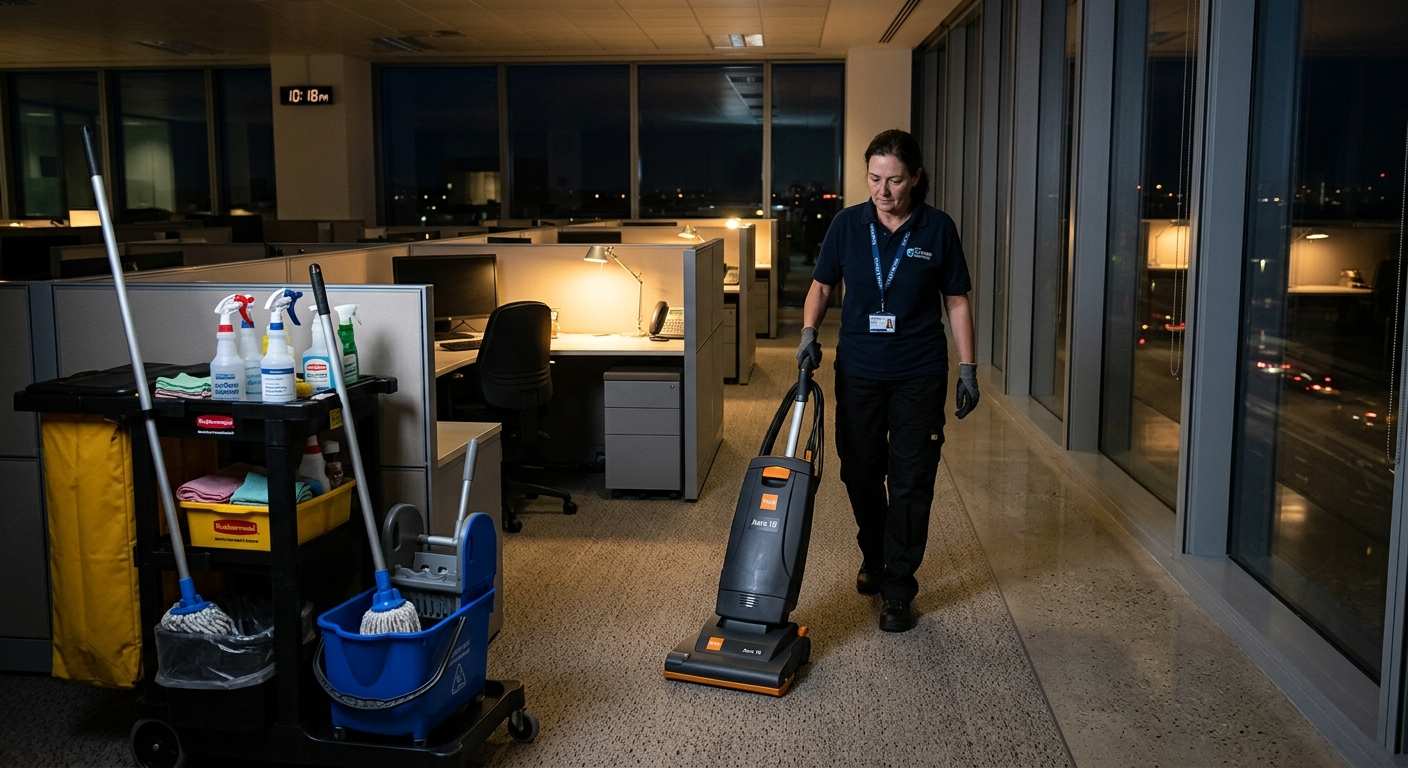
The evening cleaning role typically encompasses tasks like dusting, vacuuming, and restroom sanitation, conducted when facilities are unoccupied to avoid disturbing day-to-day activities. This schedule is especially beneficial in environments requiring low noise and minimal disruption. Flexibility in working hours allows cleaners to adapt to specific workplace demands, providing tailored services that align with their unique cleaning needs.
Roles and Responsibilities
Evening cleaning staff focus on maintaining hygiene and safety through various tasks such as trash removal, floor cleaning, and restocking supplies. Managers oversee cleaning schedules and ensure compliance with safety standards tailored to specific environments, like hospitals or luxury establishments. These roles demand efficiency and thoroughness, often adapted to meet diverse facility needs without disrupting regular operational hours, allowing for effective maintenance and cleanliness.
Work Environment and Conditions
Evening cleaning staff typically work fixed schedules, which can include physical tasks that lead to fatigue and health challenges due to irregular hours. While flexibility in shifts exists, many cleaners operate in isolation and face safety concerns that may contribute to stress. Adhering to safety regulations and improving workplace conditions is essential to mitigate risks associated with late-night operations, ensuring a safer working environment.
Skills, Qualifications, and Training
Successful evening cleaners must possess a high school diploma or equivalent, physical endurance, and a keen eye for detail. Effective training programs are crucial, covering safe cleaning practices and chemical handling, ensuring adherence to health standards and improving job performance. Continuous development opportunities can elevate a cleaner’s qualifications, which can lead to career advancement within the industry.
Tools, Equipment, and Technology
Efficient evening cleaning depends on selecting the appropriate tools, such as varying vacuum cleaners and floor buffers tailored for specific tasks. Advances in technology facilitate improved cleaning processes, allowing for thorough maintenance without disturbing site operations. Regular equipment maintenance and adherence to safety protocols can enhance effectiveness while minimizing hazards related to equipment use.
Challenges Faced by Evening Cleaning Staff
Challenges faced by evening cleaning staff often stem from their work hours, leading to fatigue, health risks, and social isolation. Protecting health amid exposure to chemicals and ensuring workplace safety are significant concerns. Emphasizing better scheduling practices could help mitigate these issues while promoting a healthier work-life balance.
Occupational Safety and Health Frameworks
Occupational safety frameworks are essential for safeguarding evening cleaning staff. Regulatory bodies like OSHA set standards to minimize risks while ensuring safe working conditions. Employers must conduct hazard assessments, provide appropriate protective gear, and foster a culture of safety through comprehensive training, contributing to a safer work environment.
Impact and Importance
The role of evening cleaning staff is crucial across various sectors, as they uphold cleanliness and safety standards that prevent workplace hazards. Their responsibilities extend beyond aesthetics, promoting a healthy environment that enhances overall operational efficiency and employee morale.
The content is provided by Blake Sterling, Direct Bulletins