Highlights
- Echocardiography is essential for diagnosing and managing various cardiovascular conditions.
- Technological advancements enhance its accuracy, making it vital for effective clinical decision-making.
Summary
Echocardiography offers a non-invasive method for evaluating cardiac health through real-time ultrasound images, crucial for diagnosing and managing various cardiovascular issues. Key techniques include transthoracic echocardiography (TTE), which is widely utilized for its accessibility, and transesophageal echocardiography (TEE), known for its detailed imaging but requiring careful patient evaluation due to its semi-invasive nature. Understanding these modalities helps in selecting appropriate options based on clinical needs and potential risks involved.
History
Echocardiography has roots dating back to the 18th century, evolving significantly after the 1954 use of ultrasound for cardiac monitoring. Its advancement includes transesophageal techniques that enhance diagnostic accuracy. Collaboration among healthcare providers is vital for effective interpretation, especially when discrepancies arise between clinical assessments and imaging results.
Overview
This imaging technique, particularly with TTE, allows for comprehensive evaluation of cardiac structure and function. TTE is preferred initially, being non-invasive and effective in assessing various cardiac parameters. When greater detail is required, TEE serves as a more specialized alternative, yielding higher-resolution images critical for certain diagnoses. Familiarity with these techniques aids in making informed clinical decisions tailored to patient requirements.
Types and Techniques
Echocardiography includes several main techniques: TTE, TEE, and stress echocardiograms, each addressing different clinical needs. TTE is the most common, utilizing an ultrasound probe placed on the chest to generate 2D images of the heart. TEE involves a specialized probe inserted into the esophagus for clearer imaging, essential for specific conditions where TTE may fall short. Stress echocardiograms assess cardiac response under physical or pharmacological stress, which is important for diagnosing ischemic heart conditions and determining functional capacity.
Advanced Techniques and Modalities
Innovations in echocardiography have led to advanced capabilities such as Doppler imaging for assessing blood flow dynamics and three-dimensional imaging for detailed cardiac visualization. These enhancements expand diagnostic applicability, particularly in complex cases requiring procedural guidance. Understanding these advanced modalities can deepen insights into cardiac conditions and inform intervention strategies effectively.
Clinical Application and Utilization
The selection of echocardiographic techniques is driven by clinical questions and patient-specific considerations. Routine physical assessments are fundamental, with echocardiography providing critical confirmations, especially in valvular heart disease. Coordination among healthcare providers enhances the effectiveness of echocardiographic evaluations across various clinical scenarios, ensuring accurate diagnoses and optimizing patient outcomes.
Procedure
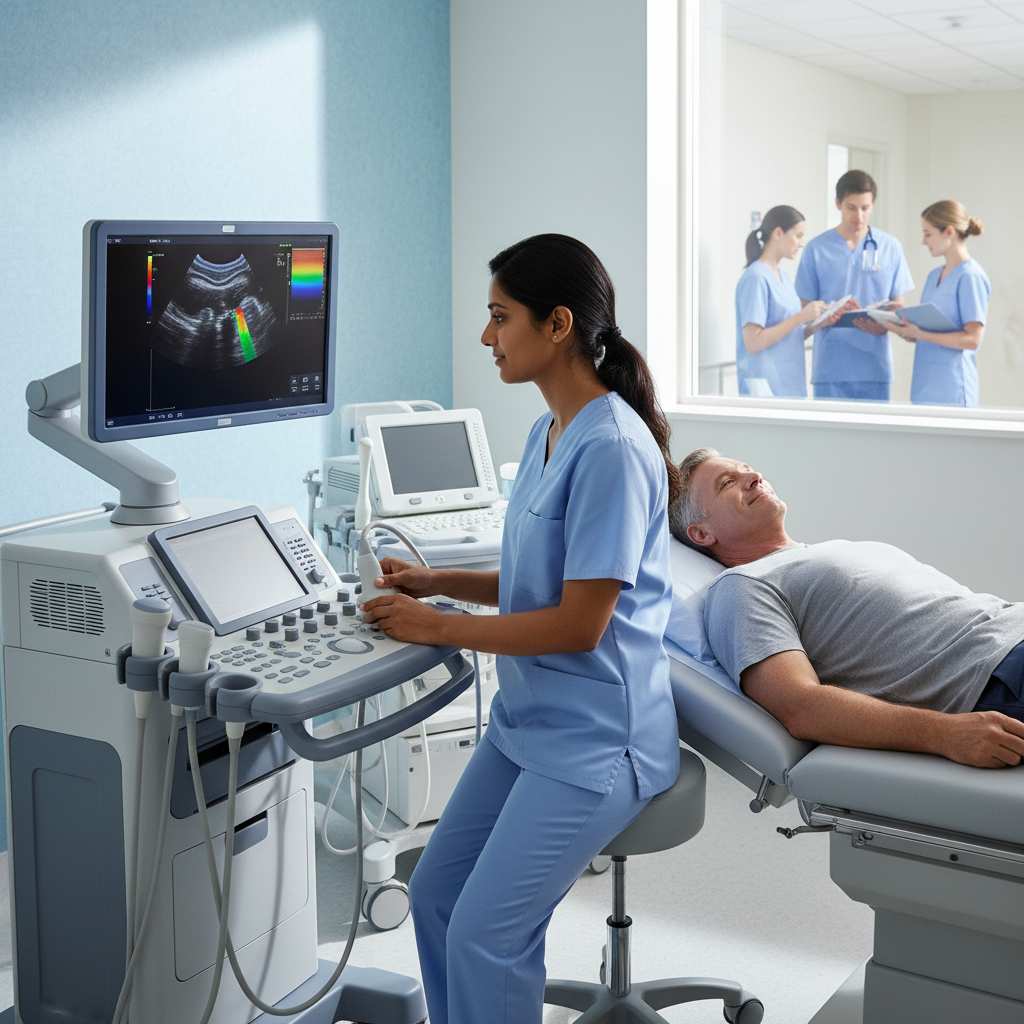
The echocardiographic procedure can be performed with TTE or TEE, each serving distinct purposes in cardiac evaluation. TTE is non-invasive, while TEE involves a more invasive approach requiring sedation. Understanding the procedural variations and necessary preparations is crucial for providers to ensure diagnostic efficacy and patient comfort. In acute care, bedside echocardiography can rapidly address urgent clinical questions, further solidifying its role in timely interventions.
Interpretation of Findings
Interpreting echocardiographic results necessitates integrating clinical data with imaging findings. Symptoms like chest pain or dyspnea guide the relevance of specific echocardiographic abnormalities. Accurate interpretation requires knowledge of the limitations of each technique, particularly in identifying conditions like mitral valve prolapse or cardiac thrombi. Establishing a clear communication framework within the healthcare team is essential for navigating complex diagnoses and facilitating tailored patient care.
Clinical Indications and Applications
Key clinical indications for echocardiography encompass evaluations of valvular disease, cardiomyopathies, and hemodynamic assessments. Understanding the distinctions between TTE and TEE is critical, as TEE may provide superior sensitivity for complex cases. Knowledge of when to apply each technique based on the patient’s condition enhances the diagnostic process and aids in effective clinical management.
Benefits
Echocardiography presents significant advantages, yielding real-time insights into heart structure and function that are crucial for diagnosing heart disease. This diagnostic tool provides clarity in evaluation, particularly for symptoms like chest pain, guiding further management effectively.
Limitations and Risks
Despite its strengths, echocardiography has inherent limitations and risks, particularly TEE, which can pose complications such as esophageal injury. Evaluating these risks against the diagnostic benefits ensures informed decision-making in clinical settings. TTE, while less invasive, may still encounter challenges depending on a patient’s anatomy, necessitating a comprehensive approach to cardiac imaging.
Advances and Innovations
Technological advancements in echocardiography have significantly enhanced image quality and diagnostic accuracy. Innovations like three-dimensional visualization and contrast echocardiography expand the capability of this diagnostic tool, improving procedural outcomes. Keeping abreast of these advancements enhances clinical practice and patient care strategies in cardiology.
Patient Experience and Considerations
Prior to echocardiography, an in-depth patient history and examination inform the necessity and approach for the procedure. Effective communication among healthcare professionals ensures alignment and enhances the overall patient experience. Tailoring instructions based on the type of echocardiogram performed is essential for patient safety and comfort, making awareness of patient-specific considerations crucial for optimal outcomes.
The content is provided by Jordan Fields, Direct Bulletins