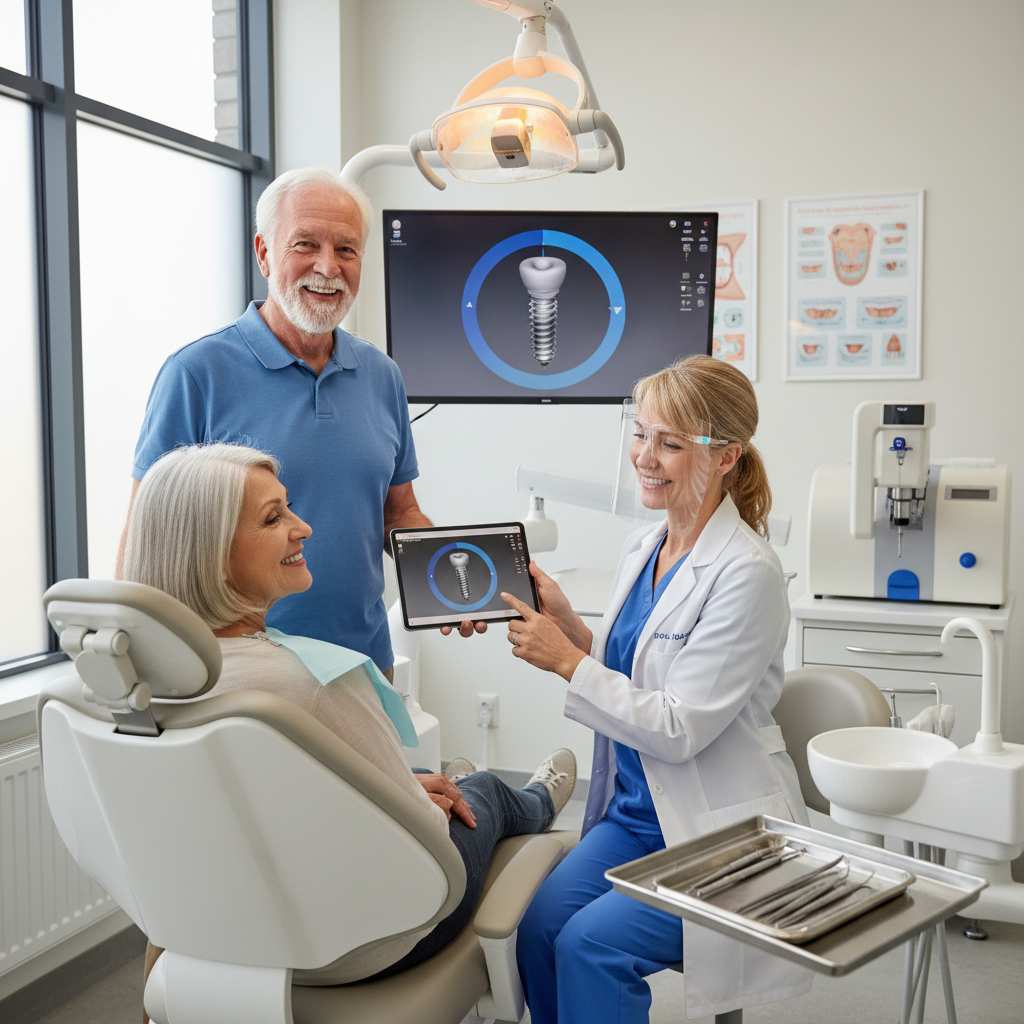
Highlights
- Dental implants significantly enhance quality of life for seniors through improved oral functions.
- Advanced technologies and materials are transforming the success rates of dental implants for older adults.
Summary
Dental implants are increasingly recognized as a viable solution for seniors facing tooth loss, impacting both their appearance and quality of life. These implants, typically titanium or ceramic rods, act as artificial roots for crowns or dentures, significantly improving oral function. By 2026, advancements in technology, materials, and surgical techniques have enhanced success rates, often exceeding 95% for elderly patients receiving appropriate care. However, age-related health conditions like osteoporosis and diabetes may complicate suitability, requiring tailored assessment for each individual.
Overview of Dental Implants
Dental implants serve as permanent replacements for missing teeth, involving the surgical placement of rods into the jawbone, which then support crowns. Osseointegration, the integration of the implant with bone, is crucial for their long-term reliability. Advances have introduced implants with piezoelectric properties and stem-cell enrichment, enhancing healing and stability. Conventional materials include titanium and zirconia, each offering unique benefits. The evolution of dental implant technology continues to emphasize patient safety and ecological sustainability.
Importance of Dental Implants for Seniors
For seniors, dental implants are pivotal in restoring not just aesthetics but also crucial functions like chewing and speaking. With higher rates of tooth loss, the need for effective solutions is evident, as more seniors experience significant oral health issues. Evidence shows that implants can greatly improve overall health and self-confidence, while more than 95% survival rates in older adults highlight their effectiveness when comprehensive care is administered. Individual health conditions will influence the treatment approach, making tailored consultations vital.
Advances in Dental Implant Technology by 2026
The landscape of dental implant technology has transformed substantially through digital planning and guided surgery, using tools like CAD/CAM and 3D printing to improve accuracy and reduce complications. New materials, including titanium-zirconium alloys and ceramics like zirconia, are enhancing both aesthetics and performance. Developments in smart implant technology and sustainable manufacturing practices present exciting opportunities for future treatment options, focusing on patient-specific solutions and environmental responsibility.
Candidacy and Assessment for Seniors
Determining candidacy for dental implants in seniors is nuanced and focuses more on health status than age itself. A thorough consultation process includes assessing medical history and employing advanced imaging techniques to plan implant placement accurately. Common systemic issues, such as osteoporosis and diabetes, which can influence outcomes, must be addressed thoughtfully. Dental professionals will tailor the approach based on an individual’s oral health and pre-existing conditions, enhancing candidates’ chances for successful procedures.
The Implant Procedure for Seniors
Successful dental implant procedures in seniors require extensive preoperative evaluations, including health assessments and imaging studies. Digital planning tools contribute to the accuracy and safety of surgical techniques. Since seniors are often on various medications or may have health conditions affecting recovery, careful coordination with their healthcare providers is essential. Post-surgery, maintaining good oral hygiene and regular dental visits will support long-term implant success.
Success Rates, Risks, and Complications
Dental implants generally show strong success rates, with many implants remaining effective over years. For seniors, age alone rarely precludes successful implantation if health conditions are managed. However, complications can arise from factors such as peri-implantitis, which requires diligent maintenance and monitoring, particularly in older populations. It is essential for patients to understand the implications of systemic health issues and lifestyle choices on their implant outcomes.
Barriers to Dental Implant Treatment in Seniors
Seniors may encounter multiple barriers to obtaining dental implants, including chronic health conditions that complicate healing and increase risks. Financial limitations due to high treatment costs and inadequate insurance coverage further inhibit access. Enhanced awareness and individualized treatment plans can help mitigate some of these challenges, offering solutions that align with senior patients’ needs and circumstances.
Alternatives to Dental Implants for Seniors
For seniors who are not suitable candidates for implants or prefer alternatives, solutions such as removable dentures provide functional options without surgical intervention. Implant-supported dentures can offer a hybrid approach, retaining some benefits of implants while reducing the need for multiple individual implants. The choice between these options depends on various factors including health status and personal preferences, making it essential for seniors to discuss these thoroughly with dental professionals.
Patient Experiences and Outcomes
Patient experiences with dental implants tend to be positive, especially when overall health is managed effectively. Factors such as systemic health and post-surgical care significantly influence outcomes; therefore, ensuring effective management of chronic diseases is crucial. Quality of life benefits from implants can justify the decision-making process for seniors as they consider long-term implications for oral health.
Future Trends and Research
The future of dental implants is set to leverage advancements in technology, materials, and personalized care strategies. Innovations such as AI and robotic assistance, alongside research into more sustainable materials, aim to enhance treatment precision and outcomes. With a focus on evolving clinical practices and patient-centered approaches, the next phase of dental implant development promises to align better with the needs of older populations, ensuring access and ethical consideration in their deployment.
The content is provided by Avery Redwood, Direct Bulletins