Highlights
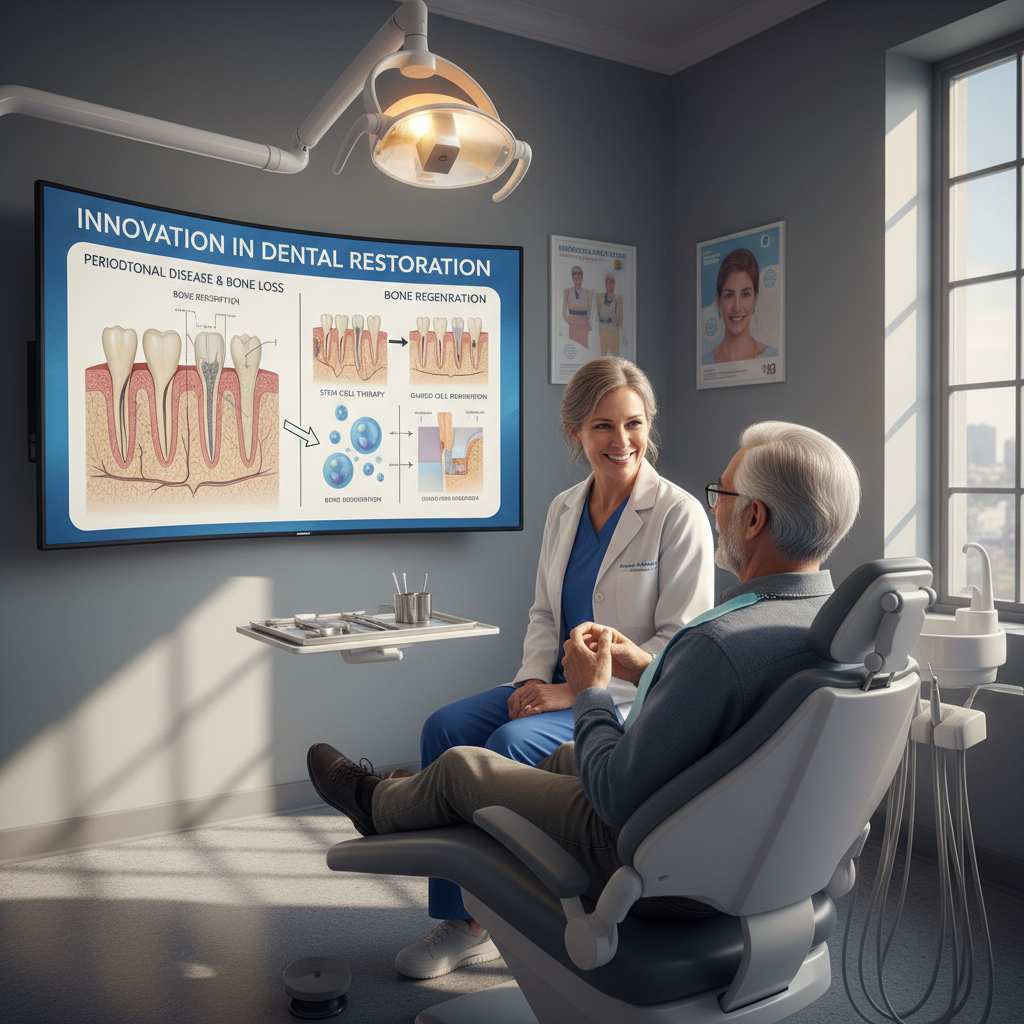
- Innovative therapies like stem cell treatments could revolutionize dental bone loss management.
- Early intervention and personalized care are crucial for successful dental bone regeneration outcomes.
Understanding Dental Bone Loss Reversal
Key Insights
Dental bone loss significantly impacts oral health, primarily caused by periodontal disease, trauma, and other systemic factors such as diabetes and aging. This condition, often progressing unnoticed, risks tooth mobility and loss if not addressed promptly. Treatment aims to restore the balance between bone resorption and formation, primarily through advanced regenerative strategies. Innovative approaches, including stem cell therapies and guided bone regeneration, show promise but can vary in efficacy based on individual health factors like diabetes.
Identifying Causes of Dental Bone Loss
Bone loss primarily arises from resorption due to periodontal disease, which begins as gum inflammation and can lead to severe destruction of bone and connective tissues. The interplay between bacterial infections and immune responses triggers an inflammatory cascade that exacerbates bone degradation. Additionally, systemic issues like diabetes, poor oral hygiene, or occlusal trauma can further contribute to accelerated bone loss, highlighting the need for a comprehensive understanding of each patient’s unique circumstances.
Symptoms and Helpful Diagnostic Measures
Bone loss in the jaw may progress silently, yet early detection is vital for effective management. Subtle signs such as difficulty in eating, speaking, and noticeable changes in facial appearance may indicate underlying issues. Individuals should consider undergoing a thorough dental examination accompanied by imaging studies to diagnose bone density changes, enabling timely intervention that could arrest or reverse bone deterioration.
Cellular and Molecular Dynamics of Bone Loss
The progression of dental bone loss is rooted in complex interactions between microbial challenges and host immune responses. Disruption in the balance of osteoclast and osteoblast activity leads to bone resorption. Osteoclasts, activated by inflammatory cytokines, encourage bone degradation, while osteoblasts facilitate new bone formation. Research into these cellular mechanisms can uncover promising therapeutic targets to restore healthy bone homeostasis.
Strategies for Bone Regeneration
Reversing dental bone loss encompasses various techniques focused on leveraging biological mechanisms. Stem cell therapies, bioactive scaffolds, and growth factors play key roles in encouraging osteogenesis. Emerging solutions like 3D-printed scaffolds aim to enhance regenerative potential, although they must be tailored to individual patient needs for optimal effectiveness.
Holistic Clinical Approaches
Effectively reversing dental bone loss calls for a combination of conventional and advanced regenerative treatments. Initial interventions such as scaling and root planing can address periodontal disease and stabilize the condition. More invasive procedures like bone grafting may be necessary in advanced cases, employing techniques like guided bone regeneration to facilitate healing and support prosthetic devices. Understanding each patient’s specific condition and relevant health factors is crucial for successful outcomes.
Assessing Treatment Effectiveness and Limitations
A variety of treatments for dental bone loss exist, each presenting both potential benefits and challenges. Early intervention can maximize the possibility of preserving natural dentition. Treatment decisions often hinge on balancing immediate needs and long-term health, taking into account systemic factors that may affect healing. While traditional procedures like implants show good success rates, emerging therapies also offer promising alternatives, underscoring the importance of customized treatment plans tailored to individual conditions.
Future Directions and Research Developments
Ongoing research is exploring multidisciplinary approaches combining molecular biology, regenerative medicine, and biomaterials to enhance bone restoration. Advances in stem cell therapies and innovative biomaterials show great promise for improving clinical outcomes. Future work will likely focus on elucidating the underlying molecular mechanisms of bone dynamics and creating personalized therapies to enhance regeneration, with the ultimate goal of reinvigorating dental health in affected populations.
The content is provided by Jordan Fields, Direct Bulletins