Highlights
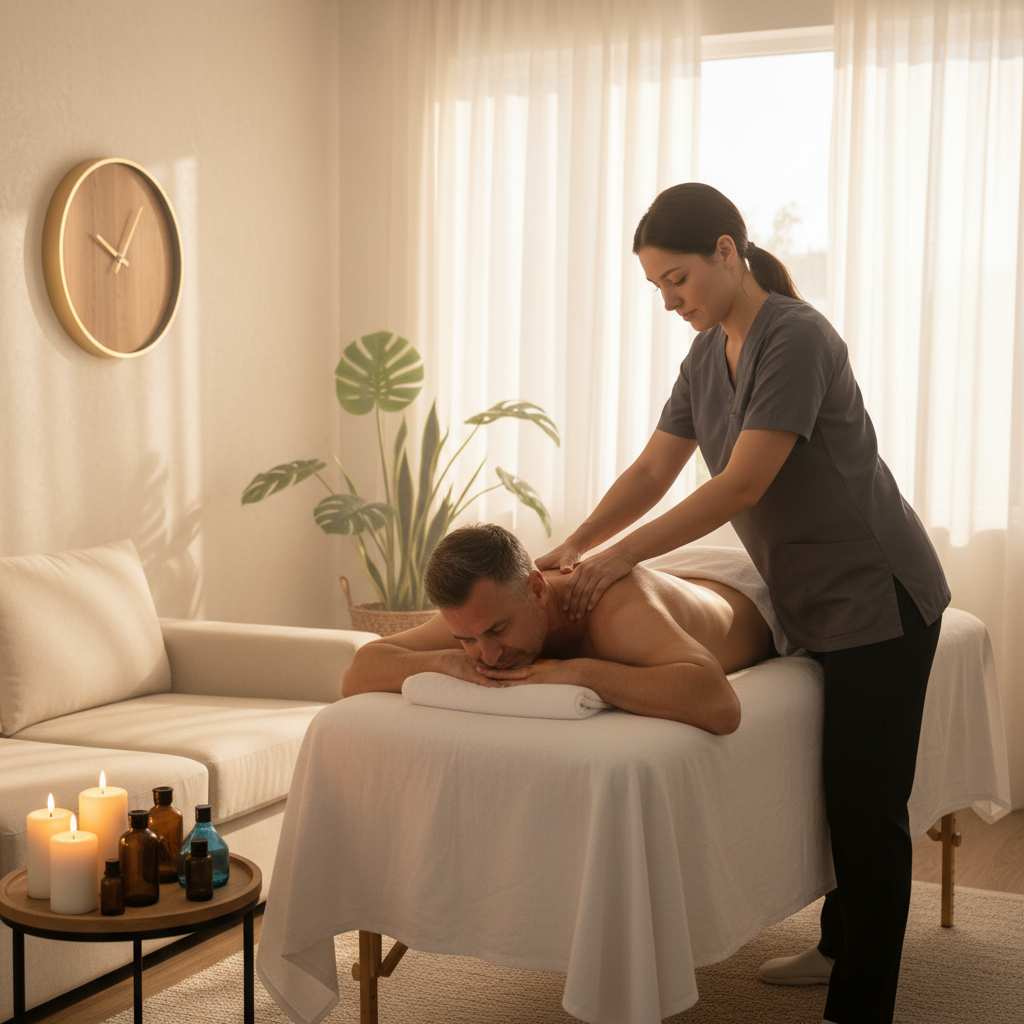
- Convenience home massage enhances wellness with personalized care in your own space.
- Mobile apps streamline bookings, making high-quality therapy more accessible than ever.
Summary
Key Insights into Convenience Home Massage Services
Convenience home massage services provide therapeutic treatments in clients’ homes, offering an alternative to spa visits. The surge in this service model stems from its ability to deliver beneficial therapies, like pain relief and muscle relaxation, within a private and flexible setting. This approach particularly appeals to busy clients, such as professionals and parents, who prioritize accessible wellness that fits their demanding lifestyles. Advances in technology, especially mobile apps, have optimized the booking and payment processes, fostering better interaction between clients and therapists while increasing operational efficiency. As this sector evolves, it meets the growing consumer demand for high-quality, on-demand therapeutic care.
Definition and Scope
Massage therapy, distinct from spa treatments, targets physical well-being, providing therapeutic benefits such as pain relief and improved circulation. The recent expansion of in-home massage services caters to busy clients who appreciate the convenience and privacy of receiving treatments at home, enhancing access to consistent care. Accreditations and regulatory standards are essential for maintaining quality and safety in both traditional and mobile settings, ensuring practitioners meet the necessary educational and competency criteria to safeguard public health.
History
The evolution of mobile massage services reflects a growing demand for flexible wellness solutions that fit into busy lifestyles. Previously reliant on fixed-location facilities, massage therapy has adapted to consumer expectations, integrating therapeutic services with the comforts of home. The rise of mobile massage apps has streamlined booking processes and enhanced user experiences, aligning with digital trends and accommodating unconventional client schedules. Challenges, such as maintaining hygiene and preparing for health crises, have led the industry to adopt stringent safety protocols, enabling growth while ensuring quality care.
Types of Convenience Home Massage Services
Convenience home massage services primarily feature in-home and mobile massage offerings, with therapists bringing treatments directly to clients. This flexibility allows clients to enjoy massages without travel, often requiring minimal preparation. The emergence of mobile massage apps has significantly streamlined the booking and payment process, reducing logistical burdens on therapists and allowing them to focus on delivering quality care. Additionally, the establishment of ongoing therapist-client relationships enhances treatment personalization, creating a tailored experience that benefits clients in achieving their wellness goals.
Client Demographics and Motivations
A diverse clientele engages with mobile massage services, notably parents and busy professionals who seek convenient scheduling options. This demographic diversity prompts service providers to adapt offerings, such as providing family-friendly scheduling. Clients typically span ages 28 to 42, with many seeking targeted health benefits, including pain relief and relaxation, facilitating the integration of wellness into their hectic lives. The appeal of mobile massage lies in its convenience and privacy, allowing clients to receive treatments in a familiar, stress-free environment, though scheduling can still pose challenges depending on therapist availability.
Benefits
Home massage services deliver multiple advantages, primarily convenience, as they allow individuals to receive therapy without traveling, saving time and reducing stress. The ability to enjoy treatments in a comfortable and familiar environment greatly enhances relaxation and personal connection to the therapy. Additionally, cost-effectiveness arises from reduced logistical hassles, while therapists can tailor sessions to address specific health concerns in a more focused manner. The technological integration in booking and delivery processes further enriches the user experience, fortifying the industry’s evolution towards accessible, quality therapeutic care.
Common Massage Techniques and Modalities
Massage therapy employs various techniques aimed at addressing specific client needs, including effleurage and petrissage, foundational to practices like Swedish massage. Effleurage utilizes light, gliding strokes to warm muscles and promote relaxation, while petrissage incorporates deeper kneading motions to alleviate tension. Other modalities, such as deep tissue and aromatherapy massage, target chronic issues and enhance mental well-being, respectively. Therapists typically customize their approach by mixing techniques to maximize therapeutic benefits, accommodating individual preferences and health objectives.
Customer Experience
Home massage services create a tailored and convenient experience for clients, allowing them to enjoy therapy without travel or waiting room stress. Clients appreciate the comfort of customizing their environment, which enhances overall relaxation and personal connection. Many services accommodate flexible scheduling, making it easier for clients with irregular work hours to access treatments. However, scheduling can sometimes depend on therapist availability, presenting challenges for coordination with client preferences. Nevertheless, improved technology in booking enhances operational efficiency, fostering strong provider-consumer relationships.
Qualifications and Professional Standards
In the United States, massage therapists must obtain certification and licensing to ensure legal practice and public safety. Certification proves educational competency through standardized examinations, while licensing is a mandatory regulation that permits practice based on meeting specific requirements. States vary in their regulations, but adherence to licensure and liability insurance is typical, enhancing client trust and safeguarding professional integrity. Additionally, some therapists pursue board certification to demonstrate advanced proficiency, establishing a higher standard of expertise recognized across the industry.
Challenges and Limitations
While convenient, home massage services face scheduling challenges, as client appointment availability hinges on therapists’ schedules. This limitation can be inconvenient for clients requiring last-minute bookings. Also, maintaining health and hygiene standards is crucial, particularly since practitioners operate outside traditional facilities. Therapists need to implement rigorous safety protocols to protect both clients and themselves, balancing flexibility with the necessity of adhering to strict hygiene practices.
Health and Safety Considerations
Safety in massage therapy, whether at home or in spas, requires adherence to established health and safety protocols. Clients undergo health screenings to identify potential risks and contraindications before each session, ensuring a secure environment. Therapists must maintain vigilance to protect against hazards in clients’ homes, while also implementing infection prevention measures. The comfort and privacy offered in home settings eliminates common stressful factors found in traditional spas, yet therapists must ensure thorough screenings and safety practices to guarantee effective care.
Industry and Market Overview
The home massage service industry thrives on the relationship between providers and consumers, evolving to meet growing demands for accessible wellness. Mobile massage apps have transformed service delivery, making massage therapy a necessity rather than a luxury. The diverse clientele, especially parents, highlights the need for tailored services that cater to their specific requirements. As regulatory frameworks ensure practitioner accountability, businesses may benefit from diversifying offerings, including complementary therapies, to grow their client base while addressing gender disparities within the industry.
Technology and Innovation
Mobile massage apps are reshaping consumer access to therapy, offering unmatched convenience for booking treatments at opportune times and locations. These platforms foster connections between clients and providers, enhancing user experiences and operational efficiency within the industry. Features like automated health screenings and scheduling protocols reinforce service quality, while the integration of regulations safeguards public trust. By simplifying payment processes and maintaining high standards, technology continuously shapes the future of mobile massage services.
Future Trends
The home massage service market is expected to experience considerable growth, driven by consumer preferences for personalized services in comfortable settings. Mobile platforms will likely expand access to licensed practitioners, enhancing community engagement while responding swiftly to peak demands. Anticipated diversification of services will include integrative therapies that align with holistic health approaches, catering to emerging market dynamics. Tailoring offerings to fit the needs of specific demographics, such as parents, will also be essential for adapting to lifestyle changes and maximizing client satisfaction.
The content is provided by Harper Eastwood, Direct Bulletins