Highlights
- Composite decking combines aesthetic appeal with durability, making it ideal for outdoor projects.
- Investing in high-quality composite boards can yield long-term savings and enhance environmental sustainability.
Summary
Composite decking boards are engineered to mimic traditional wood while providing superior durability and lower maintenance needs. They consist of recycled wood fibers and plastic polymers, enhanced with additives for longevity and environmental resistance. These boards are available in various profiles, each with unique performance traits such as weight and moisture resistance. Current costs in 2025 are influenced by material quality, brand reputation, and installation expenses, typically ranging from $15 to $35 per square foot, with innovations adding to value but potentially increasing initial costs. Despite higher upfront investments, the long lifespan and lower maintenance of composite decking underscore its growing appeal for eco-conscious consumers.
Understanding Composite Decking
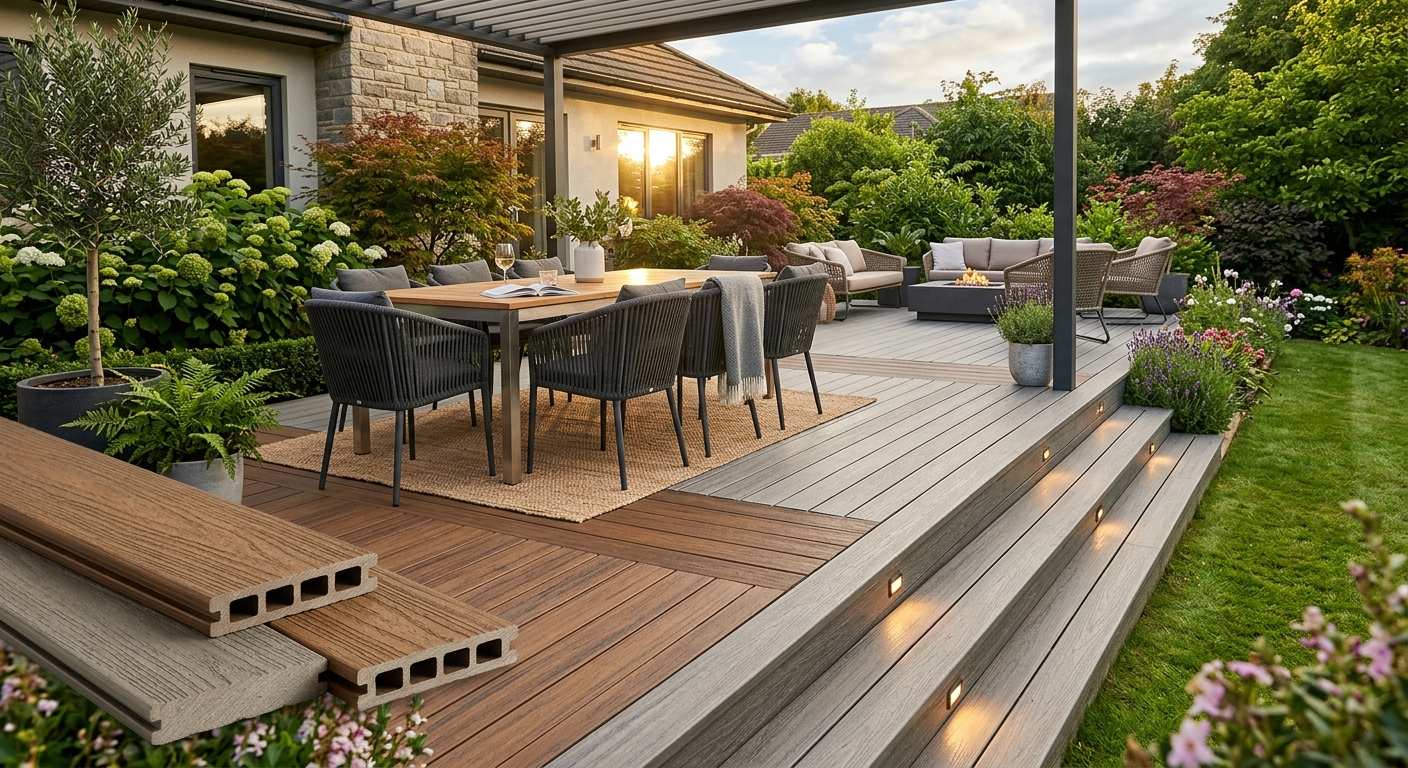
Composite decking boards imitate the look of wood decking while minimizing upkeep. They are made from a blend of recycled wood fibers and plastics, with additives that improve performance over time. Manufacturing methods such as extrusion and compression molding shape these boards, influencing their consistency, durability, and resistance to environmental factors, further enhancing their suitability for various outdoor applications.
The protective features of capped composite boards offer additional advantages, making them resistant to stains and UV damage, which contributes to their longevity. Furthermore, the diverse content ratio of wood to plastic affects the appearance and performance. While they can be pricier than wood alternatives, the extended warranties and reduced maintenance requirements can justify the higher costs for many homeowners.
Key Cost Influencers
The costs for composite decking are shaped by multiple factors, including the quality of materials, board dimensions, and brand reputation. High-quality composites often utilize advanced blends that enhance durability, which can drive up costs due to the incorporation of more recycled content and protective features. Understanding these factors helps in assessing value for investment.
Material Quality
The durability of composite decking boards is directly linked to their material quality. Premium boards integrate advanced compounds for moisture and UV resistance, potentially increasing initial costs. Options with higher recycled content not only enhance sustainability but can also add to overall value, warranting consideration in the buying decision.
Board Dimensions
Board dimensions play a crucial role in pricing, as larger or longer boards will generally have higher costs per piece due to the increased raw materials required. Being aware of standard dimensions is essential for accurate budgeting; for instance, a larger deck will necessitate a greater quantity of decking boards, amplifying costs accordingly.
Brand and Manufacturing Techniques
Brand reputation significantly impacts costs, with established names typically commanding higher prices for reliable quality and warranties. The manufacturing process, whether by extrusion or compression molding, directly affects the material’s density and durability, contributing to cost variations. Understanding these facets can assist in making informed brand choices that align with budget requirements.
Labor Variations
Labor costs are another key component of total expenses in composite decking installation, varying widely based on regional rates and project complexity. Installation is typically charged per square foot, with costs influenced by the size and intricacy of the deck layout. Familiarizing oneself with local labor rates can provide clarity when budgeting for overall project expenses.
Installation and Maintenance Considerations
Installation costs for composite decking typically fall between $15 and $35 per square foot, influenced by factors like project complexity and regional rates. For a standard deck size, materials and labor can quickly accumulate, emphasizing the importance of thorough planning. Considerations such as peak installation seasons and potential old deck removal can also affect labor costs.
In terms of maintenance, composite decking presents considerable cost savings over time. Unlike wood, which demands frequent refinishing, composite decks require only occasional cleaning. Their longer lifespan and low maintenance needs make them a beneficial consideration for homeowners looking to preserve value while minimizing future expenditures.
Market Trends in 2025
In 2025, the composite decking market is influenced by demand linked to the construction industry and an increasing environmental consciousness among consumers. The desire for eco-friendly materials drives many to opt for composite options, which offer sustainable benefits thanks to their recycled content. Customization has also become a focal point, with manufacturers developing varied textures and features to meet diverse consumer preferences.
Pricing remains varied, reflecting the material quality and complexity, impacting entry-level to premium options. Despite material cost stabilization, ongoing labor and inflationary pressures continue to affect overall pricing in the composite decking market. Balancing these costs with durability and low maintenance traits can assure buyers of a sound investment for their decking projects.
Cost Structure Overview
The price range for composite decking boards can vary significantly based on quality, manufacturing methods, and additional factors like transportation costs. Basic boards may start at around $1.50 per linear foot, while premium options can command much higher prices. Paying attention to the nuances in material quality and construction can lead buyers to select products that better fit their budget and longevity expectations.
Labor costs further exacerbate total project expenses, often making up a significant portion of the budget. Therefore, considering factors such as accessibility and project specifics is vital for an accurate cost estimate when planning your decking installation.
Environmental Impact and Sustainability
Composite decking products are increasingly recognized for their eco-friendly attributes, often made from recycled wood fibers and plastics. This reduces landfill waste and minimizes the reliance on virgin materials. Sustainability practices among reputable brands, such as closed-loop manufacturing, emphasize their commitment to reducing resource consumption and carbon footprints.
Durability enhances the sustainability of composite options because a prolonged lifespan means fewer materials needed for replacements over time. Selecting brands that prioritize environmental factors is encouraged, especially those that utilize a high percentage of recycled content. While challenges in disposal remain, ongoing innovations are being explored to enhance the recyclability of these products and further contribute to sustainable practices.
Buying Tips and Cost-Saving Strategies
To make informed choices in purchasing composite decking boards, potential buyers should prioritize understanding the differences in brand offerings, materials, and construction methods. High-quality options can initially appear costlier but may provide superior performance and longevity, leading to greater long-term value. Comparing product specifications can help identify the best fit for your project while considering the balance between price and durability.
Furthermore, exploring various vendor offerings and potential bulk discounts can uncover cost-saving opportunities. Budgeting for installation at the right time of year can also reduce expenses, as off-peak times often lead to lower labor costs. Assessing overall investment value, including maintenance savings, can significantly influence the purchasing decision.
The content is provided by Avery Redwood, Direct Bulletins