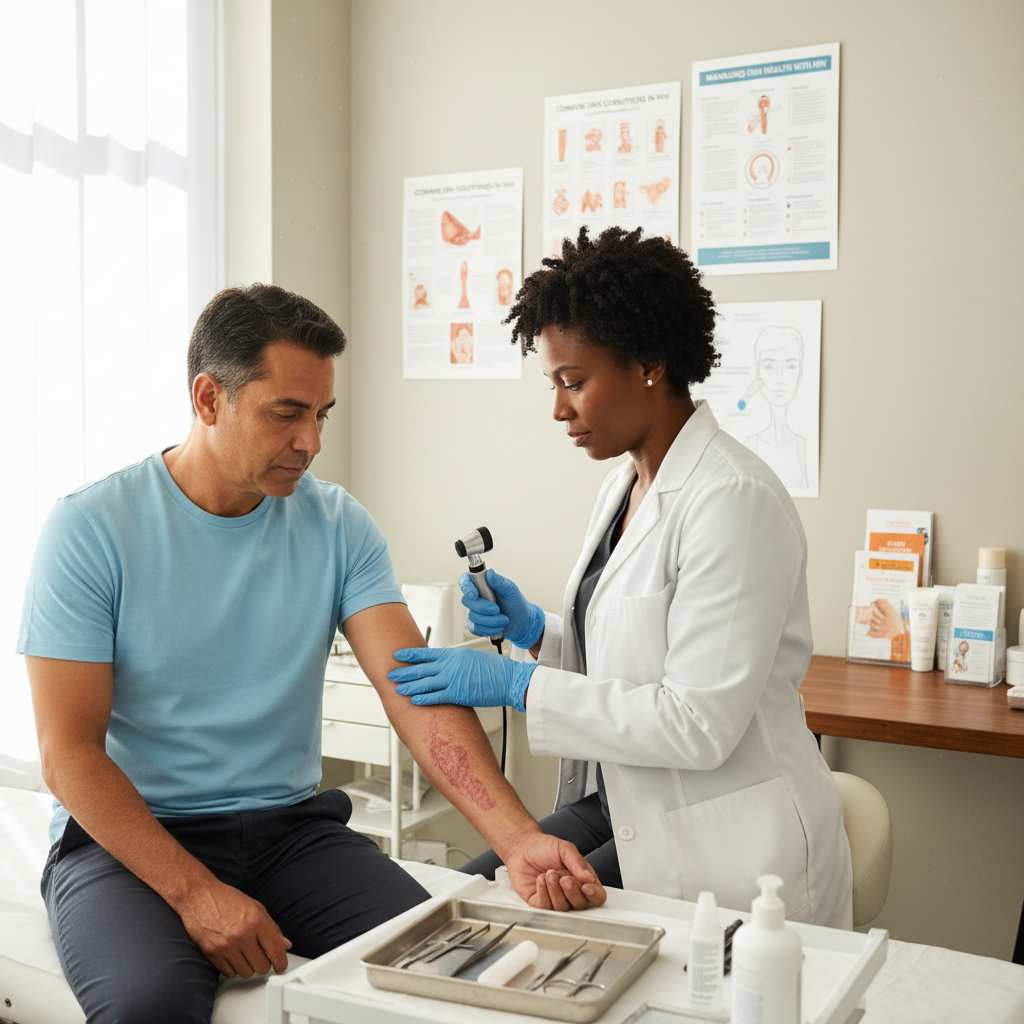
Highlights
- Skin conditions affect 90% of individuals with HIV, indicating urgent need for effective management strategies.
- Improved access to treatment and care can significantly enhance the quality of life for HIV patients.
Summary of Skin Conditions Linked to HIV
Individuals living with Human Immunodeficiency Virus (HIV) commonly experience diverse skin conditions, affecting about 90% during their illness. These manifestations, which include inflammatory issues, opportunistic infections, and neoplastic conditions, typically reveal insights into the individual’s immune status and HIV progression. The dysregulation of the immune system caused by HIV significantly increases the risk for various skin conditions, particularly as immune function declines. This article highlights the complexity of managing these conditions, requiring integrated approaches that encompass antiretroviral therapy (ART) and targeted treatments, often essential in reducing associated morbidity and mortality worldwide.
Impacts of HIV on Skin Health
Skin diseases are a significant concern for those living with HIV, often reflecting the severity of immune deficiency. As HIV infection progresses, immune system vulnerability increases, leading to a higher risk of both opportunistic infections and inflammatory skin disorders. The relationship between HIV and skin health is complex, indicating a need for heightened awareness among healthcare providers about the diverse manifestations and their potential implications for patient care.
Prevalent Skin Conditions in HIV-Infected Individuals
Around 90% of individuals with HIV encounter skin conditions that can be tied directly to the virus, opportunistic infections, or treatment side effects. These symptoms often present atypically and can be more severe in HIV-positive patients, necessitating a cautious approach to management. An understanding of specific viral infections and common dermatological issues, including complications arising from immunosuppression, is crucial for effective diagnosis and treatment.
Viral Infections and HIV
Herpes simplex virus (HSV) and molluscum contagiosum are common viral conditions that manifest in HIV-positive populations. These infections can present with severe symptoms and complications, highlighting the importance of prompt diagnosis and intervention. Understanding the atypical presentations of these viral infections in immunocompromised individuals aids in effective management protocols.
Opportunistic Infections in HIV
Key opportunistic infections associated with HIV, such as Kaposi sarcoma and oral candidiasis, illustrate the healthcare challenges inherent in managing HIV-related skin conditions. The visible symptoms of these conditions require immediate attention to improve outcomes and reduce morbidity. Recognizing the clinical significance of such symptoms assists healthcare providers in creating effective treatment plans.
Drug Reactions Related to HIV Treatment
Adverse skin reactions linked to antiretroviral and antimicrobial therapies, like Stevens-Johnson syndrome, present additional risks for individuals with HIV. Understanding the potential cutaneous reactions to HIV treatments is crucial for timely intervention and optimal management of patients.
Diagnosis of Skin Conditions in HIV
A thorough clinical evaluation, along with laboratory tests and possibly skin biopsies, is essential in diagnosing skin conditions in people with HIV. The varied skin lesions can indicate deterioration in immune function, emphasizing the importance of accurate diagnosis for appropriate management. Enhanced awareness of these diagnostic strategies is vital for healthcare providers in ensuring timely and effective patient care.
Management Strategies for Skin Conditions
Managing skin conditions related to HIV involves tailored strategies that may include ART and specific treatments for skin disorders. The effectiveness of ART in improving immune function often benefits the treatment of various dermatoses, underscoring its importance in overall patient management. Careful selection of therapeutic options is essential, considering potential complications due to drug reactions or immune reconstitution inflammatory syndrome (IRIS).
Challenges of Skin Health in Resource-Limited Settings
Access to dermatological care in low- and middle-income countries poses significant challenges for managing HIV-related skin conditions. The shortage of trained professionals and diagnostic resources greatly impacts the ability to provide timely and effective treatment, leading to poor patient outcomes. Initiatives aimed at enhancing training for healthcare workers and improving access to care are critical for addressing these issues and improving the quality of care for affected populations.
Quality of Life Considerations
The presence of skin conditions in HIV-infected individuals often leads to profound psychosocial implications, affecting self-esteem and increasing stigma. This aspect necessitates a holistic approach to treatment that considers both the physical and emotional well-being of patients. Prompt identification and management of skin conditions can significantly enhance quality of life and reduce the psychosocial burden faced by individuals with HIV.
Future Directions and Research Needs
Ongoing research focuses on improving diagnostic methods and treatment strategies for skin conditions associated with HIV. Innovations in diagnostics and therapeutic approaches are crucial for managing these complex conditions effectively, particularly in settings with limited resources. Continued collaboration among health organizations and researchers aims to enhance care and improve outcomes for individuals living with HIV globally.
The content is provided by Avery Redwood, Direct Bulletins