Highlights
- Airplane cleanup services are essential for aircraft hygiene, safety, and passenger confidence.
- Emerging technologies and sustainability goals are shaping the future of aircraft cleaning services.
Summary
Understanding Airplane Cleanup Services: Essential Insights for Aspiring Professionals in 2025
Airplane cleanup services are a vital component of aviation operations, ensuring aircraft hygiene, safety, and passenger comfort through comprehensive interior and exterior cleaning procedures. These services include vacuuming, sanitizing, restocking cabin supplies, and specialized detailing such as upholstery care and exterior polishing, all performed under strict regulatory standards to meet evolving health and safety requirements. The COVID-19 pandemic heightened the importance of rigorous sanitation protocols, making thorough disinfection an industry norm and a critical factor in passenger confidence and operational compliance.
The airplane cleanup sector operates within a complex framework of ground handling activities, requiring skilled personnel trained in safety, hazardous materials handling, and coordination with multiple airport stakeholders such as air traffic controllers and customs officials. Efficient scheduling and digital workforce management tools help optimize turnaround times, balancing rapid aircraft servicing with meticulous cleanliness to support on-time departures and high service standards. Moreover, continuous professional development and certification programs ensure that cleaning staff remain knowledgeable about best practices and emerging health guidelines.
Looking forward to 2025 and beyond, the industry faces challenges and opportunities shaped by technological innovation, stricter environmental regulations, and sustainability goals. Advances in automation, AI, and eco-friendly cleaning products are expected to enhance efficiency while reducing water use and chemical impact. The sector’s growth is also influenced by market consolidation trends among leading service providers and heightened global health regulations emphasizing safe waste management and sanitation to prevent disease transmission. These dynamics position airplane cleanup services as a crucial and evolving field within aviation, demanding both operational excellence and adaptive expertise.
In summary, airplane cleanup services are integral to maintaining aircraft safety, hygiene, and appearance, supporting the broader goals of passenger well-being and operational efficiency. The profession requires specialized training, adherence to rigorous standards, and collaboration across diverse stakeholders, all amid a rapidly changing landscape shaped by public health imperatives and sustainability considerations. Aspiring professionals entering this field in 2025 must be prepared to navigate these complexities to contribute effectively to the aviation industry’s success.
Overview of Airplane Cleanup Services
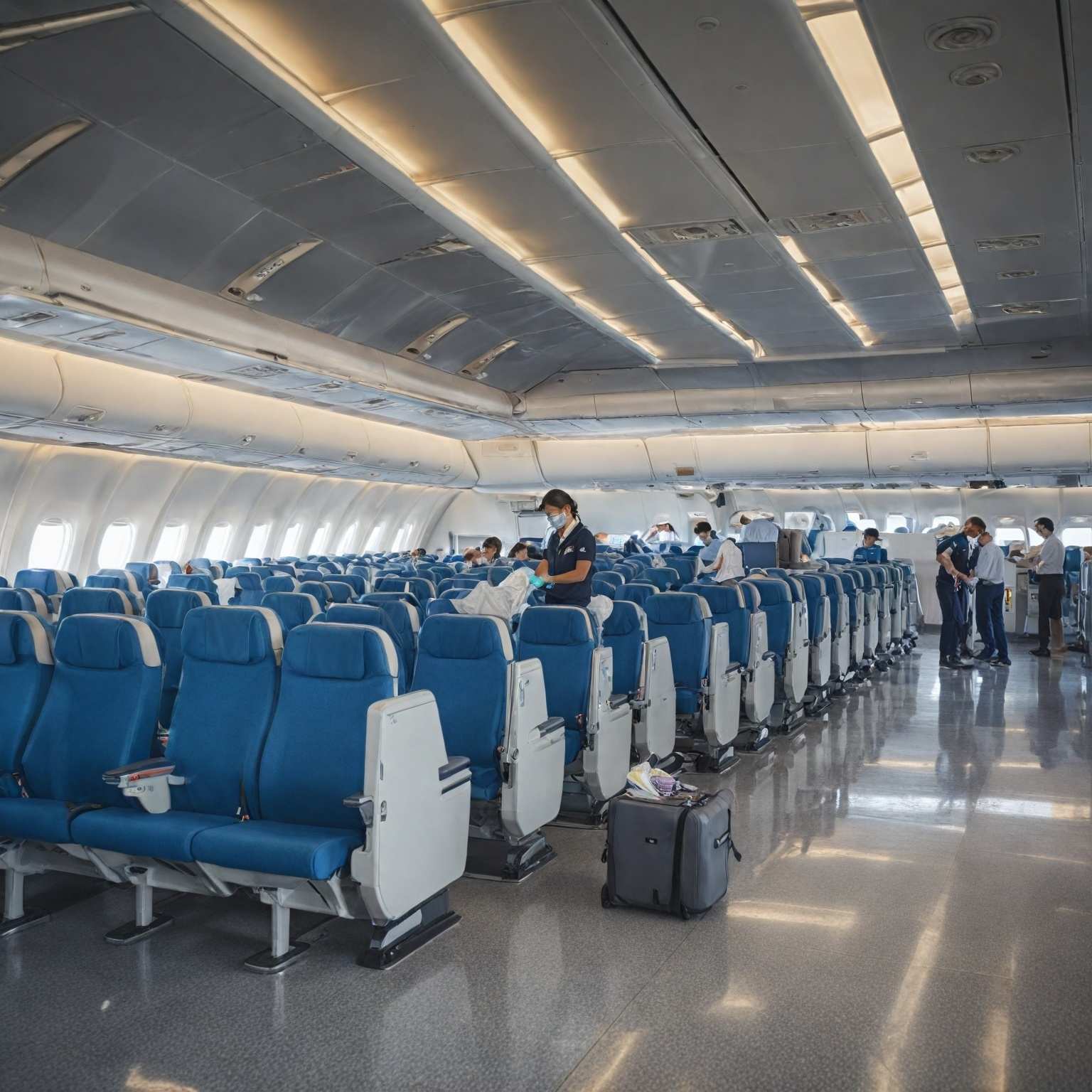
Airplane cleanup services play a critical role in maintaining both the appearance and hygiene of aircraft, ensuring a safe and pleasant experience for passengers. These services encompass a range of tasks that focus primarily on the interior of the aircraft, including vacuuming, sanitizing, tidying the cabin, and restocking essentials such as blankets and refreshments. Additionally, cleaners often attend to the galley area, meticulously wiping down countertops, storage units, and beverage carts, with duties sometimes extending to cleaning appliances like coffee makers and ovens depending on airline requirements. The scope of work can also include exterior cleaning to maintain the aircraft’s overall presentation.
In a post-COVID emergency world, thorough and proper cleaning has become a fundamental expectation, with aviation hygiene gaining importance alongside traditional safety standards. Passengers increasingly demand not only smooth flights but also assurance of cleanliness and sanitation onboard, making these services vital to the industry’s operational protocols.
The cleaning and maintenance process is part of a larger set of ground handling operations that require skilled personnel capable of working efficiently both independently and within teams. This ensures that airplanes are turned around quickly while meeting stringent hygiene and safety regulations. The coordination of these activities often involves collaboration with external entities such as air traffic controllers, airport authorities, and customs officials, underscoring the complexity of maintaining operational efficiency amid numerous controllable and uncontrollable factors.
Looking ahead, the airplane cleanup services market is expected to evolve significantly between 2025 and 2033. Growth will be driven by technological advancements, stricter hygiene standards, and an emphasis on eco-friendly cleaning solutions. This market expansion includes interior and exterior cleaning, specialized detailing services such as paint protection and polishing, and waste management related to aircraft cleaning. Industry leaders with substantial revenues are poised to shape the market through innovation and potential mergers and acquisitions. The adoption of advanced cleaning technologies and sustainable products will be key factors contributing to the sustained growth and modernization of airplane cleanup services in the coming years.
Types of Airplane Cleanup Services
Airplane cleanup services encompass a range of specialized tasks aimed at maintaining the cleanliness, hygiene, and appearance of both the interior and exterior of aircraft. These services are essential not only for passenger comfort but also for health and safety compliance, especially in the post-COVID-19 environment.
Interior Cleaning Services
Interior cleaning primarily involves vacuuming, sanitizing, and tidying the cabin to ensure it is presentable and safe for passengers. This includes cleaning seats, carpets, tray tables, lavatories, and other frequently touched surfaces. Special attention is given to disinfecting with agents that are safe for the materials inside the aircraft, such as plastics, metals, and fabrics. Disposable pre-moistened wipes and specialized disinfectants play a critical role in removing harmful pathogens and maintaining a germ-free environment, which has become increasingly important following the COVID-19 pandemic.
Upholstery cleaning requires the use of specialized solutions to clean seat fabrics without causing damage. Stain removal is carried out using approved products to preserve the integrity of the textiles. Regular restocking of in-flight items such as blankets and refreshments is also part of the interior cleaning routine.
Exterior Cleaning Services
Though less frequent, exterior cleaning is a crucial aspect of airplane maintenance, often handled by specialized teams. When airplane cleaners perform these duties, their tasks include washing the aircraft fuselage, wings, and engines using approved chemicals and equipment formulated specifically for different aircraft surfaces such as metals and composites. The exterior cleaning program may include wash, polish, wax, and touch-up services designed to reduce dirt buildup, add UV protection, and address problem areas like the belly, leaks, and wings.
The goal of exterior cleaning, sometimes referred to as aircraft exterior detailing, is to restore the surface’s original state while adhering to the aircraft manufacturer’s guidelines and industry safety standards. Polishing and waxing not only improve appearance but also help protect against environmental damage.
Specialized Cleaning and Disinfection Programs
Comprehensive cleaning programs include scheduled routine cleaning and disinfection measures, particularly critical during or after infectious disease outbreaks. Disinfection aims to control or eliminate pathogens and is typically performed during periodic maintenance checks or in response to public health events. These programs require the use of effective, material-safe cleaning agents, appropriate personal protective equipment (PPE), and well-trained personnel who stay informed about the latest health guidelines.
Quality control is maintained through regular audits and compliance with hygiene regulations, ensuring the highest standards of sanitation across airport and aircraft facilities.
Cleaning Agents, Tools, and Techniques
Cleaning airplane surfaces requires the use of specialized agents tailored to different materials and cleaning needs. Wet cleaning methods often employ products like Turco 5805 Liquid Soap, which is specifically designed to clean and brighten jet engine thrust areas. Degreasing agents such as Eurochem S.A. MIL-PRF-680 Type II High Flash Point solvents are also commonly used to remove stubborn residues. It is critical that cleaning agents are carefully formulated to be compatible with the surfaces being treated, including metals, plastics, and textiles, to avoid damage during the cleaning process.
To improve efficiency and reduce equipment needs, disposable swabs impregnated with effective cleaning agents can be pre-prepared and stored in polyethylene bags for wiping operations. These ready-to-use swabs streamline cleaning tasks, minimizing preparation time and cross-contamination risks. In addition, interior cleaners designed to be safe on plastics, metals, and fabrics are employed alongside disinfectants to sanitize and maintain a germ-free environment, particularly important in light of heightened post-pandemic hygiene standards.
Various tools enhance cleaning effectiveness and adapt to different areas of the aircraft. Potable water trucks and water service carts facilitate the refilling of aircraft water tanks, while lavatory service carts manage waste removal and chemical replenishment in lavatories. Exterior cleaning often involves high-pressure washers and foam generators that produce thick foam to cling to surfaces, lifting and encapsulating dirt for easier rinsing. Specialized upholstery cleaners clean seat fabrics without damage, and disposable wipes provide quick sanitization for frequently touched surfaces.
Exterior cleaning programs are typically customized to client needs, offering services such as washing, polishing, waxing, and spot cleaning. Polishing and waxing not only reduce dirt buildup but also add UV protection, enhancing the durability and appearance of aircraft surfaces. Targeted spot cleaning focuses on areas prone to heavy contamination, such as the belly, leaks, and wings. Additionally, waterless wash cleaner and protectant concentrates like Wash Wax ALL™ provide effective cleaning options that minimize water usage, aligning with sustainability efforts in aviation maintenance.
Regulatory Standards and Compliance
Regulatory standards and compliance play a crucial role in the airplane cleanup services industry, ensuring that hygiene and safety requirements are met consistently across the aviation sector. Aviation authorities worldwide enforce stringent regulations that mandate airlines and service providers to adhere to prescribed cleaning and maintenance protocols to guarantee passenger safety and comfort.
Global aviation bodies such as the International Civil Aviation Organization (ICAO) and the Federal Aviation Administration (FAA) provide comprehensive guidelines that govern cleaning and disinfection processes onboard aircraft. These guidelines emphasize the use of cleaning agents that comply with environmental and safety standards, the development of policies for handling infectious disease outbreaks, and the execution of regular audits to verify compliance. Airlines must ensure that cleaning agents are safe for use on various aircraft materials, including plastics, metals, and fabrics, while effectively sanitizing surfaces to maintain a germ-free environment.
Specific regulatory requirements, like those outlined in Section 25.302, Amendment 25-152, focus on system safety improvements that indirectly impact cleaning procedures and overall aircraft maintenance. Additionally, the management of hazardous materials during cleaning operations demands strict adherence to safety guidelines to protect crew members, passengers, and the aircraft itself from potential risks associated with dangerous goods.
Cleaning programs typically involve scheduled and procedural routines that ensure timely and effective sanitation of aircraft interiors and airport facilities. These routines are supported by specialized training for designated personnel, covering topics such as communicable disease awareness, chemical hazards, and pandemic management aligned with national health authority guidance. Compliance with these standards not only minimizes health risks to air travelers but also enables airlines to operate efficiently within regulatory frameworks.
Safety Protocols and Compliance Measures for Cleanup Personnel
Ensuring the safety of cleanup personnel in airplane cleaning services involves strict adherence to established safety protocols and compliance with relevant regulations. It is essential that cleaning agents used meet environmental and safety standards to protect both personnel and passengers, with manufacturers’ instructions carefully followed to avoid adverse health effects or damage to aircraft interiors. Personnel must be trained comprehensively on handling infectious diseases such as COVID-19, including awareness of communicable diseases, hazards related to cleaning chemicals, and updated cleaning processes aligned with national health authority guidance.
Cleaning activities must conform to industry standards and equipment manufacturer guidelines to meet airline and safety requirements. This includes compliance with aircraft manufacturer recommendations as well as construction and safety regulations relevant to cleaning procedures. Special attention is required when disinfection and air cleaning equipment, which may emit ozone, ionized particulates, or use UV radiation, are installed or utilized, as these can affect aircraft systems and occupant safety. Notification to appropriate regulatory bodies is necessary when such equipment is proposed to ensure proper evaluation of potential risks.
Additionally, cleanup personnel must be prepared to respond to hazardous materials spills by following established spill response plans and organizational safety protocols. Immediate medical evaluation following any exposure to hazardous substances is vital due to the potential for delayed health effects. Coordination with ground crews and hazardous materials experts ensures proper decontamination and cleanup after landing, further safeguarding crew and passengers. These measures contribute not only to regulatory compliance but also to fostering a culture of safety within the organization.
Training, Certification, and Professional Development
Training and certification play a crucial role in preparing professionals for the demanding environment of airplane cleanup services. Individuals in this field must acquire the necessary skills to perform aviation ground handling operations safely and efficiently, particularly in areas such as air cargo handling and ramp operations. Certification ensures that personnel can work with minimal supervision while maintaining team coordination and adhering to industry safety standards.
Industry-leading organizations like the International Air Transport Association (IATA) develop training content based on expert knowledge and global aviation standards. Their extensive portfolio covers a wide range of topics, including airline operations, airport procedures, cargo handling, and ground services. This comprehensive training is designed not only for current professionals but also for young entrants aspiring to build a career in aviation services.
Specific training courses tailored to airplane servicing include modules on aircraft cleaning, detailing, and servicing, typically conducted over short durations such as two-day intensive sessions. These courses emphasize aviation safety, the correct use of cleaning agents, and adherence to environmental and health standards. Continuous communication and updates from trainers ensure that staff remain competent and informed about the latest protocols, including those related to communicable diseases like COVID-19.
In addition to technical cleaning skills, personnel must undergo hazardous materials (hazmat) training, given the frequent handling of dangerous goods in cargo operations. Compliance with national and international regulations—such as those outlined in Title 49 of the United States Code and Title 14 of the Code of Federal Regulations—is mandatory. Regular recurrent training ensures that crew members are familiar with segregation requirements, emergency response protocols, and safety procedures to protect themselves, passengers, and the aircraft.
Adherence to manufacturer guidelines and industry-recognized cleaning standards is essential in maintaining aircraft integrity and safety. Professional development in this sector often includes learning to operate specialized cleaning equipment and mastering efficient processes that meet airline and regulatory requirements. Ongoing audits and evaluations reinforce the importance of compliance and continuous improvement in service quality.
Together, these training and certification initiatives form the foundation of professional development for airplane cleanup personnel, ensuring they meet the evolving challenges of aviation hygiene and safety in 2025 and beyond.
Workforce Structure and Operations
The workforce involved in airplane cleanup services is typically structured around various roles that range from entry-level cleaners to supervisory and management positions. Early-career aircraft cleaners primarily focus on mastering cleaning procedures and improving their speed, while more experienced personnel often take on responsibilities such as supervision, scheduling, or specialized cleaning tasks. In smaller locations, multitasking is common, with ground handlers or gate agents sometimes assisting with cleaning duties alongside their primary roles.
Management within airplane cleaning operations emphasizes crew scheduling, quality audits, incident response, and budget control. Supervisors are responsible for managing multiple crews, creating and adjusting rosters, enforcing compliance with aviation safety and hygiene regulations, and overseeing quality audit outcomes for a base or terminal. They also coordinate training plans, control portions of the cleaning budget, and collaborate closely with operations managers, maintenance teams, and airline customer service to maintain service levels.
Digital workforce management tools play a crucial role in enhancing operational efficiency. For instance, software like Shifton allows supervisors to drag and drop crews between gates and belts, clone turnaround patterns, and send roster changes instantly. This ensures clear communication across departments and reduces errors caused by scattered messages. Such tools support rapid roster duplication for weekly schedules or specific aircraft waves and facilitate real-time updates, which are essential in dynamic environments where weather-related slips and other disruptions are common.
Turnaround coordination is a key aspect of workforce operations. Effective management involves orchestrating multiple activities, including passenger disembarkation, baggage and cargo handling, refueling, and cleaning. Digital solutions enable close monitoring of each step in the turnaround process, helping to ensure tasks are completed quickly and safely. Additionally, advanced automation and AI-driven predictive analytics are expected to further optimize these operations by forecasting potential delays and enabling proactive management.
Certifications and formal promotion pathways also influence career progression within airplane cleanup services. Performance, reliability, and specialized certifications—such as hazardous materials handling, pesticide application, and confined-space entry—are critical factors in advancement. Larger airlines tend to have more defined roles and structured promotion processes, while smaller operators may allow cleaners to assume mixed duties and leadership roles more rapidly.
Waste Generation and Environmental Management
Waste generation aboard aircraft primarily consists of leftover food, drink packaging, newspapers, paper towels, and plastic wrappings from items such as headsets and blankets. This onboard waste is subject to national waste management regulations, which vary across countries but often impose strict controls due to concerns over human and animal health, particularly regarding catering waste from international flights. Airlines must manage
Scheduling and Coordination with Airline and Airport Operations
Efficient scheduling and coordination are critical components of airplane cleanup services, directly impacting the overall turnaround time of aircraft. Airlines operate in a tightly timed environment where crews rotate, ground teams rapidly prepare aircraft, and maintenance teams address any issues, all while contending with dynamic factors such as weather changes. To keep operations running smoothly, digital tools are widely employed to build and update detailed turnaround plans within minutes, ensuring all involved parties remain synchronized throughout the process.
These digital systems facilitate the coordination of numerous ground activities including passenger disembarkation, baggage and cargo handling, refueling, and cleaning. By closely monitoring each stage, airlines can ensure tasks are executed swiftly without compromising safety. Coordinating cleaning services in particular requires close collaboration between airlines and their contracted cleaning companies to accommodate the variable nature of turnaround times and operational demands. “On request” cleaning tasks may also be performed when specifically requested by flight crews or airline managers, adding an additional layer of flexibility to scheduling.
The complexity of scheduling extends beyond the airline’s direct control, involving external stakeholders such as air traffic controllers, airport authorities, immigration, and customs officials. These external entities introduce uncontrollable variables that airlines must factor into their coordination efforts. Consequently, the distinction between controllable internal processes—like cleaning, cargo handling, and boarding—and uncontrollable external factors is essential in managing and optimizing turnaround efficiency.
Standardizing and repeatedly executing turnaround processes enables airlines to identify incremental improvements over time. For example, some carriers have refined gate operations by adjusting how aircraft are pushed away from the gate to minimize delays. Effective communication among airplane cleaners, ground crews, and supervisors is also crucial to prioritize tasks appropriately and meet strict departure deadlines without sacrificing cleanliness standards.
Ultimately, thorough scheduling and coordination of airplane cleaning services within the broader context of airline and airport operations are indispensable for maintaining high standards of passenger experience and operational punctuality in the fast-paced aviation industry.
Challenges and Future Trends
The airplane cleanup services industry is poised for significant transformation between 2025 and 2033, driven by evolving technological innovations, heightened regulatory requirements, and growing environmental concerns. One of the key challenges is maintaining stringent hygiene standards amid increasing awareness of communicable diseases and passenger safety. Cleaning personnel must be continuously trained in protocols related to COVID-19 and other infectious diseases, ensuring alignment with national health authority guidelines. This includes awareness of chemical hazards used in disinfection and adapting cleaning procedures to emerging health risks.
Environmental sustainability is another critical challenge facing the industry. The aviation sector is under pressure to reduce its carbon footprint and water consumption, leading to the adoption of eco-friendly cleaning techniques such as dry wash methods and biodegradable cleaning agents. These innovations help minimize water usage and waste production, addressing regulatory demands and public expectations for greener operations. Additionally, waste management, particularly hazardous waste handling, requires careful compliance with the highest safety standards to mitigate environmental impact.
Technological advancements present promising opportunities to enhance efficiency and reduce turnaround times. Automation, AI, and predictive analytics are increasingly integrated into ground operations to optimize processes such as baggage handling, aircraft maintenance, and de-icing procedures. For instance, real-time coordination technologies enable better management of de-icing, a frequent cause of delays, contributing to over 12% improvement in turnaround times. The continuous innovation of software tools aims to streamline communication among teams, further accelerating operations and reducing manual interventions.
Market dynamics also indicate potential consolidation, with Tier 1 companies—those exceeding USD 100 million in annual revenues—likely to pursue mergers and acquisitions to strengthen their market position. This growth is fueled by the expanding air travel industry and the pressing need for sustainable, high-quality cleaning solutions.
Furthermore, international health regulations underscore the importance of sanitary conditions in airports and aircraft to prevent disease transmission across borders. The World Health Organization has emphasized coordinated efforts among health authorities, airport management, and service providers to ensure food and water safety and proper waste handling, highlighting the critical public health role played by airplane cleanup services.
The content is provided by Avery Redwood, Direct Bulletins