Highlights
- Access to legal aid and community support can significantly ease the divorce process for low-income earners.
- Understanding financial and procedural challenges helps empower individuals facing divorce to seek necessary resources.
Summary
The Comprehensive Guide to Navigating Divorce Proceedings as a Low-Income Earner provides an in-depth overview of the legal, financial, and social challenges faced by individuals with limited financial resources when dissolving a marriage. Divorce proceedings are governed primarily by state law and require compliance with various procedural rules, yet low-income earners often encounter significant barriers to accessing affordable legal representation and managing the costs associated with filing and litigation. This guide highlights the critical importance of legal aid, community support services, and alternative dispute resolution options that can help mitigate these obstacles and facilitate fair outcomes.
Financial hardship is a central theme for low-income individuals undergoing divorce, as the dissolution frequently results in a substantial decline in household income and increased living expenses, including housing instability and child support obligations. The economic impact is compounded by legal costs, such as court fees and attorney expenses, which can be prohibitive despite the availability of fee waivers and pro bono services. These financial stresses not only affect the parties involved but can also influence custody and support decisions, with courts weighing the ability of each parent to provide a stable environment for children.
The guide further explores the variation in legal aid availability and procedural supports across jurisdictions, underscoring the uneven access to services depending on geographic location and local resources. It also emphasizes the role of community-based organizations and self-help centers that offer critical assistance, especially for self-represented litigants, including help with paperwork, mediation, and referrals to specialized legal services. These resources are vital in addressing the multifaceted challenges low-income earners face in navigating the complexities of divorce.
Notably, the guide addresses prominent controversies surrounding the adequacy of support for low-income individuals in the divorce system, such as the risk of homelessness following marital breakdown and the systemic barriers to obtaining timely and effective legal counsel. By providing a comprehensive examination of these issues alongside practical strategies and resource listings, the guide aims to empower vulnerable populations to better manage the legal and economic realities of divorce.
Overview of Divorce Proceedings
Divorce proceedings involve a legal process that culminates in the dissolution of a marriage through the court system. Unlike other civil matters such as housing disputes, divorce is primarily regulated by state law, with each state establishing specific statutory and procedural requirements to ensure an orderly process. Because marriage dissolution directly affects fundamental personal rights, the Supreme Court has recognized that access to divorce must be constitutionally guaranteed regardless of an individual’s ability to pay.
The process typically begins with the filing of a petition for divorce or legal separation. During the pendency of these actions, courts may provide for temporary measures such as spousal support to help parties manage financial obligations before the final decree. Legal representation plays a critical role in preserving the rights of each party throughout the proceedings. However, low-income earners often face significant barriers in securing divorce attorneys due to limited liquid assets and financial resources, which can complicate their ability to navigate the process effectively.
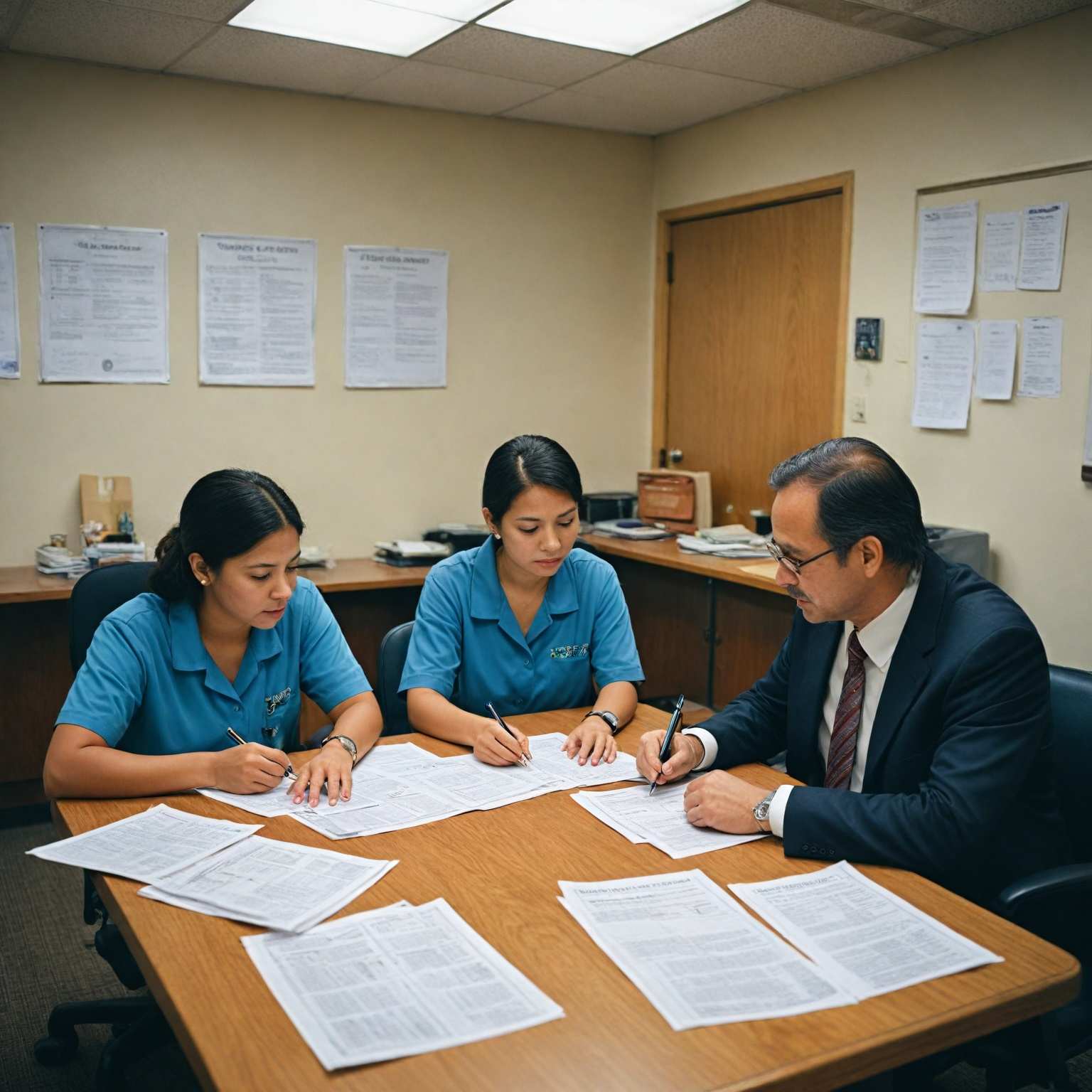
Volunteer attorneys and legal aid organizations frequently assist low-income individuals by helping them complete necessary paperwork and comply with procedural requirements, especially in uncontested or agreed divorces that do not involve children or real property. Some jurisdictions also provide court-mandated fee shifting or sliding-scale fee structures to alleviate financial burdens on disadvantaged parties.
Venue and jurisdiction issues can affect the validity and progress of a divorce case. For instance, if a case is filed in an improper venue and the opposing party objects, the court may dismiss the case, forcing the filer to restart the process and incur additional costs. Successful termination of a marriage through divorce depends on adherence to procedural rules and often requires navigating complex legal frameworks, underscoring the importance of early access to legal counsel and support services.
Financial Hardships for Low-Income Earners
Divorce often results in significant financial challenges, particularly for low-income earners. When only one partner earns an income, that individual typically retains a greater economic and social advantage following the divorce, leaving the non-earning or lower-earning spouse in a more vulnerable position. Studies have linked the rise in divorce rates to increased homelessness among people over 50, with more than 27,000 households becoming homeless due to relationship breakdowns in the UK alone.
Both parties in a divorce usually face financial losses, but research indicates that divorced individuals may require over a 30 percent increase in income to maintain their pre-divorce standard of living. This financial strain is compounded for those responsible for child support payments, who often find themselves struggling to balance the costs of supporting their children with basic living expenses like rent. The necessity of adjusting one’s mindset towards saving and financial management becomes a critical aspect of recovery after divorce for low-income individuals.
Historically, divorce rates were lower among high-income groups but converged across all socioeconomic classes by the 1960s. Since then, the number of children deprived of parental support due to divorce has risen substantially, surpassing those deprived by parental death. Despite the significant decline in household income following divorce, public discourse tends to overlook the direct relationship between marital breakdown and poverty.
Divorce also disrupts the partial pooling of incomes typical during marriage, creating additional economic hardship. The loss of economies of scale—where married couples benefit from shared expenses—is estimated to amount to nearly one-third of total expenditures when living as singles. This financial burden is intensified when children are involved, as divorced parents must cover additional costs independently.
Legal costs further exacerbate financial difficulties for low-income earners seeking divorce. Filing fees for divorce petitions and related legal filings can be prohibitively expensive. However, many courts offer fee waivers for individuals with low incomes, and various law schools and legal organizations provide pro bono or reduced-fee legal assistance. Limited-scope representation, also known as unbundled legal services, allows low-income individuals to receive help with specific aspects of their divorce case while managing other parts independently, making legal assistance more accessible.
Despite the availability of some support, low-income individuals often face a complex and costly legal process. Access to affordable legal aid can be crucial in protecting their rights and ensuring fair outcomes in matters such as child custody, spousal support, and division of assets. Ultimately, the financial hardships associated with divorce for low-income earners are multifaceted, encompassing reduced income, increased living expenses, and the challenge of securing affordable legal support.
Impact of Financial Hardships on Custody and Support
Financial hardships can significantly influence child custody and support decisions during divorce proceedings, particularly for low-income earners. Family courts consider multiple factors when determining custody arrangements, and a parent’s financial circumstances are among them, especially if they affect the child’s well-being.
While courts prioritize the child’s safety, emotional needs, and overall stability, financial instability may be taken into account if it results in neglect, unsafe living conditions, or an inability to provide basic necessities such as food, shelter, or medical care. Importantly, custody decisions do not automatically favor the wealthier parent. Instead, the court focuses on ensuring that the child’s upbringing remains consistent and secure. Financial stability is often viewed as an indicator of a parent’s overall responsibility and their ability to prioritize the child’s long-term welfare.
In addition to custody, a parent’s income also plays a critical role in child support determinations. Low-income earners may face challenges in meeting child support obligations, which can further complicate custody arrangements if financial hardships compromise the child’s living environment.
Over recent decades, custody trends have shifted, with increasing instances of shared custody arrangements. Although these changes are influenced by various factors beyond financial status, the evolving landscape highlights the court’s emphasis on maintaining meaningful relationships with both parents where feasible, regardless of income disparities.
Housing Instability and Its Challenges During Divorce
Divorce significantly impacts housing stability, often transforming a personal crisis into a housing emergency, especially for low-income earners. When a household splits into two separate living situations, housing costs effectively double, placing immense financial strain on families already stretched thin. This heightened burden can lead to immediate housing instability or even homelessness.
Legal barriers further compound these housing challenges. Divorce laws, such as those in Virginia, were not created with housing affordability in mind, and family courts can either support or undermine housing stability during this transition. For those facing eviction, foreclosure, or other housing-related issues during or after divorce, legal aid organizations often provide crucial support. These services can help clients understand their rights, complete necessary paperwork, and obtain court representation where available. Despite such assistance, the risk of homelessness remains pronounced, particularly among divorced women with low or no income and single mothers who do not receive child support. These groups are among the most vulnerable to losing stable housing during divorce proceedings.
Several housing assistance programs exist to alleviate the burden during this difficult time, offering resources such as temporary shelter, housing subsidies, and support for related needs like childcare and medical care. However, the availability and capacity of these programs vary widely, and demand often exceeds supply, making it difficult for many to secure stable housing immediately after divorce. Personal stories underscore these challenges; for example, individuals like Glen-Marie Frost have faced homelessness after divorce, resorting to living in their cars or on friends’ couches when traditional shelter options were unavailable.
Legal Aid and Support Services for Low-Income Earners
Low-income earners seeking assistance with divorce proceedings can access a variety of legal aid and support services designed to provide free or low-cost help. Many programs focus on individuals with limited financial resources and offer different types of legal aid, including advice, representation, and help with legal forms.
Legal Aid Organizations and Eligibility
Legal aid organizations often serve low-income individuals and may have specific eligibility criteria based on income, residency, and the type of legal issue. Some organizations cater to particular communities such as veterans, sexual assault survivors, seniors, and people with disabilities, requiring clients to meet those specific qualifications to receive services. Additionally, government-funded legal aid offices may have restrictions on the cases they can handle, so it is important to research each organization’s guidelines before applying for assistance.
Types of Legal Aid Services
Legal Services Corporation (LSC) and LawHelp.org
The Legal Services Corporation (LSC) is a primary source of legal aid for low-income individuals in many communities. LawHelp.org complements these efforts by helping users locate free legal aid near them and providing answers to legal questions, targeting people with low to moderate incomes. LawHelp.org also offers interactive tools to assist users in filling out legal forms related to divorce and other matters at no cost.
Pro Bono Programs and Law School Clinics
Pro bono programs involve law firms and individual attorneys who volunteer to provide free legal services. Local bar associations often facilitate connections between low-income clients and pro bono divorce lawyers. Additionally, law school clinics allow law students, supervised by experienced attorneys, to offer legal assistance to those in need.
Community Organizations and Self-Help Centers
Community organizations, such as women’s shelters and senior centers, may provide legal support or referrals to appropriate services for low-income individuals undergoing divorce. Some state court systems also operate self-help centers offering free workshops, informational materials, court forms, and assistance with form completion. These resources are particularly helpful for individuals representing themselves without legal counsel.
Online and Remote Assistance
Programs like the American Bar Association’s (ABA) Free Legal Answers provide an online platform where low-income clients can receive brief legal advice from volunteer attorneys remotely. This service allows for convenient access to professional guidance without the need for in-person visits.
Finding Legal Aid Resources
To locate legal aid providers or self-help resources, individuals can visit LawHelp.org and select their state to view a directory of local services. Justia and other legal information platforms also offer directories and comparison tools for divorce legal aid and pro bono services, particularly in metropolitan areas like New York City.
Community-Based Resources Complementing Legal Aid
In addition to formal legal aid programs, various community-based resources play a crucial role in supporting low-income earners navigating divorce proceedings. These resources often provide legal assistance, referrals, and supplementary services tailored to the unique needs of individuals and families during this challenging time.
Community organizations, such as women’s shelters and senior centers, frequently offer legal assistance or referrals specifically aimed at low-income individuals. These organizations can help address a range of issues related to divorce, including custody and housing concerns, by connecting clients with appropriate legal aid or mediation services. Mediation, in particular, is an option for couples seeking an amicable resolution and is typically more affordable than traditional litigation. Some community groups provide free or low-cost mediation to facilitate this process.
Specialized legal aid programs also exist to serve particular populations, including veterans, sexual assault survivors, seniors, and people with disabilities. Eligibility for these services generally depends on meeting specific criteria related to the community served, ensuring targeted support for vulnerable groups within the divorce process.
For individuals representing themselves, community-based organizations often offer free assistance without income or immigration status restrictions. Services can cover a broad spectrum of family law issues such as divorce, custody, paternity, restraining orders, and name changes, typically available without the need for appointments.
Furthermore, programs providing financial and practical support are vital in complementing legal aid. For example, childcare financial assistance programs enable low-income parents to attend educational or job training activities, thereby improving their economic stability during and after divorce proceedings. The Texas Workforce Commission offers various resources including job training, employment search assistance, and childcare support, which collectively help individuals maintain stability while managing divorce-related challenges.
Addressing financial hardships early is especially important when these issues may impact child custody arrangements. Community resources can provide guidance and support to mitigate such difficulties, helping parents to focus on the best interests of their children during custody deliberations.
Typical Legal Steps in Divorce Proceedings
Divorce proceedings typically begin with the filing of an Original Petition for Divorce, which initiates the legal process. This petition must be submitted to the appropriate family court, accompanied by any required documents such as identification, proof of income, custody agreements, or prior divorce decrees. Low-income individuals may face financial barriers due to court filing fees; however, they can often request a fee waiver by submitting a Statement of Inability to Afford Payment of Court Costs or an affidavit of indigency, demonstrating their financial need with supporting documentation such as pay stubs, tax returns, or bank statements.
Once the petition is filed, the opposing party must be served with divorce papers and given the opportunity to respond. In cases where both parties consent or do not object, the dissolution may proceed smoothly. However, if the opposing party objects, the case may be subject to dismissal for procedural reasons such as improper venue, causing delays and requiring refiling in the correct jurisdiction. It is crucial that all paperwork is completed accurately and submitted according to court rules, as clerks will accept documents but do not provide legal guidance or ensure subsequent steps are taken.
The legal framework for divorce is governed primarily by state law, making the process somewhat less complex than other civil matters governed by overlapping jurisdictions. Volunteer attorneys often assist by helping clients correctly fill out and submit necessary forms. Procedural delays are common and can be exacerbated by the failure to distinguish divorce proceedings from general civil litigation, underscoring the need for adapted procedural rules to expedite cases and reduce waiting periods.
During the proceedings, parties may be eligible for temporary spousal support or financial assistance from their spouse, depending on state laws. Mediation services, often available at low or no cost through community organizations, can facilitate amicable resolutions regarding custody, support, and property division without prolonged litigation. Various community legal aid services also support self-represented litigants, providing guidance regardless of income or immigration status.
In sum, navigating divorce as a low-income earner involves initiating the case with proper documentation and fee arrangements, responding to procedural requirements, and utilizing available legal and community resources to overcome financial and procedural obstacles inherent in the process.
Common Challenges and Obstacles for Low-Income Individuals
Low-income individuals face a range of unique and significant challenges when navigating divorce proceedings. Financial constraints are often the most pressing issue, as many struggle to balance the costs associated with divorce
Jurisdictional Variations in Legal Aid and Procedural Support
Legal aid availability and procedural support for low-income individuals navigating divorce proceedings vary significantly across jurisdictions. Many legal aid organizations accept civil cases, including divorce and family law matters, particularly when outcomes affect large numbers of low-income people and when no other legal assistance is accessible. However, eligibility criteria for these services often differ by location and can depend on factors such as income, residency, and case type.
In some jurisdictions, courts may assist low-income individuals by waiving filing fees, thereby reducing the financial barriers to accessing legal processes. Additionally, various law schools and private organizations maintain pro bono programs or volunteer lawyer lists that provide legal representation at reduced or no cost. These resources contribute to addressing the disparity in legal access but may not be uniformly available in all areas.
Regarding procedural aspects, the availability of mediation services also varies by region. Some community organizations offer low-cost or free mediation to help resolve divorce issues amicably, potentially reducing the need for costly litigation. State laws influence specific divorce-related matters, such as eligibility for temporary spousal support during separation, which often requires formal filing for separation or divorce.
Furthermore, jurisdictions differ in how they handle documentation requirements and procedural timelines. For example, some programs mandate the submission of clear and legible identification, proof of income, and custody agreements as part of the application for legal aid or court proceedings. In places like Texas, procedural success may depend heavily on the individual’s initiative in advancing the case after initial filings, highlighting the variability in procedural support across different legal systems.
Efforts to improve system efficiencies and equity are ongoing in various jurisdictions. Proposed measures include reducing excessive waiting periods, offering expedited mediation, and adapting procedural rules to better suit the context of low-income litigants, thereby facilitating more accessible and fair divorce processes.
Strategies and Resources for Coping and Support
Divorce often involves significant life changes, with finding affordable housing frequently emerging as one of the most urgent and stressful challenges. For those navigating a move after divorce, particularly in regions like Washington State, several housing assistance programs are available to provide support during this difficult transition. However, securing safe and stable housing remains difficult, especially when shelters are full and housing costs are high. Personal stories, such as that of Glen-Marie Frost, highlight the risk of homelessness following divorce; after exhausting other options, she resorted to sleeping in her car, illustrating the vulnerability faced by many in similar situations.
Legal assistance is a critical component of coping with divorce for low-income individuals. Many states and counties offer volunteer legal clinics staffed by lawyers and law students who provide free or reduced-fee representation and advice. These services can be crucial for those unable to afford private legal counsel. Some programs specifically assist individuals regardless of income or immigration status, offering help with divorce, custody, paternity, restraining orders, housing issues, and more—all without requiring appointments and free of charge. Networks such as the Pennsylvania Legal Aid Network (PLAN) coordinate various legal aid programs to provide civil legal assistance to low-income residents, including free legal information for simple, no-fault divorces.
Certain specialized legal aid organizations cater to particular communities such as veterans, sexual assault survivors, seniors, and people with disabilities, although eligibility depends on meeting specific criteria. Community organizations, including women’s shelters and senior centers, may also offer legal assistance or referrals to low-income individuals, broadening the support network available. For amicable divorces, mediation can be a less costly alternative to litigation, with some community programs providing free or low-cost mediation services to help resolve disputes such as spousal support and custody.
Additional resources include financial assistance programs like the Child Care Services Program, which supports low-income families by subsidizing childcare costs, enabling parents to attend education, training, or work. Legal aid can further assist with issues related to housing, such as eviction or foreclosure, as well as challenges with public benefits including welfare, Food Stamps, Medicaid, Supplemental Security Income (SSI), or Social Security. For cases involving domestic violence or child safety, behavioral health services and legal support programs often prioritize victims, providing targeted assistance to protect vulnerable individuals during divorce proceedings.
Together, these strategies and resources form a comprehensive support system that low-income earners can utilize to navigate the complex and often overwhelming process of divorce, helping to mitigate financial hardship and promote stability during a critical life transition.
The content is provided by Jordan Fields, Direct Bulletins