Highlights
- Discover advanced car features that enhance safety and convenience in 2025 models.
- Stay informed about hidden technologies to maximize safety and driving comfort today.
Summary
Surprising Hidden Car Features You Might Not Know About in 2025 highlights advanced yet often overlooked vehicle technologies enhancing safety, convenience, and performance. These include AI-driven driver monitoring, intelligent restraints, active safety systems, and seamless infotainment integration. Such features improve protection and reflect trends toward electrification, connectivity, and semi-autonomous capabilities. While many remain underused due to complex touchscreen controls, ongoing debates focus on balancing digital innovation with usability and safety. Future advances in AI, 5G, and blockchain promise smarter, safer vehicles, making understanding these hidden features essential for drivers.
Evolution of Car Features Leading to 2025
Over the past decade, automotive technology has rapidly advanced with AI, 5G, 3D printing, and blockchain transforming vehicles into connected platforms. Connectivity and electrification have become central, enhancing navigation, safety, and reducing emissions. Advanced driver-assistance systems (ADAS) and semi-autonomous features are increasingly common, improving road safety. The Mobility-as-a-Service trend reflects shifting transportation preferences. Despite short-term challenges like supply chain disruptions, the market is growing, driven by rising vehicle sales and stricter safety regulations, fueling further innovation.
Hidden Safety Features
2025 vehicles include numerous hidden safety features beyond regulations, such as advanced active safety systems, intelligent restraints, and AI-driven driver monitoring.
Advanced Active Safety Systems
Systems like forward collision warning, automatic emergency braking, blind-spot monitoring, lane-keeping assist, and adaptive cruise control use radar, cameras, and sensors to prevent accidents. These reduce collisions significantly and improve visibility with innovations like transparent windscreen pillars. Sensor fusion enhances situational awareness by combining LiDAR, radar, and cameras.
Intelligent Restraint Systems
Modern seatbelts adjust tension dynamically based on driving conditions and occupant data, working with airbags for unified crash response. New regulations, such as the 2024 EU Directive, mandate adaptive restraint technologies tailored to occupants and crash scenarios.
AI-Driven Driver Monitoring
AI-powered systems detect driver fatigue and distraction, issuing alerts or intervening to prevent accidents.
Integration with Semi-Autonomous Features
Safety systems and semi-autonomous driving functions are increasingly coordinated to enhance occupant protection and support new driving modes.
Hidden Convenience and Performance Features
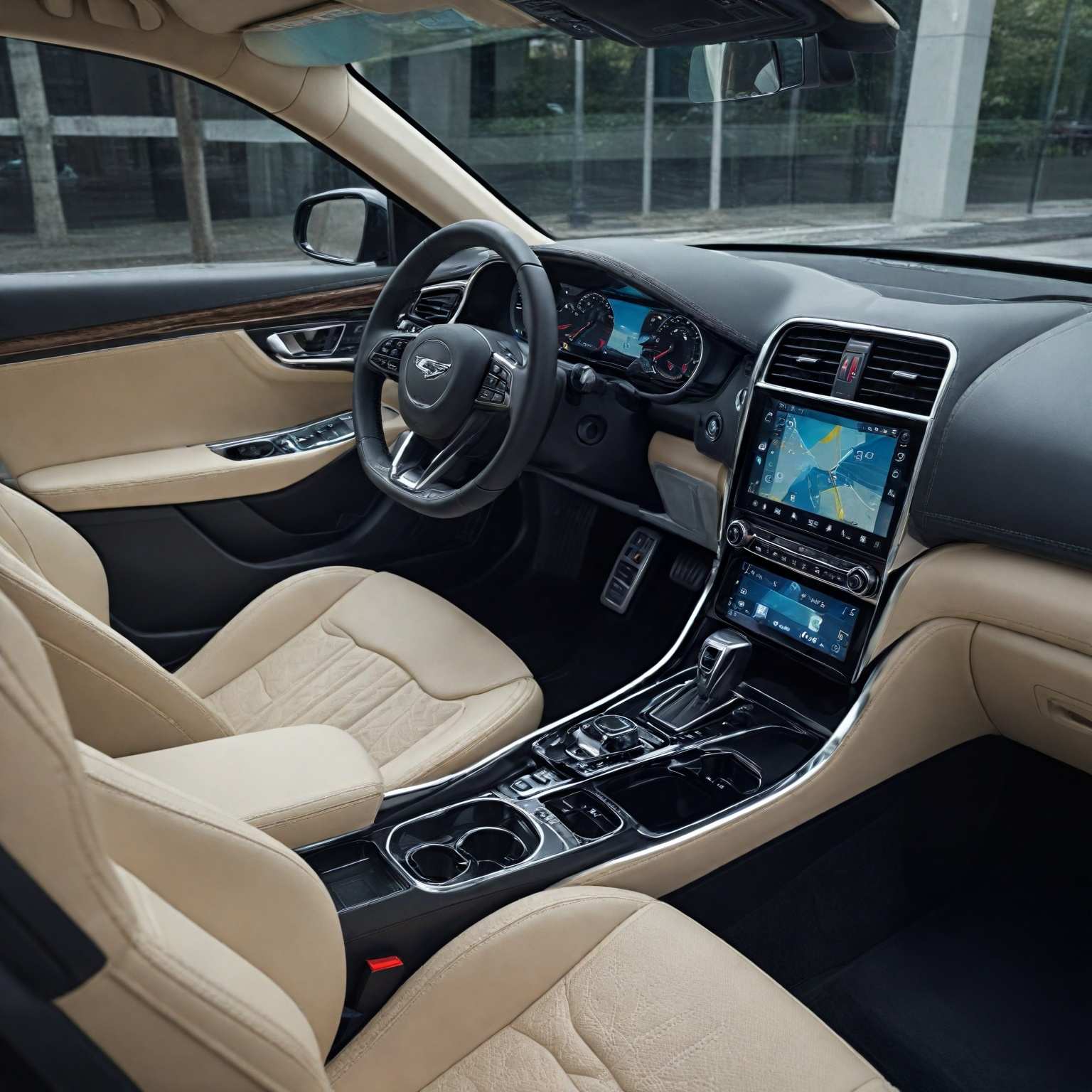
2025 vehicles offer hidden features improving safety, comfort, and control. Infotainment systems like Porsche Macan EV’s full-screen navigation and Hyundai’s curved wireless displays enhance usability. Many manufacturers reintroduce physical controls for key functions to reduce distraction. Advanced ADAS use improved radar and AI processing for better detection, exemplified by BYD’s “God’s Eye” system. Smart seatbelt technologies provide haptic feedback for safety alerts, and coordinated safety components improve protection during collisions. Intelligent adjustments to seatbelt tension and suspension optimize comfort and safety without driver input.
Notable Manufacturers and Models Showcasing Hidden Features
Lexus’s 2025 ES replaces many touchscreen controls with tactile interfaces and upgrades safety systems. Volvo’s EX90 features autonomous driver monitoring and AI-driven adaptive seatbelts. Honda’s 2025 models improve suspension and radar systems, with the Civic earning top safety ratings. Japanese brands widely adopt AI driver monitoring. Lucid’s Gravity SUV pairs high performance with user-friendly infotainment. Toyota’s 2025 models include subtle tech enhancements, while Bugatti’s Tourbillon blends heritage with electric performance. These examples reflect the industry’s push for concealed, sophisticated safety and convenience technologies.
User Access and Interaction with Hidden Features
Complex touchscreen interfaces often hinder access to hidden features, as seen with the MG Marvel R’s poor usability due to nested menus. Physical controls remain superior for safety and ease of use, prompting manufacturers like Mercedes-Benz to reintroduce knobs and buttons. Simplifying interfaces and providing intuitive feedback are essential to fully utilize advanced vehicle features and improve the driving experience.
Impact on Driving Experience
Advanced driver-assistance features enhance safety while preserving driver control, as with BMW’s supportive systems. AI driver monitoring reduces risks from fatigue and distraction. Standard features like blind-spot monitoring and adaptive cruise control improve safety without compromising engagement. Active seatbelt systems dynamically adjust to protect occupants, complemented by reminder systems that increase compliance and save lives.
Challenges and Criticisms
Touchscreen reliance raises distraction concerns due to complex menus, reducing usability and safety. This has driven calls for physical controls favored for haptic feedback and intuitive use. Radar systems face challenges in hardware miniaturization, cost, and data requirements for machine learning improvements, affecting real-time processing and overall ADAS effectiveness.
Future Directions and Emerging Technologies
Vehicle connectivity and AI integration will deepen, enabling intelligent communication and adaptive safety systems like AI-driven seatbelt monitoring. Advances in radar processing and sensor fusion will improve autonomous driving capabilities. Regulatory frameworks are evolving to support innovation while ensuring safety. Emerging technologies such as 5G, 3D printing, and blockchain will further transform automotive design and user experience, paving the way for smarter, safer, and more connected vehicles in 2025 and beyond.
The content is provided by Blake Sterling, Direct Bulletins