Highlights
- Nutrient-dense snacks are essential for supporting bone health and preventing osteoporosis.
- Incorporating calcium and vitamin D-rich foods into your diet can enhance skeletal strength.
Smart Snacking for Stronger Bones
Smart Snacking for Stronger Bones: Nutritional Choices for Osteoporosis emphasizes specific dietary habits and snack choices that can significantly impact bone health, particularly for those at risk of osteoporosis. The article focuses on integrating essential nutrients like calcium, vitamin D, and magnesium into daily snacks, addressing a pressing need for effective strategies in osteoporosis management. By making informed snack decisions, individuals can enhance their bone health and potentially reduce their fracture risk through practical and enjoyable options.
Understanding Osteoporosis
Osteoporosis is a condition marked by decreased bone density and increased fracture risk. It arises from imbalances between bone formation and resorption, driven by various factors including dietary habits and lifestyle choices. Recognizing the role that effective nutrition plays in bone strength is crucial, as deficiencies in essential nutrients can contribute to enhanced fragility and conditions like osteomalacia, highlighting the need for dietary adjustments.
The Role of Nutrition in Bone Health
Nutrition is pivotal for preventing osteoporosis, with vital nutrients supporting bone structure and density. Calcium is the primary mineral in bones, and its absorption is enhanced by vitamin D, while magnesium further contributes to overall bone health. A diet rich in these nutrients, alongside others like potassium and vitamin K, is essential for maintaining bone integrity and reducing the likelihood of fractures, emphasizing the importance of balanced dietary choices.
Smart Snacking Strategies
Incorporating nutrient-dense snacks throughout the day can bolster bone strength and help mitigate osteoporosis risk. Options such as beans, nuts, seeds, and dairy products not only provide essential nutrients but can be easily integrated into everyday eating habits. By choosing snacks that include calcium, magnesium, and vitamin D, individuals can enjoy practical ways to enhance their bone health while maintaining satisfaction in their dietary choices.
Key Nutrients for Bone Health
Essential nutrients for bone health include calcium and vitamin D, found abundantly in dairy products. Additionally, magnesium and potassium support bone strength by helping to maintain calcium levels. Incorporating a variety of fruits and vegetables can enhance the intake of these critical nutrients, aiding in overall bone health and reducing the risk of osteoporosis.
Snack Suggestions
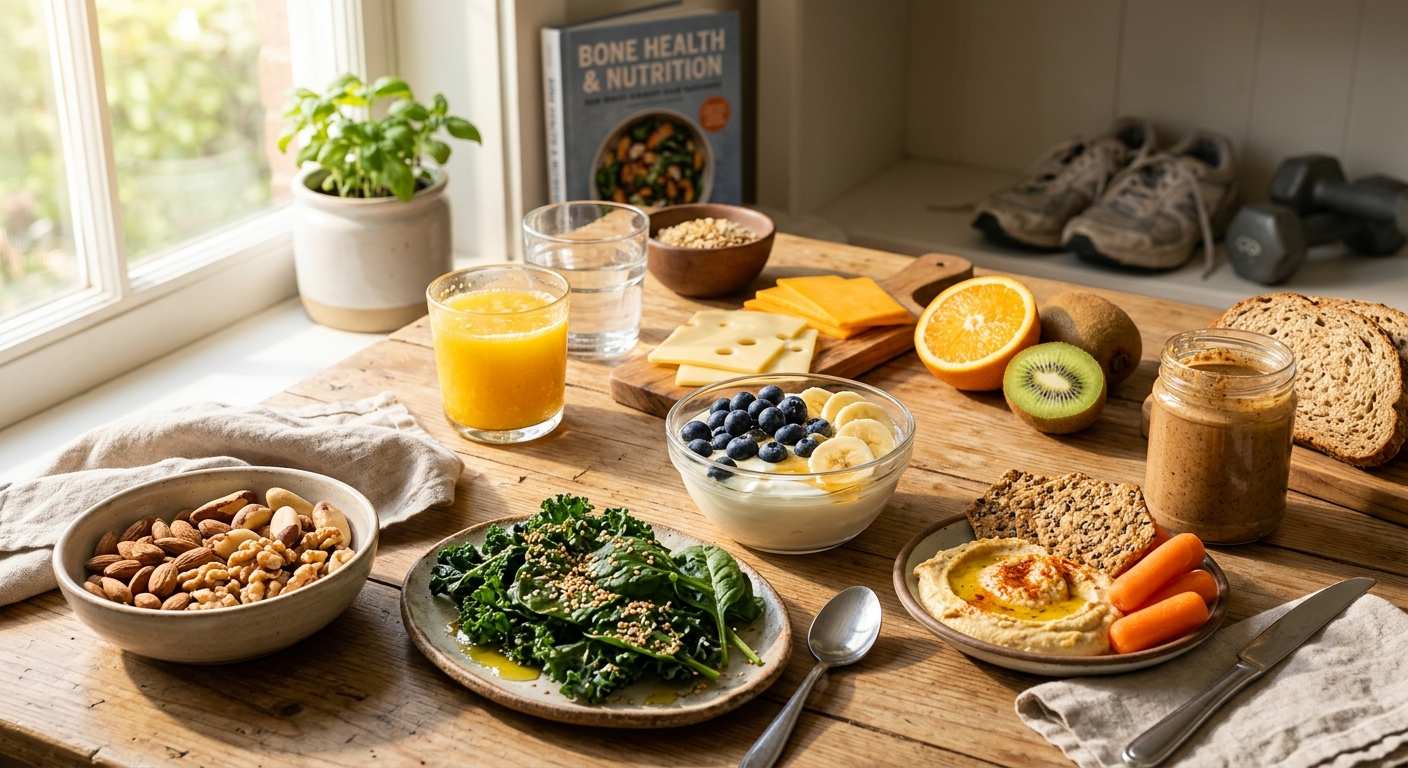
Nuts like almonds and sunflower seeds are exceptional choices, combining healthy fats and protein with key bone-supporting nutrients. Fruits, particularly citrus and berries, contribute essential vitamins and minerals, while leafy greens like kale provide a wealth of nutrients beneficial for bone health. Snacks should aim for diversity to cover all essential nutrients needed for maintaining bone integrity.
Snack Frequency and Balance
Aiming for 4-5 small, balanced meals and snacks daily can ensure a steady supply of nutrients critical for bone repair and strength. Each snack should ideally include a mix of protein, vegetables, and healthy fats to support ongoing bone health. This strategy helps maintain bone density and promotes healthy muscle function, which can further mitigate osteoporosis risk.
Foods to Avoid
Limiting processed foods, high-sugar items, and excessive salt is essential as these can negatively impact bone density. High sugar intake may lead to increased calcium and magnesium loss, weakening bone structure. Adjusting dietary habits away from these items can optimize overall bone health and should be considered in daily meal planning.
Industry Insights on Bone-Health Snacks
The development of snacks designed for bone health focuses on maximizing nutrient delivery and bioavailability. Advances such as microencapsulation of vitamin D help ensure its stability and effectiveness in products. This innovation reflects growing consumer interest in functional foods, highlighting the importance of nutrient-rich snacks that can contribute to better bone health outcomes.
Additional Factors Influencing Bone Health
Bone health is influenced by both nutrition and lifestyle choices, where physical activity plays a critical role. Regular weight-bearing exercise enhances bone density and lowers fracture risks. Conversely, detrimental habits like smoking and excessive alcohol intake can compromise bone health, reinforcing the significance of a well-rounded approach to maintaining skeletal strength.
The content is provided by Sierra Knightley, Direct Bulletins