Highlights
- Effective kitchen cabinet organization maximizes storage and enhances cooking efficiency.
- Explore innovative accessories that elevate usability and maintain a stylish kitchen environment.
Summary
Practical Guide to Kitchen Cabinet Organization Ideas delves into strategies and materials designed to optimize storage in kitchen cabinetry. Effective organization is essential for maximizing space and accessibility while also enhancing aesthetics and functionality. This guide covers various techniques, accessories, and planning tailored to different kitchen designs and layouts. It discusses cabinet types like shaker and frameless designs as well as materials such as solid and engineered wood, emphasizing how style and functionality can align for effective storage solutions. Innovative built-in options, zoning techniques, and regular maintenance practices are also explored, providing homeowners and designers with insights to create inviting and efficient kitchen environments.
Benefits of Kitchen Cabinet Organization
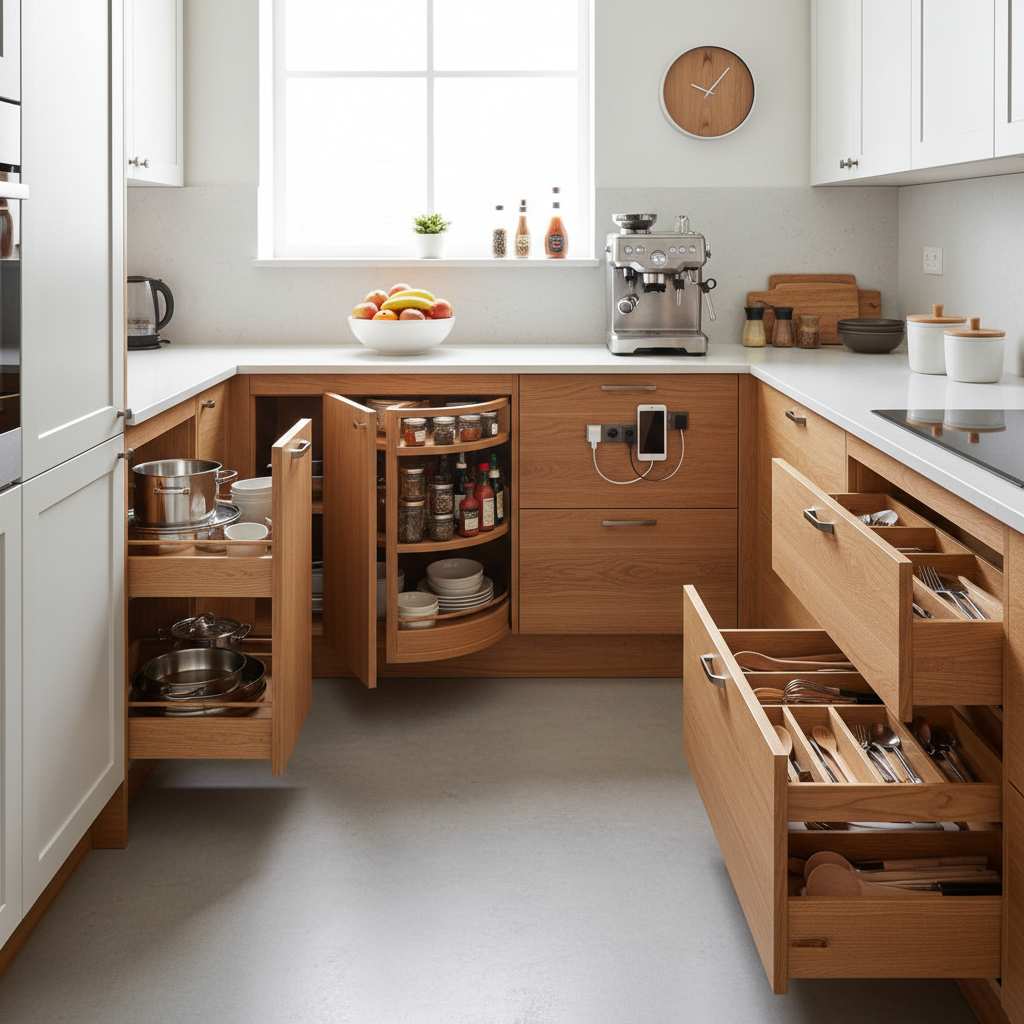
Organizing kitchen cabinets maximizes storage, heightens accessibility, and enhances aesthetics, leading to a more functional and inviting space. Utilizing accessories like pull-out pantries and drawer dividers allows homeowners to optimize storage in kitchens with ample configurations, including U-shaped designs. Better organization helps reduce clutter and food waste, as items can be easily found, stored, and maintained without hassle. The thoughtful arrangement of similar items also cultivates a cohesive kitchen atmosphere while offering practical solutions for day-to-day cooking. Ultimately, organized cabinets create a balanced blend of efficiency and visual appeal.
Planning for Kitchen Cabinet Organization
Effective organization begins with assessing cooking habits and storage needs, allowing you to determine the best solutions for your space. Frequent cooking patterns will dictate the necessary storage capacity and enable the selection of appropriate organizational tools. Positioning kitchen zones strategically, such as keeping prep areas near appliances, optimizes daily activities. Moreover, the kitchen layout plays a significant role in this planning process, determining cabinet structure and flow. Ensuring that the cabinet style aligns aesthetically with the kitchen enhances overall appeal while also fulfilling functional requirements.
Types of Kitchen Cabinets and Their Impact on Organization
Understanding different cabinet styles and constructions can significantly influence both functionality and visual appeal. Shaker cabinets provide a versatile choice with easy customization options, while full overlay cabinets create a sleek, modern look that enhances accessibility. Raised paneled cabinets add traditional elegance, but may require more upkeep due to their intricate design. Frameless cabinets support minimalist designs with functional features that maximize storage. Overall, the choice of cabinet style impacts not only aesthetics but also how effectively the space can be organized.
Materials Used for Kitchen Cabinets and Their Organizational Implications
Cabinet materials affect both durability and organizational capacity. Solid wood cabinets offer enduring strength, while engineered options like plywood and MDF provide budget-friendly, resilient alternatives. Wood veneer offers aesthetic appeal at a lower cost, while bamboo boasts exceptional strength and eco-friendliness. Reclaimed wood adds character and sustainability to kitchen designs. Each material influences cabinet organization, determining the feasibility of integrated storage solutions, so choosing wisely is essential for creating both attractive and functional spaces.
Organization Techniques and Best Practices
To enhance kitchen cabinet organization, implement zoning by grouping similar items together, ensuring that frequently used tools are easily accessible. Employ pull-outs, lazy Susans, and shelf risers to maximize visibility and storage efficiency in deep or awkward spaces. Regular decluttering promotes effective organization, ensuring that cabinets accommodate only necessary items. Enhancements like storage bins and adjustable inserts improve accessibility, while uniform jars can streamline contents in pantries. By considering layout and workflow, you can develop an organized approach that fits your culinary lifestyle.
Storage Accessories and Built-In Solutions
Modern kitchens benefit from smart storage solutions like lazy Susans and pull-out shelves that enhance accessibility and organization. By integrating charging drawers and other innovative features, space can be optimized while catering to contemporary needs. Each built-in solution can support various kitchen styles, ensuring both practical storage and efficient use of space, thereby improving day-to-day kitchen activities without cluttering the environment.
Organization Ideas by Kitchen Style
Organizational strategies should align with kitchen aesthetics to ensure that functionality complements visual appeal. Rustic kitchens benefit from open shelving and closed cabinets for hidden items, while minimalist designs prioritize streamlined, handleless options. Traditional kitchens often blend shaker cabinets with both open and closed storage to optimize accessibility. Contemporary spaces utilize pull-out designs for easy categorization. Tailoring solutions to each kitchen style enhances both beauty and utility, creating an inviting and efficient workspace.
Influence of Kitchen Layouts on Organization Strategies
The layout of a kitchen significantly affects its organization and functionality. U-shaped kitchens provide extensive storage but require solutions for deep corners; L-shaped kitchens support efficient workflows but may present challenges for awkward storage. Regardless of layout, a functional cabinet design incorporates clear zones tailored to specific items, maximizing accessibility while facilitating easy maintenance and orderliness. Aligning organizational strategies with layout promotes both form and function within the kitchen environment.
Materials and Tools for Organization
Using the right materials and tools is essential for maximizing kitchen cabinet organization. Drawer organizers improve accessibility, while lazy Susans can make corner spaces more usable. Adjustable shelves create better vertical storage, while pull-outs facilitate access to deep cabinets. Tools designed for specific tasks, such as drying racks and integrated charging drawers, enhance productivity and organization. Prior planning and measurements ensure that chosen solutions fit seamlessly into your space, optimizing both storage efficiency and aesthetic appeal.
DIY vs. Professional Installation
Deciding between DIY and professional installation impacts your organization project’s cost, convenience, and outcome. DIY approaches can save money and allow more personal control over the process, but require careful planning to ensure success. However, complex installations may benefit from professional expertise, ensuring durability and an aesthetically pleasing finish. Weighing personal skill levels against desired outcomes will guide whether a DIY or professional route is best suited for your kitchen cabinet organization project.
Maintenance and Upkeep
To maintain an organized kitchen, regular upkeep is necessary. Habitual cleaning prevents dirt buildup while decluttering helps create efficient systems. Grouping items by use, such as keeping utensils close to the stove, enhances accessibility and keeps the kitchen tidy. By integrating organizational features into cabinetry design, the kitchen remains functional and organized for long periods, promoting a welcoming environment for daily use.
Environmental and Sustainability Considerations
When selecting kitchen cabinet materials, consider their environmental impact. Reclaimed wood is eco-friendly, reducing the need for new lumber, while engineered woods are resource-efficient with lower footprints. Sustainability can also be woven into storage designs, such as integrated waste management systems that promote responsible disposal practices. Choosing materials and solutions that prioritize sustainability contributes positively to the kitchen’s functionality and environmental impact.
The content is provided by Avery Redwood, Direct Bulletins