Highlights
- Flexible car rental options empower rideshare drivers to start with lower upfront costs.
- Lease-to-own programs help drivers transition from renting to owning while building equity.
Summary
How to Rent a Car for Uber and Buy It Later provides a comprehensive guide for rideshare drivers seeking flexible vehicle access without immediate ownership. Renting cars through Uber’s Vehicle Marketplace and affiliated rental partners such as Hertz, Avis, and ZipCar allows drivers who do not own a car—or prefer not to use their personal vehicle—to begin rideshare driving with lower upfront costs and reduced financial risk. These programs offer various rental durations, from hourly to weekly or monthly, often including insurance, maintenance, and roadside assistance, making them accessible and convenient options for gig economy workers.
In addition to standard rentals, the page explores lease-to-own and rental-to-own programs that enable drivers to transition from renting to vehicle ownership over time. These arrangements can be financially advantageous for drivers committed to long-term rideshare driving, providing a pathway to build equity in a vehicle while managing costs. The article also details eligibility criteria, such as minimum age, vehicle condition requirements, and necessary documentation, which vary by rental company and location to ensure compliance with Uber’s standards and local regulations.
Cost considerations are a significant focus, highlighting that while rental programs offer flexibility, they typically involve higher weekly expenses compared to driving a personal vehicle, potentially impacting driver profitability. Financing options tailored for gig workers with non-traditional income, including specialized loan programs that consider recent rental payment history rather than credit scores alone, are discussed as viable alternatives to traditional car loans. The lead also acknowledges the practical and financial trade-offs drivers face when choosing between renting, leasing, or purchasing vehicles for rideshare driving.
Controversies and challenges include the higher cost burden on drivers who rent compared to those who own vehicles and the variability in rental terms and availability across cities. Additionally, drivers must navigate insurance complexities and ensure full compliance with Uber’s vehicle eligibility policies to maintain active driving status. Overall, the topic is notable for its relevance to the expanding gig economy and the growing demand for flexible transportation solutions that balance accessibility, cost, and long-term financial goals.
Overview of Renting a Car for Rideshare Services
Renting a car for rideshare services such as Uber provides a flexible and accessible option for drivers who do not own a vehicle or prefer not to use their personal car. Various rental programs offer monthly, weekly, daily, or even hourly rentals, catering to different driver needs and schedules. This flexibility allows drivers to start earning quickly without the upfront costs or long-term commitments associated with purchasing a vehicle.
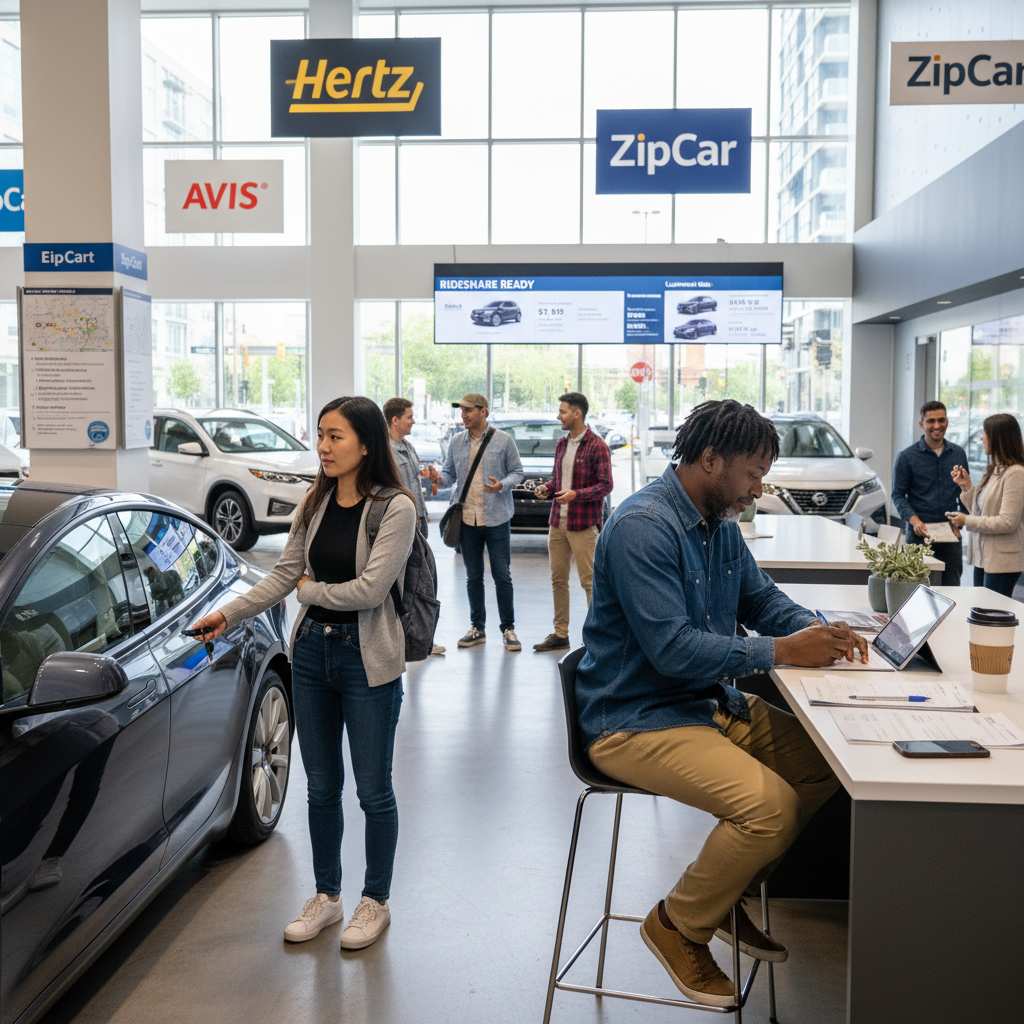
Uber has developed partnerships with several rental companies, including Hertz, Avis, ZipCar, and Getaround, through its Vehicle Marketplace to facilitate access to rental cars tailored specifically for rideshare drivers. These partnerships often include the convenience of booking and managing rentals through a mobile app, allowing drivers to pick up vehicles from nearby locations or have them delivered directly to their door. Rental agreements typically cover insurance and maintenance costs, reducing the driver’s responsibilities and unexpected expenses.
Many rideshare rental programs require a deposit upon signing the rental agreement, with some also offering options for drivers as young as 18 years old to rent vehicles suitable for both passenger rideshare and delivery services such as DoorDash and Instacart. Additionally, some programs offer electric and hybrid vehicles to help drivers save on fuel costs and promote environmentally friendly driving.
Beyond simple rentals, there are also rent-to-own or lease-swapping programs that enable drivers to eventually own the vehicle after a period of renting and making payments, which can be a financially beneficial route for those committed to long-term rideshare driving. These various options make renting a car for rideshare services an accessible, convenient, and flexible solution for individuals looking to enter or sustain a career in the gig economy.
Eligibility and Requirements for Renting a Car for Uber
To rent a car through Uber’s Vehicle Marketplace, applicants must first be approved to drive with Uber. Additionally, renters need to meet minimum age requirements, which typically range from 21 to 25 years old depending on the rental company’s terms and the specific region or city in which the vehicle will be used. Only drivers who have received Uber’s approval are eligible to participate in the rental program.
Vehicles available for rent usually include compact and midsize sedans such as the Hyundai Sonata and Nissan Altima, with some locations also offering models like the 2021 Tesla Model 3 (Standard Range Plus). All rental vehicles must comply with Uber’s vehicle eligibility criteria, which include having four doors, the capacity to transport at least four passengers, and a title that is not salvaged, reconstructed, or rebuilt. Furthermore, vehicles cannot display cosmetic damage, missing parts, commercial branding, or taxi paint jobs.
Insurance coverage is a critical aspect of eligibility; the driver’s name must appear on the vehicle insurance document for the car to be approved for use on Uber’s platform. Heating and air conditioning systems must function properly to ensure passenger comfort, and vehicles must meet the age requirements established for the specific city of operation. Uber emphasizes adherence to local laws and its own policies to maintain a safe and reliable experience for both drivers and riders.
Additional documentation may be required by rental suppliers, including proof of address. When adding additional drivers, all must meet the rental company’s age and licensing criteria and be physically present with their required documents at the time of rental. It is important to notify the rental company about any additional drivers during vehicle pickup.
Rental cars provided through Uber include benefits such as free unlimited mileage and 24/7 roadside assistance, helping to reduce the burden of vehicle maintenance and unexpected issues. While renters may incur some additional costs such as basic maintenance or potentially higher insurance premiums, these are generally lower than the expenses associated with car ownership and help avoid wear and tear on personal vehicles. This rental program is designed to make driving opportunities through Uber more accessible to a wider range of drivers.
Renting Process and Rental Agreements
Renting a car for Uber typically involves selecting a rental option that fits your needs, which can vary by city and provider. You may choose to pick up the vehicle directly at the rental counter, requiring you to handle both pick-up and return on your own. Alternatively, some services offer Car Delivery, where the vehicle is delivered to and collected from a specified location, available only in select markets.
To complete a rental reservation, you must provide the renter’s full name exactly as it appears on your driver’s license and payment method. The name should be between 2 to 15 characters and may include Latin and English characters, hyphens, apostrophes, and spaces. Additionally, you will need to present essential documents such as a valid driver’s license, insurance information, proof of income (including statements or gig app screenshots), and a profile from a ride or delivery platform like Uber or Lyft. Some suppliers may request additional documentation, such as proof of address, so checking with the rental company directly is advised.
Rental agreements usually allow for extensions, often up to three times in increments of seven days. For example, in cities like Chicago and Seattle, Hertz offers an auto-renew feature that extends the rental up to three times automatically every seven days unless the vehicle is returned to the original rental location. However, all renters must return the car every 28 days for routine maintenance and to renew the rental contract if they wish to continue using the vehicle. Extensions and changes to Car Delivery reservations must be made at least 2.5 hours in advance to ensure timely vehicle pick-up and return.
Pricing for rentals is influenced by several factors including rental duration, car make and model, advance booking time, rental day and time, and location. Additional fees such as taxes, gas, and insurance may or may not be included in the base price, so reviewing the full terms and conditions on the rental company’s website is important. Deposits are typically required and refunded upon vehicle return, minus any outstanding payments or charges accrued during the rental period.
Many rental programs designed for Uber drivers provide benefits such as unlimited mileage, roadside assistance, and insurance coverage. Some companies, like Getaround and Kinto Share, offer flexible rental periods—hourly, daily, or weekly—with transparent pricing and the convenience of phone-based vehicle access to avoid long lines. Compliance with local laws and Uber vehicle requirements is mandatory, with some markets imposing specific vehicle eligibility standards.
Insurance coverage during rentals is critical. While personal insurance policies with comprehensive and collision coverage form the basis, additional third-party liability insurance provided by Uber covers injuries and damages up to $1,000,000. This insurance also includes protection for personal injury and medical payments for drivers and riders, regardless of fault. Coverage for vehicle repairs is contingent upon maintaining personal comprehensive and collision coverage and involves a deductible.
Costs and Budgeting for Renting a Car to Drive for Uber
Renting a car to drive for Uber involves various costs that drivers should carefully consider to manage their budgets effectively. The average weekly rental price through Uber’s Rental Car program is approximately $260, which generally includes insurance, roadside assistance, and unlimited mileage. However, this base rate often excludes taxes, fees, and fuel expenses, which can significantly increase the overall cost. For example, some drivers report total weekly costs ranging from $300 to $350 after adding fees and taxes, with an initial down payment around $500.
Rental agreements typically offer flexible durations, allowing drivers to rent by the hour, day, or week, depending on their needs and location. While maintenance and insurance are usually included in the rental price, drivers remain responsible for fuel and any additional costs not covered by Uber’s insurance policies. It is important to note that Uber’s insurance protections do not cover regular vehicle maintenance.
Drivers using their own vehicles usually incur lower weekly expenses than those renting through Uber, as rental fees can be significantly higher than the costs associated with personal vehicle maintenance and insurance. Consequently, renting a car can reduce a driver’s profit margin compared to driving their own vehicle. This cost difference is critical when considering long-term financial viability, especially for drivers who plan to use Uber temporarily or part-time.
Additional budgeting considerations include the potential for rental extensions, which must be arranged with the rental company in advance and may involve extra charges depending on availability. Rental cars may also offer options for different Uber services, such as UberXL or Uber Comfort, though these options can influence the overall price.
When comparing rental costs with other rideshare rental programs, Uber’s prices tend to be higher than competitors like Lyft, whose rental fees range between $185 and $235 weekly, plus a refundable security deposit. Drivers should weigh these costs against their expected earnings and driving frequency to determine the most economical choice for their situation.
Lease-to-Own and Rental-to-Own Programs for Uber Drivers
Lease-to-own and rental-to-own programs offer flexible vehicle acquisition options tailored for Uber drivers who want to eventually own a car while minimizing upfront costs. These programs typically begin with a leasing or rental arrangement that transitions into ownership after a specified period or payment threshold is met, providing a pathway to vehicle ownership without immediate full payment.
Lease-to-Own Options
Leasing programs for Uber drivers generally involve monthly fees without immediate ownership, allowing drivers to use a vehicle temporarily while deciding if ridesharing fits their needs. Traditional leases, lease swapping, and online rental platforms provide different leasing terms depending on the city and service provider. These programs often include maintenance and inspection services to ensure the vehicle remains in good condition throughout the lease period.
Drivers considering leasing should evaluate whether their long-term plans align with such arrangements, especially if they plan to drive for Uber temporarily. Leasing can be a cost-effective solution for short-term use, but it does not provide ownership at the end of the lease unless structured as a lease-to-own agreement.
Rental-to-Own Programs
Rental-to-own programs, such as those offered through Hertz’s Rent2Buy, enable drivers to start with a rental and transition to purchasing the vehicle later. This approach allows drivers to test the vehicle and ensure it suits their business needs before committing to ownership. Used vehicles are often available at competitive prices through certified programs, sometimes starting as low as $11,000.
Drivers must typically qualify by presenting a valid driver’s license and payment method, and depending on the program, vehicles can be picked up at rental counters or delivered to a specified location. Rental companies may also provide the option to swap vehicles or return them with prorated fees if the driver chooses not to continue.
Benefits and Considerations
These programs cater to drivers who want flexibility and reduced upfront costs while aiming for eventual ownership. They also provide access to vehicles compatible with Uber and other delivery platforms like Postmates and DoorDash, broadening usage options. However, availability and specific terms vary significantly by city and service provider, so drivers should carefully review local offerings and contract details before enrolling.
Financing Options for Purchasing a Vehicle After Renting
When considering purchasing a vehicle after renting for Uber driving, there are several financing options available that cater to different credit profiles and income situations. Traditional car loans generally require a good credit score, typically 650 or higher, along with proof of income, but some lenders may have more flexible criteria depending on the financing product. However, Uber drivers often face challenges in securing financing due to the variable and sometimes unpredictable nature of gig economy income, which can lead to higher interest rates or difficulty in qualifying for loans through conventional banks.
One alternative is financing programs designed specifically for gig economy drivers. For example, Galpin Motors offers a tailored loan process that does not require a minimum credit score and instead bases approvals on recent rental payment history and gig income over the past six months. This approach helps drivers with non-traditional income streams, such as those from Uber or Lyft, gain access to vehicle ownership without the lengthy delays typical of traditional lending. Documentation typically required includes a driver’s license, insurance information, proof of income (such as bank statements or app earnings screenshots), and a profile from the ride-sharing platform.
In addition to outright purchasing options, Uber’s Vehicle Marketplace provides flexible renting and leasing solutions through third-party partners. These options often include hourly, daily, or weekly rentals, with insurance and maintenance typically included, reducing upfront costs and responsibilities for drivers. While these rent-based financing options do not result in ownership, they offer short-term flexibility for drivers who may only plan to work with Uber temporarily or as a side gig. For drivers interested in eventually owning a vehicle, choosing a financing plan that culminates in ownership is generally advisable.
It is important for drivers to weigh the long-term viability of their financing choice. Renting is more suitable for those with short-term plans or uncertain driving schedules, while financing a vehicle through specialized loan programs can offer the benefit of eventual ownership and potential resale value. Additionally, some dealerships are beginning to work directly with Uber drivers to provide more accessible financing options, although this is not yet widespread.
Transitioning from Renting to Owning
When considering a transition from renting a vehicle for Uber driving to owning one, it is important to evaluate your long-term goals and how they align with your financing options. Renting may be suitable for those planning to drive only temporarily or part-time, such as a few months or a few days per week. However, if you intend to drive for Uber on a more permanent basis, purchasing a vehicle that you own can be a more viable long-term option.
Rental options vary depending on the city, and it is essential to use only authorized rental companies to avoid the risk of permanent deactivation of your Uber account. Additionally, vehicles used for Uber must meet specific appearance and condition standards: no cosmetic damage, no missing pieces, and no commercial branding or taxi paint jobs. They must also have properly functioning heating and air conditioning systems, which the driver can adjust for comfort.
If you decide to extend your rental period while considering the purchase of your own vehicle, contact the rental company’s customer support or visit a local branch before the original return time. Extensions depend on availability and will incur additional charges. For rentals delivered via Car Delivery services, changes must be requested more than 2.5 hours in advance to allow for vehicle pickup and return logistics.
Since Uber does not provide vehicles
Financial and Practical Implications
When considering renting a car for Uber driving with the intention to buy it later, several financial and practical factors come into play. Financing options and rental programs vary, and understanding these can help drivers make informed decisions aligned with their income and long-term goals.
Financing Options and Ownership
For drivers interested in eventually owning their vehicle, financing programs are available that cater specifically to non-traditional income earners such as Uber and Lyft drivers. These programs often require proof of income from gig platforms, recent rental payment history, a driver’s license, insurance information, and a platform profile to qualify. Unlike leasing, these finance programs involve making weekly payments toward the total loan balance, resulting in full ownership of the vehicle once the loan is paid off.
However, traditional lenders may be hesitant to offer competitive interest rates due to the perceived instability of gig income. Drivers with decent credit and vehicles that hold good resale value might secure loans, but often at higher interest rates than conventional employees. Many drivers mitigate this by paying more per month to reduce loan duration and interest accrued.
Rental Considerations and Costs
Rental options, including the Uber Rental Car program, provide flexibility for drivers who do not want to commit to ownership immediately or who plan to drive temporarily. Rental costs start around $260 per week, which typically includes insurance and basic maintenance, but exclude expenses like gas, parking, and tolls. The total cost depends heavily on the vehicle type, rental duration, and add-ons chosen.
Insurance is a significant cost factor when renting a vehicle for rideshare driving. Drivers should carefully evaluate whether rental costs align with their expected earnings to ensure profitability. Additionally, rental and leasing availability and terms can vary by city, affecting overall affordability and convenience.
Long-Term Viability and Strategic Choices
Drivers should assess whether renting or financing a vehicle aligns with their long-term plans. For those driving only a few days a week or for a limited period, renting may be more suitable. Conversely, drivers planning to work full-time or for extended periods generally benefit from financing to achieve vehicle ownership.
Leasing arrangements often do not work well with rideshare driving, as they may not accommodate the unique usage patterns and mileage associated with gig work. Some drivers find it more practical to rent a higher-tier vehicle temporarily and save for a down payment on a personal vehicle to avoid excessive wear on their own cars.
Tips and Recommendations for Uber Drivers Renting to Own
When considering renting a car for Uber with the intention to buy it later, drivers should carefully evaluate their options to ensure the best fit for their needs and financial goals. Renting-to-own programs or financing plans offer different benefits compared to traditional leases, and understanding these distinctions is crucial.
First, assess your long-term plans for driving with Uber. If you only intend to drive for a short period or as a side activity, renting a vehicle on a weekly or monthly basis may be more suitable, as it typically includes insurance and maintenance, relieving you of those responsibilities. However, if you plan to drive full-time or for an extended period, financing a vehicle to eventually own it can be a more cost-effective choice in the long run.
When opting for financing, you will make weekly payments toward the total loan balance until you gain full ownership of the car. This path allows you to build equity in the vehicle, unlike leasing where you return the car at the end of the term without ownership. On the other hand, leasing provides flexibility without ownership, which may appeal to those who prefer not to commit to a long-term vehicle purchase but still need a reliable car for ridesharing.
It is important to consider the total costs involved. For example, some rental offers for Uber drivers may cost around $300–$350 per week, including insurance but excluding additional fees and taxes. Coverage while driving is often included in rental agreements through Uber’s Vehicle Marketplace partners, but routine maintenance remains the driver’s responsibility as an independent contractor.
Finally, rental and leasing options can vary significantly by city, so drivers should research the availability and terms in their specific location before committing. Evaluating these factors carefully will help Uber drivers make an informed decision that balances affordability, convenience, and vehicle ownership goals.
Related Topics
When considering renting a car for Uber driving with the potential to buy it later, several related topics are important to understand. These include the financing options, vehicle eligibility, rental requirements, and benefits of electric vehicles.
Financing and Ownership Options
Drivers have multiple choices when it comes to acquiring a vehicle for Uber. Leasing is a common option that provides temporary access to a car with monthly fees, but the driver does not own the vehicle at the end of the lease term. Alternatives include traditional leases, lease-swapping, and online rentals, each with varying terms and conditions. For drivers planning to work for Uber temporarily, renting or leasing without ownership may be suitable. However, those intending to drive long-term often prefer options that lead to vehicle ownership, as Uber itself does not provide cars for drivers.
Additionally, some financing programs place less emphasis on traditional credit scores and instead consider recent rental payment history. Drivers need to provide documentation such as a driver’s license, insurance information, proof of income, and a profile from a rideshare or delivery platform to qualify for these programs.
Vehicle Eligibility and Requirements
Vehicle eligibility varies by market and product type, with specific requirements detailed on Uber’s Eligible Vehicles webpage. Drivers should check local eligibility to ensure their vehicle qualifies for the service they intend to provide. When renting, drivers can often choose cars that come with insurance, unlimited mileage, and basic maintenance, with options available for hourly, daily, or weekly rentals. Some rentals also qualify for higher-tier Uber services such as UberXL, Uber Comfort, and Uber Comfort Electric.
Additional Drivers and Rental Policies
If more than one person will be driving the rented vehicle, all drivers must meet the rental company’s age and licensing requirements. Additional drivers need to be physically present with their own documents at the time of vehicle pickup to be added to the rental agreement.
Electric Vehicle Incentives
Switching to an electric vehicle (EV) for Uber driving can provide cost savings, as charging costs are typically much lower than gasoline expenses. In certain regions, such as California, Colorado, Massachusetts, and New York City, Uber offers incentives—such as a $4,000 “Go Electric” bonus—to Platinum and Diamond drivers who complete 100 eligible rides in an EV by a specified date. These incentives, coupled with lower operational costs, make EVs an attractive option for rideshare drivers looking to reduce expenses.
The content is provided by Jordan Fields, Direct Bulletins