Highlights
- Embrace eco-friendly packing materials for a sustainable and efficient moving experience.
- Use effective role assignment and planning to minimize stress and ensure smooth transitions.
Summary
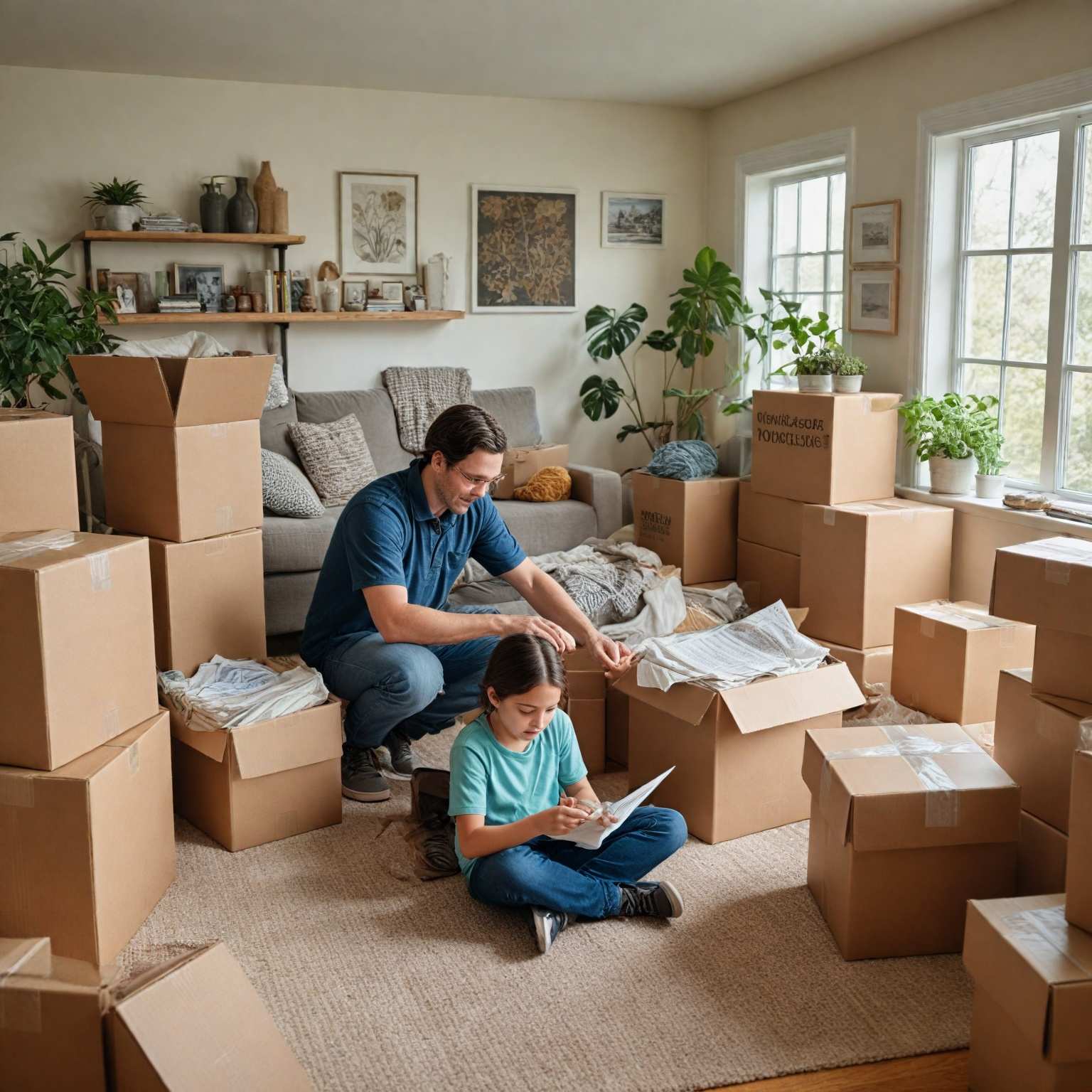
How to Master Home Packing Roles for a Seamless Move in 2025 is a comprehensive guide aimed at helping individuals and families efficiently organize, pack, and execute a residential move with minimal stress. As moving can be a complex and overwhelming process, this guide emphasizes strategic planning, role assignment, and the use of effective packing techniques to streamline the transition. It highlights the importance of early preparation, clear communication, and teamwork among household members to ensure that every task is managed systematically and collaboratively.
The guide also underscores the growing significance of eco-friendly packing materials and sustainable practices in reducing environmental impact during moves. Innovations such as biodegradable packing supplies, reusable storage containers, and certified sustainable products are presented as viable alternatives to traditional materials, aligning moving practices with contemporary environmental values. Additionally, the guide provides practical advice on protecting fragile and valuable items, optimizing loading methods, and employing professional movers when appropriate to safeguard belongings and enhance efficiency.
Addressing common challenges like balancing packing workloads, avoiding last-minute chaos, and maintaining motivation, the guide offers targeted solutions including detailed timelines, age-appropriate task delegation, and morale-boosting techniques. It further stresses the importance of post-move activities such as strategic unpacking, decluttering, and engaging family members to foster a smooth adjustment to the new home. Tools and resources, from specialized packing kits to community support networks, are recommended to facilitate a well-coordinated moving experience.
By integrating these methods and considerations, How to Master Home Packing Roles for a Seamless Move in 2025 serves as an essential resource for those seeking to transform a traditionally stressful endeavor into an organized, efficient, and environmentally conscious process.
Planning and Preparation
Planning is a critical step in making a move less stressful, as it establishes a structured approach that reduces chaos and uncertainty. Having a clear plan allows family members to navigate tasks systematically, making the overall experience less overwhelming. Thoughtful preparation ensures that important items such as essential documents, medications, and irreplaceable belongings are not left behind during the move.
Developing a detailed packing plan is essential for a smooth moving process. Scheduling packing tasks over several days helps avoid last-minute stress, with priority given to rooms closer to daily life. Assigning specific responsibilities to family members fosters teamwork and improves efficiency. An effective strategy includes creating an eight-week packing timeline and organizing a packing schedule that loads larger furniture and appliances first, leaving space for smaller items near the truck door to facilitate unloading.
Decluttering plays a vital role in preparation. Sorting through belongings, minimizing the number of items to move, and packing non-essential items such as clothes, books, and games under adult supervision help reduce waste and streamline the process. Open communication about packing needs and preferences between family members enhances coordination.
Incorporating eco-friendly packing supplies further contributes to a responsible moving approach. Sustainable materials—such as compostable, biodegradable, recycled products, or those with Forest Stewardship Council (FSC) certification—minimize environmental impact throughout their life cycle. These materials often require fewer resources to produce and support a circular economy by maximizing reuse and reducing pollution.
Finally, preparing an “essentials” box containing critical documents, medications, jewelry, and irreplaceable items ensures that these valuables remain accessible during the move. This box serves as a practical tool for maintaining organization and peace of mind amid the packing process.
Organizing Packing Roles and Responsibilities
Effectively organizing packing roles and responsibilities is crucial to ensure a seamless and stress-free move. Developing a detailed packing plan that distributes tasks over several days helps avoid last-minute chaos and ensures steady progress. Prioritizing rooms based on their usage—starting with less frequently used areas such as guest rooms or storage spaces—can make the process more manageable and organized. Assigning specific roles to family members according to their strengths and preferences not only fosters teamwork but also creates a sense of responsibility and ownership among all participants.
Involving children in age-appropriate packing tasks can significantly contribute to the overall effort while teaching them organizational skills. Younger children might sort toys or pack personal belongings, while teenagers can take on more substantial roles like deciding which items to keep or donate, or ensuring that personal essentials are packed last for easy accessibility. Encouraging breaks and fun activities during packing helps maintain morale and keeps everyone engaged throughout the process.
Professional movers and packers play an essential role in handling complex or delicate tasks, such as packing valuable or fragile items with specialized materials and expertise, which minimizes the risk of damage during transport. Clear communication and coordination between family members and professionals optimize efficiency, allowing everyone to focus on their assigned responsibilities.
Moreover, establishing a shared timeline or checklist using tools like calendars ensures transparency and accountability, enabling the entire household to track progress and deadlines. Such organization not only reduces stress but also fosters a collaborative environment that strengthens family unity during the transition. Ultimately, a well-organized distribution of packing roles transforms a potentially overwhelming process into a structured and cooperative experience.
Packing Strategies and Best Practices
Effective packing is essential for a smooth and stress-free move. Developing a clear and organized plan helps ensure that all belongings are securely packed, easily accessible, and ready for transport. One recommended approach is to divide the packing process by tackling one room at a time, beginning with less frequently used areas such as storage closets, attics, or guest rooms. This method keeps the process organized and reduces disruption to daily life, allowing you to gradually progress to more commonly used spaces like bedrooms and living rooms.
Assigning specific packing tasks to family members encourages teamwork and fosters a sense of responsibility, making the overall move feel more manageable. Including children or other household members in packing can also help them feel a greater sense of ownership over the transition, especially when they are encouraged to pack personal or comforting items to ease adjustment in the new home.
An essential part of packing is the careful handling and protection of fragile and valuable items. Using high-quality packing materials such as bubble wrap, packing paper, sturdy boxes, and original packaging for electronics provides necessary cushioning and reduces the risk of damage during transport. Professional packers often employ proven techniques and specialized equipment, such as dollies and custom padding, to safeguard delicate possessions and bulky furniture alike. For added convenience, it is advisable to pack an “essentials” box containing important documents, medications, jewelry, and irreplaceable items like family photos, ensuring quick access upon arrival at the new home.
Proper labeling and organization of boxes are critical for efficient unpacking. Each box should be clearly labeled with its contents and designated room, using permanent markers or color-coded systems where appropriate. This practice not only facilitates unpacking but also helps avoid confusion and loss of items.
In terms of packing materials and sustainability, embracing reusable and environmentally friendly supplies contributes to reducing waste and lowering the carbon footprint of the moving process. Sustainable materials often require fewer resources to produce and support a circular economy by keeping materials in use longer. Additionally, downsizing belongings before the move is an effective strategy to minimize waste and environmental impact.
To ensure safe loading and transportation, heavier items should be placed at the bottom of moving trucks with fragile items stacked on top. Moving during off-peak hours can help avoid traffic delays, and essential documents and valuables should be kept with you rather than packed in boxes.
Finally, having the right tools on hand, such as strong adhesive tape, utility knives, scissors, and permanent markers, can greatly ease the packing process by enabling secure sealing, clean cuts, and clear labeling of boxes. Maintaining a low-traffic storage area for packed boxes helps protect fragile items from damage until they can be transported to the new location.
Eco-Friendly Packing Materials and Innovations
Eco-friendly packing supplies are designed to minimize environmental impact throughout their entire life cycle, from raw material sourcing to post-consumer disposal. Unlike traditional packing materials that often contribute to excess waste and pollution, sustainable packing options promote reusability, biodegradability, and compostability, aligning with growing environmental values. When selecting these materials, it is important to look for certifications such as FSC or SFI to ensure that products come from responsibly managed sources.
A variety of innovative materials and products have emerged to replace conventional packing supplies. For example, Geami’s GreenWrap utilizes a patented expanding die-cut paper combined with a tissue interleaf, creating a cushioning material that is 100% recyclable, compostable, and biodegradable. This product is made from recycled content or certified sustainable forestry sources, providing an effective and eco-friendly alternative to plastic bubble wrap. Similarly, Green Gorilla offers compostable and biodegradable cellulose tape made from pure plant pulp, which complements their GreenWrap solution.
NatureFlex™ films represent another advancement in sustainable packaging technology. Made entirely from biodegradable cellulose derived from wood pulp sourced from responsibly managed plantations, NatureFlex™ films meet global standards for both home and industrial composting. These films are versatile, available in various finishes and colors, and serve as compostable replacements for many traditional plastic packaging types, such as candy wrappers and coffee bags.
TCL Packaging’s EarthFilm® line provides compostable, recyclable, and sustainably sourced alternatives to petrochemical-based plastic films. These materials look and perform like conventional plastic films but are fully compostable at the end of their lifecycle, offering a practical and environmentally friendly solution for flexible packaging needs. However, despite their environmental advantages, these sustainable films can be around three times more expensive and sometimes less user-friendly than petroleum-based alternatives.
Choosing reusable or biodegradable packing options can drastically reduce waste while ensuring the safety of belongings. For instance, renting reusable plastic bins instead of purchasing new cardboard boxes is an effective way to reduce environmental impact over multiple moves. Large plastic storage bins, though initially more costly, provide long-term cost-effectiveness due to their durability and reusability. Additionally, unconventional packing materials like shredded paper have been recommended as excellent cushioning alternatives, further reducing reliance on plastic.
Efficient and Safe Packing Techniques
Efficient and safe packing is essential for a seamless move, ensuring that belongings are well-protected and organized throughout the process. A key strategy is to divide packing by rooms, starting with less frequently used areas such as the attic or basement and progressing to commonly used spaces. This method reduces chaos and keeps the process manageable, especially when assigning specific tasks to each family member to promote teamwork and efficiency.
Using professional-grade packing materials and techniques enhances the safety of fragile and valuable items. For electronics, original packaging is recommended whenever possible, as it provides custom fit and built-in padding that minimize damage risks during transit. Fragile items should be wrapped with specialized moving blankets or padding that offer superior protection compared to traditional household blankets, preventing scratches and breaks. Additionally, stretch wrap is invaluable for securing smaller parts or bundles, and a well-stocked basic tool kit is crucial for disassembling furniture or handling unexpected packing tasks.
Sustainable packing practices are increasingly important; reusable supplies can protect belongings effectively while reducing environmental impact and long-term costs. Selecting eco-friendly materials labeled as compostable, biodegradable, recycled, or FSC-certified aligns with green moving values and supports resource conservation. When loading the moving truck, heavier items should be placed at the bottom with fragile ones on top to avoid crushing. Loading larger furniture and appliances first also maximizes space and facilitates unloading.
For bulky or less frequently used items, storage containers such as stackable HDX Tough Storage Totes offer a practical solution, though they are best used for partial packing rather than an entire household due to stacking limitations and potential fragility. Moving aids like aluminum dollies and furniture sliders reduce physical strain and prevent damage to both belongings and floors, contributing to a smoother moving experience.
Lastly, it is important to pack essential documents, valuables, and hazardous materials separately, as movers typically do not transport these items due to safety and legal considerations. Creating an essentials box with necessary items for the first night can help alleviate stress and ensure important possessions remain accessible. Overall, careful planning, appropriate materials, and organized techniques form the foundation of efficient and safe packing during a move.
Maintaining Motivation and Teamwork During the Move
Maintaining motivation and fostering teamwork are crucial components for a smooth and efficient moving process, especially when involving the whole family. Encouraging active participation helps share the workload and transforms what might be a stressful experience into an opportunity for bonding and collective achievement.
One effective strategy is to involve every family member in age-appropriate roles, such as assigning children the responsibility of packing their personal essentials last to ensure accessibility. This not only keeps them engaged but also prioritizes their safety by setting clear boundaries away from heavy lifting and high-traffic areas. Incorporating regular fun breaks—like quick games or snack times—can help maintain energy levels and create moments of enjoyment amid the busy day.
Teamwork within the family extends benefits beyond the immediate task. Families who work together often complete moving-related jobs more quickly and efficiently, reducing overall stress and creating a sense of shared accomplishment. Open communication about the move encourages everyone to feel invested and fosters a supportive atmosphere.
To sustain motivation, celebrating progress at key milestones is highly recommended. Recognizing achievements—whether completing packing for a room or adhering to a schedule—boosts morale and provides encouragement to continue. Adding an element of excitement through packing challenges, such as setting time limits or competitive goals, can further engage family members. Small rewards or treats for meeting these challenges serve as positive reinforcement, keeping the momentum going.
Moving Day Coordination
Successfully managing moving day requires meticulous planning, clear communication, and effective coordination among all parties involved. Moving involves much more than simply transporting boxes; it demands organizing schedules, collaborating with professional movers and packers, and anticipating challenges to ensure that belongings arrive safely and on time.
One of the most important aspects of moving day coordination is establishing a detailed plan that outlines tasks, timelines, and responsibilities. This plan should account for last-minute essentials, access to frequently used items upon arrival, and clear labeling of boxes to facilitate unpacking and maintain order throughout the process. Assigning roles within the family or moving group helps distribute workload evenly and reduces stress, keeping everyone aligned and focused on the overall goal.
In addition to internal coordination, liaising closely with moving companies or logistics providers enhances the efficiency of the move. Professional movers bring expertise in handling, packing, and transporting goods safely while adapting to any unforeseen circumstances. Utilizing services such as receiving and storage can add flexibility to the schedule, allowing individuals to manage delivery windows around their availability and ensuring belongings are protected from damage or theft during transit.
Open communication is vital throughout the entire moving day. Keeping all parties informed—including family members, movers, and any external service providers—helps avoid common pitfalls and facilitates smooth transitions. Engaging with local resources or community groups can provide additional support and practical advice, further easing the relocation process.
By integrating these strategies, moving day coordination becomes a streamlined and manageable experience, minimizing chaos and maximizing control during what is often one of the most hectic parts of a move.
Post-Move Activities
After completing the move, several important tasks help ensure a smooth transition into the new home. One essential post-move activity is thoroughly cleaning the old residence to leave it spotless for the next occupants. Utilizing specialized cleaning tools and methods can make this process efficient and effective, allowing for a fresh start in the new space.
Another key aspect involves unpacking strategically. Labeling boxes clearly during packing aids in this process by allowing you to prioritize unpacking by room and contents, which reduces chaos and speeds up settling in. Creating an inventory of belongings during packing can also help track items and ensure nothing is lost or misplaced during the move.
Post-move, it is beneficial to engage family members in organizing their own spaces to foster teamwork and
Challenges and Solutions
Packing for a move presents numerous challenges that can impact the overall success and stress level of the relocation process. One common difficulty is managing the balance between overpacking and underpacking items, which often leads to frustration and inefficient use of packing materials such as paper and boxes. Another challenge is dealing with the enormity of the task itself—many items are needed up until the last moment, and it is easy to lose track of essentials required immediately after the move. Additionally, the careful handling of fragile belongings demands specialized packing techniques and materials to prevent damage during transit.
To address these challenges, several effective solutions have been identified. Starting the packing process early and organizing it room by room helps reduce last-minute stress and maintain order. Prioritizing packing of non-essential items first ensures that necessary daily-use belongings remain accessible until the move day approaches. Clear labeling of boxes with their contents and destination rooms facilitates easier unpacking and reduces confusion. Developing a detailed packing plan, including scheduling tasks over several days and assigning responsibilities to family members, encourages teamwork and enhances efficiency.
The use of high-quality packing supplies such as sturdy boxes, bubble wrap, packing paper, and specialized containers for fragile items is crucial to safeguard possessions throughout the move. Moreover, embracing sustainable packing materials offers an environmentally friendly alternative, although these may come with higher costs and sometimes reduced user-friendliness compared to petroleum-based products. Downsizing belongings before the move is also an effective way to minimize waste and environmental impact, while simplifying the packing workload.
Maintaining open communication among family members and engaging with local resources or community groups can provide valuable support and advice, alleviating some of the burdens associated with moving. Incorporating small morale boosters, such as creating a lively playlist for the packing sessions, can transform a tedious task into an enjoyable experience.
By recognizing and addressing these common packing challenges with practical solutions, individuals and families can significantly improve the efficiency and smoothness of their moving process.
Resources and Tools
Successfully mastering home packing roles requires access to a variety of practical resources and tools that can streamline the moving process while reducing stress. Leveraging local resources such as packing supplies and specialized relocation services can significantly ease the burden associated with moving. Community groups often provide valuable advice and firsthand experiences that can help anticipate and avoid common pitfalls during a transition. Maintaining open communication within the family also supports a smoother relocation experience.
When it comes to packing materials, prioritizing eco-friendly options is increasingly important. Sustainable packing supplies, such as compostable, biodegradable, recycled, or FSC-certified products, help minimize environmental impact throughout their lifecycle. These materials not only reduce waste but often support reusability, contributing to a greener moving process. For fragile or high-value items like antiques, artwork, or large mirrors, custom wooden crates offer superior protection; providers like Alliance Relocation Services emphasize sourcing sustainable wood for such crating solutions.
Essential packing tools include stretch wrap and a basic toolkit. Stretch wrap is particularly useful for securing smaller items or parts together during packing and can be found at moving supply stores, home improvement outlets, and online. Opting for heavy-duty varieties prevents tearing and improves protection. A toolkit equipped with screwdrivers, pliers, a hammer, and an adjustable wrench is indispensable for disassembling furniture, removing fixtures, and addressing unforeseen packing tasks.
Additional services such as professional receiving services provide flexibility to movers by managing deliveries on their behalf. This is especially beneficial for individuals with busy schedules, allowing them to plan moves around their availability without worrying about package security or environmental exposure during transit. Overall, integrating the right combination of resources, eco-conscious materials, and practical tools is essential to ensuring a seamless and efficient moving process in 2025.
The content is provided by Harper Eastwood, Direct Bulletins