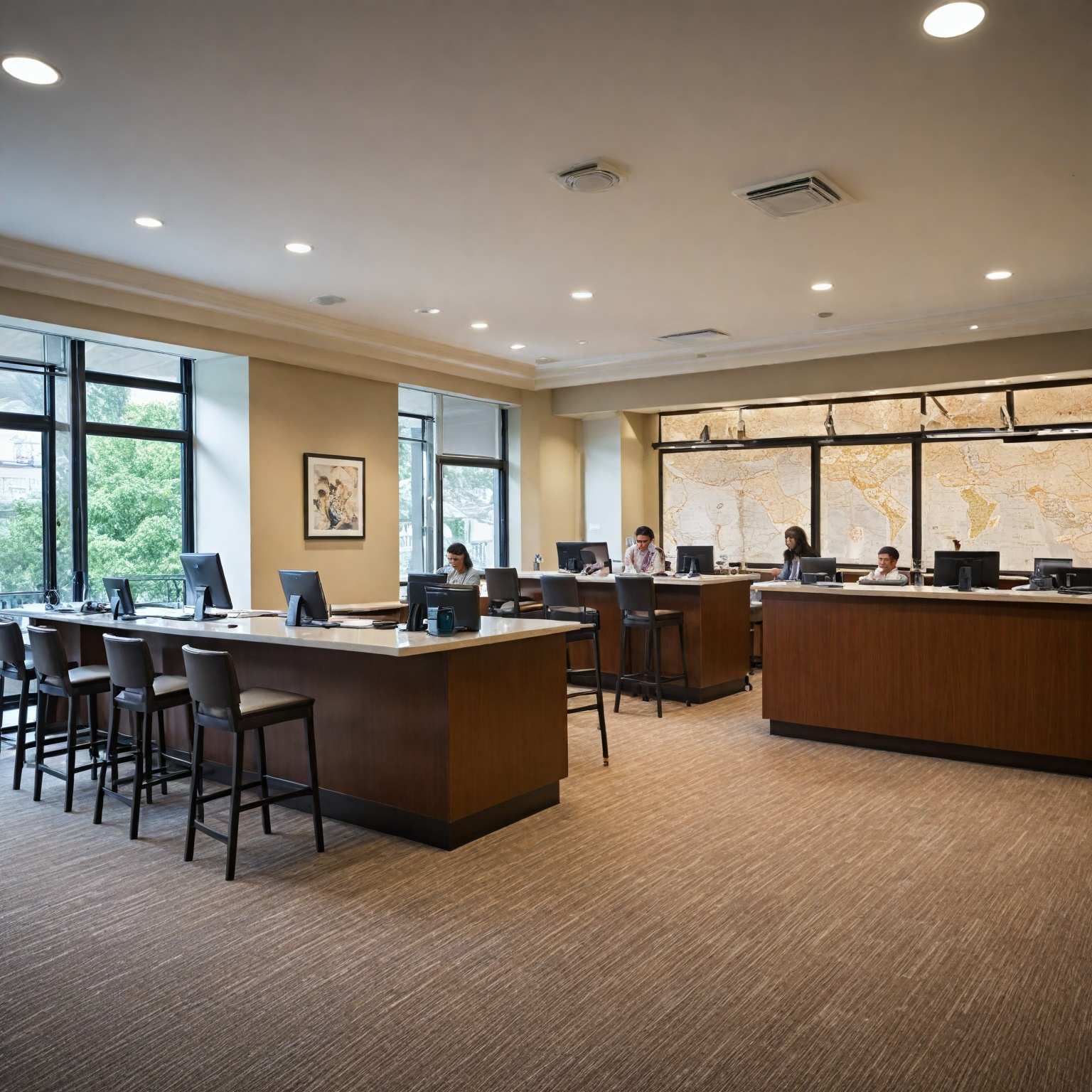
Highlights
- Hotel management courses equip students with essential skills for diverse hospitality careers.
- Accredited programs enhance employability and prepare graduates for real-world industry challenges.
Summary
Hotel management courses are educational programs designed to prepare students for careers in the hospitality industry by equipping them with essential skills in hotel operations, customer service, marketing, and business management. These courses range from short-term certificate and diploma programs to comprehensive bachelor’s and postgraduate degrees, each tailored to different career goals and timelines. They combine theoretical knowledge with practical training, often through internships and industry partnerships, to ensure graduates are workforce-ready and able to handle real-world challenges in diverse hospitality roles.
The curricula typically cover a broad spectrum of subjects such as front office management, food and beverage operations, housekeeping, financial management, and eco-tourism, with many programs offering specialized tracks that allow students to focus on areas like culinary arts, revenue management, or event planning. Accreditation from reputable bodies like the American Hotel & Lodging Educational Institute (AHLEI) adds value to these programs by maintaining industry standards and enhancing graduates’ employability. Additionally, flexible learning formats, including online and hybrid courses, cater to the needs of working professionals and students seeking adaptable education paths.
Choosing the right hotel management course involves careful consideration of factors such as curriculum content, faculty expertise, practical training opportunities, institutional reputation, and career support services. Given the dynamic nature of the hospitality sector, programs that integrate emerging trends like digital transformation and sustainable practices are increasingly important for preparing students for future industry demands. The diversity of course offerings and specializations reflects the expanding scope of hotel management careers, which span roles from entry-level operations to senior management positions across global hospitality brands.
While the hospitality industry continues to grow worldwide, prospective students should weigh the cost, duration, and outcomes of available courses to align their education with their long-term career objectives. Controversies sometimes arise around the quality and recognition of certain programs, particularly shorter or unaccredited courses, making it essential for students to research thoroughly before enrolling. Overall, hotel management education plays a pivotal role in shaping skilled professionals who drive innovation, customer satisfaction, and operational excellence in the global hospitality landscape.
Overview of Hotel Management Education
Hotel management education encompasses a range of courses designed to equip students with the skills and knowledge necessary to succeed in various roles within the hospitality industry. These courses cover diverse subjects such as business administration, marketing, customer service, eco-tourism, hotel operations, food and beverage management, front office services, and housekeeping. The curriculum typically combines theoretical knowledge with practical training to prepare students for real-world challenges in managing hotels and related businesses.
There are multiple educational pathways available in hotel management, including certificate programs, diplomas, associate degrees, bachelor’s degrees, and postgraduate degrees such as master’s programs. Certificate and diploma courses usually last from one to one and a half years and focus on specialized skills for quicker workforce entry. Associate and bachelor’s degree programs, typically ranging from two to three years, provide a more comprehensive education and broader career opportunities. Postgraduate courses, which generally take one to two years, are designed for those seeking advanced specialization or career advancement in hospitality management.
Many programs emphasize practical experience through internships, industry partnerships, and hands-on learning opportunities, which are essential for developing management and customer service skills. Renowned hospitality schools often tailor their curriculum to align with students’ interests and career goals, offering optional courses and flexible learning formats such as online or hybrid classes. For example, some diploma programs offer the flexibility to complete courses at one’s own pace within a few months, catering to those looking to quickly gain applicable skills.
Students are encouraged to carefully examine the curriculum, faculty expertise, and internship opportunities when selecting a program. This helps ensure the chosen course aligns with their career aspirations and provides the competencies needed for success in the hospitality industry. Additionally, certification courses offered by institutions like the American Hotel & Lodging Educational Institute (AHLEI) provide targeted continuing education options for ongoing professional development. Whether opting for short courses lasting weeks or comprehensive degree programs spanning several years, prospective students have a variety of educational paths to suit their needs and timelines.
Curriculum and Skills Development
Hotel management courses are designed to provide students with a comprehensive understanding of the hospitality industry, combining theoretical knowledge with practical skills essential for career success. The curriculum typically covers core subjects such as business administration, marketing, customer service, eco-tourism, financial management, and operational strategies tailored to the hotel and broader hospitality sectors.
Courses are often structured into modules, each featuring practice exercises and evaluations to reinforce learning. Many programs emphasize visual and interactive teaching methods, such as instructional videos led by highly qualified teachers with extensive practical experience, ensuring content quality and effective knowledge transfer. Additionally, students gain hands-on experience through internships and live industry projects, which are integral to bridging theory with real-world applications and enhancing career readiness.
Skills development in hotel management programs extends beyond technical knowledge to include leadership, communication, organizational skills, and problem-solving abilities. These competencies are critical for roles such as hotel managers, revenue managers, and marketing managers, who must oversee daily operations, financial planning, and strategic initiatives while maintaining guest satisfaction. Many curricula also integrate training on the latest technologies and sustainability practices, reflecting industry trends like eco-friendly operations and digital innovation to prepare students for future challenges.
Programs may offer specialized tracks or elective courses allowing students to tailor their education to specific career interests, such as food service management, culinary arts, or resort management. Certifications in areas like food handling, first aid, and industry-standard software further enhance employability and practical competence.
Specializations in Hotel Management
Hotel management encompasses a broad range of specializations designed to equip students and professionals with the skills needed to excel in various facets of the hospitality industry. One key specialization involves managing hotel distribution, revenue, and customer demand through comprehensive tactics that blend theoretical knowledge with practical tools aimed at boosting hotel performance across multiple distribution channels.
Another essential area of focus is front office management, which covers guest relations, reservations, check-in and check-out procedures, concierge services, and handling customer complaints. This specialization emphasizes communication and interpersonal skills to ensure excellent customer service. Similarly, housekeeping management is vital for maintaining hygiene and cleanliness standards, including room maintenance, linen and laundry management, inventory control, and interior decoration.
Culinary management is a prominent concentration in hotel management programs, offering training not only in cooking techniques but also in food presentation and leadership within kitchen operations. This specialization teaches students how to maintain consistency in food quality and quantity while leading culinary teams.
Food and beverage management, often integrated with culinary studies, involves overseeing restaurant and banquet operations, inventory, and quality standards to enhance guest satisfaction. Additionally, hotel management programs frequently include courses in marketing and sales, focusing on market research, branding, advertising, and social media strategies tailored to the hospitality sector. Financial management is another crucial specialization, teaching budgeting, financial statement analysis, and capital budgeting relevant to hotel operations.
Some programs offer industry-recognized certifications such as Smart Serve, Food Handlers, and CPR/first aid, which provide graduates with practical qualifications sought by employers. Beyond operational roles, hotel management education prepares students for diverse career paths, including event planning, tourism, and roles in related sectors like real estate and healthcare, reflecting the expanding scope of hospitality management.
Factors to Consider When Choosing a Hotel Management Course
Selecting the right hotel management course is a critical step toward building a successful career in the hospitality industry. Several factors should be carefully evaluated to ensure the program aligns with your career goals and provides the necessary knowledge and skills.
Curriculum and Specializations
Examine the curriculum offered by the course to determine whether it covers the essential theoretical knowledge and practical skills relevant to the hospitality sector. Look for comprehensive programs that include practical internship experiences and hands-on learning opportunities, which are vital for developing competencies such as leadership, revenue management, and financial analysis. Specialized tracks or concentrations can also enhance your expertise in specific areas of hotel management.
Accreditation and Recognition
Accreditation from reputable organizations, such as the American Hotel & Lodging Educational Institute (AHLEI), serves as an indicator of the quality and credibility of a hotel management course. Accredited programs ensure that the education provided meets industry standards and prepares students effectively for the professional world. Additionally, consider the institution’s reputation, faculty qualifications, and industry partnerships as these contribute to the overall educational experience and future career opportunities.
Practical Training and Internships
Opportunities for industry training, student internships, and participation in management programs are crucial components of a hotel management course. Such practical experiences offer real-world exposure, helping students apply theoretical knowledge and develop skills necessary for customer satisfaction and operational efficiency. Programs that maintain strong ties with hotel companies often facilitate valuable placement support, including career guidance and job placement assistance.
Facilities and Infrastructure
Assess the facilities and infrastructure provided by the institution, as they can greatly impact the quality of learning. Access to modern training kitchens, mock hotel setups, and up-to-date technology enhances practical learning and better prepares students for the dynamic hospitality environment.
Career Support and Alumni Network
Consider the support services offered by the institution, including career counseling, internships, and job placement assistance, which can ease the transition from education to employment. A strong alumni network can also provide mentorship, networking opportunities, and industry connections beneficial for career advancement.
Program Flexibility and Delivery Mode
Depending on your educational background and schedule, different course formats such as full-time, part-time, or online programs may be available. Online courses, for example, offer flexibility and can be completed at one’s own pace, making them suitable for working professionals seeking to advance their careers.
Skill Development and Career Advancement
A well-rounded hotel management course should focus on building essential skills including leadership, communication, problem-solving, financial management, and adaptability. These skills are fundamental for advancing to senior-level positions such as general manager, director of operations, or regional manager within hotel chains.
Admission Process and Eligibility
The admission process for hotel management courses varies depending on the level of study and the institution offering the program. For diploma and undergraduate courses, many universities and colleges require candidates to clear entrance examinations such as the National Council for Hotel Management and Catering Technology Joint Entrance Examination (NCHMCT JEE), AIMA UGAT, or AIHMCT Writing Ability Test (WAT). However, some institutes also offer direct admissions without entrance tests.
For postgraduate and doctoral programs, admission may similarly involve entrance exams or direct selection based on interviews and academic credentials. A master’s degree in hotel management is generally required for doctoral-level courses, and the process often includes entrance exams and interviews, although criteria differ by institution.
Eligibility criteria also vary by course level. For undergraduate degrees, applicants usually need to have completed higher secondary education with a minimum aggregate of 55 percent marks in their 12th-grade report card. Each institute may set its own qualifying marks and additional requirements, such as prior coursework or relevant experience. Candidates with associate degrees or certificates in hotel, restaurant, or hospitality management may be eligible for positions such as lodging managers, especially in limited-service facilities.
Certification is not mandatory for admission but is widely recognized within the hospitality industry as evidence of professional knowledge and experience. Organizations like the American Hotel and Lodging Educational Institute (AHLEI) offer certifications for various managerial roles, which can enhance career prospects after formal education.
Prospective students are advised to consider their budget, desired time frame for entering the workforce, and long-term career goals when selecting between associate, bachelor’s, master’s, or doctoral programs in hotel management.
Career Prospects and Industry Outlook
The hospitality industry is one of the fastest-growing sectors worldwide, offering a wide range of career opportunities across various roles such as hotel operations, food and beverage management, front office services, and housekeeping. Graduates with a hospitality management degree gain essential leadership, operational, and customer service skills that prepare them for managing hotels, resorts, and other accommodation facilities. Entry-level positions often include roles like casino greeter or front-of-house staff in hotels and restaurants, while senior-level roles encompass general manager, director of operations, and regional manager positions within hotel chains.
The job outlook in hospitality remains strong due to increasing global travel, evolving guest preferences, and the expansion of international hospitality brands. Despite short-term industry disruptions, the long-term demand for skilled professionals continues to grow, especially in emerging economies. Career paths in this field offer clear advancement structures, with opportunities ranging from front office manager to general manager roles. Additionally, professional certifications can enhance expertise beyond academic training and help individuals stand out for career advancement.
Hospitality management education also equips students with a diverse skill set, including customer experience strategy, leadership development, financial analysis, revenue management, marketing, and continuous improvement processes. These skills are highly valued by employers who emphasize attention to detail and customer satisfaction as critical components for success in the industry.
Regarding compensation, the average salary for individuals with a hospitality management bachelor’s degree is approximately $50,565, varying by role and industry. For example, food service managers earn around $55,320 annually, hotel managers $54,430, and event planners about $50,600. Graduates may choose to enter the workforce immediately with an associate or bachelor’s degree or pursue advanced degrees such as master’s or doctoral programs to further their career prospects. Overall, a career in hotel management offers both stability and growth potential in a dynamic global industry.
Effective Course Types for Skill Development
Choosing the right course type is crucial for developing the necessary skills to succeed in the hospitality industry. Various course formats, including diploma programs, associate degrees, and bachelor’s degrees, offer distinct advantages tailored to different career goals and timelines.
Diploma programs are often designed to provide specialized skills in a shorter time frame, making them ideal for individuals seeking quicker entry into the workforce. These programs typically focus on practical and objective content, covering essential topics such as hotel and restaurant management, and customer service skills. Many diploma courses are available in flexible online formats, which can include live or on-demand classes, allowing students to learn at their own pace while gaining industry-relevant knowledge.
Associate degrees provide a more comprehensive curriculum that combines hospitality-specific courses with college-level general education. They help students master real-world skill sets, including customer service, operations, and management techniques, often through internships or hands-on learning experiences. These programs typically take around four months to complete when pursued at a steady pace and are particularly beneficial for those aiming for entry-level management positions in various hospitality sectors such as restaurants, resorts, and tourism.
Bachelor’s degree programs offer an extensive education with a broader scope of study, preparing students for a wide range of career opportunities within the hospitality industry. These programs emphasize both theoretical knowledge and practical experiences, often including internships and collaborations with industry partners. A bachelor’s degree is generally recommended for individuals who have completed their 12th grade and seek comprehensive education and longer-term career growth.
Regardless of the course type, effective programs emphasize practical internship experiences, hands-on learning, and faculty expertise to develop critical competencies. Core skills cultivated across these courses include customer experience strategy, service design, change management, digital transformation, and continuous improvement processes. Additionally, training programs for current employees focus on equipping staff with the latest industry trends and customer service techniques, which are vital for hotel management effectiveness.
Ultimately, selecting a course that aligns with your personal interests, career aspirations, and learning preferences is essential. Evaluating program content, flexibility, and opportunities for real-world application will help you develop the skills needed for success in the dynamic hospitality industry.
Tips for Success in Hotel Management Education
To succeed in hotel management education, students should first carefully examine the curriculum of the course they plan to enroll in to ensure it covers a broad range of hospitality topics, including hotel operations, food and beverage management, front office services, and housekeeping. Selecting a program that aligns with one’s career goals is essential, as there are various degree options ranging from general hotel management to specialized fields within the industry.
Gaining practical experience through internships or hands-on training is another critical factor for success. Many hotel management courses offer opportunities to work in real-world hotel settings, providing invaluable insights and helping students develop applicable
The content is provided by Jordan Fields, Direct Bulletins