Highlights
- Discover expert strategies to secure affordable first-class flights without sacrificing luxury.
- Leverage flexible travel dates and loyalty programs for the best premium travel deals.
Summary
How to Find Cheap First-Class Flights: Insider Tips for Travelers in 2025
First-class flights represent the pinnacle of commercial air travel, offering passengers premium amenities such as spacious seating, gourmet dining, and personalized service that significantly surpass business and economy classes. Despite their luxury, first-class tickets often come with a steep price tag—ranging from approximately $1,300 for domestic U.S. flights to $3,500 or more on international routes—making them the most expensive cabin option available. In 2025, fluctuating demand, seasonal travel patterns, and dynamic pricing models employed by major airlines continue to shape first-class fares, creating both challenges and opportunities for travelers seeking affordability.
Finding cheap first-class flights requires a nuanced understanding of airline pricing strategies, booking windows, and loyalty programs. Optimal booking times generally span one to three months before domestic travel and two to eight months ahead for international journeys, though fare fluctuations depend heavily on route, season, and demand. Travelers can leverage fare alerts, price-tracking tools, and flexible travel dates to capitalize on price dips and last-minute upgrade offers, while frequent flyer programs and co-branded credit cards provide valuable avenues for redeeming miles or points toward premium seats. Additionally, strategic use of systemwide upgrades and elite status benefits can increase access to discounted or complimentary first-class travel.
The complexity of first-class pricing is further influenced by airline alliances, codeshare agreements, and evolving technological platforms that aggregate and compare fares across carriers. While mistake fares and flash sales occasionally offer remarkable discounts, such opportunities have become increasingly rare due to advanced automated pricing systems. Nonetheless, travelers who monitor specialized deal sites and employ multiple search engines often find ways to secure reduced first-class fares without compromising luxury or convenience.
Despite these strategies, travelers face risks such as volatile pricing, restrictive fare conditions, and fluctuating premium cabin capacity—factors that can lead to significant price variation and unpredictability. With transatlantic first-class fares sometimes exceeding $16,000 in 2025, careful planning and insider knowledge are essential for those aiming to experience premium air travel at a more accessible cost. This article consolidates expert advice, technological resources, and loyalty program insights to guide travelers in finding the best first-class deals in 2025.
Understanding First-Class Flights
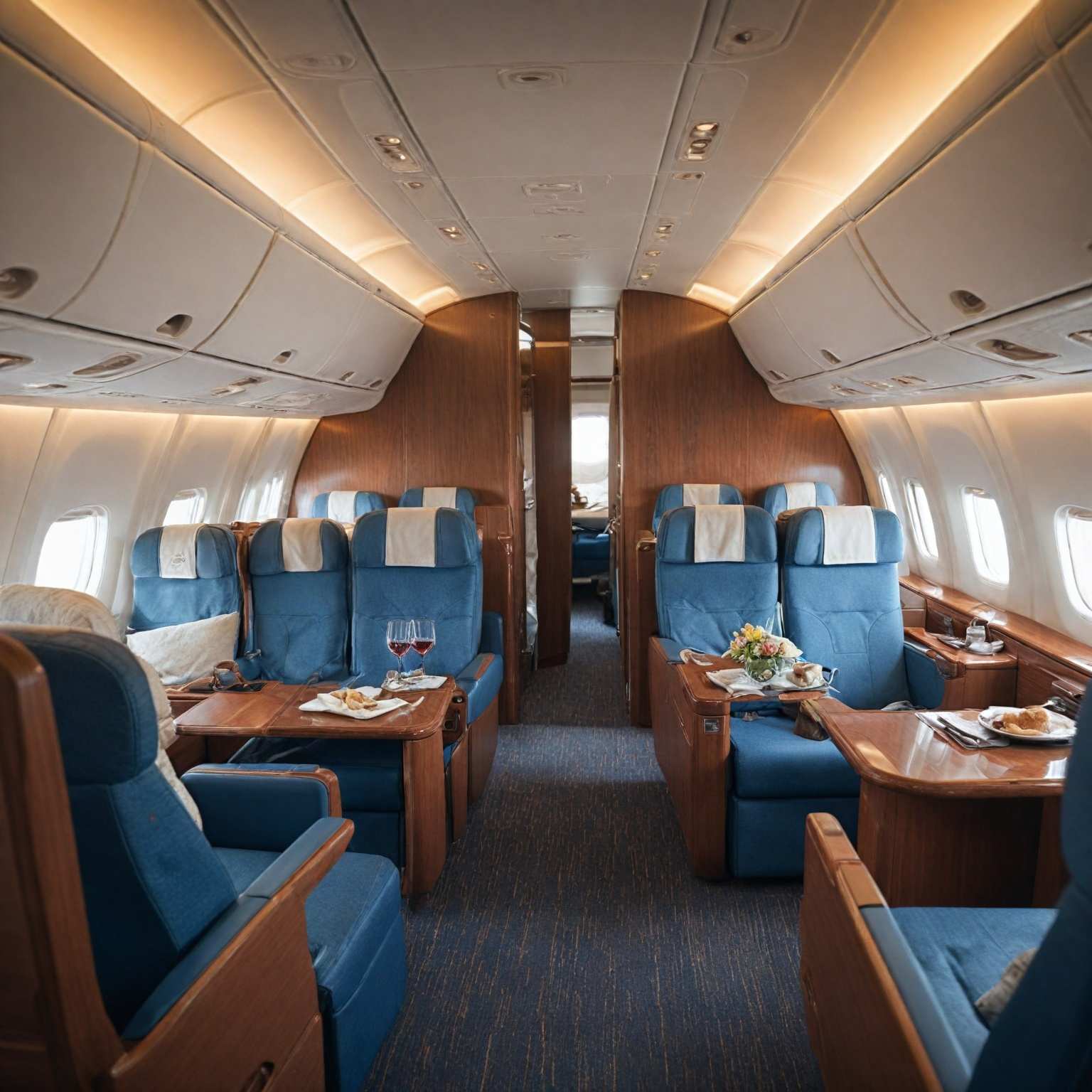
First-class flights represent the highest level of service offered by airlines, distinguished by spacious seating, premium food and beverages, and superior customer service compared to business, premium economy, and economy classes. The experience of flying first class varies significantly depending on whether the flight is domestic or international. On long-haul international routes, the added comfort and exclusive amenities, such as more comfortable seats and personalized services, often justify the considerably higher ticket prices. The cost of first-class tickets can fluctuate widely based on several factors including the airline, the route, time of year, and demand patterns. Prices for first-class seats may be several times higher than those for economy class on the same flight, reflecting the elevated level of service and exclusivity offered. Additionally, booking patterns such as flying on weekends, when business travel demand is lower, can influence availability and pricing, sometimes resulting in more affordable first-class options for leisure travelers.
Pricing of First-Class Flights in 2025
First-class flight tickets remain the most premium and expensive option for travelers, with prices significantly higher than economy or business class fares. Domestically within the USA, first-class tickets generally start at around $1,300, while international first-class flights from the USA often begin at $3,500 and can go much higher depending on the destination and airline. Business class tickets themselves can cost up to five times more than economy, and first class typically commands an even greater premium. Airline pricing for first-class tickets in 2025 is highly dynamic and influenced by multiple factors. Major carriers such as American Airlines, Delta Air Lines, and Air France-KLM have adopted dynamic pricing models where the cost of award tickets fluctuates based on demand, route popularity, and prevailing cash ticket prices. This dynamic approach means prices can vary widely but also creates opportunities to find better deals during off-peak times when demand is lower.
Demand-driven pricing is a key determinant of first-class ticket costs. During peak travel seasons such as summer, Christmas, and spring break, prices typically surge due to high passenger volumes, with December flights often being the most expensive as travelers visit family or take holidays. Conversely, flights with unsold seats or low demand close to departure may see price reductions to encourage last-minute bookings. Airlines use fare classes to manage inventory, starting with lower-priced seats that increase in price as availability decreases, helping them maximize revenue.
Additional factors affecting pricing include codeshare agreements and airline alliances. Codeshare flights, where one airline sells tickets for another carrier’s operated flight, can lead to price discrepancies depending on which airline’s code is used for booking. Meanwhile, the three major airline alliances—oneworld, SkyTeam, and Star Alliance—control over 60% of global air traffic, exerting considerable influence over international flight pricing and availability.
To navigate these complex pricing mechanisms, travelers can leverage co-branded credit cards offering airline rewards and perks such as priority boarding and lounge access, which have become increasingly integrated with airline loyalty programs in 2025. Additionally, expert flight deal trackers analyze historical pricing trends and market insights to identify when first-class fares are genuinely discounted versus when they remain inflated.
Best Times and Booking Windows for Cheap First-Class Flights
Finding cheap first-class flights involves understanding optimal booking windows and timing strategies, though there is no one-size-fits-all formula. Generally, purchasing tickets well in advance tends to provide more options and better pricing, especially during peak travel seasons like summer and major holidays when demand spikes significantly. For domestic flights, the ideal booking period is typically one to three months before departure, while international first-class fares are best secured two to eight months ahead, with some experts suggesting three to five months specifically for Asia-Pacific destinations. Booking within 30 to 60 days prior to travel can also yield savings of up to 50% on first-class tickets. However, it is important to note that the common belief that booking on a Tuesday or Wednesday guarantees cheaper fares is a myth. Instead, prices fluctuate daily based on airline sales, route demand, competition, and capacity control, making it difficult to predict the lowest prices with consistency.
Seasonal travel patterns heavily influence first-class ticket prices. Peak periods such as Christmas, summer vacations, and other holidays typically see fare spikes due to increased demand. Conversely, shoulder seasons like spring and fall often offer more discounted options for premium cabins. Additionally, destinations with desirable climates may experience price surges during favorable weather conditions or major holidays as travelers seek escapes from less hospitable climates, further affecting first-class pricing.
Passengers willing to be flexible with their travel dates can sometimes benefit from airline overbooking situations, where carriers offer incentives to move to later flights, potentially allowing upgrades or discounted first-class availability. Furthermore, leveraging frequent flyer miles, booking through bulk discounters, or choosing smaller airlines may also improve access to cheaper first-class tickets.
Strategies to Find Cheap First-Class Flights
Finding affordable first-class tickets requires a combination of timing, tools, and flexibility. While first-class fares can cost up to five times more than economy tickets, there are strategies to secure better deals without sacrificing luxury travel.
Timing Your Purchase
Although there is no guaranteed formula for the cheapest fares, booking early generally provides more options, especially during peak seasons such as summer and major holidays when demand is high. For domestic flights, the optimal booking window is typically one to three months in advance, while international flights are best booked two to eight months ahead, with Asia-Pacific destinations often requiring three to five months of lead time. Additionally, mid-week flights, particularly on Tuesday and Wednesday mornings, tend to offer better prices compared to weekend travel.
Using Fare Alerts and Price Tracking Tools
Setting price alerts on websites and apps like Google Flights, Kayak, Skyscanner, and Hopper is an effective way to monitor fare fluctuations in real time. These tools notify travelers when ticket prices drop, allowing them to book at more advantageous times. Price tracking also helps identify historical patterns, guiding travelers on when to purchase their tickets for maximum savings.
Flexibility and Upgrading Options
Purchasing a coach or premium economy ticket and then upgrading to first class can be a cost-effective alternative to buying first-class tickets outright. Airlines often offer incentives for passengers to move to later flights when flights are overbooked, which can sometimes include discounted upgrades. Maintaining flexibility with travel dates and routes increases the chances of finding such deals.
Leveraging Travel Rewards and Credit Cards
Frequent travelers can benefit from travel credit cards that offer flexible rewards and travel bonuses, which can be redeemed toward first-class fares. Cards like the Capital One Venture Rewards Credit Card provide miles and travel credits that enhance purchasing power, making premium cabin travel more accessible.
By combining early booking, fare alerts, flexibility, and travel rewards, travelers can significantly improve their chances of finding cheap first-class flights in 2025 without compromising on comfort and luxury.
Frequent Flyer Programs and Mile Redemption for First-Class
Frequent flyer programs remain one of the most effective ways to secure affordable first-class flights, offering members the opportunity to redeem miles for premium cabin seats and upgrades. Programs like American Airlines’ AAdvantage continue to provide some of the best redemption rates on partner carriers, including highly sought-after airlines such as Japan Airlines, Etihad Airways, and Qatar Airways. By earning Loyalty Points within these programs, travelers can achieve elite status, unlocking additional benefits like complimentary upgrades, priority boarding, and enhanced customer service.
To maximize first-class redemption opportunities, it is important to enroll in multiple airline loyalty programs and actively accumulate miles. Many programs, such as Delta SkyMiles, JetBlue TrueBlue, Southwest Rapid Rewards, and United MileagePlus, feature miles that never expire, reducing the risk associated with long-term accumulation. Additionally, some programs allow transfers between partners, expanding redemption options. For example, Flying Blue — Air France-KLM’s loyalty program — has a wide network of transfer partners and competitive redemption rates, particularly for transatlantic flights, making it a popular choice for premium redemptions.
Elite membership status in programs like Flying Blue and AAdvantage can be crucial for accessing exclusive first-class awards and upgrade options. Flying Blue restricts redemption for Air France La Premiere (First Class) to elite members only, underscoring the value of status within the program. Similarly, AAdvantage elite members can leverage systemwide upgrades (SWUs) to convert inexpensive economy fares into business-class seats, significantly increasing the value of miles spent.
Travelers should be mindful that partner awards are subject to availability and specific restrictions regarding routes and fare classes. It is advisable to contact the airline at least 72 hours prior to departure to confirm award space and pricing. Moreover, many airlines offer last-minute discounted first-class upgrades during online check-in or at the airport, especially for elite members or when seats remain unsold. Polite inquiries at the gate may occasionally yield complimentary upgrades, although these are becoming increasingly rare.
Influence of Elite Status on Upgrade Availability and Costs
Elite status within airline loyalty programs significantly impacts the availability and cost of first-class upgrades. For instance, American Airlines’ AAdvantage program offers a structured elite status system that can enhance travelers’ chances of securing complimentary or discounted upgrades. Members with higher elite tiers have access to Systemwide Upgrades (SWUs), which allow immediate upgrades to business or first class when space is available. These upgrades can be used for multiple flight segments under a single ticket, making them valuable for travelers seeking premium cabin experiences without paying full price.
The validity period of these SWUs has been extended, with all newly issued or unused upgrades remaining valid through March 31 of the following status-membership year starting in March 2025. Furthermore, achieving high milestones such as the 2 Million Miler™ status can extend SWU validity even longer, up to March 31, 2027, providing long-term flexibility in upgrade usage.
Beyond American Airlines, elite status in other programs also influences upgrade perks and costs. For example, Delta’s SkyTeam alliance members enjoy benefits such as priority boarding and lounge access, which, while not direct upgrades, enhance the overall premium travel experience. Similarly, Flying Blue elites can redeem miles for premium cabins like Air France La Premiere, though such opportunities are typically reserved for higher-tier members.
Airlines and Alliances Known for Mistake Fares and Flash Sales
Mistake fares, also referred to as error fares or airline price glitches, occur when airlines or online travel agencies inadvertently list flights at significantly lower prices than intended. These fares can appear across all cabin classes, from economy to first class, presenting exceptional opportunities for travelers willing to act quickly. However, in recent years, widespread implementation of automated systems by airlines has made such errors increasingly rare, especially for premium cabins like first and business class.
Among the major players in the airline industry, the three global alliances—oneworld, SkyTeam, and Star Alliance—dominate over 60% of worldwide air traffic as of 2024. These alliances operate complex networks with numerous codeshare agreements that sometimes produce price discrepancies, as the same flight may be offered at varying prices depending on the marketing airline’s code. Such pricing variances occasionally result in temporary flash sales or inadvertent mistake fares, though these instances are less frequent as pricing algorithms become more sophisticated.
The airline industry is evolving towards more flexible alliance models, with carriers pursuing strategic partnerships beyond traditional alliances to better serve niche markets and respond to changing consumer preferences. This dynamic landscape may increase the chances of unusual pricing opportunities, including flash sales and error fares, especially as artificial intelligence tools are increasingly deployed to manage partnership negotiations and pricing strategies by 2025.
Travelers seeking to capitalize on mistake fares and flash sales should monitor specialized deal websites and services, which often feature deals from airlines and their alliances. Since third-party sites may not always honor tickets booked during such glitches, booking directly with the airline is generally recommended to ensure fare validity. Additionally, platforms offering transparent pricing matrices and fare comparisons across dates and classes can help identify the best deals within alliance networks and beyond.
Popular Technological Tools and Platforms for Booking
Travelers seeking cheap first-class flights in 2025 have access to a variety of advanced technological tools and platforms that streamline the search and booking process while providing valuable insights and flexibility. Meta-search engines and flight aggregators are widely regarded as the most effective resources for finding competitive first-class fares. Platforms such as KAYAK, Skyscanner, Momondo, Kiwi.com, and Google Flights aggregate data from numerous airlines and travel agents, enabling users to compare prices across multiple sources and secure discounts that might not be available through direct airline bookings.
Google Flights, Skyscanner, KAYAK, Momondo, and AwardFares stand out for their premium-class filters, price intelligence, and user-friendly interfaces that cater specifically to travelers hunting for first-class and commercial air travel deals. These platforms offer tools to track fare trends, monitor price fluctuations, and refine searches by route and class, making them invaluable for both casual and frequent flyers aiming to find the best prices and optimal itineraries.
Beyond meta-search engines, travel agents and corporate travel management companies (TMCs) remain essential, especially for premium cabin bookings where personalized service and flexible ticket management are crucial. Travel agents can secure premium seats and handle complex itinerary changes that are often challenging to manage through consumer websites alone. For organizations managing global travel programs, working with airline alliances through corporate agreements simplifies booking and reduces administrative burdens by providing a single point of contact and consolidated contracts.
In addition, many major airlines employ dynamic pricing strategies, where award ticket costs fluctuate based on demand and market factors. Co-branded credit cards, such as the American Airlines AAdvantage Mastercard and the Chase Aeroplan Card, complement these tools by offering sign-up bonuses, priority boarding, and lounge access, which add value to first-class travel.
Some platforms also offer premium subscription services that enhance the search experience with exclusive deals and advanced features. For example, premium versions of popular search engines can provide early access to
Common Traveler Strategies and Insider Tips
Travelers seeking cheap first-class flights in 2025 often employ a variety of strategies and insider tips to maximize their chances of securing premium seats without paying full price. One of the most effective approaches involves leveraging travel agents who specialize in last-minute flight deals. These experts can access exclusive offers and provide personalized booking assistance, helping passengers find the best premium cabin experiences worldwide.
Another common tactic is using multiple flight search engines simultaneously. Some travelers open numerous browser tabs to compare prices and availability across platforms, increasing the likelihood of spotting discounted first-class fares or last-minute upgrades. Additionally, airlines frequently offer unsold first-class seats as reduced-price upgrades during online check-in or at the airport, making it worthwhile for passengers to inquire about these opportunities when traveling.
Upgrading from Economy or Business Class remains a popular method, particularly on domestic flights or short-haul international routes operated with two-cabin aircraft. From March 1, 2025, many airlines have introduced systemwide upgrades valid throughout the status membership year, allowing frequent flyers to plan their premium travel more flexibly. Passengers with elite status may also benefit from operational upgrades granted by airlines to fill empty first-class seats, although some seats are intentionally left vacant to maintain exclusivity.
For those using miles or travel credit cards, applying for cards that offer greater flexibility in redeeming points can increase the chances of booking award flights in first class. This strategy enables travelers to capitalize on loyalty programs without being restricted to specific airlines or routes.
Finally, knowledge-sharing from travel experts and insiders provides valuable tips, such as timing bookings strategically, understanding the distinctions between Business and First Class cabins, and exploiting last-minute upgrade offers. These insights help leisure and vacation enthusiasts enhance their travel experience while managing costs effectively.
Airlines and Routes Offering Frequent Discounts
Many airlines and routes provide frequent discounts on first-class flights, particularly on routes with high competition or during off-peak travel periods. Major carriers such as American Airlines, Delta, and Air France-KLM often use dynamic pricing models, which adjust award ticket costs and cash fares based on demand, route popularity, and market conditions. This pricing flexibility creates opportunities for travelers to find discounted first-class tickets, especially when airlines aim to sell remaining inventory.
Discounts are more commonly available on routes serving popular destinations in the Western United States (including states like California, Colorado, and Washington), the Caribbean, Asia, and parts of Central and South America. These regions often see promotional service fee reductions of up to $40 when using specific promo codes, providing additional savings on top of airfare discounts.
Airline alliances, while beneficial for broad route coverage, may sometimes reduce flight frequencies on certain routes, potentially limiting the availability of discounted first-class fares. For example, when two airlines in an alliance consolidate their schedules, the total number of flights may decrease, which can lead to higher prices due to less competition.
Online travel agencies (OTAs) like Expedia and Priceline frequently offer exclusive deals and loyalty rewards on first-class tickets, though travelers should be mindful of booking fees and the impact on airline status mile accrual. Additionally, tools such as Google Flights, Kayak, and Hopper allow users to set fare alerts to monitor price fluctuations and identify when first-class tickets drop in price on specific routes.
Finally, timing plays a crucial role in accessing discounts. Flights booked during festive seasons often come at a premium due to increased demand, but savvy travelers can find better deals by booking well in advance or targeting off-peak travel dates. Combining these strategies with targeted route and airline selection can significantly increase the chances of securing discounted first-class fares in 2025.
Potential Risks and Considerations When Booking
When searching for cheap first-class flights, travelers should be aware of several potential risks and important considerations. First, there is no guaranteed formula for finding the lowest fares, as prices fluctuate based on airline sales, route demand, competition, and capacity control, which can change daily. This volatility means that relying on specific booking days or fixed advance purchase windows may not always yield the best deals.
Another key consideration is the complexity of fare structures. Some low advertised prices on direct flights may only apply if the return leg is non-direct, potentially leading to higher overall costs or inconvenient itineraries. It is therefore essential to carefully review all flight segments and fare conditions before booking.
Seasonality and timing also impact risk levels. Booking early often provides more options and can help avoid significant price hikes during peak travel seasons such as summer and major holidays, when demand for first-class seats surges and airlines tend to raise prices. Conversely, last-minute bookings during busy periods are usually more expensive. However, some airlines may offer last-minute discounts on unsold seats a few days before departure, presenting opportunities for flexible travelers.
Additionally, weekends generally see higher demand and inflated prices, so avoiding bookings on these days can sometimes help reduce costs. Finally, broader market factors such as the recovery of corporate travel and limited premium cabin capacity have caused first-class fares, particularly on transatlantic routes, to increase sharply, with some round-trip tickets exceeding $16,000 in 2025. Travelers should weigh these factors carefully and be prepared for potential price volatility when planning first-class travel.
The content is provided by Blake Sterling, Direct Bulletins