Highlights
- At-home cholesterol testing offers convenience and privacy for proactive health management.
- Accurate cholesterol monitoring is essential; always consult healthcare providers for abnormal results.
Overview and Cholesterol Basics
Monitoring cholesterol levels at home has become a convenient alternative to clinical testing, helping individuals track key markers like LDL (“bad” cholesterol), HDL (“good” cholesterol), and triglycerides. Elevated LDL and triglycerides increase cardiovascular risk, while HDL helps reduce it. Home testing methods include electronic meters, colorimetric strips, and mail-in lab kits, each with different features and accuracy levels. Confirming abnormal results with healthcare professionals is essential for proper diagnosis and management.
Cholesterol, a fat-like substance vital for cell function and hormone production, includes LDL and HDL types. High LDL narrows arteries, increasing heart disease risk, whereas HDL removes LDL from arteries. Triglycerides also affect heart health by contributing to arterial plaque. Measuring non-HDL cholesterol helps assess cardiovascular risk and guides treatment decisions.
Home Testing Technologies and Preparation
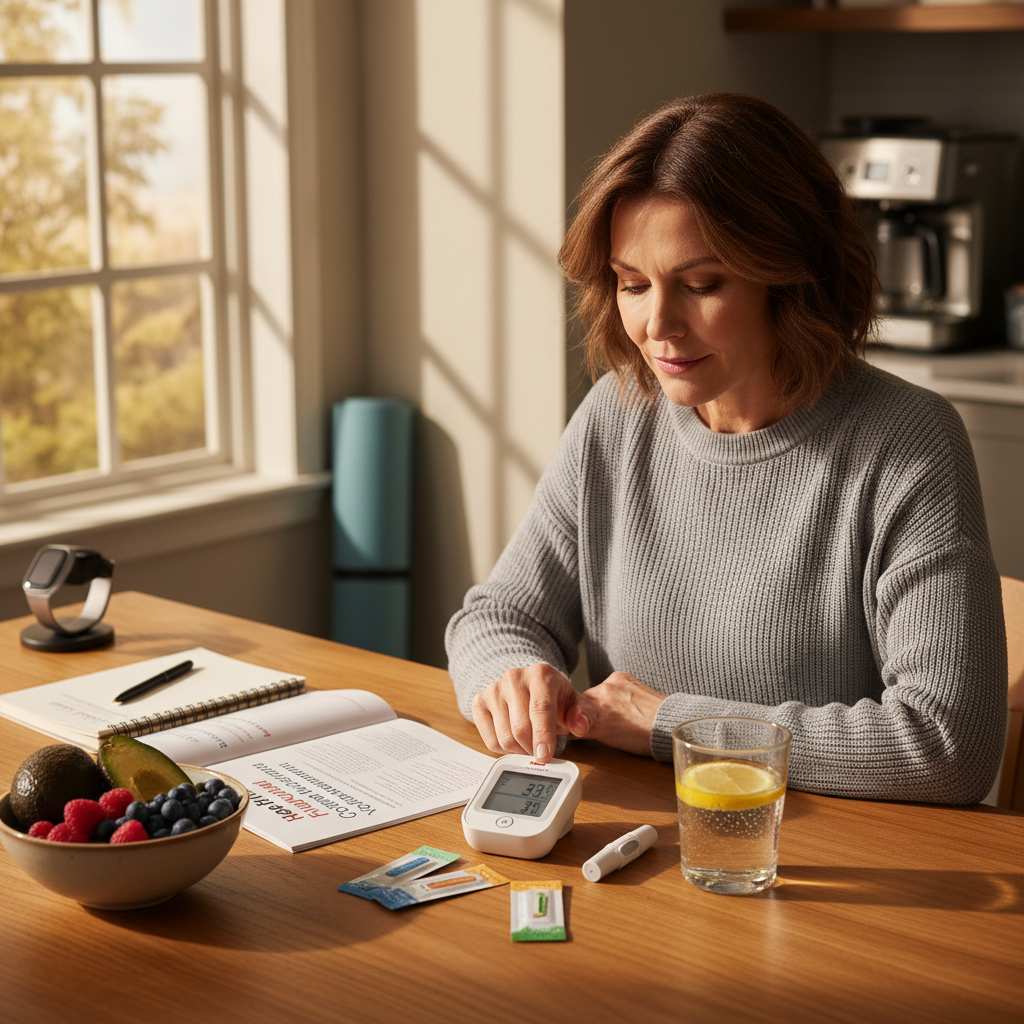
Home cholesterol tests include electronic meter-based kits that provide instant digital results from a finger-prick blood sample, and color-change test strips that indicate cholesterol levels via a color chart. Mail-in kits allow home sample collection with laboratory analysis and detailed lipid panels. Accuracy depends on following instructions carefully, and FDA-approved tests generally match clinical accuracy. Proper preparation—such as fasting, hydration, and avoiding heavy meals—is advised to improve reliability.
Testing Procedure and Result Interpretation
Most home tests follow similar steps: clean and prick a finger, apply blood to the test device or collection tube, then either read color changes, view electronic meter results, or mail samples for lab analysis. Results usually include total cholesterol, LDL, HDL, and sometimes triglycerides. Recommended levels are total cholesterol under 200 mg/dL, LDL below 100 mg/dL, HDL above 40 mg/dL, and triglycerides under 150 mg/dL. Individual targets may vary based on health conditions. Abnormal results should prompt consultation with healthcare providers for confirmation and guidance.
Accuracy, Benefits, and Risks
Home test kits approved by regulatory bodies typically offer accuracy comparable to lab tests if used correctly. However, user errors, limited lipid panel details, and preparation lapses can affect results. Home testing is convenient, private, and accessible, beneficial for frequent monitoring. Yet, it should complement—not replace—professional medical evaluation. Risks include misinterpretation and inappropriate self-management based on inaccurate readings.
Follow-Up and Recommended Kits
After testing, discussing results with a healthcare professional is crucial to evaluate heart disease risk and plan further testing or treatment. Confirmation of abnormal or inconsistent results via clinical lab tests is advised. Popular home testing options include mail-in kits like LetsGetChecked and Everlywell, and electronic meters such as the CURO L7, chosen based on accuracy, ease of use, FDA approval, and cost. Following manufacturer instructions carefully ensures optimal results.
Maintaining Healthy Cholesterol
Managing cholesterol involves keeping LDL low and HDL high through diet, lifestyle, and medical care. Avoiding heavy, greasy, or sweet foods before testing improves accuracy and heart health. Regular monitoring, especially for adults over 35 or those with risk factors, supports timely interventions. Combining cholesterol control with smoking cessation, diabetes management, and blood pressure regulation reduces overall cardiovascular risk.
The content is provided by Sierra Knightley, Direct Bulletins