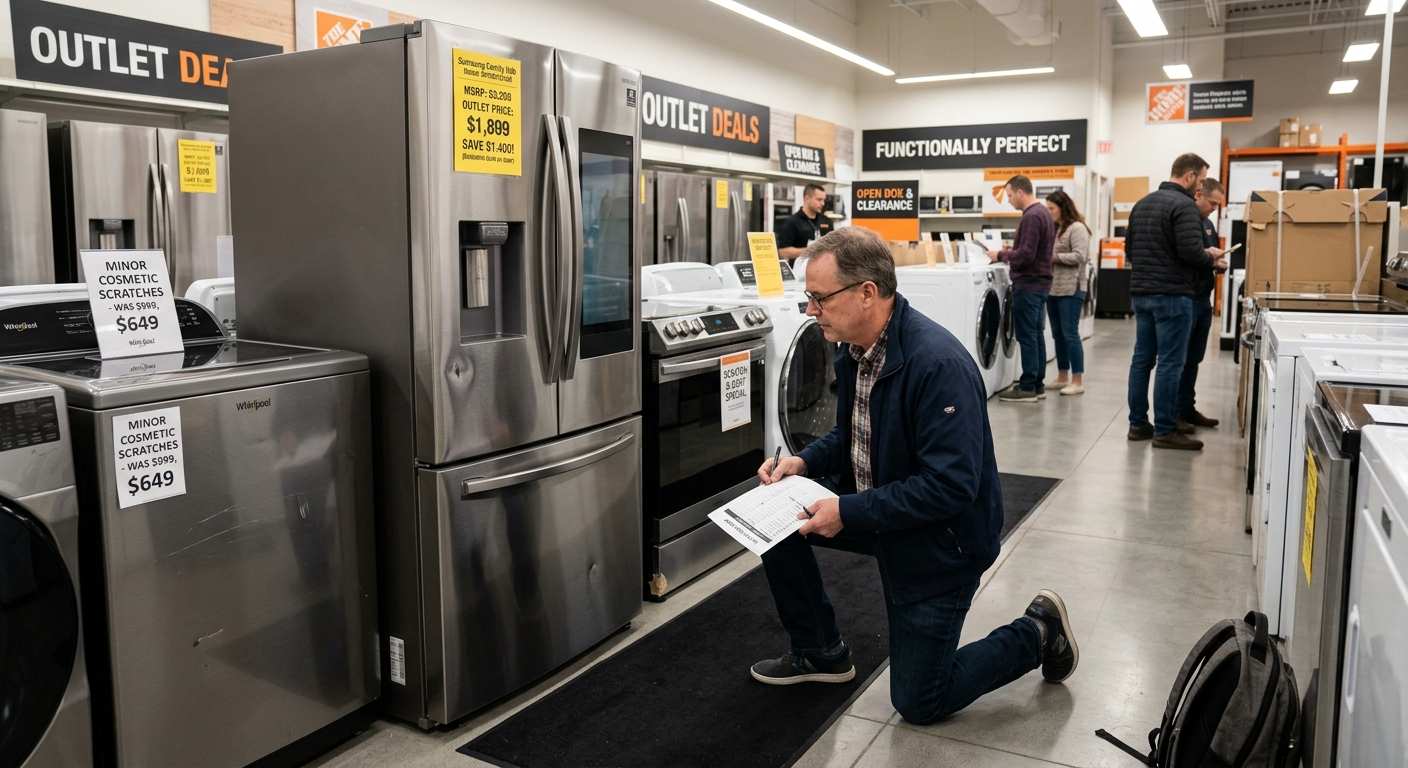
Highlights
- Discover how packaging-damaged appliances can provide significant savings without sacrificing functionality.
- Learn important tips on warranty policies to ensure reliable purchases and minimize future costs.
Summary
How to Buy Packaging-Damaged Appliances: A Practical Guide helps consumers confidently navigate the purchase of functional appliances with cosmetic damage to their packaging. Such damage, like dents and scratches, typically arises during shipping but does not impact performance, often leading to significant discounts. Key considerations include assessing the appliance’s condition, understanding warranty and return policies, and recognizing consumer protections relevant to each jurisdiction.
Understanding Packaging Damage
Packaging damage usually occurs due to inadequate protection or rough handling along the supply chain. Identifying the causes, such as weak materials or mishandling during transit, is essential to prevent future issues. Recognizing that visible damage might only be superficial helps in determining whether a product is worth the potential savings or if it may hinder future usability.
Evaluating Packaging-Damaged Appliances
Evaluating appliances with packaging damage calls for a thorough examination of both cosmetic flaws and the overall functionality of the device. Cosmetic damage often involves only surface issues that don’t affect performance, but a careful inspection for hidden structural or electrical problems is essential. Documenting the condition with photographs and verifying labels and safety certifications ensures that the appliance meets relevant standards, which adds confidence to the purchasing decision.
Warranty, Return Policies, and Manufacturer Practices
Understanding warranties and return policies on packaging-damaged appliances is crucial to mitigate potential risks. Warranty coverage typically protects against significant defects, though it may not cover issues arising from misuse or unauthorized repairs. Consequently, reviewing warranty terms and recognizing the importance of documenting repairs and any service completed can safeguard consumer rights.
Warranty Coverage and Conditions
Warranties serve to assure consumers that their appliances are free from significant defects. It’s important to differentiate between express warranties and implied warranties of merchantability, as this influences coverage. Consumers should also be aware of extended warranties, which offer extra benefits but should be compared closely with original warranty terms to avoid unnecessary expenses.
Manufacturer Practices Affecting Repairs and Warranty Validity
Many manufacturers restrict repairs to authorized service centers, complicating the process for consumers seeking independent support. Understanding these policies is vital, as they can limit repair options and enhance costs, making careful reading of warranty language necessary before engaging with third-party services.
Return Policies for Packaging-Damaged Appliances
Retailers have varying return policies for packaging-damaged items, influenced by factors such as the type and extent of damage. Many retailers may accept returns if the appliance remains unused and in good condition, but careful consideration of specific return policy details is advised prior to purchase.
Purchasing Packaging-Damaged Appliances
Purchasing packaging-damaged appliances often comes with substantial savings but needs careful consideration regarding costs and warranties. Cosmetic issues typically arise during handling and do not impair functionality, allowing consumers to enjoy significant discounts without sacrificing quality.
Types of Packaging-Damaged Appliances
Common types include open-box and scratch-and-dent appliances. Open-box products are returned items not used but unsellable at full price, while scratch-and-dent items are functional with cosmetic imperfections resulting from mishandling. Understanding these distinctions can inform purchasing choices and expectations related to discounts.
Pricing and Discounts
Discount amounts on packaging-damaged appliances vary based on factors like damage severity and brand reputation. Discounts generally range from 10% to 50%, depending on the cosmetic flaws presented. Consumers may also consider negotiation, especially for older models or visibly more damaged units to maximize savings.
Considerations When Buying
Inspecting appliances during delivery and documenting any damage can prevent challenges later. It is advisable to understand the seller’s return policy and act quickly within the designated reporting time frame to preserve consumer rights. Assessing the cost of potential cosmetic repairs is also important for determining if the product remains a sensible investment.
Warranty and Consumer Protection
Packages typically retain manufacturer warranties similar to undamaged products, but always read the fine print to confirm coverage. Understanding return policies, especially for damaged packaging, is critical, as policies may differ among retailers and impact consumer recourse options significantly.
Practical Tips for Buyers
To enhance satisfaction with packaging-damaged appliances, buyers should conduct thorough inspections upon delivery and document any damage. Researching different outlets for better offers and considering the feasibility of repairing minor cosmetic issues could further bolster the value of the purchase. Taking the time to review warranty documentation ensures adequate protection and allows for informed negotiation on price depending on damage severity.
Handling Post-Purchase Issues
When issues arise post-purchase, documenting the appliance’s condition is paramount for claims or returns. Taking detailed notes and photographs aids in communicating with the seller or carrier and provides evidence needed to prove the condition at the time of delivery. Most sellers are responsible for resolving damage-related problems, especially if reported within specific time frames.
Repair and Maintenance of Packaging-Damaged Appliances
Most cosmetic repairs for packaging-damaged appliances can often be handled without professional help. Inspecting the appliance for internal damage ensures that any surface imperfections do not hide functional problems. Knowing about state or country-specific repair rights can empower consumers to maintain or repair their appliances independently, increasing their longevity and utility.
Legal and Consumer Protection Frameworks
Legal protections surrounding consumer purchases, particularly for packaging-damaged appliances, vary widely by region. Understanding the legal guarantees in jurisdictions, such as the European Union’s two-year minimum guarantee, and any specific consumer rights can empower consumers. Knowing how to leverage these protections can enhance the purchasing experience and ensure recourse when products fail to meet expectations.
Consumer Rights and Best Practices
Documenting the condition of packaging-damaged appliances immediately upon receipt strengthens any claims against vendors. Consumers should familiarize themselves with applicable warranties and related legal frameworks, ensuring appliances are used within guidelines to maintain their warranty coverage. Exploring ADR options and seeking external assistance may also provide pathways for resolving disputes that extend beyond immediate sales issues.
Environmental and Economic Considerations
Committing to sustainable packaging practices can positively influence purchasing behaviors, as many consumers prioritize eco-friendly choices. By reselling rather than discarding appliances with cosmetic imperfections, consumers can directly contribute to waste reduction and sustainability initiatives. Understanding the broader impact of enabling a circular economy around these products enhances the value of their purchase and aligns with evolving market demands for responsible consumption.
The content is provided by Avery Redwood, Direct Bulletins