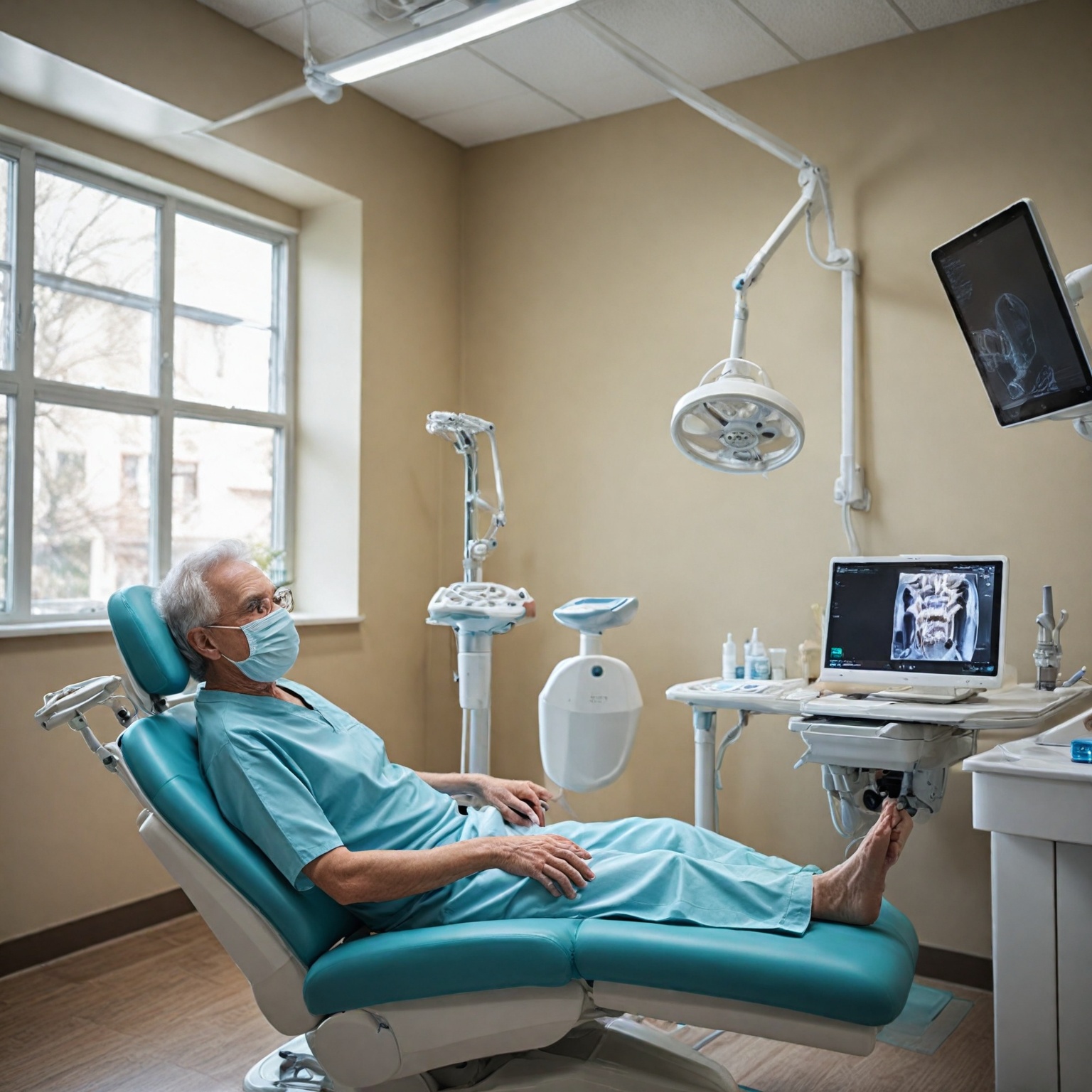
Highlights
- Screwless dental implants revolutionize senior oral care with enhanced comfort and aesthetics.
- This innovative solution addresses aging-related challenges and elevates quality of life for seniors.
Summary
Screwless dental implants represent a significant advancement in restorative dentistry, particularly poised to transform oral health care for seniors in 2025. Unlike traditional screw-retained implants that use mechanical screws to secure prosthetic teeth, screwless implants utilize bonding agents, friction-fit, or locking taper mechanisms to attach crowns or abutments directly to the implant fixture. This innovation addresses common complications such as screw loosening while offering improved aesthetics, streamlined procedures, and enhanced patient comfort, making them a notable alternative in implantology for elderly patients.
As the global population ages and more seniors retain their natural teeth longer, the demand for durable, functional, and esthetically pleasing dental restorations grows. Screwless implants cater to the unique challenges faced by older adults, including reduced bone density, comorbidities, and difficulties with maintenance, by simplifying surgical protocols and minimizing mechanical failures. Advances in bioengineered materials, implant surface technologies, and digital workflows further support the longevity and success of screwless systems, contributing to improved oral health-related quality of life among seniors.
Despite these benefits, screwless implants present certain limitations and risks. Precise fit and cementation are critical to avoid complications such as peri-implantitis caused by excess cement, and removal or adjustment of cemented crowns can be more challenging compared to screw-retained counterparts. Clinical decisions must balance the mechanical advantages of screwless designs with potential biological and maintenance considerations, tailored to individual patient needs.
Overall, screwless dental implants embody a promising innovation in geriatric dentistry by enhancing treatment efficiency, reducing mechanical complications, and improving aesthetic outcomes. Their integration into comprehensive oral health programs for seniors offers the potential to substantially elevate functional capacity, comfort, and quality of life in the aging population worldwide by 2025.
Background
Dental implants have been a pivotal development in restorative dentistry since their introduction in the 1950s. Initially, titanium posts were used to integrate with the jawbone, providing a durable foundation for tooth replacement. Over the decades, advancements in materials, surgical techniques, and digital workflows have significantly enhanced the predictability, comfort, and success of implant procedures. Modern implantology now leverages bioengineered materials, custom fabrication, and minimally invasive surgery, transforming implant placement into a highly patient-friendly treatment option with faster healing and reduced costs.
Traditional dental implants primarily rely on screw-retained systems, where implants are anchored into the jawbone using screws made of biocompatible materials such as titanium or zirconia. This method ensures stability and longevity, making it suitable for replacing single or multiple teeth. Screw-retained implants have become a cornerstone in contemporary dental treatment due to their effectiveness and reliability.
However, concerns associated with screw-retained implants—such as screw loosening—have led to the development of alternative solutions. Screwless dental implants, also referred to as cement-retained implants, represent a modern approach that eliminates the need for traditional screws to secure the artificial tooth to the implant fixture. Instead, these implants employ bonding, adhesive materials, or friction-fit mechanisms like locking tapers to attach the crown or abutment directly onto the implant or the patient’s bone. This design reduces complications related to screw loosening while maintaining the functional and aesthetic benefits of implant-supported restorations.
Screwless Dental Implants: Definition and Distinctions
Screwless dental implants are a contemporary type of implant-supported restoration that eliminates the use of traditional screw-retained abutments to secure the crown to the implant fixture. Instead of screws, these systems commonly utilize friction-fit, locking taper, or adhesive mechanisms to hold the components firmly in place. This design approach contrasts with conventional screw-retained implants, which rely on a mechanical screw connection to attach the prosthesis to the jawbone, ensuring stability and longevity.
Both screw-retained and screwless systems begin with the placement of the implant into the jawbone, followed by a healing period called osseointegration, during which the implant fuses with the bone. The primary difference lies in how the visible tooth restoration is affixed after osseointegration. While screw-retained implants use screws to secure the crown, screwless implants depend on either dental cement or precision-fit connections, such as locking taper mechanisms, to maintain crown stability without screws.
One significant advantage of screwless implants is the elimination of concerns related to screw loosening, a common complication in traditional screw-retained systems. Additionally, screwless methods may involve cementless bonding techniques that potentially affect implant survival rates differently due to their unique mode of integration with bone tissue. The choice between screwless and screw-retained implants should be carefully tailored to individual clinical scenarios, considering factors such as bone density, aesthetic requirements, patient-specific needs, and long-term maintenance considerations.
Materials and Bioengineering Innovations
Recent advancements in dental implantology have introduced a variety of biocompatible materials and sophisticated surface modifications designed to enhance osseointegration while minimizing biofilm formation, thereby improving implant success and longevity. Traditionally, titanium has been the material of choice due to its proven biocompatibility and mechanical strength. However, newer alternatives such as zirconia and titanium-zirconium alloys have gained prominence for their enhanced integration capabilities and aesthetic advantages, particularly relevant for senior patients seeking durable and natural-looking restorations.
Innovations in implant surface engineering play a crucial role in optimizing the biological response. Surface treatments are broadly categorized into additive methods, such as hydroxyapatite coatings and titanium plasma spraying, and subtractive techniques, including blasting, acid-etching, and oxidization. These processes modify surface roughness on a micro- and nanometric scale, increasing hydrophilicity and wettability compared to untreated smooth surfaces, which is essential for promoting bone cell attachment and accelerating osseointegration. Enhanced hydrophilicity also contributes to reducing bacterial adhesion, lowering the risk of peri-implant infections—a critical consideration in elderly patients with potentially compromised immune systems.
Furthermore, contemporary bioengineering strategies emphasize the importance of antibacterial surface properties to prevent peri-implant diseases and extend implant lifespan. The integration of these materials with cutting-edge digital workflows and scaffold-based designs allows for customized implants that better mimic the natural tooth structure and function, thus improving patient comfort and treatment outcomes. Collectively, these materials and surface innovations form the foundation for screwless dental implant systems that offer streamlined procedures with shorter treatment times and improved prosthetic fit, addressing the specific needs of seniors in 2025.
Surgical Techniques and Protocols for Seniors
Dental implant therapy for elderly patients has evolved significantly, with surgical techniques and treatment protocols tailored to meet the unique needs of this population. Implant therapy can be successfully provided to seniors, and age alone does not appear to negatively impact implant survival rates, making implants a viable option for improving oral health in older adults.
A common protocol for seniors involves placing two or four implants, which are then allowed to heal over a period of four to six months while the patient continues wearing a denture. After osseointegration is achieved, the dentures are attached to the implants using special anchoring mechanisms. Although this method does not offer the same comfort level as fixed implant-supported teeth, it provides improved retention and chewing ability compared to traditional dentures. Notably, implant-retained dentures eliminate the need for denture flanges or extensions, enhancing comfort and function for elderly patients.
Advancements in implantology have led to less invasive procedures characterized by smaller incisions, faster healing times, and reduced postoperative discomfort, all of which are particularly beneficial for seniors. Improved materials and digital treatment planning have increased success rates and durability, with implants now capable of lasting 25 years or more. Additionally, innovations such as same-day implants allow for faster restoration, minimizing the time seniors spend without functional teeth.
Screwless implant systems have emerged as a promising surgical technique for elderly patients. These systems eliminate traditional screws by using friction-fit, locking taper, or adhesive mechanisms to secure the prosthesis, reducing mechanical complications and improving esthetics by avoiding visible screw access holes. The surgical process for screwless implants closely mirrors that of conventional screw-retained implants, starting with the insertion of the implant into the gum line followed by attachment of a prefabricated or custom abutment. Special dental cement bonds the crown to the abutment, providing a lifelike appearance that is especially advantageous for anterior teeth.
Despite their benefits, screwless implants require precise fit and meticulous cementation to prevent complications such as peri-implantitis caused by excess cement residue. Moreover, cemented crowns can be more challenging to remove for repairs compared to screw-retained counterparts. Nonetheless, the streamlined treatment timeline and reduced mechanical risks make screwless implants an attractive option for the senior population.
Clinical Advantages for Elderly Patients
Screwless dental implants offer several clinical advantages that make them particularly suitable for elderly patients, who often face unique oral health challenges. As oral health-related quality of life (OHRQoL) is closely linked to factors such as tooth loss, dry mouth, and masticatory limitations in older adults, innovations that improve dental restoration outcomes can significantly enhance their overall well-being.
One major benefit of screwless implants is the reduction in treatment time. Since these implants are bonded directly to the jawbone rather than secured with screws, the procedure is generally shorter and less invasive, which contributes to greater patient comfort during treatment. This is especially important for elderly patients, who may have comorbidities or lower tolerance for prolonged surgical procedures.
Aesthetically, screwless implants provide a superior fit and finish because they do not require a screw access hole. This eliminates the need to cover or conceal openings, reducing the risk of bacterial leakage and improving long-term oral health outcomes. The seamless appearance of these implants is particularly advantageous in visible areas, helping seniors maintain confidence and social engagement by preserving natural-looking smiles.
Functionally, screwless implants offer a stable foundation capable of withstanding high chewing forces, which is crucial given that chewing efficiency tends to decline with age due to tooth loss or prosthesis instability. Enhanced stability also benefits elderly patients who experience parafunctional habits such as teeth grinding, as these implants can better endure such stresses without compromising durability. Although bonding implants may wear faster in areas of extreme force, advances in design and material selection continue to improve their longevity and performance.
Additionally, screwless implants facilitate easier management and maintenance. Unlike cement-retained crowns that require professional removal for adjustments, these implants minimize complications related to prosthesis handling, which can be challenging for older adults with limited dexterity. Furthermore, the possibility of immediate loading techniques combined with digital workflows enhances functional and aesthetic outcomes, allowing elderly patients to quickly regain oral function and improve quality of life.
Functional and Practical Outcomes
Screwless dental implants present notable advantages in terms of retention and patient comfort, which can significantly impact the functional outcomes for seniors. Compared to traditional screw-retained systems, screwless implants often provide improved retention without the mechanical complications associated with screws. However, clinicians must carefully weigh these retention benefits against potential biological complications when selecting the most appropriate system for individual patients. The choice between screwless and traditional implant systems should be tailored to the patient’s specific clinical conditions, overall health status, and long-term maintenance needs.
From a practical perspective, dental implant treatments in seniors often involve considerations related to cost and additional procedures, which can affect patient acceptance and compliance. Implant success criteria serve as crucial tools for clinical follow-up and research evaluation, emphasizing the importance of long-term data collection to assess outcomes accurately. In this context, screwless implant systems may reduce some mechanical maintenance requirements, potentially lowering the need for complex interventions over time.
Functionally, dental implants, including screwless designs, play a critical role in improving mastication and oral quality of life among the elderly. Studies indicate that chewing difficulties have a more substantial impact on an individual’s quality of life than on their nutritional status alone. For example, research involving institutionalized elderly populations demonstrated a strong association between oral health-related quality of life and the risk of malnutrition, although these findings may not fully generalize to all seniors due to institutional dietary controls. Enhancing chewing efficiency through implant-retained prostheses can help mitigate these risks and support better nutrition and well-being.
Clinically, tooth wear and erosion commonly affect anterior teeth, leading to issues such as dentine hypersensitivity and reduced occlusal function. Dental implants, by restoring occlusal support, can help address these challenges and improve overall oral function. Additionally, clinical trials comparing conventional dentures with implant-retained overdentures have shown that implant-supported prostheses yield superior chewing efficiency, greater masticatory bite force, and higher patient satisfaction after relatively short periods of use.
Public health initiatives globally recognize the importance of maintaining oral health in seniors to preserve nutritional status, social well-being, and overall quality of life. Programs such as China’s Healthy Mouth Action Program and Australia’s Senior Smiles initiative aim to integrate dental care into elder care settings, emphasizing preventive care and early intervention to reduce oral health disparities. For seniors with chronic conditions like diabetes and heart disease, who are at higher risk for oral diseases, improved implant solutions including screwless systems may offer functional advantages by facilitating easier hygiene and reducing treatment complexity.
Oral Health Challenges in Seniors Addressed by Screwless Implants
Older adults face significant oral health challenges, including a higher prevalence of dental caries, periodontal disease, edentulism, dry mouth, and oral cancers. Despite improvements in retaining natural teeth, about 18% of seniors with natural dentition have untreated caries, and nearly 68% suffer from periodontitis, highlighting the complex dental care needs in this population. Chronic health conditions common among seniors, such as diabetes and heart disease, alongside factors like smoking, poor diet, medication-induced low salivary flow, and limited access to professional dental care, further exacerbate oral health issues and increase the risk of tooth loss.
Screwless dental implants present a transformative solution tailored to these challenges by offering durable, natural-looking tooth replacements that restore chewing function and speech clarity while boosting confidence. Unlike traditional screw-retained implants, screwless implants use friction-fit, locking taper, or adhesive mechanisms to secure the prosthesis, eliminating issues related to screw loosening and mechanical failure. This bonding approach can enhance implant survival rates by providing a stable connection without the complications associated with screws, which is particularly advantageous for seniors with compromised bone density or other clinical considerations.
By simplifying maintenance through daily brushing, flossing, and professional cleanings, screwless implants integrate well into the oral hygiene routines of elderly patients, helping to manage their complex oral health conditions effectively. Overall, screwless implants address many of the oral health challenges faced by seniors, offering a reliable and patient-friendly option to improve their quality of life.
Success Rates and Longevity
Advancements in medical and technological fields have significantly increased human longevity by almost 15 years over the past seven decades. However, natural dentition is not designed to last 80 to 90 years, leading to a growing demand for dental implants among the elderly population. Studies have demonstrated that dental implant therapy can be successfully provided to older adults, with age alone not adversely affecting implant survival rates.
Long-term survival analysis reveals high cumulative survival rates for dental implants at both implant and patient levels. Specifically, implant-level survival rates are reported at 98.9%, 98.5%, 96.8%, and 94.0% over 3, 5, 10, and 15 years, respectively. At the patient level, these rates are slightly lower but still favorable at 97.4%, 96.7%, 92.5%, and 86.0% over the same time periods. Patients receiving multiple implant units face a higher risk of implant failure, which often leads to additional treatment and increased costs.
The prevalence of implant prostheses in elderly populations is rising steadily, as illustrated by Swiss data showing that 26.5
Limitations and Potential Risks
While screwless dental implants offer promising advancements for seniors, especially with emerging techniques such as mini implants and grafting expanding candidacy in 2025, there are inherent limitations and potential risks that must be carefully considered. Biological complications, including infection, nerve injury, and implant failure, although rare and typically preventable, remain concerns associated with any implant procedure. Furthermore, implant-supported prostheses require ongoing maintenance due to prosthetic complications that may arise, potentially lengthening treatment time and increasing costs for the patient.
The choice between screwless and traditional screw-retained systems involves trade-offs. Screw-retained implants are recognized for their longevity and facilitate easier intervention in case of complications, such as repairs or adjustments, which can be more challenging with cement-retained (screwless) crowns due to difficulties in removal and risks of excess cement causing peri-implantitis. Posterior teeth subject to heavy chewing forces may particularly benefit from the added security of screw retention over screwless options.
Moreover, although screwless systems can reduce some mechanical complications related to screws, clinicians must weigh these advantages against potential biological complications and long-term maintenance challenges, tailoring decisions to each patient’s clinical context and overall health status. This is especially important in older adults who often face cumulative health risks and may have complex medical conditions requiring collaborative care between dental and medical professionals.
Comparative Analysis with Traditional Screw-Retained Implants
Screw-retained implants have long been the traditional approach in dental implantology, utilizing a mechanical screw mechanism to secure the implant to the jawbone. This method is highly effective in providing primary stability and promoting osseointegration, where bone tissue grows onto the implant surface, resulting in minimal bone loss and high success rates in dental restorations. These implants are commonly used for replacing single or multiple teeth and have demonstrated durability, especially under high chewing forces.
In contrast, screwless dental implant systems employ cementless, bonding techniques that eliminate the need for screws by relying on friction-fit connections, such as locking taper implants. This design offers a better fit and finish due to the absence of a screw access hole, which also reduces the risk of bacterial leakage—a concern associated with screw-retained implants. Furthermore, the screwless approach can shorten treatment times and enhance patient comfort by simplifying the prosthetic placement process.
However, the differences between the two systems extend beyond procedural aspects. Screw-retained implants provide superior durability, making them more suitable for cases involving significant masticatory forces. Conversely, screwless implants may wear out faster over time and are less ideal for anterior teeth where aesthetic considerations are paramount, as traditional screw implants can compromise the visual appearance due to the visible screw hole. Clinicians must also weigh biological complications against retention advantages when choosing between these options, considering factors such as bone density, patient-specific needs, and long-term maintenance requirements.
Both implant types carry potential complications and maintenance demands that can affect their longevity and the overall success of implant-supported prostheses. Ultimately, the selection between screw-retained and screwless dental implants should be individualized, balancing clinical circumstances with patient preferences to optimize functional and aesthetic outcomes in oral health care for seniors in 2025 and beyond.
Cost and Accessibility Considerations
The cost of dental implant procedures, including screwless dental implants, can vary significantly based on several factors. Location plays an important role, as dental practices in urban areas often incur higher operating expenses, which can translate into increased fees for patients. Additionally, the experience and expertise of the dentist performing the implant placement and restoration impact the overall price; highly skilled professionals may charge premium rates for their advanced services.
Screwless dental implants themselves represent a modern alternative to traditional screw-retained systems by eliminating the need for screws through bonding or friction-fit mechanisms, such as locking taper connections. This innovation may influence cost structures, potentially reducing complications associated with screw loosening and subsequent maintenance expenses. However, the initial cost of screwless systems can still be affected by material quality, implant surface treatments, and the specific technology employed.
Accessibility to implant treatments for elderly patients has been increasingly emphasized due to the growing demand for oral healthcare in aging populations. Studies indicate that age alone does not adversely affect implant survival rates, suggesting that seniors can successfully undergo implant therapy, including screwless implant procedures. Nonetheless, practical considerations such as the need for ongoing care and management in nursing or assisted living environments may pose challenges to accessibility and long-term maintenance.
Future Directions and Innovations
As dental implant technology advances through 2025, emerging innovations are poised to significantly transform oral health care for seniors. Ongoing research focuses on biocompatible materials, enhanced surface treatments, and streamlined digital workflows, all of which aim to improve implant efficiency, success rates, and patient comfort.
A key area of development is the refinement of implant surface modifications. Diverse physical, chemical, and biological techniques are being applied to implant materials such as titanium, zirconia, and polyether ether ketone to optimize osseointegration while minimizing biofilm formation. These enhancements promote stronger bonding between the implant surface and surrounding bone, which is essential for durable and long-lasting dental restorations.
Innovative implant designs, particularly screwless systems like the locking taper implant, are gaining attention for their potential to address complications associated with traditional screw-retained implants. Unlike conventional designs prone to screw loosening and microleakage, locking taper implants employ a frictional seal that eliminates these issues, improving implant longevity and reducing maintenance needs. The Bicon Dental Implant™ system exemplifies this novel approach, offering a cementless, screwless alternative that may better suit the complex needs of senior patients.
Looking ahead, clinicians are encouraged to stay informed about these advancements and evaluate their integration into practice to maximize patient outcomes. As research continues to uncover improved materials and implant designs, the future of dental implants promises increased accessibility, greater reliability, and enhanced quality of life for seniors requiring tooth replacement.
Impact on Oral Health Care for Seniors in 2025
The advancement of screwless dental implants holds significant promise for transforming oral health care among seniors in 2025, addressing both clinical and systemic challenges associated with aging populations. With the global increase in older adults retaining their natural teeth and seeking restorative dental solutions, innovations in implant technology, including screwless designs, are poised to improve treatment outcomes and patient quality of life.
Seniors often face complex oral health issues such as tooth loss, periodontal disease, and dry mouth, which are exacerbated by systemic conditions like diabetes, heart disease, and medication-induced salivary reduction. The introduction of screwless implants simplifies surgical procedures, potentially reducing complications and improving the success rates of implant therapies in this vulnerable group. Recent studies indicate that implant therapy can be successfully provided to elderly patients, with age alone not significantly affecting implant survival rates, underscoring the suitability of implants for seniors.
Moreover, screwless implants may facilitate better integration within comprehensive oral health programs tailored for older adults, such as Australia’s Senior Smiles initiative and China’s Healthy Mouth Action Program. These programs emphasize risk assessment, care planning, and multidisciplinary collaboration to enhance oral health outcomes and overall well-being in residential aged care settings. By reducing mechanical complications and streamlining maintenance, screwless implants align well with the needs of elderly patients who may have limited dexterity or cognitive impairments, thereby supporting adherence to oral hygiene and follow-up care.
As the number of seniors requiring nursing care grows, managing previously placed implants also becomes critical. Screwless implant systems can address some challenges related to implant maintenance and treatment modifications in aging patients, promoting safer and more effective long-term dental care. In addition, the adoption of educational programs focused on age-appropriate dental care, including implant management, equips dental professionals to better serve this demographic with customized treatment strategies.
The content is provided by Blake Sterling, Direct Bulletins