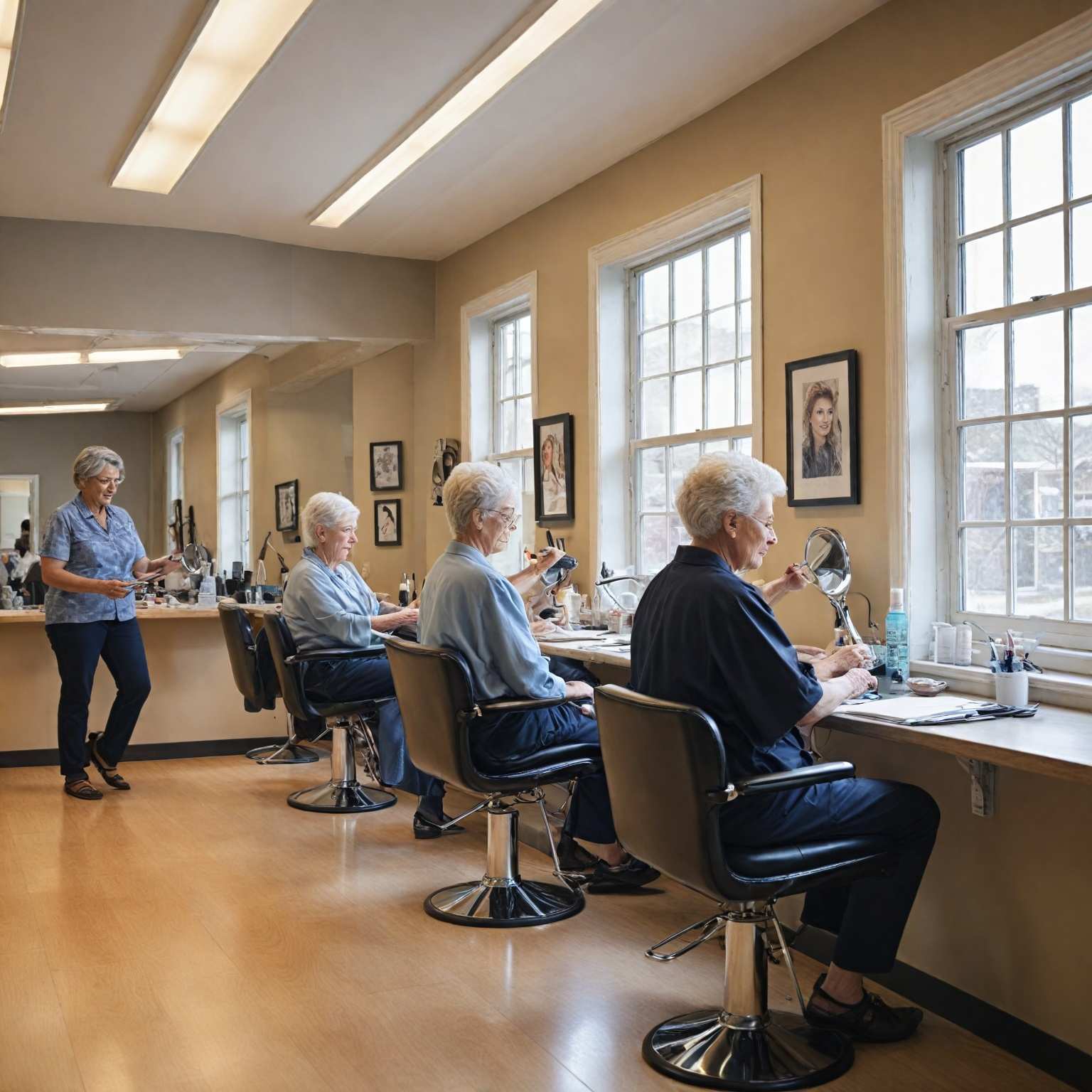
Highlights
- Specialized hairdressing courses enhance technical skills and person-centered care for seniors.
- Graduates gain valuable certifications, opening diverse career opportunities and promoting senior well-being.
Summary and Overview
Hairdressing courses for seniors in 2025 are specialized programs combining advanced technical skills with person-centered care tailored to elderly clients, including those with disabilities. These courses integrate hairstyling techniques with socio-emotional support, sensory awareness, and adaptations to enhance comfort and dignity. With the growing senior population, such training promotes well-being and independence, especially in nursing homes and healthcare settings. Curricula blend haircutting, coloring, safety protocols, and interpersonal skills, often delivered via flexible online and practical formats. Certifications like socio-hairdressing and higher national qualifications enable career advancement in care homes, salons, and creative industries. Programs address sensory sensitivities and physical adaptability, emphasizing safety, mentorship, and compassionate care. Emerging trends include assistive technologies and expanded online learning to meet evolving industry demands.
Course Types and Essential Skills
Courses range from beginner to advanced levels, covering foundational techniques like haircutting, coloring, and styling, as well as specialized skills such as balayage and client consultation. Training includes hair analysis, treatments, finishing techniques, and use of professional products. Many programs include work placements for real-world experience.
Key skills in 2025 encompass technical proficiency in hair treatments, health and safety adherence, and soft skills like teamwork and customer service. Specialized training for senior care focuses on sensory sensitivities and person-centered approaches to promote dignity and independence. Continuing education supports ongoing professional growth, blending technical, business, and caregiving competencies.
Course Structure, Delivery, and Support
Senior hairdressing courses are modular, often spanning two semesters with assessments including practical exams and portfolio work. Flexible, self-paced online and blended learning options accommodate seniors’ diverse needs. Paid courses usually offer tutor support and supervised hands-on training in simulated salon environments.
Programs emphasize accommodations for senior learners, incorporating sensory awareness, assistive technology, and personalized care. Supervised on-the-job training and mentorship enhance skill development and confidence. Learners provide their own professional-grade equipment and gain experience through student clinics serving real clients.
Teaching and Instructor Training
Instruction combines practical skills with modern teaching methods, including technology use such as Photoshop for portfolio presentation. Instructors possess specialized expertise and pursue ongoing professional development to deliver current industry knowledge. Educator training addresses pedagogical skills and prepares teachers to meet seniors’ unique learning needs, integrating awareness of sensory sensitivities and person-centered care.
Certifications and Career Opportunities
Formal qualifications range from entry-level Certificates I and II to advanced Certificate IV and Higher National Certificate (HNC) programs. These credentials prepare learners for roles from salon assistants to managers and specialists, with recognized industry standards and potential for international work. Career paths include employment in nursing homes, salons, creative industries, education, and self-employment. Specialized training supports roles addressing seniors’ unique care needs, enhancing both technical and emotional support capabilities.
Learning Resources and Practice Materials
Courses provide comprehensive resources covering communication, leadership, cosmetology law, anatomy, physiology, and hair chemistry. Training includes practical and theoretical components, with assessments through exams and portfolio development. Students typically supply their own equipment and develop digital skills to enhance professional presentation.
Challenges and Safety Considerations
Senior learners face challenges such as sensory adaptations, physical comfort, and balancing commitments. Training emphasizes soft skills, safety protocols, and hygiene to reduce workplace hazards. Flexible scheduling and support services help accommodate seniors’ needs. Financial considerations, including bursaries and application deadlines, are important for access to education.
Safety protocols focus on managing salon hazards like wet floors and chemical exposure using personal protective equipment and proper ventilation. Adaptations include bedside services for immobile clients. Learners must maintain suitable equipment and adhere to safety standards to ensure client and staff well-being.
Testimonials and Future Trends
Success stories highlight the value of internships, teamwork, and adaptable learning formats like hybrid courses combining online and practical training. Resources promoting effective study habits support learners’ progress. Future trends emphasize socio-hairdressing certifications, sensory-aware care, and expanded online education, reflecting the profession’s growing role in supporting seniors’ health, dignity, and social engagement.
The content is provided by Avery Redwood, Direct Bulletins