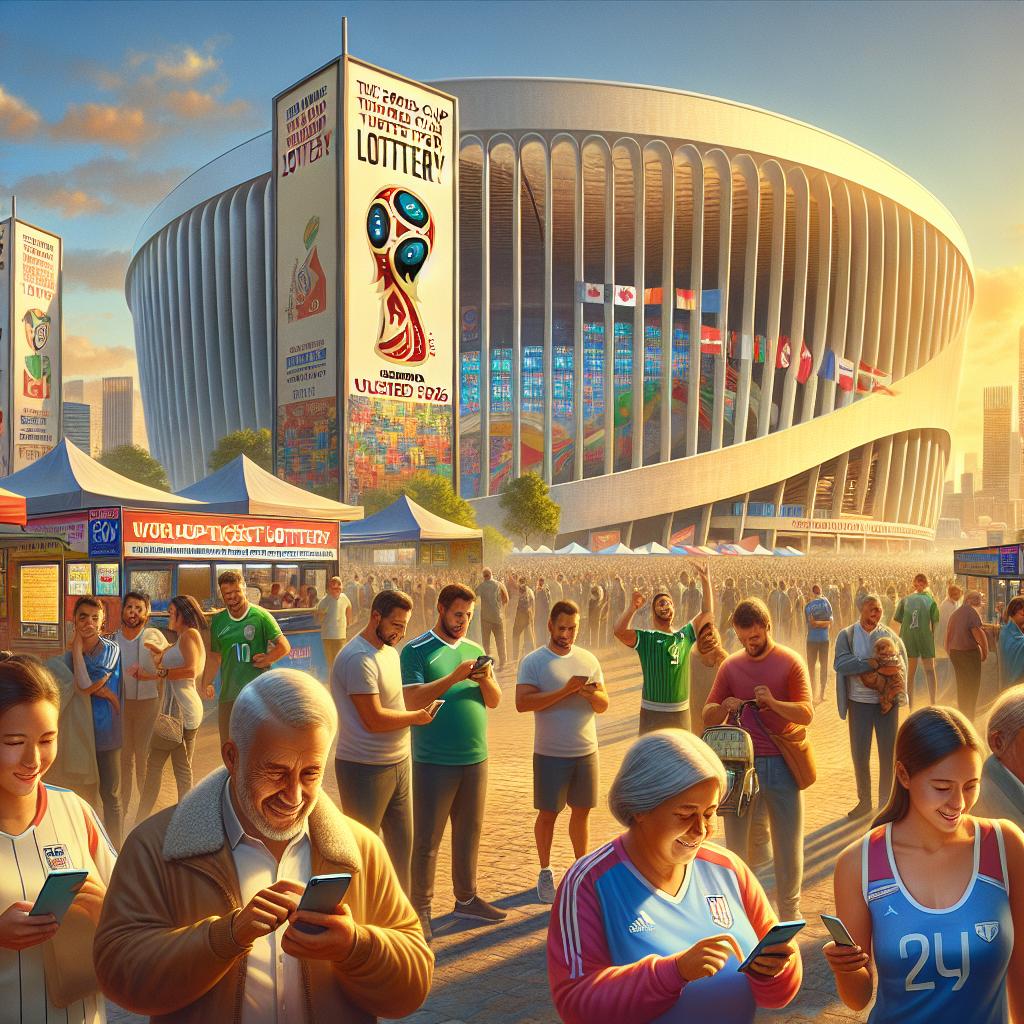
Highlights
- The 2026 FIFA World Cup lottery system aims to ensure fair ticket access for millions.
- Register now to participate in a groundbreaking ticketing experience with enhanced security measures.
Summary
The 2026 FIFA World Cup ticket lottery system is a comprehensive and innovative process designed to allocate tickets fairly to millions of fans worldwide for the first World Cup hosted jointly by the United States, Canada, and Mexico. Building on previous tournaments’ ticketing frameworks, this system incorporates multiple sales phases, including an initial Visa cardholder presale, a global random lottery draw, and subsequent first-come, first-served opportunities, aiming to maximize accessibility and transparency throughout the ticket distribution process. With ticket prices ranging from approximately $180 for group stage matches to over $4,000 for the final, FIFA has emphasized affordability and fairness in response to public concerns over high costs and limited availability.
Eligible fans must register using a FIFA ID and adhere to strict rules limiting purchases to four tickets per match and 40 tickets overall per household, with automatic disqualification for multiple entries from the same household to maintain equity in the lottery. The system also includes dedicated provisions for fans with disabilities, offering accessibility tickets with companion options, though limited seating and higher prices compared to previous tournaments have drawn criticism from disability advocates and supporters. Payment is processed automatically for successful applicants, with tickets delivered ahead of the tournament, and an official resale platform is provided to combat fraud and unauthorized sales.
Despite being praised as the most extensive and fair ticket distribution mechanism in World Cup history, the lottery system has faced challenges including overwhelming demand—over 20 million ticket requests reported during early sales phases—and concerns over fairness and potential disenfranchisement of some fan groups. Additionally, phishing scams impersonating FIFA ticket lotteries have targeted prospective buyers globally, prompting calls for heightened security awareness and robust anti-phishing measures. These controversies highlight the complexities of managing ticket access for one of the world’s largest sporting events.
Overall, the 2026 World Cup ticket lottery system represents a critical evolution in FIFA’s efforts to democratize access to the tournament while addressing the logistical and ethical challenges posed by an expanded host footprint and intensified global interest. Its implementation will be closely watched as a test case for large-scale event ticketing fairness and security in the digital age.
Background
The ticket lottery system for the 2026 FIFA World Cup marks a significant evolution in how tickets are allocated, aiming to provide a fairer distribution process for fans worldwide. It is described as the most comprehensive approach to equitable ticket distribution in the tournament’s history. The lottery opened for entries well in advance, with the registration window set to close on January 13, 2026. Fans from both the host countries and abroad are eligible to participate in the lottery, reflecting FIFA’s effort to make tickets accessible beyond local residents.
This system was introduced amid concerns over high ticket prices and limited availability, issues that have intensified with the expanded scope of the tournament being hosted across three countries. The increased costs of travel and accommodations have also contributed to making attendance potentially prohibitive for many supporters. Following public outcry over the initial pricing, FIFA responded by announcing the release of “more affordable” tickets for all 104 matches to ensure broader access.
Applicants who are successful in the lottery will be notified via email in February 2026 and will be automatically charged for their tickets. The lottery has already attracted tremendous interest, with FIFA reporting 20 million ticket requests during the current sales window, highlighting the global demand for attending the event. Overall, the ticket lottery system represents a critical mechanism for managing ticket distribution fairly in what is expected to be one of the most popular and widely attended World Cups ever staged.
Overview of the 2026 World Cup Ticket Lottery System
The 2026 FIFA World Cup ticket lottery system is recognized as the most comprehensive and fair ticket distribution approach in the tournament’s history. The lottery opened on September 10, 2025, and will continue accepting entries until January 13, 2026, allowing fans ample time to register their interest for match tickets. Successful applicants are notified via email and automatically charged for their tickets in February 2026.
A distinctive feature of the initial lottery phase is its exclusivity for Visa cardholders worldwide, which saw over 1.5 million applications submitted within the first 24 hours, underscoring unprecedented global demand for tickets. This phase runs from September 10 to 19, 2025, with FIFA conducting a computer-generated random draw to select winners. Results are communicated starting September 29, 2025, and winners receive a 48-hour purchase window in October 2025 to finalize their ticket orders.
Applicants must be at least 18 years old and possess a valid FIFA ID to enter the lottery, with only one entry permitted per household. Multiple entries from the same household may lead to disqualification to maintain fairness in the selection process. A maximum of four tickets per household can be purchased for each match, with a total cap of 40 tickets across the entire tournament. Seat selection within a ticket category is not possible; tickets are allocated and distributed ahead of the tournament, with FIFA targeting Q2 2026 for delivery.
The system also incorporates specific provisions for fans requiring accessible seating. Accessibility tickets are limited, typically allowing up to four tickets per participant, including companion tickets, but with restrictions based on stadium infrastructure. For example, only two adjacent seats may be available for wheelchair users and their companions. Pricing for accessible seating is notably higher than previous tournaments, ranging from approximately $140 to $450 for group stage matches and reaching $4,185 for the final, a departure from prior practices where accessible seats were often discounted.
Ticket prices for the 2026 World Cup vary by match and location, with group-stage seats in Dallas starting at $180 and going up to $700, while overall ticket sales will unfold in multiple phases from September 2025 through July 2026, each with differing purchasing procedures and payment options. Unlike previous World Cups, tickets in the main lottery will be sold at fixed prices rather than through dynamic or variable pricing, ensuring transparency in cost despite initial concerns about affordability.
For fans seeking premium experiences or alternatives to the lottery, official hospitality packages are offered by On Location, FIFA’s authorized hospitality provider, catering to those preferring a higher-end event experience.
Application Process
The application window for the 2026 FIFA World Cup ticket lottery opens shortly after the World Cup draw ceremony in early December 2025 and remains open until January 13, 2026. Fans interested in participating must have an existing FIFA ID, which can be created in advance through FIFA.com/tickets. Applicants log in to the ticket portal using their FIFA ID credentials to enter the Random Selection Draw, with no advantage given to early applicants since all fixtures and tickets remain available throughout the entire application period.
Each household is limited to a single application entry and can purchase a maximum of four tickets per match, with an overall limit of 40 tickets for the entire tournament. FIFA actively monitors entries and reserves the right to disqualify multiple registrations originating from the same household to maintain fairness. Additionally, applicants may accept a downgrade to a different ticket category if their initially selected price category is unavailable during allocation.
Applicants have the option to withdraw their application and re-enter before the closing date, using the same access code; however, once the deadline passes, no further entries are permitted. The ticket allocation is determined by a computer-generated random lottery system designed to ensure equal opportunity regardless of application timing, payment method, or geographic location within the eligibility requirements of each phase. Notifications of successful applications are sent via email in February 2026, and payment is processed automatically for those allocated tickets.
Accessibility ticketing follows specific guidelines, with a maximum of four tickets including companion tickets per household. For wheelchair users, stadium infrastructure limits seating to two adjacent seats per group, and fans are urged to only purchase accessibility tickets if genuinely required due to limited availability. Detailed legal documents and terms of use for the ticket lottery are available on FIFA’s official ticketing website.
Lottery Draw Mechanism
The 2026 FIFA World Cup ticket lottery system is designed to ensure a fair and transparent distribution of tickets, representing the most comprehensive approach in the tournament’s history. The process begins with multiple phases, each governed by specific rules to maximize accessibility and fairness.
Following the World Cup group stage draw on December 5, 2025, tickets enter the second lottery phase where teams are placed into groups and host cities are confirmed. Subsequently, a third lottery phase allows ticket buyers to select specific matchups for which they want to purchase tickets. After this, there will be a “first-come, first-served” or “last-minute sales” phase in the spring prior to the tournament.
To participate in the random selection draw, fans must have a FIFA ID and log in to the official FIFA ticketing portal to submit their applications. For those without an existing ID, creating an account is required before entry. Applications are accepted through January 13, 2026, and fans can apply for up to 40 tickets in total, with a maximum of four tickets per match per household. The system permits simultaneous entries into both the random selection draw and the Participating Member Association (PMA) Supporter ticket sales, although household limits still apply.
The lottery employs a sophisticated computer-generated random selection system that guarantees equal opportunity for all applicants regardless of the timing of their application, payment method, or geographic location, as long as entries are submitted within the designated window. Applying for multiple matches does not increase the likelihood of receiving tickets for all; successful applicants may be allocated tickets to only some of the matches requested. Notifications are sent by email in February, with automatic charges processed for successful ticket purchasers.
To prevent manipulation, FIFA reserves the right to disqualify multiple entries originating from the same household, which has raised concerns among fans attempting to improve their odds through multiple registrations. Additionally, accessibility rules cap participants at four tickets total, including companion tickets, with no option to request additional companion tickets beyond the household limit.
The ticket lottery system also incorporates measures to combat fraudulent activities, as phishing scams targeting World Cup ticket buyers have been detected globally. Fans are advised to use reputable security software and remain vigilant against scams.
Payment and Ticket Collection
Once a purchaser is selected in the FIFA World Cup 2026™ ticket lottery, they are guaranteed the opportunity to purchase tickets only if they comply with the FIFA World Cup 26™ Ticket Promotion Eligibility Policy and the Terms of Sale for Ticket Packages. Following selection, the payment process is automatic: the price of the ticket(s) will be charged directly to the purchaser’s registered payment method without requiring further action to confirm the purchase.
Ticket prices for the event have been publicly disclosed, with group-stage matches in Dallas starting at $180 and reaching up to $700, reflecting the range of seating categories available. It is important to note that applying for multiple matches does not guarantee tickets to all requested games; selection occurs through a random lottery, and purchasers may receive tickets for some but not all matches applied for.
After the initial Visa Presale Draw, additional ticket sale phases will take place, potentially with varied purchasing methods and payment options. These phases include random lottery opportunities, first-come, first-served sales, and an official FIFA resale platform designed to facilitate legitimate ticket transfers. Throughout the process, all ticket sales and collections are governed by FIFA’s terms and conditions, which specify eligibility requirements, payment obligations, and ticket usage policies.
Accessibility tickets are subject to specific limits: each participant can purchase a maximum of four tickets in total, including companion tickets, in accordance with household restrictions. Additional companion tickets beyond this limit cannot be requested, and the availability of accessibility offerings may vary by host country (Canada, Mexico, and the United States).
Rules and Regulations
Ticket purchases for the 2026 FIFA World Cup are governed by strict rules designed to ensure fairness and accessibility. Each household is limited to a maximum of four tickets per match and no more than 40 tickets in total for the entire tournament. This limit includes companion tickets for fans requiring accessibility accommodations, and no additional companion tickets beyond this household cap may be requested.
Fans with disabilities are subject to the same ticketing limits but must also navigate pricing structures that differ significantly from past tournaments. Unlike previous events where accessible seating was typically priced at the lowest category or discounted, the 2026 World Cup features accessible tickets ranging from approximately 140 USD to 450 USD for group stage matches, with final match tickets costing up to 4,185 USD. Accessibility offerings may vary by host country (Canada, Mexico, and the United States), and fans are advised to consult the specific guidelines applicable to each location.
Ticket purchases are processed through an application and lottery system. Fans create a Fan ID and enter the ticket ballot to apply for matches, with ticket allocations confirmed via email and payments charged automatically to successful applicants. During the application process, buyers may be offered a downgrade to a different ticket category if their originally selected category is unavailable.
In addition to standard ticket sales, FIFA has established an official resale marketplace as the only authorized platform for buying and selling tickets post-initial sale phases. Tickets sold through this platform are verified and delivered securely, ensuring legitimacy and reducing the risk of fraud. Fans requiring more than four tickets for a match are encouraged to explore FIFA’s hospitality packages, which provide premium experiences starting at $1,350 and can reach up to $73,200 for comprehensive packages.
Purchasers of Ticket Packages, such as Ticket Packs or Super Ticket Packs, must comply with specific eligibility policies and terms of sale to retain their guaranteed opportunity to purchase tickets for matches held in the United States. The ticketing process includes various sales phases—such as random lottery phases with equal chances for all applicants and first-come, first-served sales—each with potentially different purchasing procedures and payment methods.
Accessibility and Inclusion Measures
FIFA has implemented specific accessibility and inclusion measures in the ticket lottery system for the 2026 World Cup to accommodate fans with disabilities and limited mobility. These measures include a dedicated allocation of tickets known as Accessibility Tickets, which cater to various needs across the host countries—Canada, Mexico, and the United States.
Accessibility Tickets are divided into categories such as Wheelchair User tickets, designed for individuals who use wheelchairs or mobility scooters, and Easy Access Amenity tickets, which serve those who may not use wheelchairs but require extra space or assistance due to limited mobility or invisible disabilities like heart or lung disease. Due to stadium infrastructure limitations, wheelchair users and their companions are offered up to two adjacent seats. Fans are allowed to purchase a maximum of four tickets in total, including up to three companion tickets, aligning with household ticket limits. It is emphasized that accessibility tickets should only be purchased by those who genuinely require them, as availability is limited and seat locations vary by stadium.
Despite these provisions, the pricing structure for Accessibility Tickets departs from common practice seen in previous major tournaments. Instead of discounted or lowest-category pricing, tickets for fans with disabilities range from approximately 140 USD to 450 USD for Group Stage matches, with the cheapest accessible ticket for the final priced at 4,185 USD. This pricing approach represents a significant increase and diverges from efforts typically made to reduce financial barriers for supporters with disabilities.
Technical Infrastructure and Security
The 2026 World Cup ticket lottery system relies on a robust technical infrastructure designed to securely handle the storage and transmission of user preferences and data. The system employs technical storage mechanisms that are strictly necessary to enable the use of requested services or to facilitate the transmission of communications over electronic networks, ensuring that user data is processed only for legitimate purposes.
To safeguard against phishing attacks and other cyber threats, the ticketing platform incorporates multi-layered security software equipped with anti-phishing capabilities. Users are advised to utilize reputable security solutions to protect themselves from scams, which have been notably prevalent during major events like the FIFA World Cup. This layered security approach is critical to maintaining the integrity of the ticket lottery system and protecting users’ sensitive information throughout the ticket purchasing process.
Challenges and Criticisms
The 2026
Comparisons with Previous World Cup Ticketing Systems
The ticketing system for the 2026 World Cup shares similarities with those used in previous tournaments, particularly in the use of a lottery to allocate tickets to fans worldwide. Like in past World Cups, tickets are initially offered through FIFA’s official website, with national federations such as U.S. Soccer or the English FA assisting in selling and distributing some tickets through separate channels based on their own eligibility criteria and processes. This dual approach aims to accommodate both local supporters and international fans.
Historically, previous World Cups have included “Category 4” ticket allotments reserved specifically for residents of the host country at reduced prices. These tickets are intended to make attending matches more accessible to local fans, who generally have less purchasing power than tourists visiting for the tournament. However, the affordability of these tickets has often been a point of contention.
One notable difference for the 2026 tournament is FIFA’s response to criticism over ticket pricing in recent World Cups. After public outcry regarding exorbitant prices—such as tickets for the final reaching over £3,000—FIFA announced plans to offer “more affordable” tickets across all 104 matches of the event. This marks a significant shift aimed at increasing accessibility and addressing concerns from loyal fans who faced “extortionate” prices in previous editions.
Impact and Reception
The announcement and launch of the ticket lottery system for the 2026 FIFA World Cup generated significant excitement and intense demand among North American soccer fans. Within the first 24 hours of the application period opening, FIFA reported receiving over 1.5 million ticket requests, describing the demand as “extraordinary”. This overwhelming response underscored the event’s massive popularity and the challenges fans would face in securing tickets.
The high volume of applications sparked widespread discussions across social media platforms such as Reddit, TikTok, and Instagram. Fans shared concerns and strategies about how to improve their chances in the lottery, though some worried that certain tactics might inadvertently reduce their odds of success. The intense interest also highlighted regional disparities in ticket availability; while high-profile venues like MetLife Stadium in New York and SoFi Stadium in Los Angeles were expected to have extremely competitive demand, smaller markets such as Kansas City or Guadalajara were anticipated to offer somewhat better chances for fans to obtain tickets.
Fans have also adapted to the digital nature of ticketing, as all tickets must be presented via mobile phones with the requirement that guests enter the stadium together through the same entrance. The system limits each household to a maximum of four tickets per match and 40 tickets across the entire tournament, aiming to balance demand and prevent scalping or hoarding.
The content is provided by Blake Sterling, Direct Bulletins