Highlights
- Laser cleaning machines offer a non-contact, eco-friendly solution for surface restoration.
- Recent advancements are making laser cleaning technology more efficient and accessible across industries.
Summary
Laser cleaning machines are advanced devices that use laser technology to remove contaminants, rust, paint, and other unwanted materials from surfaces with high precision and efficiency. Unlike traditional cleaning methods, these machines offer a non-contact, environmentally friendly alternative that preserves the integrity of the underlying substrate, making them valuable across diverse industries such as automotive, aerospace, semiconductor manufacturing, and cultural heritage preservation. Their ability to clean surfaces without abrasives or chemicals positions them as a sustainable solution aligned with modern environmental and safety standards.
The technology behind laser cleaning relies on mechanisms including laser thermal ablation, thermal stress, and plasma shock waves, which enable selective removal of surface coatings without damaging delicate substrates. Machines typically employ pulsed fiber lasers due to their controlled energy delivery and minimal heat impact, supported by optical systems that ensure precise beam shaping and scanning over complex surfaces. Various configurations—from handheld units to fully automated robotic systems—allow laser cleaning to meet a wide range of industrial requirements, from spot repairs to large-scale production line integration.
Despite their advantages, laser cleaning machines present challenges such as high initial costs, safety risks from high-powered laser exposure, and the need for rigorous operator training and compliance with regulatory standards including ANSI Z136 and OSHA guidelines. Additionally, the effectiveness of laser cleaning can vary depending on contaminant type and substrate material, necessitating careful process optimization and maintenance to ensure consistent performance. These factors influence the adoption rate, especially among small and medium-sized enterprises.
Recent technological advancements have enhanced the efficiency, automation, and safety of laser cleaning machines, fostering growth in the global market projected to reach over $5 billion by 2035. Innovations in robotic integration, laser source design, and environmental controls continue to expand the applications and accessibility of laser cleaning, driven by increasing regulatory pressure to reduce chemical solvent use and improve workplace safety. As such, laser cleaning machines represent a transformative and evolving technology in surface treatment and industrial maintenance.
Definition and Purpose
Laser cleaning machines are specialized devices designed to remove contaminants, rust, paint, or other unwanted materials from surfaces using laser technology. Their primary purpose is to provide a precise, efficient, and environmentally friendly method of cleaning that maintains the integrity of the underlying material. These machines must adhere to international and national quality standards to ensure consistent performance and reliability, which in turn enhances customer satisfaction and strengthens the brand’s market competitiveness.
The operation and maintenance of laser cleaning machines involve specific tasks aimed at preserving their performance. Maintenance includes routine cleaning and replenishment of expendables, while service functions—such as replacing laser resonator mirrors or repairing faulty components—are performed less frequently and require strict safety protocols, especially when accessing the laser beam. Proper installation in compliance with relevant electrical codes and safety regulations is also essential for their effective and safe use.
By integrating these practices, enterprises can not only comply with safety and quality regulations but also establish a foundation for long-term operational success in utilizing laser cleaning technology.
Core Scientific Principles
Laser cleaning technology primarily relies on three fundamental mechanisms: laser thermal ablation, laser thermal stress, and plasma shock wave effects. Each mechanism plays a crucial role in the removal of contaminants from various substrates without damaging the underlying material.
The laser thermal ablation mechanism involves the direct removal of a material layer or coating through the precise application of a laser beam. When the laser irradiates the surface, it breaks molecular bonds in the contaminant layer, causing the material to vaporize or eject from the substrate. This process is the basis for all laser cleaning applications, such as rust removal on steel surfaces. The energy delivered must be carefully controlled to exceed the ablation threshold of the contaminant but remain below the damage threshold of the substrate.
Laser thermal stress arises from the rapid heating and cooling cycles induced by the laser pulses, generating localized mechanical stresses within the contaminant layer. This can lead to cracking or delamination of the contaminants, facilitating their removal. However, care must be taken, especially with sensitive materials like silicon wafers, where direct laser irradiation can cause permanent damage due to strong thermal and stress effects.
The plasma shock wave mechanism is an indirect cleaning process that uses shock waves generated on the workpiece surface by the laser. These shock waves help dislodge contaminants without directly heating or damaging the substrate, making this method particularly suitable for delicate semiconductor elements and photosensitive materials.
Laser parameters such as power, pulse width, frequency, and beam profile are critical to optimizing cleaning efficacy while minimizing substrate damage. Pulsed fiber lasers are often preferred due to their ability to deliver high-energy surges in short bursts, resulting in efficient contaminant ejection with minimal heat-affected zones. In contrast, continuous wave (CW) lasers emit energy steadily but at lower intensities, which may cause substrate damage through incineration rather than clean ablation. Additionally, flat-top beam profiles distribute energy uniformly over the surface, enabling safe and non-destructive cleaning compared to Gaussian beam profiles.
Components and Technical Specifications
Laser cleaning machines consist of several critical components designed to ensure effective and precise surface treatment. The core element is the laser source, which emits a high-energy beam used to ablate contaminants from surfaces without damaging the underlying material. This laser beam is shaped and directed by an optical system, typically involving mirrors and lenses, to focus the energy on the target surface. A galvanometric scanner, often integrated into a handheld gun, collects and distributes the laser light over complex or relief surfaces, enabling precise and uniform cleaning.
The laser source type and power dictate the machine’s cleaning capability. Common laser power ranges vary from 20 to over 3000 watts depending on the application; for instance, 20-100 W lasers are suitable for light rust removal, while industrial-scale tasks such as paint or grease stripping may require 350 W or more. High-power continuous wave lasers (1000–3000 W) are preferred for heavy-duty tasks like removing thick rust from steel plates, whereas low- to medium-power pulsed lasers (100–500 W) are used for delicate materials such as plastics and rubber.
Pulse characteristics—specifically pulse width and frequency—are essential for optimal cleaning performance. Pulsed lasers store and release energy periodically, which enables precise removal of coatings without overheating the substrate. Typical pulse energies range from 1.8 mJ to 100 mJ, with higher pulse energy facilitating the removal of thicker contaminants. Laser beams can have Gaussian or flat-top (uniform) profiles, affecting the energy distribution on the surface.
To maintain operational stability and safety, laser cleaning machines incorporate cooling systems—either air or water-based—to prevent overheating of the laser source and scanner components. The machines also include consumables such as working gases (e.g., nitrogen or argon), nozzles, protective lenses, and mirrors that require regular maintenance. Long fiber optic cables enable operators to maintain a safe distance from the laser source during use.
Machine configurations vary to suit different industrial needs and safety requirements. Options include handheld units for portability, fixed installations for automated processes, and enclosed cabinet systems that enhance operator safety. Advanced systems feature embedded autofocusing mechanisms tolerant to part positioning variations and programmable logic controllers (PLCs) from manufacturers like Allen Bradley or Siemens, allowing 24/7 operation in harsh environments.
Types of Laser Cleaning Machines
Laser cleaning machines come in various types and configurations designed to suit different industrial needs and applications. The main distinctions among these machines are based on their laser source, mode of operation, and integration capabilities.
Based on Laser Source
One of the primary classifications of laser cleaning machines depends on the type of laser employed. Fiber lasers, operating at a fixed wavelength of 1064 nm, are widely used due to their excellent absorption characteristics for metals, making them ideal for industrial cleaning applications such as rust and coating removal from metal surfaces. These fiber laser systems are often customizable to match specific industrial requirements, allowing businesses to optimize cleaning efficiency and control.
In terms of laser operation, machines may use either pulsed or continuous wave (CW) lasers. Pulsed lasers emit energy in short bursts, increasing peak power and enabling faster and more efficient removal of coatings without excessive heating of the substrate. This pulsed mode helps prevent damage to the underlying material by minimizing thermal effects. In contrast, CW lasers emit energy continuously at a lower intensity, which may remove paint by incineration but can risk substrate damage due to sustained thermal exposure.
Based on Operation Mode and Integration
Laser cleaning equipment is available in manual, automatic, and robotic integration types to accommodate different scales of operation and automation requirements. Manual and handheld laser cleaners offer versatility for smaller-scale or targeted cleaning tasks, sometimes combining capabilities like welding or cutting with cleaning. For larger industrial processes, laser cleaners can be integrated into production lines, often mounted directly on conveyors. This setup enables automated contaminant removal and surface preparation in one step, particularly useful in industries such as automotive manufacturing where parts are continuously moved between stages.
Robotic laser cleaning systems provide precise control and repeatability for complex or large surfaces, improving efficiency and consistency in cleaning operations. These systems can automatically adjust for variations in part positioning and handle multiple cleaning areas, thereby enhancing throughput and quality.
Industrial Applications
Laser cleaning machines have become transformative tools across multiple industrial sectors due to their precision, efficiency, and environmentally friendly operation. Their ability to remove rust, oxide layers, paint, grease, and other coatings without damaging the underlying substrate has driven widespread adoption in industries such as automotive, aerospace, manufacturing, shipbuilding, semiconductor production, and cultural relics preservation.
Automotive and Aerospace Industries
In the automotive and aerospace sectors, laser cleaning plays a crucial role in surface preparation, coating removal, and maintenance tasks. These industries require high standards of weld integrity and surface cleanliness to ensure the safety and performance of their products. Laser cleaning effectively prepares aluminum, steel, and stainless steel surfaces prior to welding or brazing, removing contaminants such as oxides and coatings that could compromise bonding quality. Furthermore, the non-contact nature of laser cleaning preserves delicate components, making it ideal for precision applications in these fields.
The aerospace industry, particularly in North America, has seen significant benefits from laser cleaning technologies. Companies like General Lasertronics and IPG Photonics Corporation have developed advanced laser cleaning systems tailored to the stringent requirements of aerospace maintenance and manufacturing, emphasizing minimal material loss and operational efficiency.
Semiconductor Industry
The semiconductor industry faces unique challenges in removing micro- and nano-scale impurities from photomasks and component surfaces. Laser cleaning offers a non-contact, pollution-free alternative to traditional chemical and physical cleaning methods, enabling precise removal of contaminants without damaging sensitive materials. This method gained industrial traction in the 1990s following innovations such as liquid-film-assisted laser cleaning developed by researchers at IBM.
Cultural Heritage and Surface Treatment
Laser cleaning is extensively used in the preservation and restoration of cultural relics and historical artifacts. Its ability to remove dirt, oxidation, and other surface deposits without abrasive contact helps maintain the integrity of fragile materials while providing efficient cleaning. This technique also extends to the treatment of metal surfaces, optical lenses, and semiconductor devices, enhancing surface properties and enabling non-destructive micromachining.
Manufacturing and Mold Maintenance
In manufacturing, laser cleaning systems contribute to maintaining molds used in plastic injection and rubber molding by efficiently removing residues and contaminants, thereby improving production quality and extending mold lifespan. Additionally, these systems facilitate routine maintenance tasks by providing quick, precise cleaning without the use of harmful chemicals or abrasive materials.
Environmental and Operational Benefits
Laser cleaning machines offer substantial environmental advantages by eliminating the need for toxic chemicals and reducing waste. They operate quietly and require fewer consumables, contributing to cleaner and safer work environments. Furthermore, the process is easily automated and can be integrated into production lines, enhancing operational efficiency across industries.
Safety Considerations
Despite their advantages, laser cleaning machines involve inherent risks due to the use of high-energy laser beams. Compliance with updated safety standards—such as those mandated by the National Institute for Occupational Safety and Health (NIOSH)—requires industries to implement automated laser safety interlocks, protective equipment, and operator training. These requirements can increase implementation costs, particularly affecting small and medium-sized enterprises.
Advantages and Benefits
Laser cleaning machines provide numerous advantages over traditional cleaning methods, making them increasingly popular across various industries. One of the primary benefits is their high precision, allowing operators to target specific, small areas for cleaning without affecting the surrounding surface. This precision is particularly useful for spot repairs, enabling the removal of rust or grime from isolated spots while leaving the rest of the surface intact.
In addition to precision, laser cleaning is a chemical-free and non-abrasive process, which eliminates the need for consumables such as sand or other abrasive materials. This not only reduces waste and operational costs but also offers an eco-friendly alternative to traditional chemical cleaning methods. The process leaves behind only the destroyed particles of the removed layer as dust, enhancing environmental sustainability.
The versatility of laser cleaning technology allows it to operate effectively on delicate surfaces and in hard-to-reach areas, including at various angles. This adaptability extends the lifespan of metal structures and components by providing thorough cleaning without causing damage. Moreover, laser cleaning machines can be integrated into automated production lines, sometimes combined with robotic arms, resulting in improved industry productivity, precision, and speed in tasks such as surface preparation and de-coating.
Laser cleaning also redefines standards of quality and sustainability in industrial cleaning operations. By replacing traditional methods, it enhances overall operational efficiency and supports compliance with environmental and safety regulations. The continuous development and integration of automation further boost these benefits, making laser cleaning a forward-looking solution for modern manufacturing and maintenance needs.
Comparison with Traditional Cleaning Methods
Laser cleaning offers a modern alternative to conventional cleaning techniques such as chemical cleaning, abrasive blasting, and sandblasting, with several distinct advantages. Unlike traditional methods, laser cleaning is highly effective at removing contaminants without causing damage to the underlying surface due to its non-abrasive nature. This makes it particularly suitable for delicate or high-value items that could be harmed by abrasive or chemical processes.
One of the main benefits of laser cleaning is its environmental friendliness. Traditional chemical cleaning involves the use of solvents and chemicals that pose risks to workers, equipment, and the environment. In contrast, laser cleaning eliminates the need for such hazardous substances, reducing harmful byproducts and improving workplace safety. Additionally, the process is precise and material-friendly, capable of removing rust, paint, coatings, grease, oxidation effects, and carbon deposits across a wide variety of surfaces including metals, glass, and stone.
While traditional methods can still be effective and may be preferable for specific surfaces, laser cleaning’s automation potential and adaptability provide efficiency gains on the production floor. Some handheld laser devices offer additional functionalities such as welding or cutting, further enhancing operational versatility. Moreover, laser cleaning significantly reduces health and safety concerns associated with abrasive blasting and chemical use, though it requires stringent safety measures due to the power of industrial lasers.
Regulatory factors also influence the growing adoption of laser cleaning technologies. The increasing enforcement of environmental regulations, such as those in the European Union limiting chemical solvent use, as well as updated safety guidelines requiring automated laser safety interlocks, are driving industries to favor laser solutions. Industries like automotive, aerospace, and manufacturing are leading the transition, seeking cleaning methods that are safe for both operators and materials while maintaining high performance and environmental compliance.
Limitations and Challenges
Laser cleaning machines, while innovative and environmentally friendly, face several limitations and challenges that affect their broader adoption and operational efficiency. One significant challenge is the high upfront cost associated with purchasing laser cleaning equipment. Although these machines offer long-term savings through reduced chemical use and lower maintenance, the initial investment can be prohibitively expensive, especially for small and medium-sized enterprises (SMEs). This financial barrier limits the accessibility of laser cleaning technology across various industries.
Another challenge lies in ensuring safe operation due to the inherent risks associated with high-powered lasers. Operators must receive comprehensive training to understand the hazards such as eye damage, skin burns,
Safety Considerations
Laser cleaning machines present several safety hazards that must be carefully managed to protect operators and ensure efficient operation. These hazards include laser radiation, exposure to harmful fumes and particulates, electrical and fire risks, mechanical and ergonomic dangers, and psychological stress. Implementing comprehensive safety measures, including administrative controls, proper training, and use of personal protective equipment (PPE), is essential to mitigate these risks.
Personal Protective Equipment (PPE)
Beyond laser safety goggles, operators should wear flame-resistant gloves, jackets, and respiratory protection as needed. PPE must be selected based on risk assessments and maintained properly. Even when the laser is not active, protective eyewear should be worn due to potential scattered laser light. These precautions minimize exposure to radiation, heat, and chemical hazards.
Laser Radiation Hazards
The high-intensity laser beams used in cleaning processes pose significant risks to eyes and skin. Operators must wear laser safety goggles specifically rated for the laser wavelength in use, as these filter out harmful radiation effectively. It is recommended that operators wear additional protection such as welding helmets (shade 3–5) to shield the full face. Laser cleaning areas should be clearly marked with hazard zone barriers and equipped with remote interlocks and dual-action safety guards to prevent accidental exposure.
Fumes and Ventilation
Laser cleaning generates noxious fumes and particulates when ablating contaminants or coatings. Adequate ventilation systems must be installed to reduce these emissions below permissible exposure limits established by organizations such as OSHA and ACGIH. Proper airflow and extraction prevent accumulation of hazardous substances in the workplace air, safeguarding respiratory health.
Electrical and Fire Hazards
Laser cleaning equipment relies on high-voltage electrical systems, which introduce risks of electric shock and fire if not properly maintained. Faulty wiring, ungrounded components, and insufficient training increase these dangers. Regular electrical inspections, adherence to safe electrical practices, and accessible emergency shutdown procedures, including clearly labeled emergency stop buttons, are critical safety measures.
Administrative Controls and Training
Effective safety management requires rigorous administrative controls, such as standard operating procedures, safety audits, and continuous monitoring of compliance. Before installation, thorough site assessments should identify potential risks and inform safety planning. Operator training is vital and must cover safe equipment operation, hazard recognition, emergency response, proper PPE use, and maintenance protocols. Understanding the specific laser type and its hazards enhances operator awareness and reduces accident risks.
Environmental and Regulatory Compliance
Laser cleaning technologies are increasingly favored for their eco-friendly profile, producing minimal toxic waste compared to chemical cleaning methods. However, compliance with occupational safety regulations, such as OSHA standards on noise exposure and electrical safety, remains mandatory. Enterprises should ensure their equipment meets national and international quality standards while maintaining a safe and environmentally responsible workplace.
Regulatory Standards and Guidelines
The safe use of laser cleaning machines is governed by a range of regulatory standards and guidelines designed to mitigate hazards associated with laser operation. In the United States, the Occupational Safety and Health Administration (OSHA) plays a central role in developing and enforcing occupational health and safety regulations applicable to laser equipment. While OSHA does not have a comprehensive standard specifically for lasers, certain regulations such as 29 CFR 1926.54, which applies to the construction industry, and personal protective equipment standards under Subpart I may be relevant.
At the national level, the American National Standards Institute (ANSI) has established a series of voluntary consensus standards under the Z136 series, which cover safe laser use in various environments, including manufacturing (ANSI Z136.9) and educational institutions (ANSI Z136.5). These standards provide guidance on laser classification, hazard evaluation, safety measurements, labeling, and protective equipment testing (Z136.4, Z136.6, Z136.7). Compliance with these standards often requires significant investment in safety protocols, protective gear, and operator training, which can be challenging especially for small and medium-sized enterprises.
The U.S. Food and Drug Administration (FDA) also regulates laser products under Title 21 of the Code of Federal Regulations (21 CFR 1040). The FDA’s Notice 50 (2007) and Notice 56 (2019) state no objection to laser products that conform with the international standard IEC 60825-1, which defines laser classification, hazard zones, and safety measures. It is recommended that laser cleaning equipment be either Class 1 or compliant with Class 1 safety levels to ensure minimal risk to operators.
Internationally, ISO 45001 provides a framework for occupational health and safety management systems, which supports organizations in identifying and controlling safety risks, including those posed by laser equipment. Implementing ISO 45001 enhances workplace safety, environmental protection, and product quality, thereby improving the reliability and market competitiveness of laser cleaning machines.
In addition, several state governments and the Conference of Radiation Control Program Directors (CRCPD) have developed model state standards to address laser safety at the local level, supplementing federal regulations. Overall, adherence to these regulatory standards and guidelines is essential not only for legal compliance but also for ensuring the safe operation of laser cleaning machines, protecting workers’ health, and maintaining product quality.
Recent Technological Advancements
Recent years have seen continuous advancements in laser technology that have significantly propelled the development of laser cleaning machines. Improvements in laser sources, control systems, automation features, and beam quality have collectively enhanced the efficiency, precision, and applicability of laser cleaning in industrial settings. These technological enhancements include higher energy output, broader wavelength ranges, and greater energy conversion efficiency, enabling laser cleaning to outperform many traditional methods.
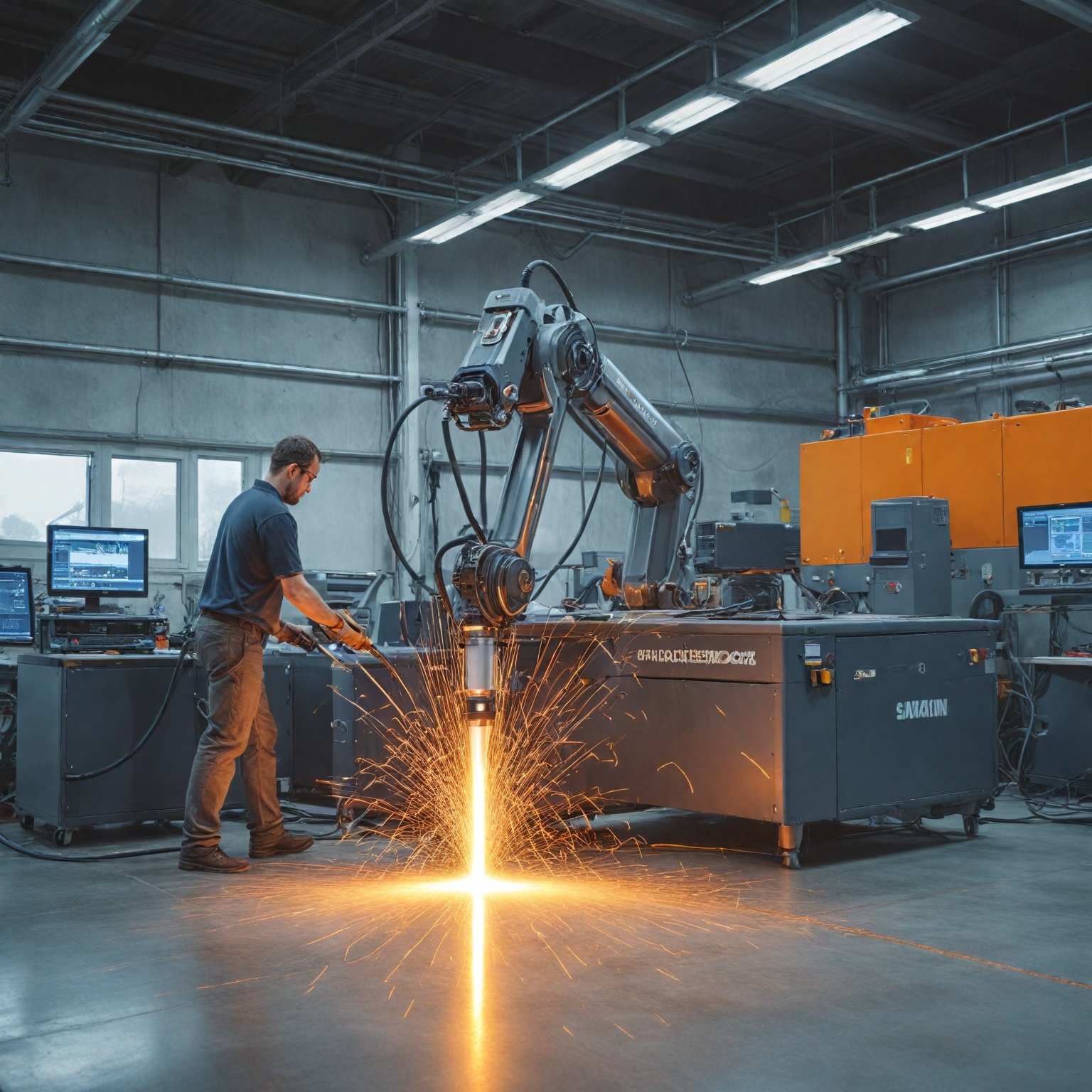
One major trend is the integration of automation and robotics in laser cleaning systems. Robotic laser cleaning machines, equipped with advanced autofocusing systems and high degrees of freedom in movement, can precisely clean complex parts and various shapes through simple automatic adjustments. When paired with ultra-high-power lasers, these robotic systems are capable of automating the cleaning of large surfaces with consistent results. Such systems, while more costly, are designed for large-scale, continuous industrial cleaning tasks, emphasizing efficiency and reliability.
Laser fine surface manufacturing technology has also emerged as a promising direction for future development. This approach allows non-destructive micromachining on material surfaces to enhance their properties without compromising integrity, which is particularly valuable in applications such as historic restoration, de-coating, and treating small or delicate areas with gentle, high-precision laser pulses.
Safety remains a critical concern as industrial laser cleaners often use high-power Class 4 lasers. The power and intensity that enable effective cleaning also introduce significant risks, including potential personal injuries and equipment damage. To mitigate these risks, modern laser cleaning machines are designed with robust safety features such as laser shielding, automatic shut-off systems, advanced cooling mechanisms, and comprehensive operator training programs. Furthermore, compliance with national and industry safety standards is prioritized to ensure safe and reliable operation.
Environmental considerations have increasingly influenced technological advancements as well. Industrial laser cleaning is recognized as an environmentally friendly alternative to traditional chemical and abrasive methods. Laser cleaning produces no toxic waste or hazardous emissions, aligning with growing industry demands for green manufacturing solutions. This eco-friendly aspect is driving adoption across automotive, aerospace, and manufacturing sectors transitioning towards non-toxic, energy-efficient cleaning technologies.
Maintenance and Operational Best Practices
Maintenance of laser cleaning machines involves tasks specified in the user instructions that ensure the product’s performance, including routine cleaning and replenishment of expendables. Service functions, such as replacing laser resonator mirrors or repairing faulty components, are performed less frequently and often require careful safety procedures due to potential beam access during servicing. These procedures should be clearly outlined in the machine’s service manual to safeguard personnel.
Regular inspections and maintenance are critical to the safe operation of laser cleaning equipment. Key components such as the laser source, cooling system, and ventilation should be checked periodically to confirm proper functionality and prevent hazards. Comprehensive operator training is essential, covering equipment operation, hazard recognition, emergency procedures, and the correct use of personal protective equipment (PPE).
Operational safety is further enhanced by implementing administrative controls including safety protocols, standard operating procedures, safety audits, and continuous monitoring to ensure compliance with relevant standards. Prior to installation, a thorough site assessment is necessary to address potential risks and prepare the environment accordingly.
Operators must always match machine settings to the specific materials being cleaned, avoiding the use of laser cleaning on materials like wood, plastic, or paper unless settings are confirmed safe. Conducting a fresh risk assessment for each new task or worksite is highly recommended to anticipate and mitigate unexpected hazards. Familiarity with the laser cleaning machine’s user manual and adherence to manufacturer safety instructions are fundamental to safe operation.
Emergency shutdown systems, including clearly labeled and easily accessible emergency stop buttons, should be installed to allow rapid deactivation of the equipment in case of an incident. Operator training should also encompass emergency response procedures and reinforce the importance of maintaining a safe work environment.
Finally, adherence to international and national quality standards through strict quality control procedures not only ensures equipment reliability and product consistency but also contributes to operator safety and environmental protection. This compliance lays a foundation for the long-term success and competitiveness of enterprises employing laser cleaning technology.
Future Trends and Developments
The future of laser cleaning machines is poised for significant growth and innovation driven by rapid advancements in laser technology and increasing market demand. The global market for laser cleaning is projected to expand from $2.17 billion in 2025 to $5.22 billion by 2035, representing a compound annual growth rate (CAGR) of 9.1%. This surge is largely fueled by the adoption of advanced laser technologies that offer superior cleaning performance, operational efficiency, and environmental benefits compared to traditional chemical and abrasive methods.
Technological developments are enabling laser cleaning systems to become more automated, precise, and versatile. Modern machines can be integrated directly onto production conveyors, facilitating seamless contaminant removal and surface texturing before processes such as welding or coating. Advanced autofocusing and robotic solutions allow for the cleaning of complex shapes and large surfaces with high precision and adaptability, particularly benefiting industries like automotive and aerospace where production lines require continuous, reliable surface preparation. Moreover, pulsed lasers with various power levels are increasingly used to carefully remove coatings without damaging the substrate, enhancing process safety and material integrity.
Environmental concerns and regulatory pressures are also shaping future trends. The European Union’s restrictions on chemical solvent use and global emphasis on sustainability have increased the appeal of laser cleaning as an eco-friendly alternative that produces no toxic waste or secondary pollution. In 2024, updated safety guidelines, such as those from the National Institute for Occupational Safety and Health (NIOSH), mandate enhanced safety measures like automated laser safety interlocks, reflecting the industry’s commitment to operator protection and regulatory compliance.
Regionally, the Asia Pacific is expected to lead growth due to rapid industrialization and expansion in key sectors such as automotive and aerospace across countries including China, Japan, South Korea, and India. The combination of sustainability goals, operational efficiency demands, and technological advancements will continue to drive the adoption of laser cleaning machines globally.
Enterprises in the laser cleaning sector are focusing on delivering turnkey, predesigned solutions that can be easily integrated into existing manufacturing lines, ensuring consistency, reliability, and compliance with international quality standards. This strategic approach not only improves customer satisfaction but also strengthens market competitiveness and supports long-term industry development.
The content is provided by Sierra Knightley, Direct Bulletins