Highlights
- Night shift cleaning offers flexible schedules while ensuring safe and hygienic workplaces.
- Addressing health risks improves worker conditions and promotes career advancement opportunities.
Summary
Night shift office cleaning jobs involve maintaining the cleanliness and order of commercial workplaces during overnight hours, ensuring that offices and facilities are hygienic, safe, and ready for use by employees and visitors the following day. This role is notable for its unique work schedule, allowing cleaners to perform tasks without daytime disruptions, and for its physical demands, requiring flexibility, attention to detail, and the ability to work independently. Night shift cleaners perform a wide range of duties, including sweeping, mopping, restocking supplies, and deep cleaning, all while adhering to strict safety protocols to manage chemical exposures and physical strain.
The occupation presents specific health and safety challenges. Workers face chemical hazards from cleaning agents, ergonomic risks due to repetitive and strenuous tasks, and psychosocial stressors linked to irregular hours and social isolation. Moreover, night shift schedules disrupt natural circadian rhythms, contributing to fatigue, sleep disturbances, and increased risk for chronic health conditions. These factors, combined with safety concerns such as workplace security during nighttime hours, underscore the importance of comprehensive training, protective measures, and supportive workplace policies.
Despite these challenges, night shift office cleaning remains a vital and growing sector within the commercial cleaning industry, offering accessible employment opportunities often requiring minimal formal education but emphasizing physical fitness and reliability. Career advancement is possible through experience, certification, and union support, which also play key roles in advocating for improved labor conditions and worker protections.
Controversies surrounding night shift cleaning jobs primarily involve occupational health risks and the social impacts of nonstandard work hours, including potential harassment and work-life conflicts. Efforts to mitigate these issues focus on enforcing safety regulations, promoting ergonomic interventions, and encouraging flexible scheduling to balance worker well-being with business needs.
Overview
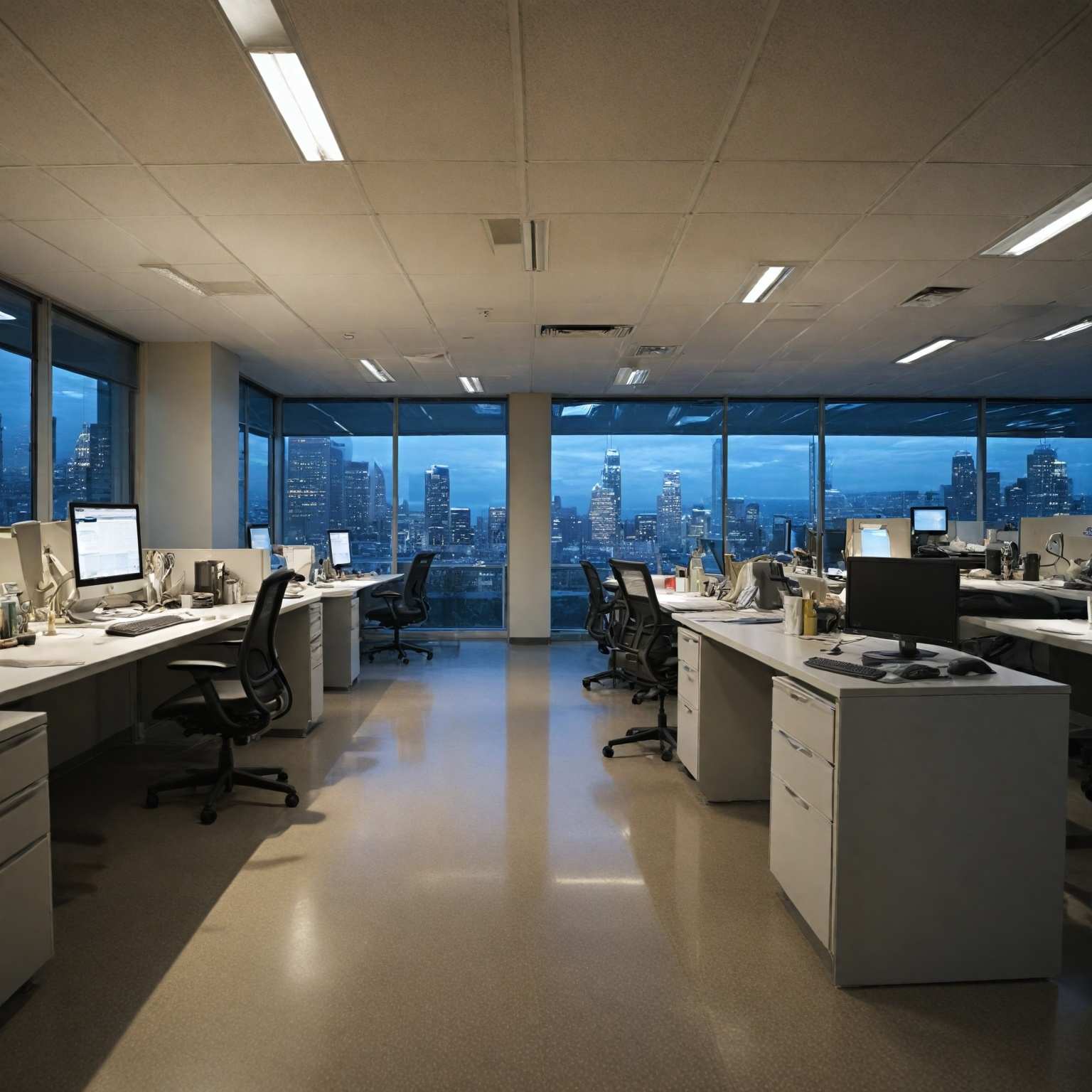
Night shift office cleaning plays a crucial role in maintaining the cleanliness and functionality of commercial spaces outside of regular business hours. This work schedule allows cleaners to perform their duties without the interference of employees, customers, or visitors, thereby ensuring that workspaces remain undisturbed during business hours and that cleaning activities do not inconvenience anyone. The absence of foot traffic and workplace clutter during the night enables cleaners to work more efficiently and thoroughly, attending to areas such as office desks, retail aisles, and industrial floors with greater ease.
As a night shift cleaner, employees are typically expected to have flexible availability to work nights and weekends, reflecting the irregular work hours that have become increasingly common across many industries. Responsibilities often include the nightly cleaning and detailing of office buildings or other commercial environments to maintain a professional and welcoming atmosphere. Given the physical demands of the job, it is important to plan for regular and frequent breaks throughout the shift to reduce fatigue and the risk of injury.
Additionally, the cleaning industry faces particular occupational health considerations. Professional cleaners are exposed to a wide range of chemical substances found in numerous cleaning products, many of which contain potentially hazardous compounds. The diversity of products and chemical classes used necessitates thorough assessment of safety data sheets (SDS) to understand exposures and related health hazards, especially in professional cleaning settings where various products from multiple manufacturers are utilized. Participatory ergonomics approaches have been studied as a method to reduce injury risk related to manual and non-manual handling tasks common among cleaners, although the effectiveness of these interventions remains under evaluation.
Duties and Responsibilities
Night shift office cleaners are responsible for maintaining cleanliness and order in commercial buildings during after-hours, ensuring that the workspace is ready and presentable for the next day. Their primary duties include sweeping, mopping, vacuuming carpets, dusting surfaces, scrubbing and disinfecting restrooms, and polishing woodwork. They also restock supplies such as soap, toilet paper, and paper towels in bathrooms and kitchen areas.
In addition to routine cleaning tasks, night cleaners may handle spill cleanups, trash removal, and occasional deep cleaning activities like waxing floors or shampooing carpets. They typically follow a checklist to ensure all assigned areas, such as offices, hallways, restrooms, stairways, and common areas, are thoroughly cleaned and maintained. Some cleaners also rearrange furniture as needed to facilitate cleaning or prepare the space for daily operations.
Night shift cleaners often work independently but may report any maintenance issues or hazards identified during their shift to supervisors or maintenance personnel for further attention. Their work supports maintaining a sanitary and professional environment, which is essential for business operations and employee productivity.
Experience in office cleaning or similar roles is preferred, along with strong communication skills and the willingness to work assigned hours, often during nights and weekends. Cleaners must comply with safety protocols, including proper handling of cleaning chemicals and adherence to occupational safety standards, to minimize health risks associated with their work. Overall, night shift cleaning plays a critical role in ensuring that commercial spaces remain hygienic, safe, and welcoming for employees and visitors each day.
Working Conditions
Night shift office cleaning jobs involve unique working conditions that differ significantly from daytime cleaning roles. Employees typically perform manual labor throughout their shifts, requiring a reasonable level of physical fitness to manage the demands of the job effectively. Since the work is often conducted independently with minimal supervision, strong self-motivation and time management skills are essential to handle unexpected tasks, such as responding to maintenance requests and ensuring thorough cleaning before the building reopens.
Safety is a critical aspect of night shift cleaning work. Employers are required by OSHA standards to maintain safety data sheets for all hazardous chemicals used during cleaning and ensure these documents are accessible to employees during their shifts. Cleaners must use products according to their instructions, avoid mixing chemicals such as bleach and ammonia, and store products in their original containers to minimize health risks. Given the potential physical hazards, including awkward postures and prolonged standing, musculoskeletal disorders are common among cleaners, compounded by psychosocial stressors like monotonous work and low promotion potential.
Working overnight shifts often disrupts workers’ circadian rhythms, increasing fatigue, stress, and the likelihood of errors or accidents. To mitigate these risks, regular breaks and well-designed rest areas, preferably located upwind of contaminated sites, are recommended. Administrative and engineering controls can help limit exposure to fatigue and maintain alertness during non-traditional working hours. Many employers implement night shift allowance systems to compensate for the demanding hours, with definitions of “night shift” varying but generally including work performed between 10:00 p.m. and 6:00 a.m..
Despite these compensations, night shift cleaners frequently report adverse effects on their social and family lives. The isolation inherent in working outside of regular business hours can lead to strained relationships, disrupted sleep patterns, exhaustion, and negative impacts on both physical and mental health. A survey involving over 2,500 cleaners across 32 countries highlighted these challenges, emphasizing the heightened conflict night and evening shift workers face in balancing work with family and social obligations.
Health and Safety Considerations
Night shift office cleaning involves unique health and safety challenges that must be addressed to protect workers effectively. Cleaners are routinely exposed to a variety of chemical, physical, and psychosocial hazards, which are compounded by the demands of working during nighttime hours.
Chemical Hazards and Protective Measures
Cleaning products contain numerous chemical substances that may cause skin absorption of harmful substances, severe cuts, burns, or respiratory irritation. Employers are required by OSHA standards to ensure employees use appropriate personal protective equipment (PPE) such as gloves, safety goggles, and protective clothing when handling hazardous cleaning chemicals. Awareness and proper training on the safe use and handling of cleaning agents, including the understanding of material safety data sheets, are crucial to minimizing exposure risks. Furthermore, ventilation and minimizing inhalation of vapors are important workplace controls to reduce respiratory hazards. Certified green cleaners meeting EPA criteria are recommended to limit harmful health effects.
Ergonomic and Physical Stressors
Night shift cleaners often face musculoskeletal risks due to repetitive motions, awkward postures, prolonged standing, and manual handling tasks inherent in cleaning duties. Participatory ergonomics approaches have been explored to reduce injury rates and severity among cleaning staff, with particular focus on static work postures and repetitive arm movements. Additionally, mental health stressors, including monotonous job conditions and low promotion potential, have been linked to psychological disorders among cleaners, highlighting the need for comprehensive occupational health programs.
Impact of Night Shift Work on Health
Working night shifts disrupts natural circadian rhythms, which can cause sleep deprivation, fatigue, and increased risk for cardiovascular, metabolic, and mental health disorders. Daytime sleep is often shorter and fragmented due to misaligned biological signals, and melatonin levels during night shifts contribute to sleepiness and decreased alertness on the job. Night shift workers generally do not fully acclimate to altered schedules, leading to cumulative health risks. Employers must conduct thorough risk assessments for night work and implement safety plans that address fatigue, ensure adequate lighting, and educate workers and managers about sleep hygiene and related risks.
Safety Concerns and Psychosocial Risks
Beyond physical hazards, night shift cleaners—particularly females—report high levels of safety concerns, including workplace harassment and insecurity during commutes. Nearly half of female night shift cleaners express feeling unsafe, with a significant proportion experiencing harassment incidents. These social and family life conflicts necessitate employer attention to workplace security, harassment prevention, and support systems for night workers.
Skills, Qualifications, and Training
Night shift office cleaning jobs generally require minimal formal qualifications, making them accessible entry-level positions for many individuals. Most employers prefer candidates to have at least a high school diploma or GED certificate, though some positions may accept applicants without any educational credentials. Experience is often not mandatory for entry-level roles, as overnight cleaning jobs typically face low competition; however, some companies might favor applicants with prior experience in office or commercial cleaning.
Physical fitness is important for night cleaners because the work involves manual labor throughout the entire shift, which can be physically demanding. Additionally, the job requires strong time management skills to maintain a healthy work-life balance, given the mental and physical challenges of overnight shifts. Soft skills such as attention to detail, reliability, self-motivation, and the ability to work independently are crucial to performing well in this role.
Training for night shift cleaners varies depending on the employer and the type of facility. On-the-job training is common, especially for the use of specialized equipment like buffing and waxing machines, as well as learning the specific cleaning routines required for different environments. Safety training is a fundamental part of preparation, particularly in understanding the handling and mixing of cleaning chemicals and the associated risks. Cleaners must be knowledgeable about safety data sheets and proper chemical storage to prevent accidents, following guidelines such as those from OSHA and the EPA.
Certification is not typically required but can be advantageous for career advancement. Professional certifications offered by organizations like the International Sanitary Supply Association (ISSA) and the Building Service Contractors Association International (BSCAI) may help cleaners obtain higher-level positions or specialized roles. Furthermore, some employers may require OSHA safety certifications or training related to chemical hazards and personal protective equipment usage to ensure compliance with workplace safety standards.
Employment and Career Development
Night shift office cleaning jobs are currently in demand, with the commercial cleaning industry projected by the U.S. Bureau of Labor Statistics to continue growing over the next several years. This steady demand is driven by the universal need for businesses to maintain clean and sanitized workplaces across all sectors. Employment opportunities are readily available, as demonstrated by numerous job listings for night cleaners across various locations and companies.
Entering the field typically requires minimal formal education; most employers ask for a high school diploma or GED and the ability to handle cleaning equipment and chemicals safely. On-the-job training is commonly provided, allowing new cleaners to work alongside more experienced staff until they gain confidence and proficiency in their duties. While certification is not mandatory, obtaining professional credentials from organizations such as the International Sanitary Supply Association (ISSA) or the Building Service Contractors Association International (BSCAI) can enhance job prospects and facilitate career advancement.
Career development often follows a progression from night shifts to earlier shifts and eventually into supervisory roles, contingent upon an individual’s diligence and work ethic. However, many cleaners work non-day shifts primarily due to limited scheduling options or economic necessity rather than preference, as daytime positions are often scarce or not offered by employers. Experience gained on the job, combined with any additional certifications, can open doors to higher-level positions within the cleaning industry or related fields.
Legal and Regulatory Framework
Night shift office cleaning jobs are governed by a combination of federal and state labor laws designed to ensure the safety and fair treatment of workers, particularly those who may be minors. Child labor laws strictly regulate the number of hours a 17-year-old employee can work to prevent exploitation and overwork, requiring compliance with limits on working hours and mandated breaks. Employers must be aware of these restrictions to maintain lawful operations.
Occupational Safety and Health Administration (OSHA) standards play a critical role in protecting night shift cleaning workers from workplace hazards. Employers are required to provide appropriate personal protective equipment (PPE), including hand protection when handling chemicals or materials that can cause severe cuts, burns, or absorption of harmful substances, and eye or face protection against flying particles, chemical splashes, and other dangers. The use of so-called “green” or environmentally friendly cleaning products does not exempt employers from providing adequate PPE, as these products may still pose health risks.
Extended or irregular work hours common in night shifts present additional safety concerns. Such schedules can disrupt the body’s natural rhythms, leading to fatigue, stress, and decreased alertness, which increase the likelihood of workplace accidents and errors. Under the Occupational Safety and Health Act (OSH Act), employers are mandated not only to adhere to specific hazard-related standards but also to provide a workplace free from recognized serious hazards.
Special considerations are also in place for tasks involving hazardous chemicals during cleaning operations. Proper ventilation and safe handling practices are essential to minimize exposure to harmful substances. Regulatory bodies emphasize the importance of training and resources to support night workers in maintaining health and safety standards.
Together, these legal and regulatory frameworks aim to protect night shift office cleaners by establishing clear requirements on working hours, safety equipment, hazard management, and overall workplace conditions.
Challenges and Coping Strategies
Working as a night shift office cleaner presents unique challenges that can impact both physical health and social well-being. One of the most significant difficulties involves disrupted sleep patterns. Night shift workers often have to sleep during the daytime, a period when the body’s natural circadian rhythm signals wakefulness, resulting in shorter and more fragmented sleep. This disruption can lead to chronic sleep deprivation, which increases the risk of serious health conditions such as heart disease, diabetes, and cancer. The Occupational Safety and Health Association (OSHA) emphasizes that workers generally do not fully acclimate to night shifts, and inadequate recovery during non-work periods exacerbates fatigue and sleep-related issues.
In addition to health risks, night shift cleaners frequently experience social and family life conflicts. Working hours outside of the conventional daytime schedule can lead to isolation, strained relationships, and difficulties maintaining social interactions. Surveys of cleaners highlight challenges such as reduced time with children and partners, resulting in emotional stress and a sense of disconnection from loved ones. The irregular and unsocial shifts common in cleaning roles further contribute to exhaustion and negatively affect mental health.
Safety concerns also pose a challenge for night shift cleaners. Working alone in empty or dimly lit buildings increases vulnerability to accidents and security risks. Furthermore, access to emergency medical or security assistance is often limited during nighttime hours. Employers are required to conduct risk assessments to evaluate the safety of night work and to ensure that employees receive adequate training to mitigate these hazards[
Labor Unions and Worker Advocacy
Labor unions play a significant role in supporting night shift office cleaning workers by addressing the unique challenges they face and advocating for their rights and working conditions. The Workers Union, for instance, offers tailored support for night workers, including those who require specialized health assessments or night support services, ensuring a productive and harmonious work environment.
Unions provide various benefits to their members such as representation in disputes, access to training programs, and legal assistance. Programs like the Heat System Training Program and delegate trainings empower workers to protect and strengthen their union’s influence. Additionally, unions often collaborate with a broad range of stakeholders including labor advocates, legal experts, civil rights leaders, and policymakers to promote fair labor standards and job quality.
For night shift cleaners—professionals responsible for maintaining cleanliness in offices, schools, hospitals, and other commercial spaces during nighttime hours—union representation can be crucial. Night shift workers often contend with irregular hours and health concerns related to their schedules, making union advocacy essential for ensuring fair labor practices and benefits. Furthermore, unions and worker advocates work to uphold labor laws, such as those regulating fair time off and child labor protections, which are vital for safeguarding the welfare of all workers, including those on night shifts.
Tips for Success
Successfully working as a night shift cleaner requires a combination of practical strategies, physical readiness, and mental resilience. One fundamental approach is to develop comprehensive training manuals or Standard Operating Procedures (SOPs) that clearly outline all routine cleaning tasks and provide general guidelines for handling uncommon situations. This preparation helps transform staff from beginners into experts by setting clear expectations and reducing uncertainties during shifts.
Adapting to the night shift schedule is crucial, as many cleaners experience sleep disruptions and fatigue due to the non-traditional working hours. Strategies such as prioritizing self-care, planning for regular breaks throughout the shift, and maintaining a strong work-life balance can mitigate these challenges. Because overnight work can be mentally and physically demanding, being physically fit and possessing strong time management skills are essential for sustaining productivity and well-being.
Safety is another important consideration. Night cleaners often work alone or in large, empty buildings, which can pose security risks and limit immediate access to emergency assistance. Developing personal safety protocols and staying alert throughout the shift can help ensure a safer work environment. While the quieter nighttime environment allows for more autonomy and uninterrupted work, it also means less immediate support from team members, making self-reliance and vigilance critical.
Finally, advocating for flexible scheduling policies, such as rotating shifts that emphasize employee health, can support long-term sustainability in this role. Exploring alternative job opportunities or industries that better align with individual lifestyles and preferences may also be beneficial for some workers. By combining thorough preparation, health-conscious habits, safety awareness, and flexible scheduling, night shift cleaners can thrive and maintain the cleanliness and safety of facilities effectively.
The content is provided by Sierra Knightley, Direct Bulletins