Highlights
- Discover innovative therapies for effective cellulite reduction in 2025 with personalized approaches.
- Engage with our guide for evidence-based insights into the evolving cellulite treatment landscape.
Summary
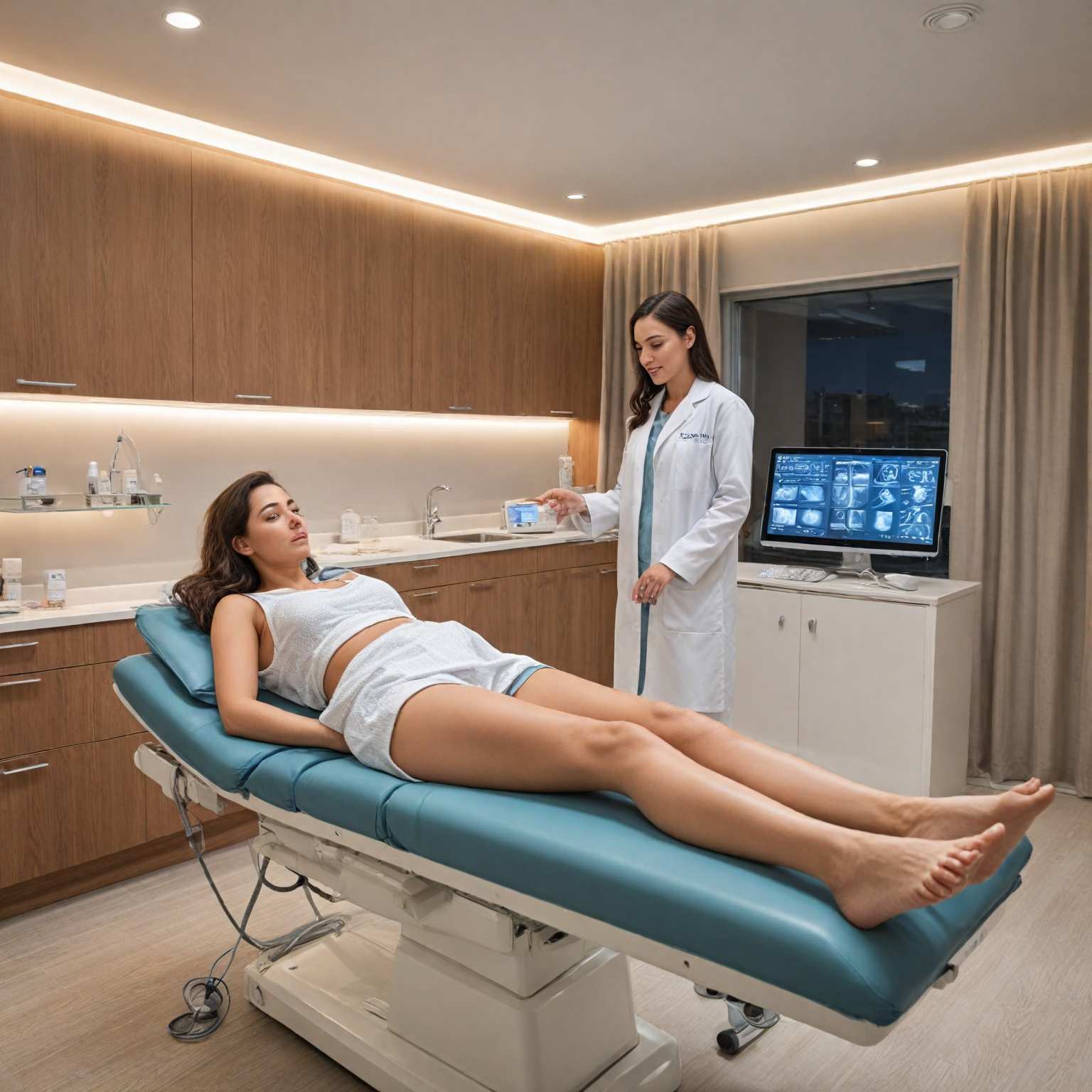
Exploring Effective Cellulite Reduction Treatments in 2025: A Comprehensive Guide provides an in-depth overview of current and emerging therapies aimed at reducing the appearance of cellulite, a common aesthetic condition characterized by dimpled or lumpy skin primarily affecting women’s thighs, buttocks, and hips. Recognized as a multifactorial disorder involving structural, hormonal, vascular, and genetic factors, cellulite presents significant challenges for treatment due to its complex pathophysiology. This guide contextualizes cellulite not only as a cosmetic concern but as a reflection of underlying tissue alterations, emphasizing the necessity for multidisciplinary therapeutic approaches.
In 2025, cellulite management encompasses a broad spectrum of modalities ranging from non-invasive energy-based devices—such as radiofrequency, ultrasound, and laser therapies—to minimally invasive procedures including enzymatic injectables like QWO and subcision techniques. Energy-based treatments stimulate collagen remodeling and relax fibrous septae, while newer injectables enzymatically target the collagen structures responsible for skin dimpling, marking a significant advancement in treatment efficacy and patient convenience. Combination therapies and personalized protocols integrating advanced technologies and AI-driven diagnostics have become increasingly prevalent, offering improved and sustained outcomes.
Despite these advances, no current treatment guarantees complete cellulite elimination, and patients are advised to maintain realistic expectations. Safety profiles of available treatments are generally favorable, with most adverse effects being mild and transient, although procedural risks vary by modality and practitioner expertise. Controversies remain regarding the long-term effectiveness of certain interventions, especially fat-targeting techniques used in isolation, and ongoing research aims to clarify optimal treatment combinations and protocols.
Looking forward, innovations in regenerative medicine, biomaterials, and pharmacological agents hold promise for more targeted and durable cellulite therapies. Continued clinical trials and technological development are critical to expanding safe and effective options. This comprehensive guide serves as an essential resource for clinicians and patients seeking evidence-based insights into the evolving landscape of cellulite reduction in 2025.
Understanding Cellulite
Cellulite is a common aesthetic concern characterized by a rippling or dimpling appearance of the skin, primarily affecting areas with significant adipose tissue deposits such as the thighs, buttocks, and hips in women. It should not be confused with cellulitis, which is an inflammatory condition of the subcutaneous tissue. The clinical manifestations of cellulite include fibrosis and sclerosis, which lead to a wavy skin surface and palpable nodules. These changes typically accelerate during adolescence, pregnancy, and around menopausal age, reflecting hormonal and physiological influences.
The pathophysiology of cellulite is complex and multifactorial, involving structural, vascular, endocrine, and genetic components. At the subdermal junction, fibrous septae play a critical role by contributing to contour alterations associated with cellulite, creating an imbalance between containment forces and fat extrusion that results in the characteristic skin dimpling. Endothelial dysfunction and microcirculation disorders also appear to be significant contributors to the condition’s development, often exacerbated by systemic vessel and endocrine abnormalities alongside genetic predisposition.
At the cellular level, mesenchymal stromal cells within the gluteofemoral white adipose tissue (gfWAT) are notable for their abundance in cellulite-prone areas. These cells, which express estrogen receptors and are involved in tissue repair and regeneration, comprise approximately 85%–90% of the mesenchymal stromal cell population in affected tissues, a stark contrast to their lower presence in normal physiological states. This suggests a hormonal influence on the cellular environment that may contribute to cellulite formation.
Given its multifaceted nature, cellulite is not merely a cosmetic issue but rather reflects underlying interdisciplinary homeostatic disturbances. Understanding these biological and structural underpinnings is crucial for developing more targeted and effective treatments, as ongoing research continues to elucidate the precise mechanisms involved.
Cellulite Reduction Treatments in 2025
In 2025, a wide range of treatments are available for cellulite, ranging from non-invasive to minimally invasive procedures, each targeting different underlying mechanisms to improve skin texture and appearance.
Energy-Based Treatments
Energy-based modalities utilize various forms of energy—radiofrequency (RF), ultrasound, laser, infrared light, and radial pulses—to heat the skin, stimulate collagen production, and relax fibrous septae, thereby reducing the visible signs of cellulite. These treatments are typically non-invasive, require little to no downtime, and often involve multiple sessions to achieve optimal and sustained results.
Radiofrequency and Ultrasound
Radiofrequency devices such as Velasmooth, Velashape, Exilis Elite, and Venus Legacy have been FDA-cleared and clinically validated to reduce cellulite by tightening skin and enhancing collagen remodeling. Newer generation RF devices combine thermal and mechanical energy, exemplified by the EMTONE device, which uniquely delivers simultaneous mechanical vibrations and thermal energy to address all major factors contributing to cellulite. This synergistic effect has demonstrated superior efficacy with minimal adverse effects, usually limited to mild redness or transient skin reactions.
Ultrasound-assisted techniques, including third-generation ultrasound-assisted liposuction (3rd UAL), provide both fat reduction and skin tightening through a less invasive approach, improving superficial fat removal and reducing complications. However, ultrasonic liposculpting as a standalone method has not shown conclusive evidence for cellulite reduction but may contribute to improvements when combined with other treatments.
Laser Treatments
Laser technology remains one of the most trusted approaches for cellulite in 2025. The FDA-approved Cellulaze™ procedure is a minimally invasive laser treatment involving insertion of a tiny laser fiber beneath the skin to break up fibrous bands responsible for cellulite dimpling while stimulating collagen production. Clinical studies indicate that Cellulaze™ can significantly reduce the appearance of cellulite, although several treatment sessions and a short recovery period (1–2 days) are typical.
Non-invasive low-level laser light therapies (LLLT) using specific wavelengths, such as green 532 nm diodes, have also shown improvements in cellulite appearance after multiple treatments, though these effects may be temporary and less pronounced.
Injectable and Surgical Options
Emerging injectable treatments offer a less invasive alternative for cellulite reduction. QWO is the first FDA-approved injectable specifically designed to treat cellulite by enzymatically breaking down fibrous bands, resulting in smoother skin texture with minimal downtime. This treatment represents a significant advancement as the least invasive option demonstrating tangible results.
Other injectable fillers, such as Radiesse, have been utilized off-label to fill depressions caused by cellulite, providing volume beneath the skin and improving overall contour. Surgical techniques like subcision involve mechanically cutting fibrous bands via needle insertion, releasing tethered tissue to smooth dimples. These methods tend to be more invasive and dependent on practitioner expertise but can yield enhanced results, especially when combined with adjunctive therapies.
Topical and Manual Treatments
Specialized massage techniques can offer subtle, temporary improvements in cellulite appearance, but their efficacy is limited compared to technological interventions. Topical products formulated with synergistic ingredients such as caffeine and retinol have been recommended to complement clinical treatments, though their standalone effectiveness requires further clinical validation.
Personalized and Combination Approaches
In 2025, the trend toward personalized treatment protocols incorporating advanced technologies like Morpheus8 Body (which combines RF and microneedling) and AI-driven diagnostic tools is gaining momentum. Combining multiple modalities—such as energy-based devices with injectable therapies or mechanical treatments—often yields superior and longer-lasting results by addressing various pathophysiological aspects of cellulite simultaneously.
Furthermore, the development of portable, at-home devices for RF and body massage caters to the growing demand for accessible and non-invasive cellulite management options, aligning with market preferences for affordability and convenience.
Mechanisms of Action of Key Treatments
Understanding the mechanisms behind cellulite treatments is essential for developing effective therapies that target the root causes of cellulite, such as fibrous septae, fat accumulation, and skin laxity. Several key treatments have emerged by focusing on these underlying structures and physiological processes.
Enzymatic Subcision with QWO
QWO is an injectable treatment that utilizes a mixture of two highly specific bacterial collagenases, AUX-I and AUX-II, to enzymatically degrade collagen types I and III found in fibrous septae—dense, crisscrossed collagen structures that tether the dermis to underlying fascia and create the characteristic dimpling of cellulite. Upon injection, these enzymes selectively target and break down these fibrous septae, releasing the tension that causes skin dimples and leading to a smoother skin surface. This process, known as Enzymatic Subcision and Remodeling (ESR), also stimulates neocollagenesis, promoting new collagen formation which tightens and firms the skin, thereby enhancing overall skin texture and lifting effects. QWO represents a novel injectable approach that addresses cellulite at a structural level with demonstrated clinical efficacy.
Radiofrequency and Ultrasound-Based Therapies
Technologies combining radiofrequency (RF) and ultrasound cavitation, such as the LipoTherapeia® Plus treatment, employ high-power energy to target cellulite through skin tightening and fat reduction. RF generates heat in deeper skin layers, stimulating collagen remodeling and skin contraction, while ultrasound cavitation disrupts fat cells, facilitating their breakdown and removal. This synergistic approach enhances the firmness and smoothness of treated areas, making it one of the most effective and safe options currently available. Additionally, advanced devices like Morpheus8 Body integrate RF with microneedling to further promote precise collagen induction and skin rejuvenation.
Collagen-Stimulating Dermal Fillers: Radiesse
Radiesse is a dermal filler composed of calcium hydroxylapatite (CaHA) microspheres that acts on two fronts to improve cellulite appearance. First, it stimulates the body’s natural production of collagen and elastin, reinforcing skin structure and enhancing elasticity over time. Second, by volumizing areas with dimples or uneven texture, Radiesse smooths the skin surface and reduces visible cellulite depressions. This dual mechanism not only improves skin firmness but also provides subtle contour enhancement, resulting in natural-looking skin rejuvenation and cellulite reduction.
Energy-Based and Minimally Invasive Mechanical Approaches
Other treatments targeting fibrous septae employ mechanical disruption methods such as laser-assisted severing, tiny blade incisions, or energy devices utilizing radiofrequency or infrared technologies to physically cut or weaken the septae fibers. While these approaches differ from enzymatic degradation, their goal similarly focuses on releasing septal tension to smooth the skin surface and reduce cellulite dimpling.
Limitations of Fat-Targeting Modalities Alone
Techniques like ultrasonic liposculpting, which non-invasively target and destroy fat cells, have not demonstrated conclusive evidence in cellulite reduction when used alone. Similarly, the addition of laser treatment to liposuction might aid cellulite improvement, but its effectiveness remains under investigation. Therefore, treatments addressing both the structural fibrous components and skin quality appear to be more efficacious in managing cellulite.
Clinical Evidence and Treatment Effectiveness
Clinical studies have provided substantial evidence regarding the safety and efficacy of various cellulite treatments available in 2025. One of the most notable advancements is the use of collagenase clostridium histolyticum (CCH), commercially known as QWO, which has undergone rigorous evaluation through two phase 3 randomized, placebo-controlled trials. These studies demonstrated that CCH is a safe and effective treatment for women with moderate to severe cellulite on the buttocks, although the injection technique used was standardized across different dimple depths, and ongoing trials are investigating optimized injection approaches.
QWO represents a significant milestone as the first FDA-approved injectable treatment specifically targeting cellulite. Evidence from clinical observations suggests that while QWO and similar injectable therapies significantly reduce the appearance of cellulite, they do not completely eradicate it. Patients are advised to maintain realistic expectations about treatment outcomes. The procedure typically involves a series of injections, with visible improvements noted as early as 28 days after the third injection, and minimal downtime associated with the treatment.
Beyond injectables, energy-based and minimally invasive modalities have gained prominence. Techniques utilizing radiofrequency, ultrasound, infrared light, and laser energy work by heating the skin to stimulate collagen production, relax fibrous septae, and in some cases, induce mild fat reduction. These methods are generally non-invasive or minimally invasive, require little to no downtime, and are often delivered through multiple sessions to optimize results. Laser-assisted cellulite reduction, for example, involves tiny incisions under local anesthesia and has been shown to provide long-lasting improvements with a recovery period limited to one or two days.
Specialized massage remains the only non-medical treatment with some efficacy, but its effects are subtle and temporary compared to medical and device-based interventions. Comprehensive treatment protocols combining various modalities, continuously updated with the latest technological advancements, currently offer the safest and most effective outcomes. Clinics specializing in these combined approaches report superior results in skin tightening and cellulite reduction.
As research continues to clarify the pathophysiology of cellulite, more targeted and effective treatments are anticipated. Investment in research and development of advanced non-invasive devices and expanded clinical partnerships are recommended to capitalize on the growing demand for effective cellulite therapies. Overall, while no treatment guarantees complete elimination of cellulite, current clinical evidence supports a variety of safe and effective options that can substantially improve skin texture and patient satisfaction.
Safety and Side Effects
The safety profiles and side effects of cellulite reduction treatments vary depending on the modality used. Overall, adverse effects tend to be mild and manageable, with serious complications being rare.
Emtone
Emtone is a noninvasive device that simultaneously delivers thermal and mechanical energy to target major contributing factors to cellulite. Adverse effects from Emtone are uncommon and generally mild. Patients may experience mild redness or hive-like reactions immediately following treatment, though these are rare. Serious complications such as burns or nerve injuries are extremely unlikely due to the device’s automatic shut-off safety features. Swelling and redness are the most commonly reported side effects, and downtime is minimal. However, patients with implantable metal devices are contraindicated from receiving Emtone treatment. The treatment is typically painless, with sensations often described as similar to a hot stone massage combined with intense vibrations.
RADIESSE® Dermal Fillers
RADIESSE® and RADIESSE® (+) are dermal fillers used primarily in facial treatments, including some approaches to cellulite management. The most common adverse events observed in clinical studies include bruising, redness, swelling, pain, itching, and difficulty chewing. Delayed-onset inflammation near the injection site is a known potential side effect. Safety and effectiveness of RADIESSE in the periorbital area have not been established. Patients are advised to consult the RADIESSE Patient Information Guide and report any bothersome or persistent side effects to their healthcare providers. No known interactions with drugs, other substances, or implants have been documented, though caution is advised.
Laser Cellulite Reduction
Laser cellulite reduction, such as the FDA-cleared Cellulaze procedure, is minimally invasive and involves the use of a tiny laser probe inserted beneath the skin through small incisions. Although it involves incisions, the procedure is considered safe when performed by qualified providers under local anesthesia. Downtime is generally limited to 1 to 2 days. Side effects are typically mild and temporary, though detailed adverse event profiles depend on individual patient factors and technique.
Ultrasound-Assisted Liposuction
Third-generation ultrasound-assisted liposuction (3rd UAL), including VASER liposuction, is used to target superficial fat and enhance skin tightening. It can be performed safely either alone or in combination with other plastic surgery procedures. While generally well tolerated, the procedure carries typical risks associated with surgical liposuction, including swelling, bruising, and potential discomfort. No unusual adverse events specific to cellulite treatment have been widely reported with this modality.
Collagenase Clostridium Histolyticum (CCH)
CCH is an injectable treatment for moderate to severe cellulite of the buttocks. Clinical trials indicate that it is generally safe and effective
Emerging Innovations and Technologies
Advancements in technology are significantly transforming cellulite treatment by introducing more effective, targeted, and minimally invasive options. One notable innovation is the use of cryolipolysis, or fat freezing, which has gained popularity for its ability to reduce localized fat deposits associated with cellulite. Furthermore, combination therapies that integrate multiple treatment modalities have emerged, offering enhanced outcomes by addressing cellulite from various physiological angles simultaneously.
Radiofrequency (RF) technology has become a cornerstone in non-invasive cellulite reduction. New generations of RF devices, including monopolar, bipolar, and multipolar systems, have demonstrated clinical efficacy in tightening skin and improving its texture. Examples include Velasmooth, Velashape, Exilis Elite, and Venus Legacy, all FDA-approved devices that utilize RF in combination with other energies such as infrared light or pulsed magnetic fields. These devices not only reduce the appearance of cellulite but also promote skin elasticity and circulation. The EMTONE device further advances this concept by delivering both thermal and mechanical energy simultaneously, creating a synergistic effect that enhances treatment results beyond what each modality could achieve independently.
Minimally invasive procedures are also evolving. Subcision remains a highly effective method for disrupting fibrous bands beneath the skin, thereby improving the appearance of certain types of cellulite. However, new techniques like BodyTite, which employs radiofrequency-assisted lipolysis (RFAL), offer the dual benefit of fat reduction and dermal tightening, making it especially useful for challenging areas such as the medial thigh.
Injectable treatments represent a significant breakthrough in cellulite management. Recently approved by the FDA, injectable therapies like QWO have introduced a novel, less invasive option that enzymatically targets fibrous septae responsible for cellulite dimpling. This approach is particularly appealing as it offers visible results with minimal downtime and is part of a broader trend toward expanding the use of injectables beyond traditional fillers and neuromodulators.
At-home technologies are also gaining traction, driven by consumer demand for convenient and affordable solutions. Portable RF devices designed for skin tightening and cellulite reduction enable patients to maintain treatment effects between clinic visits, enhancing accessibility and adherence to care plans.
In addition to these procedural advances, ongoing research into biomaterials and drug delivery systems promises to further revolutionize cellulite treatment. Innovations in natural, synthetic, and composite biomaterials are being integrated into dermatological therapies to improve skin regeneration, enhance drug efficacy, and optimize patient outcomes. These developments are paving the way for next-generation regenerative treatments that combine efficacy with safety and functionality.
Collectively, these emerging technologies and innovations represent a paradigm shift in cellulite management, offering patients faster, more reliable, and less invasive options tailored to diverse clinical presentations.
Lifestyle and Complementary Approaches
Understanding the formation of cellulite is crucial to addressing it effectively. Cellulite occurs when underlying fat deposits push against the skin’s connective tissue, creating a dimpled appearance. This condition is influenced by factors such as genetics, hormones, and lifestyle choices, including physical activity and diet. A sedentary lifestyle, high-fat diet, and poor circulation can exacerbate cellulite’s severity.
Among non-medical interventions, specialized massage remains one of the oldest and most accessible methods to manage cellulite. Techniques such as manual or mechanical massage stimulate lymphatic drainage and improve microcirculation, which are often impaired in areas affected by cellulite. LPG Endermologie, an FDA-approved device, utilizes combined positive and negative pressure via rollers and suction to induce controlled damage to adipocytes, redistributing fat and enhancing skin contour. While massage can offer some improvement, results tend to be subtle and temporary.
Beyond massage, lifestyle modifications focused on maintaining regular physical activity, a balanced diet, and healthy circulation can support the reduction of cellulite’s appearance. These complementary approaches aim to mitigate underlying contributing factors but generally do not eliminate cellulite entirely. As advances in injectable treatments gain popularity for various skin concerns, ongoing research continues to explore their potential role alongside lifestyle measures for more comprehensive cellulite management.
Patient Guidance and Treatment Selection
Choosing the most effective cellulite reduction treatment depends on multiple factors, including the severity of the cellulite, underlying causes, and individual patient preferences. Since cellulite varies in grade and anatomical presentation, treatments should be tailored accordingly to achieve optimal results. Patients are encouraged to undergo a thorough consultation to evaluate their unique skin characteristics and treatment goals.
A multidimensional approach is often recommended, combining advanced non-invasive technologies with the latest surgical innovations. This customization ensures that procedures are aligned with the patient’s anatomy and desired outcomes, providing natural and lasting improvements. Expert practitioners, such as Dr. Aline Rau, emphasize the importance of an artistic and individualized treatment plan to maximize efficacy and patient satisfaction.
In terms of specific treatments, patients may consider options such as LED phototherapy, radiofrequency, ultrasound cavitation, and subcision. Masterclasses and training programs are available for practitioners to gain deeper knowledge and provide the safest and most effective treatments. For instance, while some treatments like QWO injections typically require an average of three sessions, the exact number may vary based on individual anatomy and biological response, underscoring the importance of personalized treatment plans.
Additionally, investing in research and development of advanced non-invasive devices and expanding clinic partnerships is suggested to keep pace with evolving treatment modalities and enhance patient access to cutting-edge options. Overall, patient guidance should prioritize comprehensive assessment, customized treatment selection, and collaboration with experienced providers to ensure the best therapeutic outcomes in cellulite reduction.
Future Directions and Research
Advancements in understanding the pathophysiology of cellulite are paving the way for the development of more targeted and effective treatments in the near future. As research progresses, innovative approaches involving personalized medicine are expected to play a significant role in tailoring therapies to individual patient needs, thereby enhancing treatment outcomes.
Ongoing clinical trials remain critical in expanding the therapeutic landscape. As of December 2024, a comprehensive review identified 115 global clinical trials investigating 83 distinct pluripotent stem cell (PSC)-derived products across various medical fields, including indications relevant to dermatology and fat-related conditions. These trials have collectively dosed over 1,200 patients with high cell counts without significant safety concerns, demonstrating a promising safety profile for regenerative approaches that may extend to cellulite treatment.
Technological innovations are also influencing future treatment paradigms. Advanced non-invasive devices such as Morpheus8 Body, which combines radiofrequency and microneedling, alongside AI-driven diagnostic tools, are enhancing precision and efficacy in cellulite management. These developments suggest that integrating synergistic topical products containing ingredients like caffeine and retinol with cutting-edge technologies may provide superior clinical benefits. Recommendations emphasize further investment in research and development as well as expansion of clinical partnerships to fully leverage these innovations.
Additionally, fat grafting techniques continue to evolve with improvements in graft longevity and monitoring strategies to reduce complications. Higher initial graft volumes coupled with personalized treatment plans allow for better long-term outcomes and early identification of adverse events, thus informing subsequent therapeutic decisions.
Early-phase clinical trials are also underway exploring novel pharmacological interventions. For instance, a phase IIa placebo-controlled clinical trial initiated by researchers at Stony Brook University aims to evaluate a drug treatment method for cellulite, licensed to BioSpecifics Technologies Corp, highlighting ongoing efforts to diversify treatment modalities beyond physical and topical therapies.
The content is provided by Avery Redwood, Direct Bulletins