Highlights
- Cordless blinds enhance safety and style, making them a popular choice for modern homes.
- Discover energy-efficient options that control light and heat while elevating your interior design.
Summary
Cordless blinds are modern window coverings designed without traditional dangling cords, offering a streamlined appearance and enhanced safety features. Operated by push-pull actions, tilt wands, or motorized systems, these blinds eliminate cord-related hazards, making them especially popular in households with children and pets. Available in a variety of materials—including faux wood, aluminum, and pleated fabrics—cordless blinds cater to diverse aesthetic preferences and functional needs such as light filtering, blackout capabilities, and moisture resistance.
The rise of cordless blinds reflects broader industry trends emphasizing minimalistic design, user convenience, and compliance with evolving safety standards. Notably, the ANSI/WCMA A100.1-2022 standard, effective June 2024, mandates the elimination of free-hanging cords in custom window coverings sold in the United States, driving widespread adoption of cordless mechanisms and spurring innovations such as motorization and smart home integration. These regulations have reshaped the market landscape, leading to increased production costs and industry consolidation but enhancing overall consumer safety.
Beyond safety and style, cordless blinds contribute to energy efficiency by improving insulation and enabling precise control over natural light and heat, thereby reducing heating and cooling costs. Their ease of installation and maintenance, combined with versatility in design and control options, has made them a preferred choice among homeowners, designers, and manufacturers.
Despite broad acceptance, the transition to cordless technology has involved controversies related to increased product costs, supply chain adjustments, and regulatory debates, particularly concerning implementation details and industry impacts. Nonetheless, cordless blinds continue to evolve with advances in materials, motorization, and smart home compatibility, positioning them as a key feature in the future of window treatments.
Overview of Cordless Blinds
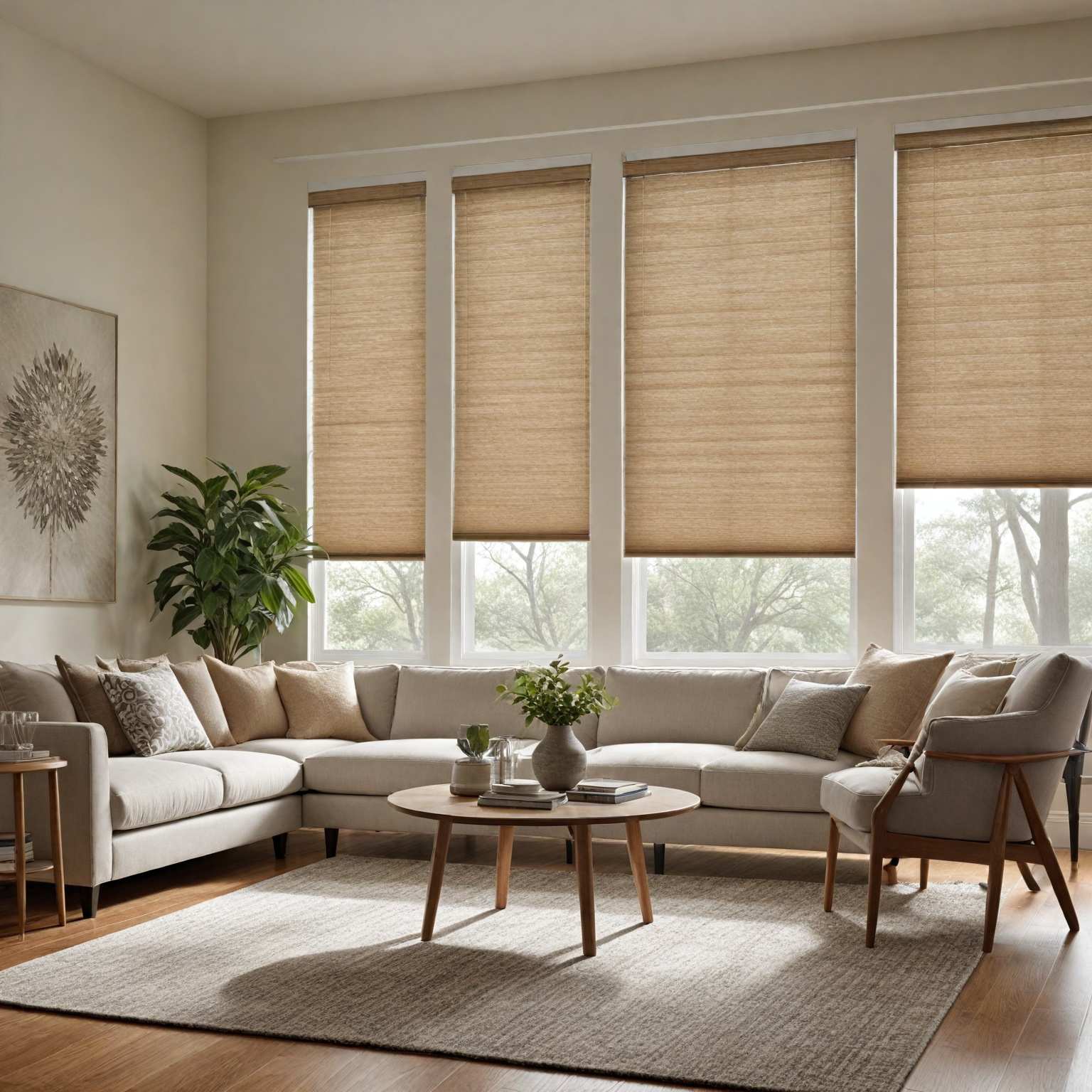
Cordless blinds are a type of window covering that operate without the use of dangling cords, providing a streamlined and modern alternative to traditional corded blinds. These blinds can be opened and closed simply by pushing or pulling on the blind itself, or by using a tilt-wand to adjust slats for controlling light filtration. This design eliminates the presence of cords, resulting in a clean, uncluttered appearance that complements various décor styles and allows windows to become a central aesthetic feature in a room. Manufactured from a diverse range of materials such as pleated fabric, faux wood, and aluminium, cordless blinds offer practical benefits including light filtering, blackout capabilities, and waterproof properties, catering to different functional needs for every room in a home. They also come in a wide array of colors and patterns, making it easy to find options that suit individual tastes and interior designs. One of the most significant advantages of cordless blinds is safety, particularly in homes with young children. The absence of cords removes the risk of strangulation hazards, making cordless blinds a highly recommended choice for child safety in residential settings. Additionally, cordless blinds align with current industry trends favoring ease of use and minimalistic design, emphasizing simplicity and modern aesthetics in window treatments.
History
The development of cordless blinds is closely tied to the evolution of the window covering industry and its growing emphasis on safety and innovation. The origins of the industry organization overseeing these developments trace back to the 1950s when it was established as the Venetian Blind Council. This organization later became known as the Window Covering Manufacturers Association (WCMA), which has played a key role in shaping industry standards and promoting advancements in window treatments. In response to safety concerns related to free-hanging cords, the WCMA has been instrumental in updating voluntary safety standards to eliminate these hazards. The most recent revision, ANSI/WCMA A100.1-2022, approved by the American National Standards Institute (ANSI), specifically targets the removal of free-hanging operating cords, tilt cords, and multiple cord connectors in custom window covering products. This update reflects ongoing industry innovation and the development of new product designs aimed at enhancing user safety. Alongside safety improvements, the industry has seen a steady shift toward cordless designs, which have become popular due to their cleaner aesthetics and increased safety, particularly in homes with children and pets. Cordless mechanisms typically involve concealed operating components within the top rail of the blind, eliminating the need for traditional cords. This transformation aligns with broader trends in window treatments, including motorization and integration with smart home technologies, which have further advanced the convenience and functionality of modern window coverings. State-level regulations have also influenced the adoption of cordless blinds. For example, California’s Title 20 and updated building codes in New York City mandate cordless designs for certain residential applications, while Minnesota was among the first states to implement cord safety laws. These regulatory efforts complement federal and voluntary standards, encouraging manufacturers to prioritize cordless and safer window treatment options.
Design and Features
Cordless blinds are designed to combine convenience, safety, and aesthetic appeal, making them a popular choice in modern window treatments. One of the key design elements is the absence of operating cords, which not only streamlines the appearance but also eliminates strangulation hazards associated with traditional blinds with cords. Instead, these blinds utilize a tension system, often located in the bottom rail, which maintains the position of the blinds by counterbalancing their weight with springs or weighted bars. This mechanism ensures that the blinds remain taut and prevents sagging or bunching, providing a clean and crisp look. The range of materials used in cordless blinds is broad, including high-grade fabrics, hardwood, faux wood, and woven bamboo, allowing customization to fit various interior designs while offering durability and style. For example, Norman® cordless shades and blinds incorporate premium fabrics and natural materials that enhance both function and aesthetics. Additionally, the textures available vary from soft and pliable to rugged, giving consumers options that cater to tactile and visual preferences. Modern cordless blinds often feature minimalist and sleek designs that align with contemporary home decor trends. This minimalistic approach extends to various components, including valances, wands, and remote controls, all designed for simplicity and elegance. Motorization is frequently integrated into cordless blinds, providing enhanced ease of use through remote controls or motorized wands attached to the headrail. These motorized options offer quiet, fast operation and are particularly beneficial for hard-to-reach windows or individuals with mobility challenges. Functionality is further enhanced with innovations such as dual shades, privacy slats, and UV-guarding fabrics that preserve outdoor views while controlling light and providing insulation throughout the year. The cordless mechanism adapts well to different styles, including roller shades, woven wood shades, and roman shades, many of which can be ordered with either cordless or motorized controls for added versatility.
Types and Styles of Cordless Blinds
Cordless blinds come in a variety of types and styles, each designed to offer practical benefits, aesthetic appeal, and enhanced safety by eliminating traditional cords. The materials used range from pleated fabric, faux wood, aluminum, to hardwood, providing options that cater to different needs such as light filtering, blackout capabilities, waterproofing, and insulation.
Common Materials and Designs
Popular cordless blind materials include faux wood, aluminum, and fabric. Faux wood blinds are highly sought after due to their durability and resistance to warping or fading, making them ideal for high-moisture areas like kitchens and bathrooms. Aluminum blinds offer a classic look and come in slim profiles that contribute to better insulation. Pleated fabric options and woven wood shades also offer elegant textures and light control, often available with cordless or motorized controls for ease of use.
Popular Styles
Roller Blinds
Cordless roller blinds feature a sleek, minimalist design where the fabric wraps around a roller tube inside the headrail. They operate by pulling the bottom rail to raise or lower the fabric, offering a smooth and simple user experience.
Cellular or Honeycomb Shades
Known for their energy efficiency and insulating properties, cordless cellular shades have honeycomb-shaped cells that stack neatly when raised. Their top-down bottom-up design allows for versatile ventilation and light control, combining durability with child safety.
Venetian Blinds
Cordless Venetian blinds mimic the classic horizontal slat style but without the cords. They typically incorporate a tilt wand or handle that lets users adjust the slats to filter light as desired, maintaining the traditional look with modern safety and convenience.
Roman and Woven Wood Shades
Roman shades crafted with hand-stitched pleats provide an elegant descending effect and are available with cordless or motorized options for height adjustment. Woven wood shades made from environmentally conscious materials offer a textured and natural look, also available in cordless formats for enhanced safety and functionality.
Control Mechanisms
Cordless blinds operate through mechanisms such as push-pull actions, tilt wands, tension locks, or motorized systems, eliminating the need for dangling cords or strings. These controls maintain a clean window appearance while enhancing child safety.
Advantages
Cordless blinds offer several distinct advantages that make them an increasingly popular choice among homeowners, interior designers, and home improvement professionals. One of the foremost benefits is safety. Unlike traditional corded blinds, cordless designs eliminate the risk of strangulation hazards, making them especially suitable for homes with small children or pets. This safety feature aligns with updated regulatory standards such as ANSI/WCMA A100.1-2022, which mandates cordless or inaccessible cords for window coverings sold in the U.S. after June 1, 2024, to enhance child safety and reduce accidents. Beyond safety, cordless blinds provide a sleek and modern aesthetic that appeals to contemporary home decor trends. Their minimalist design removes the clutter of hanging cords, contributing to cleaner lines and a more streamlined appearance in any room. This design simplicity also extends to ease of use, as cordless mechanisms typically operate with smooth lifting and lowering actions without the need to handle tangled cords. Maintenance and versatility also rank among the advantages of cordless blinds. They are generally low maintenance, with most models requiring only simple dusting or wiping, making them practical for busy households. Furthermore, cordless blinds are available in a wide variety of materials—including wood, faux wood, aluminum, vinyl, and fabric—which allows homeowners to choose styles that best fit their interior design preferences and functional needs. This material variety supports both traditional and modern aesthetics, offering options such as cordless sheers that blend the look of classic blinds with sheer fabric overlays for a unique finish. In addition, cordless blinds can be paired with motorized options that enhance convenience and accessibility, especially for hard-to-reach windows or for users with mobility challenges. Motorized cordless blinds allow operation via remote control or motorized wand, providing effortless control over light and privacy while maintaining a child-safe design.
Installation and Maintenance
Installation
Cordless blinds have become increasingly popular due to their clean appearance, ease of use, and enhanced safety features, especially in households with children or pets. Installing cordless blinds typically follows a straightforward process similar to traditional blinds but without the need to accommodate cords or strings. These blinds are mounted inside or outside the window frame and provide privacy and lighting control while maintaining a sleek design. Recent safety standards, such as the ANSI/WCMA A100.1-2022, have eliminated the use of free-hanging operating and tilt cords on custom window coverings, effectively mandating cordless operation for most residential applications. This has influenced manufacturers and consumers alike to favor cordless systems that comply with these regulations. When installing cordless blinds, it is important to carefully follow manufacturer instructions and ensure proper mounting height and secure fittings for optimal functionality and safety.
Maintenance
Maintaining cordless blinds is generally simple and largely depends on the materials from which the blinds are made. The cleaning approach varies notably between real wood and faux wood or other materials such as vinyl and aluminum. For real wood blinds, water and soap can cause damage. It is recommended to wipe the slats with a dry microfiber cloth or gently vacuum with a brush attachment to remove dust. Periodically applying a suitable wood polish helps maintain their appearance and longevity. Faux wood or synthetic blinds can be cleaned more aggressively; using a damp cloth with mild soap and water effectively removes grime and refreshes their look. Regular dusting with a microfiber cloth or duster is advised to keep cordless blinds looking fresh. For deeper cleaning, vacuuming with a soft brush attachment helps maintain pristine conditions. Spot cleaning stains promptly using a damp cloth tailored to the material type also aids in upkeep. Additionally, running a dryer sheet over the slats after cleaning can help prevent dust from resettling, particularly on shutters or Venetian blinds. Periodic inspection of cords and mechanisms ensures smooth operation and longevity of the blinds, with some motorized cordless models requiring occasional battery changes depending on the setup.
Durability and Usage Considerations
The lifespan of cordless blinds depends on usage intensity and build quality. Blinds that are frequently adjusted, such as those in kitchens or family rooms, tend to wear out 40-60% faster than those used less often. Furthermore, premium cordless systems generally offer a longer service life of 8 to 12 years, whereas budget options may fail within 2 to 4 years due to inferior materials and mechanism construction. Understanding these factors helps consumers make informed choices about which cordless blinds best suit their needs.
Market and Industry Trends
The window coverings industry has experienced significant evolution in recent years, driven by advancements in technology, changing consumer preferences, and increasingly stringent safety regulations. Modern innovations, including cordless and motorized options, have transformed the market, making child and pet safety a primary concern while also elevating product design and functionality. One of the most influential factors shaping the market is the implementation of updated safety standards. The revised ANSI/WCMA A100.1-2022 standard mandates the elimination of free-hanging operating cords, free-hanging tilt cords, and multiple cords connected to a cord connector for all made-to-order custom window coverings manufactured on or after June 1, 2024. Additionally, stock products sold through retail channels must be cordless or have inaccessible cords. These requirements aim to reduce accidents related to corded window treatments and have led to widespread adoption of cordless technology across various product types, including cellular shades, horizontal blinds, roller shades, and vertical blinds. This regulatory shift has had notable market impacts. Compliance has increased production costs by approximately $5–15 per unit for cordless mechanisms and $50–100 per unit for motorized options, contributing to a 20–30% price rise reported by retailers since the new regulations took effect. Furthermore, some suppliers have exited the U.S. market rather than invest in retooling and testing, resulting in industry consolidation. While this consolidation has limited buyer options, it has also created opportunities for manufacturers prepared to innovate and comply with the new standards. Consumer awareness and demand for cordless window treatments have grown steadily, influenced by the emphasis on child safety and the appeal of a clean, modern aesthetic. Cordless lift systems, such as Graber’s patented mechanism that allows users to raise and lower blinds by pulling the bottom rail, provide smooth and reliable operation without the clutter of cords. Manufacturers like Norman® emphasize premium materials, including high-grade fabrics and moisture-resistant components, catering to diverse environments from sunny to humid rooms. In addition to safety and design, smart home integration is emerging as a strong trend in the industry. Motorized window coverings that connect seamlessly with popular platforms like Amazon Alexa and Google Home enhance convenience and energy efficiency, appealing to tech-savvy consumers seeking fully automated home environments. Products such as the Somfy TaHoma gateway exemplify this convergence of technology and window treatment functionality.
Environmental and Energy Considerations
Motorized and cordless blinds contribute significantly to improving a home’s energy efficiency by allowing precise control over light
Comparison with Corded Blinds
Cordless blinds offer several distinct advantages compared to traditional corded blinds, primarily revolving around safety, ease of use, and aesthetics. One of the most significant benefits of cordless blinds is their enhanced safety profile. Without dangling cords, these blinds reduce the risk of strangulation hazards for children and pets, which has been a major concern with corded window treatments. This safety advantage has been recognized at a regulatory level, with new federal rules and standards such as the ANSI/WCMA A100.1-2022 mandating that all window coverings sold in the United States be cordless or feature inaccessible cords starting June 1, 2024.
In addition to safety, cordless blinds are generally easier to operate since they eliminate the need to manually pull or adjust cords. This ease of use often translates into a cleaner, more streamlined look that complements modern interior design trends, providing a sleek and unobtrusive appearance compared to the classic look of corded blinds. Moreover, advanced cordless options can incorporate motorized or remote control features, adding convenience by allowing users to adjust light and temperature settings effortlessly.
From a mechanical standpoint, cordless blinds use alternative lifting mechanisms such as spring-loaded systems or bottom-rail operation to move and position the blinds, differing fundamentally from the cord-pulley systems found in corded models. While these innovations improve functionality and safety, they also influence market dynamics. Cordless mechanisms tend to increase production costs by $5–15 per unit, with motorized versions adding $50–100 more, contributing to higher retail prices and some supplier exits from the market due to retooling expenses. This shift has led to a consolidation in the industry, limiting some consumer options but encouraging innovation in compliant products.
Safety Standards and Certifications
In June 2024, the updated voluntary window covering safety standard ANSI/WCMA A100.1-2022 will go into effect, marking a significant shift in the design and manufacture of window treatments sold in the United States. This revised standard aims to eliminate free-hanging cords and connectors, which have been linked to accidents and injuries, particularly involving children.
The ANSI/WCMA A100.1-2022 standard mandates that the vast majority of window covering products be cordless or feature inaccessible or short helper cords. Specifically, it prohibits free-hanging operating cords, free-hanging tilt cords, and multiple cords entering a single cord connector on all made-to-order custom window coverings. Additionally, stock products sold in retail stores and online must also be cordless or have cords that are inaccessible to users, further enhancing safety.
To assist consumers in identifying safe, cordless window coverings, the Window Covering Manufacturers Association (WCMA) established the “Best for Kids” certification program in 2015. This label helps shoppers easily recognize products that meet stringent safety requirements and do not pose hazards associated with cords.
The implementation of the new standard has significant implications for manufacturers and suppliers. Compliance is mandatory for all window coverings manufactured, distributed, or sold in the U.S. from June 1, 2024, onward, with penalties for non-compliance reaching up to $15 million. Transitioning to cordless designs has led to increased production costs, with cordless mechanisms adding $5 to $15 per unit and motorized options—which also comply with the standard—adding $50 to $100 per unit. These cost increases have contributed to market consolidation, as some suppliers have exited the U.S. market rather than invest in retooling and testing, resulting in fewer product choices and retail price increases of 20-30% reported by some sellers.
The Consumer Product Safety Commission (CPSC) has supported these changes, emphasizing the critical need for safer window treatments due to longstanding concerns about injuries associated with cords. However, some organizations and stakeholders, including CPSC staff and advocacy groups, have raised objections during the rulemaking process, highlighting ongoing debates regarding the implementation details and impact of the standard.
Future Directions
The future of cordless blinds is closely tied to advancements in smart home technology and continued innovation in materials and motorization. As smart homes become increasingly prevalent, window treatments are evolving to integrate seamlessly with existing systems. For example, technologies like the Somfy TaHoma gateway allow motorized blinds to connect effortlessly with voice assistants such as Amazon Alexa and Google Home, enabling users to control their window coverings with simple voice commands or automated schedules.
Motorization is expected to become even more common due to improvements in battery technology, quieter and faster motors, and decreasing costs. These enhancements contribute not only to user convenience but also to accessibility, making it easier for individuals with mobility challenges to operate blinds placed in hard-to-reach locations. Furthermore, motorized cordless blinds offer significant energy efficiency benefits by optimizing light control—blocking sunlight during hot months to reduce cooling costs and retaining heat in winter to improve insulation.
Minimalistic design trends will continue to shape the industry, emphasizing sleek aesthetics and streamlined operation mechanisms. This includes the refinement of cordless systems that rely on internal springs and advanced materials to eliminate the need for cords or chains, thereby improving safety and ease of use in homes with children or pets. Premium cordless blinds are increasingly made with durable, high-quality materials such as GREENGUARD-certified fabrics, hardwoods, and moisture-resistant components to ensure longevity even in humid environments.
Looking ahead, collaboration between manufacturers and design partners is vital to developing customized solutions that meet evolving consumer preferences for functionality, style, and sustainability. As technology and material science progress, cordless blinds are set to become smarter, more efficient, and more aesthetically versatile, reinforcing their role as a key element of modern window treatments.
The content is provided by Blake Sterling, Direct Bulletins