Highlights
- Comfort items enhance seniors' independence and emotional well-being through tailored support solutions.
- Technological innovations help seniors manage health and safety, improving their quality of life.
Summary
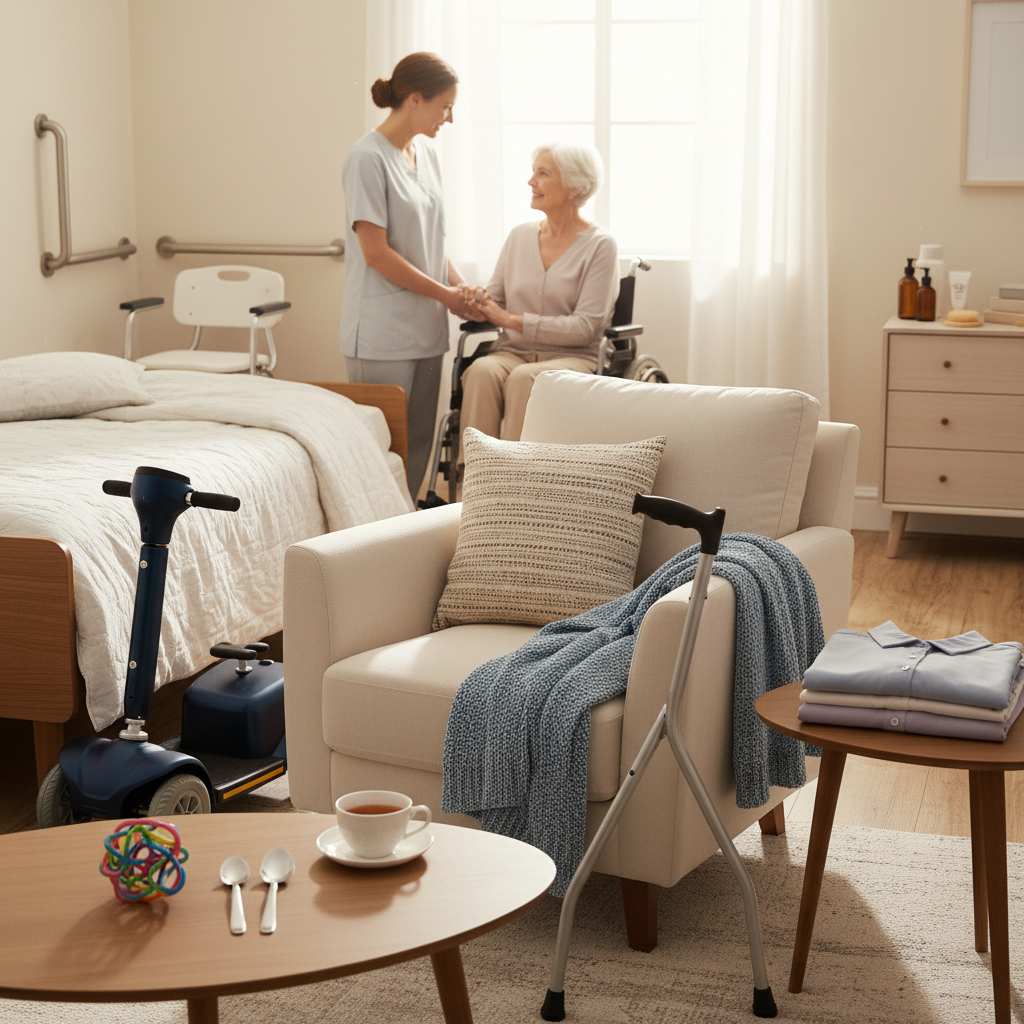
Comfort items for seniors are tailored products that enhance their emotional, physical, and practical well-being, especially for those with mobility issues or cognitive impairments. This includes mobility aids like canes and wheelchairs, personal care products, safety equipment, adaptive clothing, and emotional comfort items. These tools aim to support independence, safety, and overall quality of life.
Mobility aids such as quad canes and scooters offer specific support to reduce fall risks, while safety equipment like grab bars and adjustable beds ensures secure living environments. Emotional comfort items, including familiar objects, help mitigate anxiety, especially for seniors with cognitive decline. Personal alert systems and medication dispensers are technological advancements that support health management, reinforcing seniors’ autonomy and emotional stability.
Choosing the right comfort items requires thoughtful consideration of individual needs, preferences, and living environments, alongside consultations with healthcare professionals. This careful selection addresses the complexities of balancing physical support with emotional health, making comfort items essential for improving seniors’ daily lives and health outcomes.
Importance of Comfort Items for Seniors
Comfort items significantly enhance seniors’ emotional and physical well-being by providing security and stability. Familiar objects can reduce anxiety, making the environment more comforting, especially for those with dementia.
Physical comfort items, such as worry stones and stress balls, offer tactile stimulation that helps ease anxiety and promote a sense of calm. Mobility aids like canes and walkers are essential in supporting independence; selecting the right features—like grip comfort and height adjustment—maximizes their effectiveness. Emotional support and home modifications further contribute to safety and peace of mind.
Categories of Essential Comfort Items
Comfort items for seniors can be categorized into mobility aids, personal care products, safety equipment, and emotional comfort items. Selecting suitable items from these categories is crucial for improving safety, mobility, and emotional health, ultimately fostering daily independence.
Mobility Aids
Mobility aids are crucial for maintaining balance and independence, with various options available, including adjustable canes and walkers. Quad canes offer enhanced stability, while rollators with seats provide easy mobility and rest opportunities.
Wheelchairs and scooters facilitate longer distance travel, improving seniors’ freedom and reducing physical strain. Understanding individual mobility needs is critical for effective selection and use.
Personal Care and Hygiene Items
Hygiene maintenance is vital for seniors, especially those with chronic pain. Essential personal care items like raised toilet seats and bidets improve cleanliness and comfort, supporting well-being.
Health monitoring devices, such as blood pressure monitors, also play a key role in managing health conditions and enhancing overall wellness.
Safety Equipment
Safety equipment is essential in preventing falls within the home. Installations like grab bars and shower chairs significantly enhance seniors’ daily routines by providing necessary support during vulnerable moments.
Adjustable beds improve comfort, allowing seniors to rest better and manage health issues more effectively. These items collectively create a secure living environment that promotes safety and independence.
Emotional Comfort Items
Emotional comfort items, including familiar objects and aromatherapy, significantly boost mental health. Familiar toys or keepsakes can provide emotional support, reducing feelings of loneliness, especially for those with cognitive challenges.
Creating a calming atmosphere with weighted blankets or fidget tools further supports seniors’ emotional stability and overall mental well-being.
Design and Ergonomic Considerations
Ergonomic design is crucial for enhancing senior comfort and safety, addressing their specific mobility and strength limitations. Selecting furniture that ensures stability with appropriate heights and support can reduce injuries and promote ease of use.
Small environmental safety modifications, like non-slip mats and motion-sensor lights, enhance security around the home. Ergonomically designed utensils and clothing also support dignity and independence, making daily tasks less cumbersome.
Recent Innovations in Comfort Items
Advancements in comfort items focus on improving emotional well-being and enhancing practical support for seniors. Innovations in adaptive clothing promote independence by incorporating user-friendly fasteners, catering to those with limited dexterity.
Ergonomic utensils and assistive devices such as mechanical reachers and lift chairs further support seniors in daily activities, reducing physical strain and improving usability.
Comfort Items for Managing Pain and Physical Discomfort
Appropriate comfort items can greatly improve the quality of life for seniors managing pain. Tools like heated neck massagers and tactile objects aid in relaxation and stress management, offering both physical relief and emotional support during quiet moments.
Medication management tools like pill organizers help ensure adherence to treatment regimens and can play a critical role in maintaining physical health.
Comfort Items in Caregiving Settings
In caregiving contexts, comfort items are vital for enhancing the well-being of seniors. Incorporating familiar objects and supportive items helps create an environment that promotes comfort and reduces anxiety, especially for those with dementia.
Mobility aids and safety products, combined with technology for monitoring health, further enhance caregivers’ ability to support seniors effectively, ensuring their safety and dignity at home.
Selecting Appropriate Comfort Items
Choosing the right comfort items necessitates understanding seniors’ unique needs and preferences. Evaluating emotional and practical aspects can lead to better overall quality of life, especially for those facing cognitive challenges.
Importance lies in consulting healthcare professionals to ensure selected items align with individual health and mobility needs. Balancing practicality with emotional support is critical for empowering seniors in their daily routines.
Impact of Comfort Items on Seniors’ Daily Life
Comfort items significantly enhance emotional and physical well-being, fostering security and independence among seniors. Familiar items create an environment where seniors feel safe and content, while adaptive clothing allows for improved engagement in daily activities without compromising dignity.
Promoting independence through assistive tools and personalized emotional support is essential for maintaining an active lifestyle, positively impacting both emotional and physical health. Regular interaction with comforting items contributes to reducing feelings of isolation and managing health effectively.
Challenges and Considerations
Seniors often face challenges that impact their daily living, including maintaining cognitive function. Addressing these complex needs through workshops and supportive strategies can foster ongoing engagement and enhance quality of life.
The content is provided by Harper Eastwood, Direct Bulletins