Highlights
- Smart mobility solutions enhance independence and safety for seniors, addressing critical mobility challenges.
- The senior mobility aid market is set for growth, driven by innovative technologies and support systems.
Summary
Discover Why Seniors Are Embracing Smart Mobility Solutions in 2025 explores the growing trend of older adults adopting advanced mobility technologies to maintain independence, enhance safety, and improve quality of life. As global populations age rapidly—with over one billion people projected to be aged 65 and older by 2025—addressing the mobility challenges faced by seniors has become a public health and urban planning priority. Limited mobility affects a significant portion of older adults, contributing not only to physical decline but also to reduced access to essential services, social isolation, and diminished autonomy.
Smart mobility solutions encompass a wide range of innovations, including powered wheelchairs with health monitoring, AI-enhanced walkers, robotic exoskeletons, and integrated smart home technologies that facilitate safer movement and daily living. These technologies, supported by advances in artificial intelligence, Internet of Things (IoT), and telehealth, provide responsive, user-friendly tools tailored to seniors’ physical and cognitive needs. Additionally, emerging urban mobility options like autonomous vehicle services and e-bikes are increasingly integrated into smart city infrastructure to offer accessible transportation alternatives.
Despite the promise of these innovations, barriers remain that limit equitable adoption. Physical limitations such as reduced vision and motor skills, psychological factors like technophobia, and social challenges including limited digital literacy hinder widespread use among seniors. Furthermore, disparities in access due to geographic, economic, and infrastructural factors persist, especially in less developed or rural areas. Addressing these multifaceted challenges requires comprehensive approaches involving user-centered design, supportive policies, digital literacy programs, and inclusive urban planning to fully realize the potential of smart mobility for aging populations.
Looking ahead, the senior mobility aid market is poised for significant growth, driven by technological advancements and favorable regulatory environments, including healthcare reimbursement programs. Innovations in AI, IoT, and wearable devices promise to create increasingly personalized and integrated mobility ecosystems that empower seniors to age in place with dignity and independence. However, ongoing attention to accessibility, affordability, and user engagement remains critical to ensure these technologies contribute to equitable and sustainable improvements in seniors’ mobility and well-being.
Background
Attention to the health and physical fitness of older adults has increased due to the challenges associated with aging. Maintaining physical abilities such as safe walking and movement plays a crucial role in how health is perceived in old age, with limited mobility often serving as an early indicator of declining fitness among seniors. Mobility limitations are common, affecting approximately 35% of people aged 70 and the majority of those over 85 years. These limitations impact not only physical health but also access to essential services, including healthcare and transportation, which are vital for seniors’ independence and quality of life.
In the context of urban living, older adults frequently face barriers related to their immediate environment, such as uneven terrain and difficulties accessing public transit options like bus stops, which further restrict their mobility. Moreover, many seniors transition from driving to alternative transportation modes such as carpools or taxis, requiring responsive and accessible services tailored to their specific mobility needs. However, existing tools to assist seniors in finding appropriate transportation remain limited, underscoring the need for innovative solutions.
Smart mobility solutions have the potential to significantly improve the quality of life for seniors by enhancing accessibility, safety, and independence. These solutions, which include technologies such as automated transit and smart home devices, are designed to address urban challenges like congestion and pollution while offering convenience and energy savings, especially for those with limited mobility. Despite this potential, the widespread adoption of smart mobility remains uneven, particularly in developing and smaller cities, due to structural, systemic, and political barriers that affect equitable access to technology.
As the year 2025 approaches, there is an increasing focus on exploring and evaluating the best mobility support options available to seniors, not only in terms of technology but also in how these tools can be seamlessly integrated into daily life to enhance independence and well-being. The growing engagement of older adults with technology, including smartphones and smart home devices, demonstrates their capacity to adapt and benefit from these advancements, further supporting aging in place and improving overall quality of life.
Factors Driving Adoption in 2025
The adoption of smart mobility solutions among seniors in 2025 is propelled by a confluence of demographic, technological, societal, and policy-related factors. One of the primary drivers is the rapidly aging global population, with over one billion individuals aged 65 and older projected by this year. This demographic shift intensifies the demand for innovative products that enhance independence and quality of life for older adults by addressing mobility challenges associated with aging.
Technological advancements play a crucial role in accelerating adoption. Innovations such as the integration of the Internet of Things (IoT), artificial intelligence (AI), machine learning, and telehealth have transformed traditional mobility aids into smart, responsive devices. These include robotic exoskeletons, smart walking aids, health monitoring systems, and fall detection technologies, all designed to cater specifically to seniors’ physical needs while offering user-friendly interfaces and real-time support.
Market dynamics also contribute significantly. The increasing prevalence of disabilities and geriatric conditions, along with rising awareness of assistive devices, stimulate demand. Favorable government policies, especially in countries like the United States with comprehensive healthcare coverage such as Medicare and Medicaid, provide seniors with easier access to mobility aids through reimbursement programs. This regulatory environment fosters market growth, with the senior mobility aid devices market expected to grow at a compound annual growth rate (CAGR) of 6.6% from 2025 to 2034.
Societal trends towards independent living among seniors further encourage the adoption of smart mobility solutions. There is growing emphasis on “aging in place,” where seniors remain in their homes supported by physical modifications and technology, allowing them to maintain autonomy and social engagement. Coupled with tailored health and wellness programs focusing on improving strength, balance, and coordination, these factors collectively enhance mobility outcomes and overall well-being for older adults.
Moreover, the convergence of telehealth and remote monitoring creates an ecosystem that empowers seniors to make informed decisions about their health and mobility. This integration reduces reliance on intensive in-person care, supports preventive healthcare, and enables seniors to remain connected to their communities longer, reinforcing the appeal of smart mobility solutions.
Common Mobility Challenges and Health Issues Among Seniors
Mobility is a crucial component of healthy aging, yet many older adults experience significant mobility limitations as they age. Approximately 35% of individuals aged 70 and a majority of those over 85 report difficulties related to mobility, which can stem from a range of physical and cognitive challenges. These limitations often manifest as difficulties in walking long distances, transitioning from driving to alternative transportation modes, or using mobility aids such as canes.
Health issues further compound mobility challenges in seniors. Physical function can decline after hospitalization, falls, or due to movement-related disorders like Parkinson’s disease. This loss of function often impairs the ability to perform activities of daily living (ADLs) such as eating, bathing, dressing, or toileting without assistance. The interaction between physical disabilities and environmental factors significantly affects seniors’ mobility outcomes, with those facing multiple disabilities, cognitive impairments, or residing in rural or low-income areas encountering additional barriers to accessible transportation.
Despite the growing demand for effective mobility solutions amid aging populations, many harder-to-serve older adults remain excluded from the benefits of new transportation technologies and services. These individuals often lack access to technology or require specialized accommodations, underscoring the need for responsive and inclusive mobility options tailored to varied needs. Addressing these challenges requires an integrated approach that considers the interplay of personal abilities, environmental conditions, and technological opportunities to maintain seniors’ independence and quality of life.
Accessibility Challenges and Barriers to Adoption
Older adults face a complex array of challenges when adopting smart mobility solutions, stemming from both physical and technological barriers. Declining physical abilities, such as reduced vision, motor skills, and cognitive function, significantly hinder their ability to use smart integrated devices, including smartphones, tablets, and smart home systems that often accompany mobility aids. These physiological changes are compounded by psychological factors like technophobia and social obstacles such as limited digital literacy, which further restrict older adults’ engagement with emerging technologies.
The difficulty in integrating multiple technological competencies simultaneously is especially pronounced in smart home environments, where the demand for seamless interaction with various devices can overwhelm older users. Additionally, the digital divide between older and younger generations leads to unequal access to the benefits of smart technologies, such as health monitoring, emergency assistance, and enhanced social interaction, potentially exacerbating disparities in well-being.
From an environmental perspective, the interaction between individual abilities and surrounding infrastructure plays a crucial role in mobility outcomes. Accessibility issues are often linked to the physical space where seniors need to move, and the lack of age-friendly public spaces and transportation systems remains a significant barrier. Although policies and guidelines exist to improve accessibility, such as those outlined in legislative acts focused on transportation infrastructure, discrepancies persist between different senior populations based on location, vehicle ownership, and urban versus suburban settings.
Addressing these barriers requires a comprehensive approach that integrates improvements in device design, support for digital literacy, and the development of accessible environments. Emerging strategies emphasize the importance of understanding the interplay between individual and environmental determinants, promoting inclusive policies, and leveraging innovative financing models to support the adoption of assistive technologies for seniors. Without tackling these interconnected challenges holistically, the full potential of smart mobility solutions to enhance senior independence and quality of life will remain unrealized.
Types of Smart Mobility Solutions Popular Among Seniors in 2025
As seniors seek greater independence and safety in their daily lives, a variety of smart mobility solutions have gained popularity by 2025. These solutions combine technological advancements with ergonomic design to address the unique needs of aging populations, enabling improved mobility and quality of life.
Powered and Manual Wheelchairs
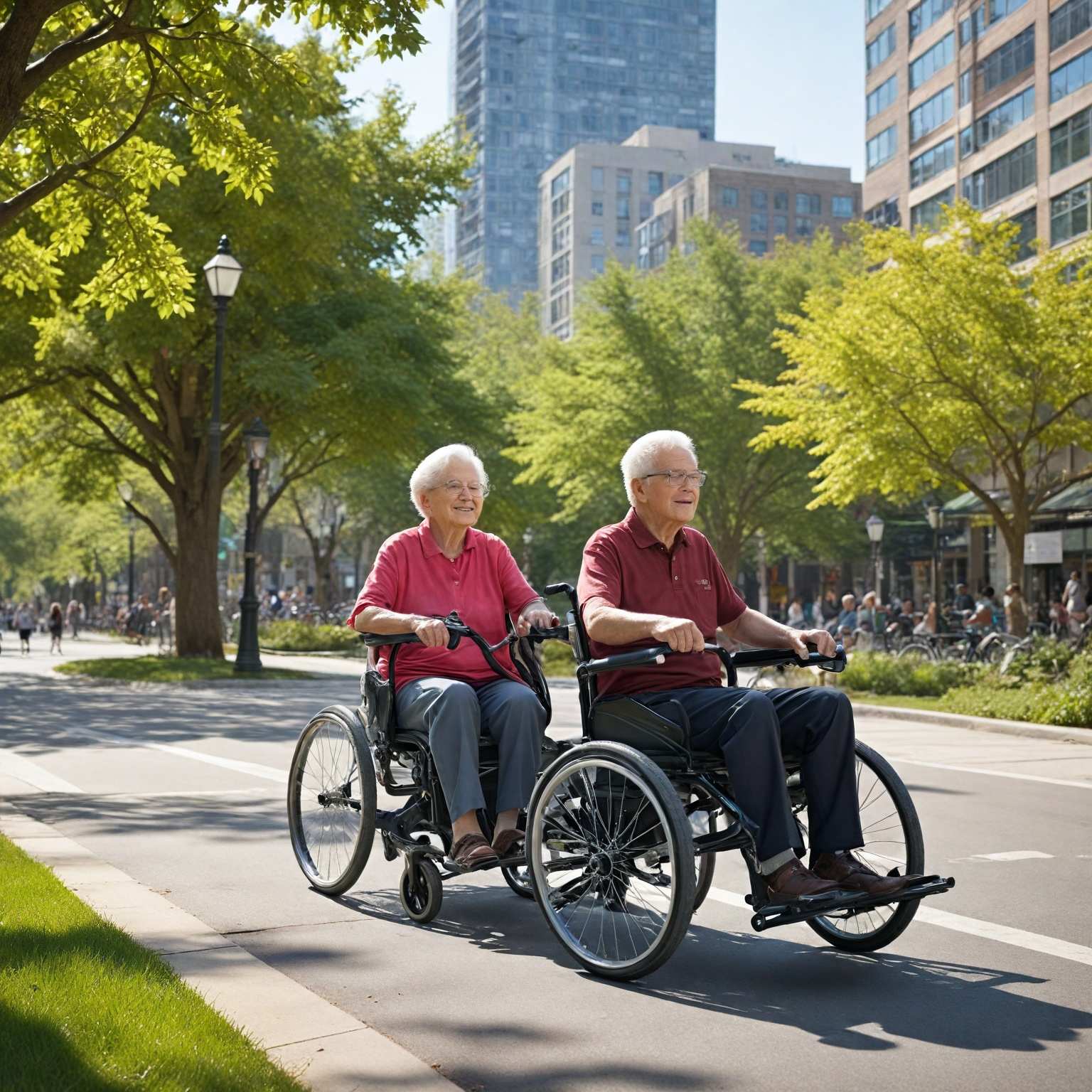
Wheelchairs remain fundamental mobility aids, with both manual and powered options widely used. Manual wheelchairs are lightweight and more affordable but require upper body strength, making them suitable for seniors with sufficient physical capability. Powered wheelchairs, on the other hand, are motorized and ideal for those who lack the strength or endurance to self-propel, offering enhanced freedom both indoors and outdoors. Many powered models now integrate smart features such as real-time health monitoring and navigation assistance, improving user experience and safety.
Mobility Scooters and Folding Models
Mobility scooters, especially those with three or four wheels, provide an effective alternative for seniors needing adaptive transportation. In 2025, folding mobility scooters have become particularly popular due to their combination of comfort, portability, and safety. These models often feature adjustable seats, long battery life, strong tires, and safety lights, allowing seniors to travel confidently across various terrains and conveniently store or transport their devices.
Smart Walkers and Robotic Exoskeletons
Walkers enhanced with artificial intelligence (AI) and robotics represent a significant advancement in mobility aids. AI-enhanced walkers support steadier and safer steps, reducing fall risk among seniors. Robotic exoskeletons, although more specialized, have demonstrated improvements in walking stability by up to 45%, proving valuable for seniors recovering from strokes or coping with muscle weakness related to aging. These technologies prioritize user-centered design, catering to physical, cognitive, and emotional needs.
Integration with Smart Home Technologies
In addition to physical mobility aids, smart home modifications play a critical role in supporting senior mobility. By 2025, smart home systems have become more accessible and user-friendly, featuring intuitive interfaces and interoperability that allow seniors to customize their living environments easily. These systems include features such as automated ramps, voice-controlled lighting, and sensor-driven safety alerts, all designed to create adaptable spaces that promote independence and reduce barriers to movement within the home.
Emerging Urban Mobility Options
Beyond personal mobility devices, seniors are also embracing innovative urban transportation solutions. Electric bicycles (e-bikes) and small electric scooters provide low-strain options for short-distance travel, facilitating active lifestyles and community engagement. Additionally, autonomous vehicle services tailored for seniors, with considerations such as reduced fares and senior-friendly payment methods, are beginning to integrate into urban mobility ecosystems, further expanding transportation choices for older adults.
Together, these diverse smart mobility solutions illustrate a comprehensive approach to enhancing senior mobility in 2025, emphasizing safety, independence, and seamless integration with everyday life.
Integration with Urban Infrastructure and Smart City Technologies
Smart mobility solutions for seniors are increasingly being integrated into the broader framework of urban infrastructure and smart city technologies, enhancing both individual independence and overall city efficiency. At the core of smart cities lies a foundation of connectivity and infrastructure, including IoT sensors, digital twins, 5G networks, and edge computing, which enable seamless data exchange and real-time management of urban environments. This interconnected infrastructure facilitates the incorporation of senior mobility aids into city-wide systems, such as traffic management, public transport coordination, and pedestrian safety mechanisms, thereby supporting an inclusive urban ecosystem.
The integration process often involves overlay networks that connect personal smart mobility devices with public infrastructure components, including traffic lights, trains, and transportation hubs. This approach ensures that seniors using smart mobility aids benefit from optimized routing, reduced wait times, and safer navigation through congested or complex urban spaces. Furthermore, smart city initiatives emphasize the development of mobility hubs, smart parking, and placemaking strategies that prioritize accessibility and convenience for aging populations, contributing to safer and more efficient urban mobility.
Micromobility innovations, such as e-scooters and shared mobility services, are also becoming integral parts of smart city ecosystems, with technologies designed to support flexible and equitable transportation options. These developments not only reduce traffic congestion and pollution but also offer seniors alternative mobility modes that enhance their autonomy and connectivity within the city. Urban planning concepts like New Urbanism and Transit-Oriented Development complement these technological advances by promoting walkable, mixed-use neighborhoods with accessible public transit, further enabling productive aging and social inclusion.
As smart city technologies evolve, they increasingly address demographic challenges such as aging populations by creating environments that accommodate senior needs through age-friendly urban designs and smart public transportation systems. This holistic integration of smart mobility solutions and urban infrastructure promises to transform how seniors experience daily life, fostering greater independence, safety, and engagement within rapidly urbanizing environments.
Design Features and Technological Adaptations Addressing Accessibility
Innovations in design and technology are central to improving accessibility for seniors, enabling them to maintain independence and mobility as they age. Modern mobility aids and smart devices increasingly incorporate user-centered design principles that account for the physical, cognitive, and emotional needs unique to older adults. This approach ensures that products are not only functional but also intuitive and comfortable, promoting sustained use and enhancing quality of life.
A wide array of design interventions targets common barriers faced by seniors when interacting with technology. These include simplified navigation interfaces, larger fonts, high-contrast visuals, haptic feedback, and voice-controlled features, all of which reduce complexity and improve usability. Additionally, external triggers—such as prompts or reminders—encourage engagement with assistive technologies, helping older adults integrate these tools into their daily routines.
Technological adaptations have also transformed traditional mobility aids. For example, canes and walkers now often feature ergonomic designs, folding capabilities, built-in LED lights for visibility, and smart sensors that can detect falls and alert caregivers. Advanced devices such as wearable exoskeletons provide physical support and rehabilitation assistance, reflecting significant progress in addressing mobility challenges among the elderly. Smart walkers integrate sensors and communication technologies to enhance sensory feedback and connectivity, offering users real-time assistance and safety features.
The integration of technology extends beyond physical aids to encompass digital platforms that facilitate social engagement, transportation access, and personalized support services. These tools collectively address not only the physical but also the psychological aspects of aging, fostering self-efficacy and emotional well-being. By combining ergonomic design with smart functionalities, these solutions create a more inclusive and responsive environment tailored to seniors’ needs.
Furthermore, accessibility is recognized as a critical determinant of quality of life and is closely linked to seniors’ living environments and mobility within their life space. Research efforts emphasize the interconnectedness of accessibility, technology, and living space to develop comprehensive strategies that enhance older adults’ autonomy. Systematic reviews and bibliometric analyses highlight the importance of continued innovation and interdisciplinary collaboration to meet evolving challenges
Impact on Seniors’ Quality of Life
Smart mobility solutions in 2025 significantly enhance seniors’ quality of life by promoting independence, autonomy, and overall well-being. These technologies address both physical and psychological aspects of aging, allowing older adults to maintain control over their daily activities and live more fulfilling lives within their own homes or communities.
One of the key benefits of smart mobility aids, such as smart walkers and electric scooters, is their ability to improve physical function and safety. These devices help seniors with strength, balance, and coordination, which are critical for safe mobility and fall prevention. As a result, seniors can engage more confidently in physical activities tailored to their abilities, including low-impact exercises like swimming, yoga, and tai chi, which further support health and independence.
Beyond physical health, the integration of smart home technologies—such as fall detection systems, voice-activated assistants, and health monitoring wearables—provides continuous support and reassurance to seniors and their families. These tools enable real-time awareness and timely intervention, reducing anxiety and fostering a secure living environment. Additionally, telehealth services and health apps facilitate ongoing communication with healthcare providers and medication management, contributing to better health outcomes.
Social engagement is another vital component positively impacted by smart mobility solutions. Seniors who maintain strong social connections are more motivated to adopt and use digital tools that facilitate meaningful interactions and access to relevant content. This increased digital inclusion helps combat loneliness and isolation, which are common challenges among older adults, thereby enhancing mental health and emotional well-being.
Evidence and Measurable Outcomes
Research indicates that the interplay between individual physical conditions and environmental factors plays a critical role in the mobility outcomes of older adults, with physical determinants often linked to the decline in spatial mobility abilities. Longitudinal studies such as the Women’s Health and Aging Study II and the Health, Aging, and Body Composition Study have provided valuable data on functional decline across different demographics, helping to identify patterns related to race and sex. These findings inform ongoing efforts to maintain mobility independence among seniors, a priority emphasized by experts like Sergei Romashkan, M.D., Ph.D..
Interventional studies also demonstrate positive effects of physical activity and exercise on sustaining mobility, particularly for seniors recently discharged from hospitals who frequently encounter new difficulties with activities of daily living, including walking. Furthermore, the implementation of mobility aids has been shown to support seniors in maintaining independence, reducing fall risks, and rebuilding confidence in everyday life. The growing sophistication of these aids, ranging from smart walkers and electric scooters to digital platforms facilitating social engagement, addresses both physical and psychological needs, thus promoting a holistic approach to independent living.
Policy-driven initiatives, such as the exploration of autonomous vehicles as alternative transportation in Florida communities, aim to enhance mobility options for seniors and gather data to improve design features tailored to their needs. This data-driven approach underscores the importance of aligning technological innovation with user-centric considerations.
Market trends further reflect these measurable outcomes, as demand for mobility aids continues to rise in response to shifting preferences towards independent living and increased home healthcare needs. The senior mobility aid devices market, dominated by key players like Drive DeVilbiss Healthcare and Invacare, is experiencing growth fueled by regulatory compliance in healthcare settings and consumer preferences for in-person evaluation of products before purchase. The brick-and-mortar distribution channel currently leads with a 61.8% revenue share in 2024, highlighting the importance of tactile experiences in senior mobility solutions.
Together, these findings and market dynamics provide concrete evidence that supports the adoption and advancement of smart mobility solutions among seniors, with measurable benefits in functional independence, safety, and quality of life.
Challenges and Concerns
Despite the growing adoption of smart mobility solutions among seniors, several challenges and concerns continue to hinder their widespread and effective use. One significant barrier stems from physiological limitations commonly experienced by older adults, such as declining vision and reduced motor skills, which can make interacting with smart devices difficult. In addition, psychological factors like technophobia and social obstacles including limited digital literacy further complicate the integration of these technologies into seniors’ daily lives.
Environmental and systemic factors also play a crucial role. The effectiveness of smart mobility solutions depends on a comprehensive understanding of the interactions among various determinants of mobility. Addressing these requires coordinated efforts to improve environmental accessibility, design age-friendly public spaces, and develop supportive policies and regulations. Innovative financing models are equally important to make assistive technologies affordable and sustainable for seniors.
Moreover, smart mobility adoption is not simply a matter of technological deployment but involves navigating complex political, economic, and governance challenges. In many urban contexts, especially in developing regions, structural barriers such as limited institutional capacity, governance issues, and insufficient citizen participation constrain the transformative potential of smart mobility. These challenges highlight the need for socially informed and inclusive approaches to mobility solutions, ensuring that smart technologies contribute to equity and sustainability rather than exacerbate existing inequalities.
Finally, while smart home technologies like automated shades and blinds can improve convenience and energy efficiency for individuals with limited mobility, their adoption still requires overcoming both technological and user-related hurdles to fully realize their benefits. Collectively, these challenges emphasize the necessity of addressing multifaceted and interconnected factors to support the successful integration of smart mobility solutions for seniors.
Future Trends and Predictions
The senior mobility aid market is poised for significant growth and transformation by 2025, driven by rapid technological advancements and demographic shifts. With the global population aging rapidly, it is estimated that nearly two billion people will be aged 60 years and above by 2050, underscoring the urgent need for innovative mobility solutions tailored to older adults. The integration of artificial intelligence (AI), machine learning, and the Internet of Things (IoT) into mobility aids is expected to revolutionize how seniors navigate their environments, providing devices that are more responsive, personalized, and capable of adapting to individual user behavior and surroundings.
Smart assistive devices and wearables will form a comprehensive ecosystem supporting seniors’ mobility and independence. These technologies will enable enhanced autonomy, improved quality of life, and the potential to reduce reliance on assisted living facilities. Market growth is further fueled by increasing consumer motivation among seniors, who recognize the clear link between technology use and better health outcomes, including greater independence and improved daily functioning. Major industry players such as Drive DeVilbiss Healthcare, Invacare, and Ottobock are leading innovation efforts, offering a broad range of smart mobility solutions globally.
Economically, the senior mobility aid devices market is expected to continue expanding, with projections indicating a compound annual growth rate (CAGR) of 6.6% between 2025 and 2034. The U.S. market alone grew from USD 2.9 billion in 2021 to an estimated USD 3.4 billion in 2024, reflecting robust demand and adoption of advanced technologies. Policy adaptations, particularly changes in Medicare and Medicaid coverage, will also play a critical role by increasing accessibility and affordability of these innovative devices for seniors.
The content is provided by Blake Sterling, Direct Bulletins