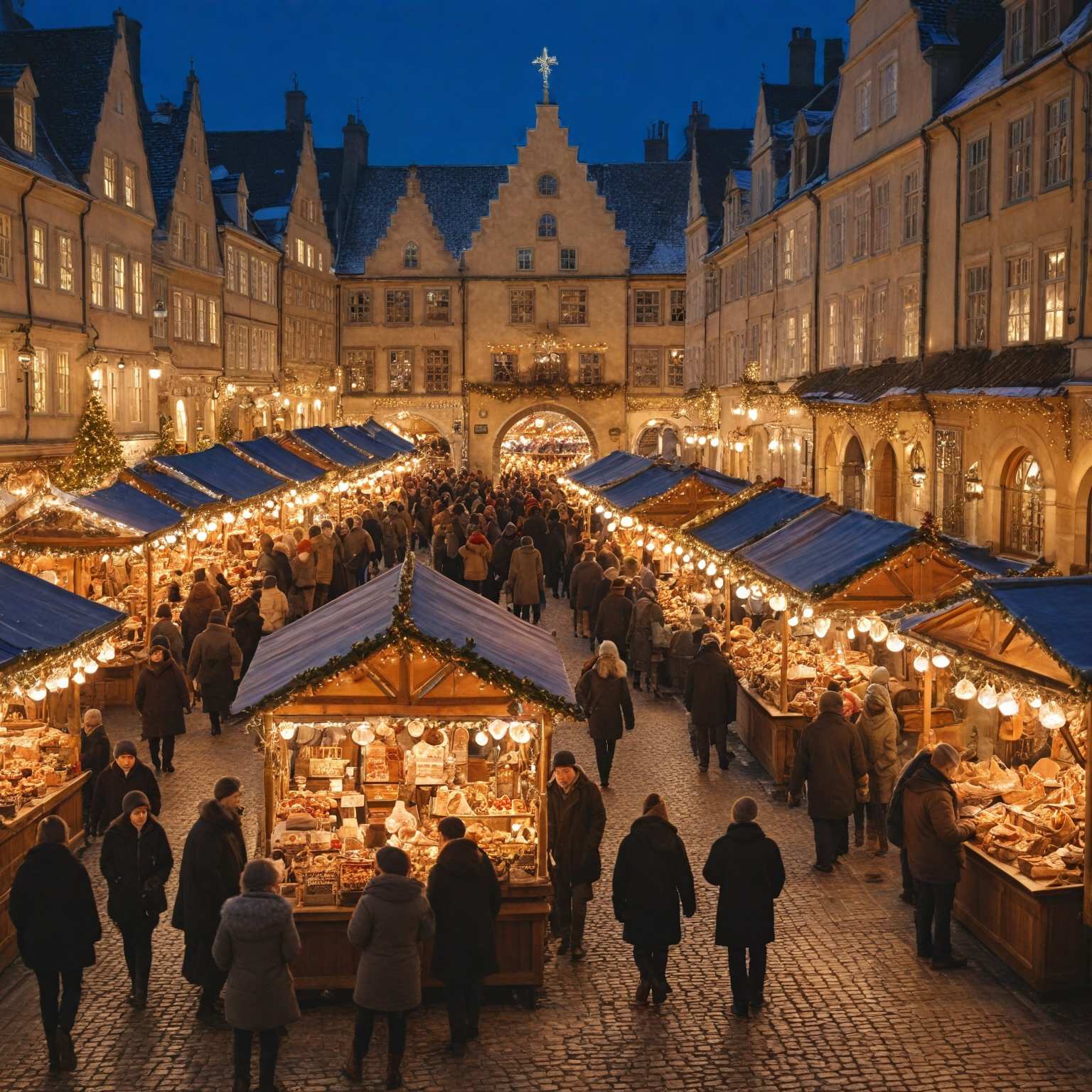
Highlights
- Discover unique, handcrafted gifts that embody both tradition and contemporary artistry at Christmas markets.
- Experience the festive charm of Christmas markets, supporting local artisans and preserving cultural heritage.
Summary and History of Christmas Markets
Christmas markets originated in late medieval German-speaking Europe as winter fairs where artisans sold handcrafted gifts, traditional foods, and decorations. Dating back to the 14th century, early markets like those in Munich and Bautzen evolved from practical supply fairs into cultural celebrations featuring wooden huts, festive lights, and seasonal treats such as mulled wine and roasted chestnuts. The Erzgebirge region became famous for hand-carved wooden nutcrackers and pyramids, while Austria and other European areas developed distinctive regional crafts. Although disrupted in the 20th century, Christmas markets revived in the 1990s and now attract millions worldwide, blending tradition with modern artisan creations.
Types and Regional Styles of Christmas Markets
Christmas markets vary widely, especially across Europe. German markets transform squares into festive scenes with wooden huts, traditional foods, and handcrafted ornaments. Some markets retain a German theme, while others highlight local producers and crafts. French markets range from large urban events to intimate village fairs offering authentic handmade goods. In the U.S., markets blend European traditions with local artisanship, creating unique holiday experiences.
Artisan Gifts and Cultural Traditions
Markets offer diverse gifts including wooden ornaments, glass baubles, handmade jewelry, and artisanal foods. Germany’s Erzgebirge region is renowned for woodcarvings like nutcrackers and candle-powered pyramids, reflecting centuries-old crafts. Traditional gifts symbolize cultural heritage and festive spirit, often linked to religious customs such as the Advent wreath. Contemporary crafts like macramé and resin art also feature, blending modern styles with traditional handcrafting. Monastic communities contribute unique edible gifts, enriching the markets’ offerings.
Regional Artisan Techniques and Materials
Distinctive regional crafts define Christmas markets. Erzgebirge specializes in hand-carved wooden collectibles, while Lauscha is famous for blown-glass ornaments dating to the 16th century. Central Europe is known for gingerbread and nativity scenes, especially in Germany and Italy. Poland preserves folk art customs in decorations made from paper, blown eggs, and pastries. Newer artisan trends include clay, macramé, and hand-painted items, reflecting evolving tastes alongside traditional methods.
Economic Impact and Challenges for Artisans
Christmas markets significantly boost local artisans’ and small businesses’ incomes, often generating up to half their annual revenue during the holiday season. These markets support community economies by attracting visitors and increasing retail activity. However, artisans face challenges including competition from large retailers, inventory shortages, time constraints, and financial uncertainty. Despite these, markets remain vital for direct sales and marketing, helping sustain local craftsmanship and entrepreneurship.
Shoppers’ Demographics and Spending Behavior
Baby Boomers and Generation X are the most active gift buyers, with Gen X spending the most on average. Generation Z participates less in gift buying but is socially active during the holidays. Male shoppers tend to spend more than females. Effective marketing focuses on younger consumers using discounts and social media, as older generations are more resistant to advertising. Christmas markets appeal to shoppers seeking thoughtful, unique gifts rather than generic presents.
Festive Gift Ideas and Visiting Tips
Handmade crafts like wooden ornaments, personalized stockings, and custom stickers are popular holiday gifts, blending creativity with market demand. Religious communities offer distinctive handmade items such as rosaries and hand-calligraphed cards. European Christmas markets provide unique festive gifts and experiences, often accessible online. For visitors, smaller local markets offer authentic atmospheres and less crowded shopping. Visiting during off-peak times and utilizing services like gift-wrapping and same-day delivery can enhance the experience and convenience.
The content is provided by Sierra Knightley, Direct Bulletins