Highlights
- Modern jet fighter cockpits enhance pilot control with advanced ergonomic design and technology.
- The evolution to digital interfaces improves pilot workload and situational awareness in combat.
Summary
Jet fighter cockpits are intricately designed environments prioritizing pilot control, situational awareness, and mission success during combat. They combine ergonomic features with advanced avionics such as reclined seating, sidestick controllers, and integrated digital displays like Heads-Up Displays (HUDs) and Multi-Function Displays (MFDs), which project critical information into the pilot’s view. This sophisticated setup minimizes fatigue and enhances decision-making capabilities, all essential traits for effective operation in high-stress scenarios.
The shift from analog to digital cockpits marks significant advancements over the decades. Today’s cockpits, found in models like the F-35, utilize “glass cockpit” technology for better information integration and reduced pilot workload, incorporating systems such as fly-by-wire controls and helmet-mounted displays. Designers focus on ergonomics to fit diverse pilot physiques, maximizing control effectiveness even under extreme conditions. However, the complexity of these modern systems has led to concerns over cognitive overload, prompting advancements in multimodal alert systems and user-friendly interfaces aimed at facilitating rapid decision-making.
Overview of Jet Fighter Cockpits
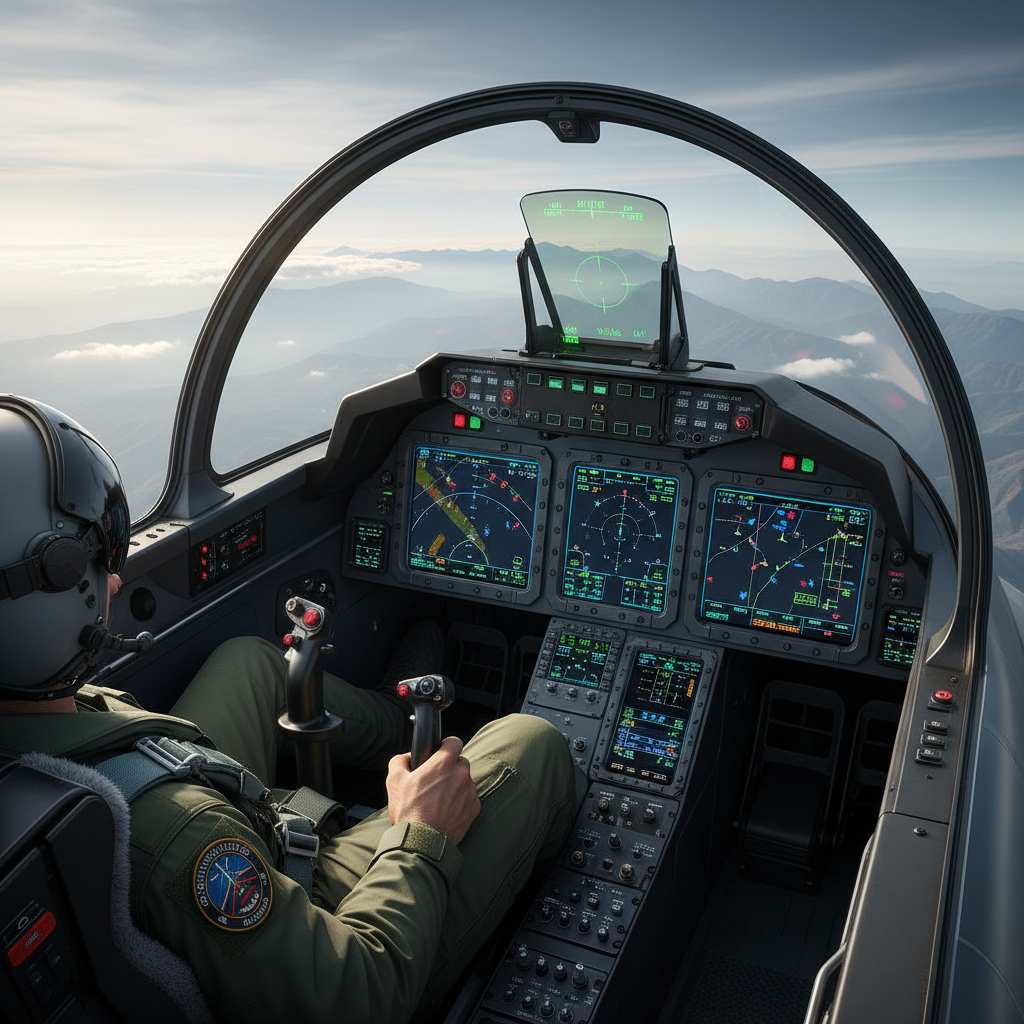
The layout of a jet fighter cockpit showcases a thoughtful blend of design, ergonomics, and technology aimed at maximizing pilot efficacy. Features like reclined seating and intuitive controls facilitate performance during demanding missions, while the panoramic bubble canopy significantly boosts situational awareness. A pivotal element like the Head-Up Display (HUD) allows pilots to receive critical flight information while maintaining focus outside the aircraft, enhancing safety and operational effectiveness.
This evolution from early models with analog instruments, exemplified by the F-106, to sophisticated digital interfaces in modern aircraft highlights the importance of information management and pilot interaction with complex avionics, emphasizing aspects of safety and mission readiness.
Cockpit Design and Layout
The design of fighter jet cockpits embodies an integration of technology and ergonomics that enhances pilot performance and situational awareness. At the heart of this design is the Design Eye Position (DEP), ensuring all critical displays are readily visible to minimize excessive movements. The transition to digital “glass cockpit” technology has facilitated customizable layouts, reducing clutter and prioritizing vital information during various flight phases.
The HUD is essential, projecting important data directly into the pilot’s line of sight, thereby improving reaction times in intense situations. Ergonomic innovations like adjustable seating and sidestick controllers cater to various pilot sizes, enhancing control precision. The inclusion of integrated warning systems ensures real-time alerts for any operational hazards, contributing to mission success and pilot safety.
Technologies Used in Modern Jet Fighter Cockpits
Modern jet fighter cockpits are at the forefront of technological innovation, aiming to streamline pilot control and enhance situational awareness. The fly-by-wire system is a key advancement, allowing electronic signals to manage flight control responses for heightened maneuverability. The integration of HUDs and Multi-Function Displays (MFDs) is significant, as these features provide critical flight data without diverting the pilot’s attention, allowing for effective navigation and targeting.
Sophisticated data fusion systems compile real-time information from various sensors to create a comprehensive tactical picture. Ergonomic controls, such as Hands On Throttle And Stick (HOTAS), enable pilots to manage flight and weapon systems more efficiently, while multimodal warning systems mitigate the risk of information overload during critical situations, ensuring rapid responses in high-pressure environments.
Pilot Experience Inside the Cockpit
The pilot’s experience within a fighter jet cockpit is a blend of immersive technology and critical operational processes. The strategic placement of controls and instrumentation caters to ergonomic efficiency, with pilots adopting a defined seating position that supports optimal interaction with cockpit systems. A classic instrument layout is retained for familiarity, even in modern cockpits where advanced automatic controls and HUDs present essential flight data in real-time.
The integration of multimodal warning systems enhances the sensory experience, optimizing pilots’ responses with visual and tactile feedback. Despite the convenience of advanced technology, pilots must remain vigilant against cognitive overload, which underscores the importance of clear communication and intuitive design to maintain situational awareness during complex operations.
Notable Jet Fighter Cockpit Models
Noteworthy jet fighter cockpits exemplify significant technological and ergonomic advancements. The F-16 Fighting Falcon is prominent for its advanced cockpit, incorporating features like a reclined seat and multi-function displays that enhance pilot control and visibility. This model also employs sophisticated radar technology to support low-altitude navigation, maintaining operational effectiveness in diverse mission scenarios.
Contrastingly, the Convair F-106A Delta Dart represents earlier cockpit designs with analog instrumentation, illustrating the evolution toward modern digital interfaces that provide enhanced situational awareness and reduced pilot workload. The spotlight on glass cockpits highlights how integrated systems have revolutionized pilot interaction, improving performance and safety in contemporary aviation.
Cultural Impact and Media Representations
Jet fighter cockpits have become symbols of advanced technology and pilot skill, with their portrayal in various media highlighting the intricacies of aerial combat. The transition from analog to digital displays has shaped the narrative surrounding aviation technology, emphasizing the ergonomic considerations that impact pilot performance. Such representations often focus on the sophisticated interactions pilots have with advanced systems, including HUDs that enhance tactical decision-making.
Research shows that effective display designs can significantly impact pilot situational awareness, influencing how media depict cockpit challenges and underscoring the importance of display technologies in critical scenarios. This attention to detail has elevated the perception of cockpits as command centers where human and technological elements converge under demanding conditions, resonating with audiences keen on understanding the complexity of modern warfare.
The content is provided by Avery Redwood, Direct Bulletins