Highlights
- Solar-plus-storage improves energy reliability and enables greater self-consumption of renewable energy.
- Technological advancements and incentives position 2025 as a pivotal year for battery adoption.
Summary
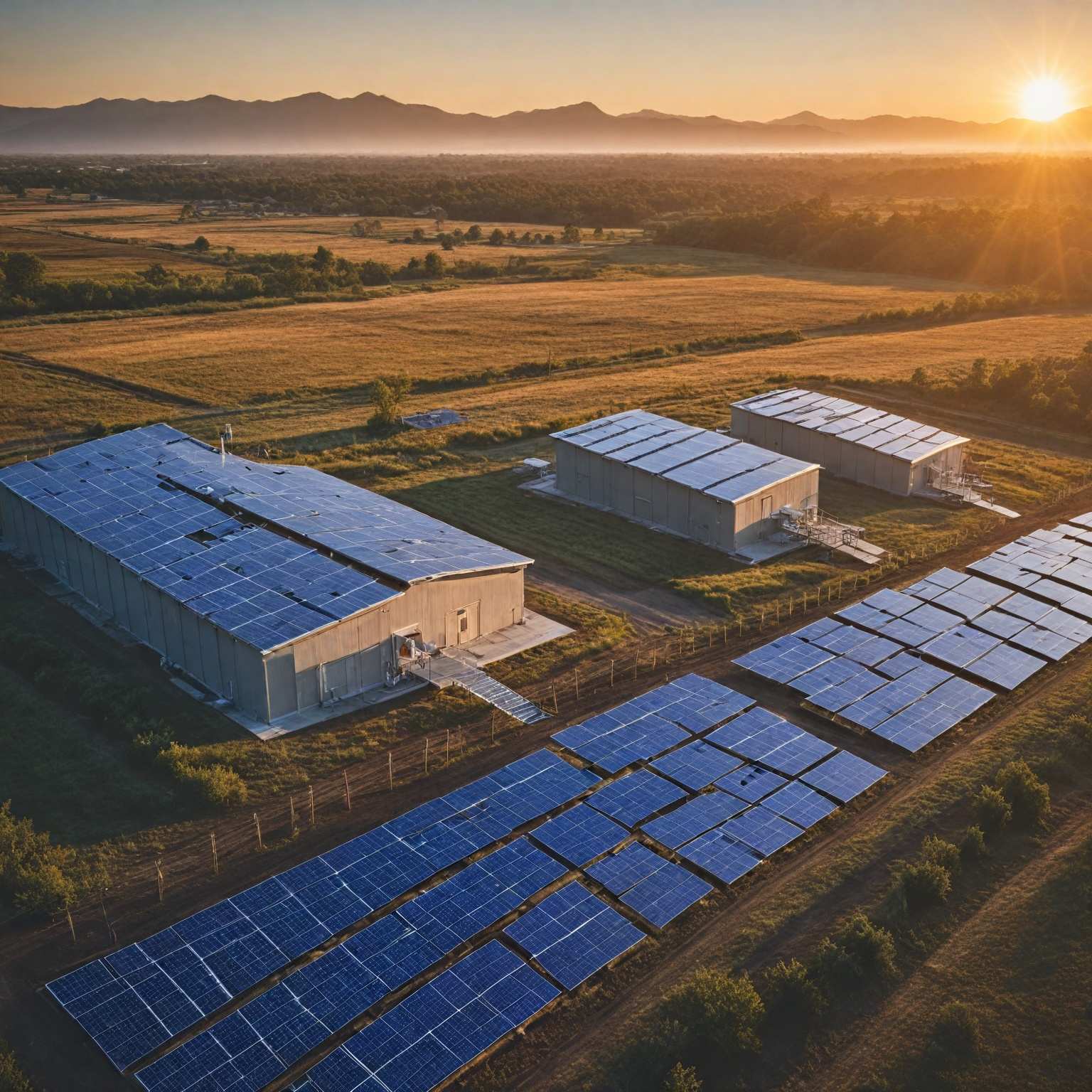
Integrating battery storage with solar energy enhances sustainable power systems by storing excess solar power for use during non-sunny periods, improving reliability and grid stability. This solar-plus-storage approach benefits residential, commercial, and utility applications by increasing self-consumption and reducing fossil fuel dependence. Advances in lithium-ion, flow, and solid-state batteries improve efficiency and economics, supported by declining costs and government incentives. Challenges include high upfront costs, safety risks, and environmental impacts from materials and disposal. Innovations in recycling, supply chains, and AI-driven management aim to address these issues, positioning solar-plus-storage as key to achieving climate goals and energy resilience by 2025 and beyond.
Solar Energy and Battery Storage Technologies
Solar energy is a clean, renewable resource with rapidly declining costs and improved efficiency, making it a critical component in reducing greenhouse gas emissions. However, its intermittent nature requires effective energy storage solutions. Battery storage systems convert and store solar energy for later use, enhancing independence and system resilience.
Common battery technologies include lead-acid (low cost but bulky and environmentally hazardous), lithium-ion (higher energy density and efficiency but with mining and recycling concerns), flow batteries (suitable for large-scale storage), and emerging solid-state batteries expected by 2027, promising improved safety and performance. Integration of these technologies with solar systems supports flexible energy use, grid services, and hybrid renewable setups.
Integration Benefits, Advances, and Economic Outlook
Solar-plus-storage systems increase energy independence by storing excess solar energy for use during low generation periods, improving reliability and reducing grid dependence. They also support grid stability through load shifting and demand response, facilitating broader clean energy integration.
Technological progress in battery efficiency, lifespan, and hybrid systems combining solar, wind, and storage are enhancing system performance. Declining battery costs—down 85% since 2010—and expanding global storage capacity support growing adoption. Policy incentives and projected cost reductions for utility-scale systems further accelerate deployment worldwide, making 2025 pivotal for solar-plus-storage expansion.
Challenges
High initial costs and large physical sizes limit economic feasibility, especially for residential use. Safety risks such as thermal runaway require advanced management systems, adding complexity and expense. Environmental concerns arise from resource extraction and battery disposal, though recycling and sustainable supply chains help mitigate impacts.
Technical challenges include managing solar variability and integrating storage with grid controls, as current battery efficiencies and cycling capabilities limit full compensation for intermittency. While solid-state batteries promise improvements, they remain in early commercialization stages, leaving cost, safety, and integration hurdles for widespread adoption.
Environmental Considerations
Pairing solar energy with battery storage reduces greenhouse gas emissions by minimizing fossil fuel use. However, battery production involves environmentally and socially challenging mining of materials like lithium and cobalt. Circular supply chains and recycling can reduce environmental impacts by up to 99%, highlighting the importance of sustainable practices.
Key environmental impact categories include particulate matter, acidification, and resource use. Emerging technologies like solid-state batteries and AI-based management systems aim to enhance longevity, safety, and efficiency, further improving environmental performance.
Future Trends and Real-World Applications
By 2025, solid-state batteries are expected to debut commercially, offering higher energy density, improved safety, and longer lifespans, with applications in electric vehicles and home storage. Research into alternative chemistries, such as water-based batteries, complements these advances.
Real-world deployments include corporate projects like Meta’s solar-plus-storage data center in Arizona and widespread residential and commercial adoption improving energy resilience and cost savings. Hybrid renewable projects in various countries address variability and demand peaks, while innovations like virtual power plants and smart grids enhance grid stability and optimize stored solar energy utilization.
The content is provided by Blake Sterling, Direct Bulletins