Highlights
- Part-time cleaning jobs offer students flexible schedules while developing essential life skills.
- Engaging in cleaning work enhances academic performance and boosts future career prospects.
Summary and Background
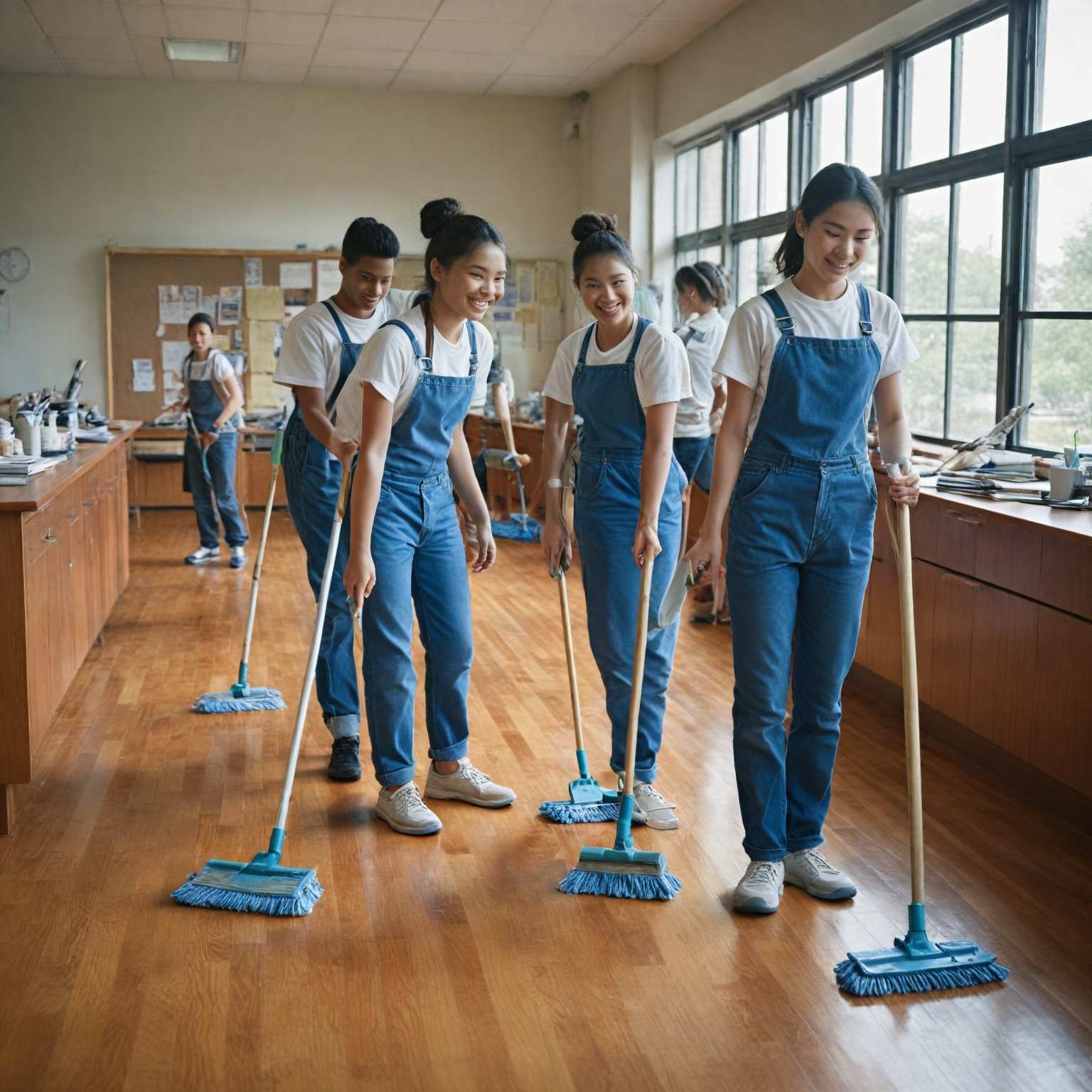
Part-time cleaning work offers students flexible schedules suitable for balancing academics and work, while providing financial income and skill development in time management, communication, and teamwork. These jobs, which include sweeping, mopping, and sanitizing, also contribute to healthier environments that support cognitive function and emotional well-being. In some cultures, like Japan, student involvement in cleaning fosters responsibility and discipline. Despite benefits, challenges such as physical demands and social stigma exist.
Benefits for Students
Part-time cleaning jobs provide financial relief, helping students cover expenses and reduce loan dependence, though earnings may affect financial aid eligibility. Beyond income, these roles develop soft skills, build professional networks, and sometimes offer benefits like medical coverage and training. Experience gained can enhance resumes and improve future job prospects by demonstrating discipline and organizational abilities.
Impact on Academic Performance
Working excessive hours (over 15 per week) often harms academic performance by reducing study time and energy. However, jobs offering skill development or relevance to studies may have neutral or positive effects. Properly balanced, part-time cleaning work can foster time management and personal growth, though poor balance risks burnout and reduced satisfaction.
Employability and Labor Market Participation
Part-time cleaning work builds work ethic, attention to detail, and transferable skills like communication and teamwork, enhancing employability. It expands professional networks and helps students demonstrate responsibility and organizational skills valued by employers, supporting smoother transitions into full-time careers.
Economic and Community Effects
Cleaning services improve community appearance and economic vitality by attracting visitors and investment, creating jobs, and supporting workers’ financial independence. Urban areas often offer higher wages due to demand. Clean environments also promote health and productivity, benefiting workplaces and communities.
Challenges and Considerations
Balancing cleaning work with studies can be difficult, especially with long hours, risking academic decline. Physical demands pose injury risks despite safety training. Work-related stress and societal stigma may lower job satisfaction and motivation. Students must weigh these factors to maintain well-being while gaining valuable experience.
Case Studies and Examples
Examples highlight diverse benefits: a student launched a successful cleaning business generating substantial income, demonstrating entrepreneurial potential. In Japan, daily student cleaning promotes discipline and life skills. Research links clean academic environments with reduced absenteeism and better performance, showing cleaning’s positive role in education and student development.
The content is provided by Blake Sterling, Direct Bulletins