Highlights
- Buying returned items from Amazon offers significant cost savings while promoting sustainability.
- Advanced inspection and grading ensure quality products are available at discounted prices.
Summary and Overview of Returned Items on Amazon
In 2025, returned Amazon items form a growing market segment benefiting consumers, sellers, and the environment. Amazon’s return process includes inspection, grading, and handling to resell many items at discounted prices while maintaining quality. Unsellable goods are refurbished, recycled, or donated, supporting sustainability and reducing waste. The returned merchandise market covers diverse products, often sold in pallets attractive to entrepreneurs. Despite challenges like misclassification and fraudulent returns, Amazon continues improving policies and technology to enhance quality assurance and reduce unnecessary returns.
Market and Processing of Returned Items
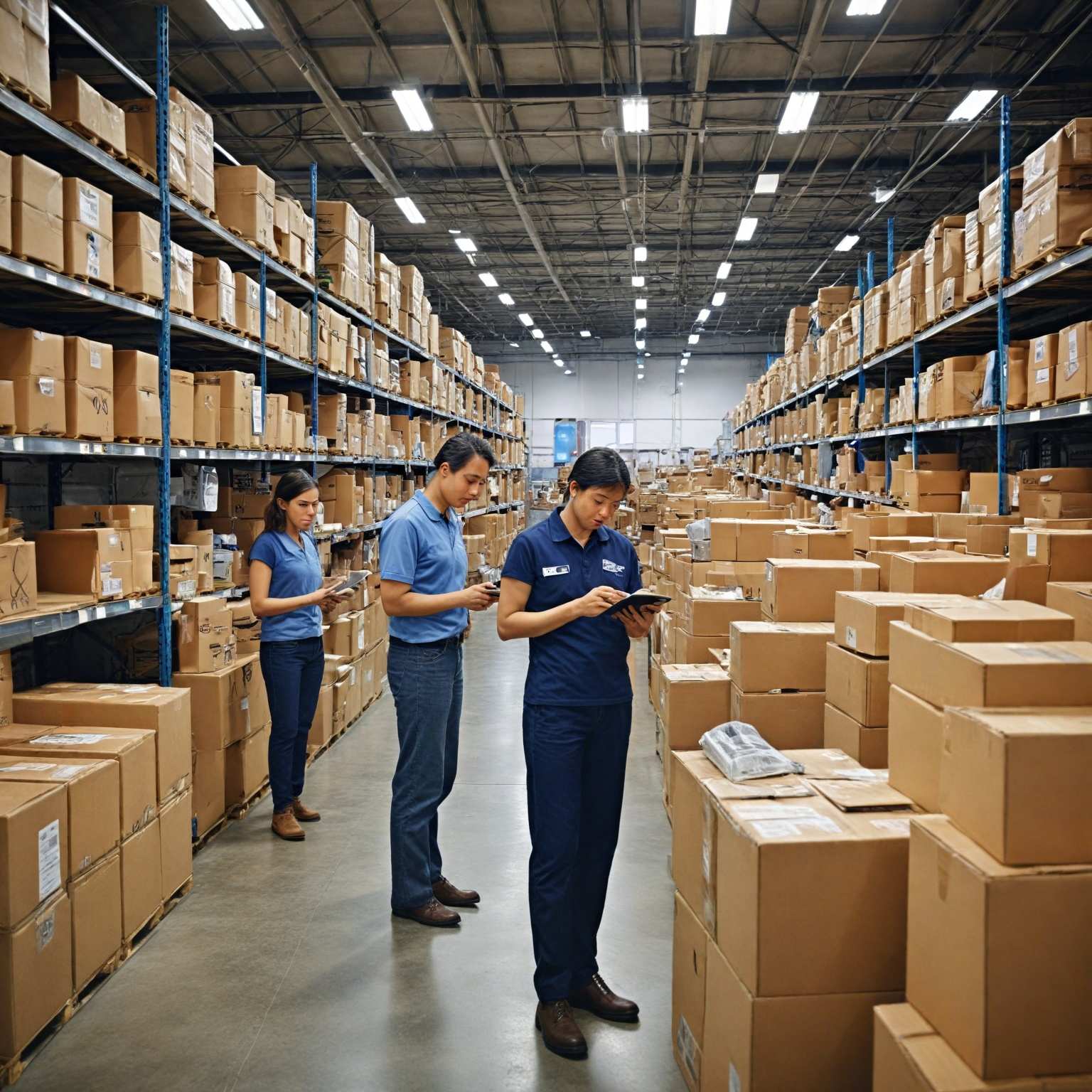
Amazon’s return system involves customer-initiated returns with prepaid labels, inspection, and categorization to determine restocking, refurbishment, recycling, or donation. Some items, such as digital products and certain discounted goods, are non-returnable. Returned products span many categories and are often bundled into pallets sold to resellers at prices based on resale value. Returned items undergo detailed processing involving automated and manual inspection, with high-value electronics refurbished under programs like Amazon Renewed. Amazon’s ReCommerce Services support third-party sellers by grading returns and facilitating resale or donation, contributing to sustainability efforts.
Benefits and Consumer Protection
Buying returned items offers cost savings and supports environmental sustainability by extending product lifecycles and reducing waste through refurbishing and recycling initiatives. Amazon ensures quality through rigorous inspection and grading, providing consumer confidence supported by the A-to-z Guarantee, which covers refunds and protections for third-party purchases. Features like returnless refunds and badges indicating product return rates help reduce unnecessary returns and improve customer satisfaction.
Purchasing Returned Items and Consumer Feedback
Returned items are often sold in bulk as Amazon Return Pallets, appealing to entrepreneurs seeking discounted inventory with potential profit margins. Pallets vary widely in cost and content, requiring buyers to select suitable resale channels. Consumers benefit from Amazon’s return policies and features like “Frequently returned” badges and Virtual Try-On tools, which help reduce purchase hesitation. Despite high inspection standards, occasional issues like locked electronics or misclassified products occur. The convenience of free returns raises environmental concerns, though returned and refurbished items remain a cost-effective option for many buyers.
Environmental Impact and Industry Effects
Amazon’s sustainability efforts focus on minimizing waste from returns by prioritizing recycling, refurbishing, and donations. Accurate product descriptions help reduce unnecessary returns, while disposal practices like energy recovery still occur industry-wide. Amazon’s expanded human rights and environmental due diligence in 2024 covers labor and ethical standards across its operations and supply chains. Return policy changes have influenced retail, with a near 5% drop in return rates and price increases by many sellers. Amazon continues to balance consumer protection with operational efficiency through innovative features and policies.
Future Outlook
Amazon plans to enhance resale and refurbishment processes using advanced technologies and specialized hubs to maintain quality and extend product lifecycles. Its ReCommerce Services will continue supporting resale and sustainability goals, with nearly 391 million items resold or donated in 2024. Ongoing adjustments to pricing and return policies will shape market dynamics, aiming to optimize seller profitability and customer satisfaction. Future developments will further integrate sustainability with convenience, providing buyers reliable access to quality returned products at competitive prices.
The content is provided by Blake Sterling, Direct Bulletins