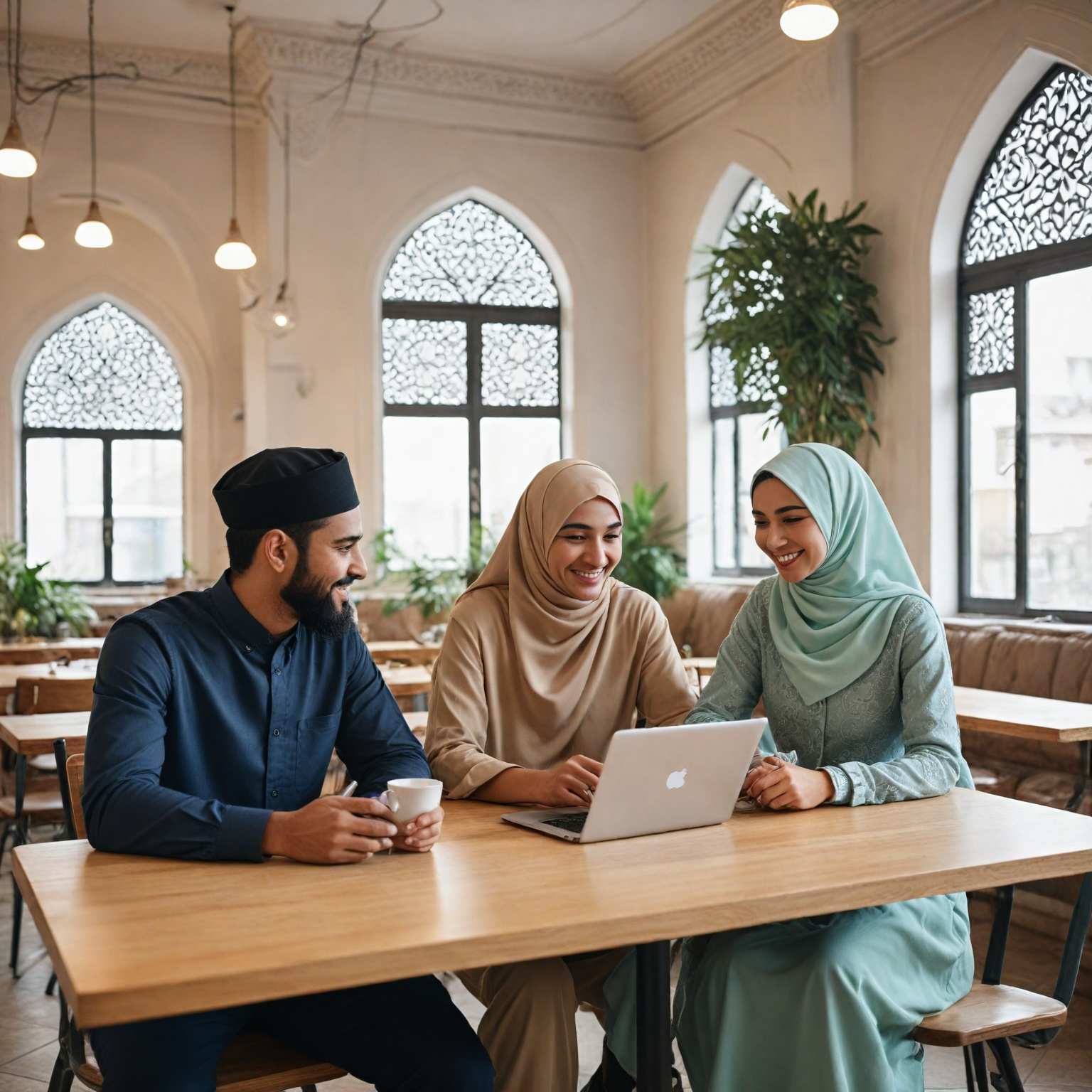
Highlights
- Discover how to navigate online dating while honoring Islamic values and cultural integrity.
- Explore specialized platforms that ensure respectful connections for Muslim singles in today's digital age.
Summary
The Online Dating Guide for Muslims: Tips for Connecting with Respect and Faith in 2025 is a comprehensive resource designed to help Muslim singles navigate the complexities of online dating while adhering to Islamic principles and cultural values. Recognizing that traditional Islamic teachings generally discourage casual dating and emphasize marriage as a sacred, spiritual bond, the guide addresses the challenges faced by contemporary Muslims seeking meaningful relationships in a digital age. It provides practical advice on maintaining modesty, setting clear intentions, and fostering respectful communication within the framework of halal dating—relationships pursued with the intention of marriage and conducted according to Islamic ethics.
With the rise of specialized Muslim dating platforms such as Muzz, Muslimeet, and LoveHabibi, the guide highlights how technology has created new opportunities for Muslim singles worldwide to connect safely and purposefully. These platforms incorporate features that respect faith-based values, including privacy controls, chaperone options, and matchmaking algorithms tailored to shared religious and cultural preferences. The guide also emphasizes the importance of spiritual preparation, family involvement, and culturally sensitive practices to support users in building genuine, lasting partnerships.
Despite these advancements, Muslim online dating remains a complex and sometimes controversial topic. The guide addresses tensions between religious adherence and modern dating norms, including concerns about maintaining halal boundaries, privacy, and data security on digital platforms. It also discusses scholarly perspectives that caution against casual dating and underscore the necessity of clear intentions aligned with Islamic teachings. Generational shifts and varying cultural practices within the global Muslim community contribute to diverse approaches to online matchmaking, reflecting an ongoing dialogue about faith, identity, and contemporary relationships.
Overall, the guide serves as a faith-centered roadmap for Muslim singles in 2025, offering practical tips and ethical guidance to connect with respect, uphold spiritual integrity, and find compatible partners in a rapidly evolving social landscape. It encourages users to balance tradition with technology, fostering relationships that honor both personal values and religious commitments in a safe and supportive environment.
Background
Muslim dating is a complex and sometimes controversial topic, as traditional Islamic teachings generally discourage dating before marriage, emphasizing that relationships should ultimately lead to matrimony—a spiritual and religious bond. Despite this, the realities of modern life have made dating an important yet often conflicting aspect for many Muslims in the 21st century. While Islam promotes love that is kind, nourishing, and pure, many Muslims face challenges reconciling these values with contemporary dating practices.
Online dating has emerged as a popular avenue for Muslim singles to find partners who share their values and beliefs while navigating these cultural and religious nuances. This approach allows individuals to be upfront about their intentions and what is important to them in seeking a lasting relationship. Platforms tailored for Muslim users often incorporate features that respect these values, such as privacy controls, chaperone options, and guidelines promoting modesty and respectful communication.
Halal dating, a concept rooted in Islamic principles, refers to pursuing relationships with the intention of marriage while adhering to guidelines of modesty, honesty, and family involvement. This often includes chaperoned meetings and maintaining communication boundaries that avoid inappropriate discussions, focusing instead on building genuine connections. Non-Muslims interested in dating Muslims are encouraged to approach these practices with respect and understanding, recognizing cultural and religious boundaries and the importance of mutual respect.
Principles of Muslim Online Dating
Muslim online dating is guided by a set of principles deeply rooted in Islamic teachings, aiming to balance faith with the realities of modern matchmaking. Central to these principles is the understanding that dating is not merely a casual activity but a purposeful step toward marriage. As emphasized by the Muslim dating app Muzmatch, the tagline “Muslims don’t date – they marry” encapsulates the notion that dating must be conducted with the intention of finding a spouse and in accordance with Islamic law.
Intentions and Purpose
A foundational principle in Muslim online dating is to begin with sincere and clear intentions. Dating should be reserved for those who seek a halal (permissible) relationship with the ultimate goal of marriage. This involves honoring one’s partner and maintaining respect throughout the process, ensuring that all interactions reflect Islamic values.
Physical Boundaries
Islamic guidelines strongly emphasize the avoidance of physical contact between unmarried individuals. This includes refraining from holding hands, kissing, or any form of intimate touching, as such actions are considered haram (forbidden). These boundaries promote modesty, purity, and respect for personal and spiritual integrity. Observing these rules is a way to protect emotional clarity and prevent situations that may lead to temptation or spiritual challenges.
Communication and Modesty
Maintaining modesty in communication is essential in Muslim online dating. Conversations should focus on getting to know each other respectfully, avoiding inappropriate or sexual topics. Honesty about intentions and openness regarding personal values are encouraged to build genuine connections that can lead to face-to-face meetings within an Islamic framework. Communication boundaries help uphold dignity and honor while fostering empathy, active listening, and mutual understanding during the courtship period.
Role of Faith and Spiritual Preparation
Faith remains central to Muslim online dating. Regular practices such as prayer, Quran reading, and engagement with the Muslim community provide spiritual grounding and perspective throughout the emotional fluctuations of dating. These spiritual activities help individuals maintain their values and develop the qualities needed for a successful marriage, such as patience, empathy, and conflict resolution skills.
Family Involvement and Cultural Sensitivity
While some Muslim singles may worry about family interference, respectful communication can balance autonomy with parental guidance. Islamic tradition encourages meetings in dignified settings and often supports the presence of chaperones to maintain propriety. Families may initially resist online dating, favoring traditional methods, but involving them early and sensitively can help blend cultural practices with modern realities. Understanding and respecting cultural differences, including gender roles and expectations, further facilitate harmony in the dating process.
Practical Guidelines for Meetings
Meetings between potential partners are recommended to take place in public venues that honor shared values, such as coffee shops, museums, or community events. This approach ensures safety and respects Islamic boundaries while allowing the relationship to develop naturally. Chaperoned meetings are common and serve not as restrictions but as protections, fostering an environment of modesty and respect.
Trust in Divine Destiny
An important spiritual aspect of Muslim dating is trusting in Allah’s plan. The concept of qadar (divine destiny) encourages individuals to make sincere efforts in their search for a spouse while relying on Allah’s wisdom and timing. This mindset helps manage disappointments and reinforces patience and faith throughout the process.
Popular Platforms for Muslim Online Dating
The rise of Muslim online dating apps and websites has created numerous opportunities for Muslim singles to connect with like-minded individuals while adhering to Islamic principles. These platforms aim to provide safe and respectful environments that align with the values of halal dating, emphasizing modesty, respect, and purposeful relationships oriented toward marriage.
Among the most recommended platforms is Muslimeet, often cited as the best option for serious relationships due to its focus on privacy, simplicity, and support for Wali (guardian) involvement, which is a key aspect in traditional Islamic matchmaking. Muslimeet’s features cater to users seeking long-term commitments and ensure a Halal and secure dating experience.
Another popular choice is Muzz (formerly MuzMatch), known as the world’s largest Muslim dating and marriage app. It offers unique features such as the ‘missed connections’ tool, which allows users to find potential matches they have crossed paths with in real life, enhancing local connections within a faith-based context. Similarly, LoveHabibi appeals to a diverse range of Muslim singles by balancing modern connectivity with respect for traditional values, providing an inclusive platform for Muslim dating.
Mainstream dating sites like Zoosk and Match have also adapted to Muslim users by incorporating filtering options that cater to Islamic values, lifestyle preferences, and faith compatibility. Zoosk utilizes Behavioral Matchmaking technology to connect Muslim singles based on shared values and interests, while Match offers features such as MatchPhone and MatchEvents to foster a strong community and deeper engagement.
Other notable platforms include Mawada, which, despite its less polished interface, remains a well-established site for Muslims worldwide to connect and potentially marry. Additionally, niche sites such as Iranian Personals serve specific cultural communities within the Muslim dating landscape, catering to unique tastes and needs.
While many of these apps offer free membership options, accessing premium features often requires paid subscriptions, which enhance the overall user experience and increase the chances of finding compatible partners. It is important to note that while online dating presents new avenues for Muslim singles, users are encouraged to maintain constant alignment with Islamic principles throughout their interactions and seek guidance from trusted religious leaders to ensure their relationships remain halal and respectful.
These platforms also play a significant role in supporting Muslims living in Western countries, helping them navigate the challenges of maintaining their faith and cultural identity while seeking meaningful relationships in non-Muslim majority societies.
Tips for Connecting with Respect and Faith
When engaging in online dating within the Muslim community, it is essential to uphold respect, faith, and cultural values throughout the process. One important recommendation is to arrange meetings in public spaces that align with mutual values, such as coffee shops, museums, or community events. These settings help maintain dignity and ensure that the relationship develops at a comfortable and respectful pace for both parties. Additionally, involving families early in the process can be beneficial, particularly when it aligns with cultural and religious traditions, providing valuable guidance and support.
Maintaining spiritual and emotional preparedness is crucial for those seeking a Halal relationship. Regular prayer, Quran reading, and active participation in the Muslim community help individuals remain grounded in their faith, offering strength to uphold values during challenging moments. Developing communication skills such as empathy, active listening, and respectful expression of needs plays a significant role in fostering healthy interactions. These skills contribute not only to the dating period but also serve as a foundation for successful married life.
Privacy and security considerations are also important. Customizing profile visibility settings can help users feel secure while exploring potential matches. Platforms like Muslimeet emphasize creating safe, scam-free environments that honor faith and privacy, which helps Muslim singles connect with partners who share their values and vision. Continuous monitoring and dedicated support teams contribute to maintaining a trustworthy space for meaningful relationships.
Respecting cultural sensitivity and communication boundaries is vital. Modesty and respectful interaction should be preserved in both profile creation and messaging to honor Islamic principles. Clear boundaries help balance personal autonomy with family involvement, enabling respectful communication that addresses concerns about potential interference while blending tradition with modern dating realities.
Challenges and Solutions in Muslim Online Dating
Muslim online dating presents unique challenges that stem from balancing religious values, cultural expectations, and modern dating dynamics. One major difficulty is navigating the tension between faith-based principles and contemporary lifestyle choices, especially when it comes to maintaining halal interactions while using digital platforms. Many Muslim singles struggle to find partners who not only share their religious beliefs but also align with their personal values, goals, and aspirations, which can complicate the search for a lasting relationship.
Cultural sensitivities also play a significant role, as family involvement and traditional customs may influence dating practices differently across communities. This is particularly challenging for Muslims living in Western countries, where cultural expectations often diverge from religious obligations, requiring individuals to distinguish between cultural traditions and Islamic guidance. Furthermore, limited social circles, busy professional schedules, and geographic constraints can restrict opportunities to meet compatible partners, especially in non-Muslim majority countries.
Another challenge is ensuring user privacy and ethical data management on dating platforms. For Muslim singles who prioritize faith and culture, it is crucial to find sites that respect user confidentiality and foster a safe environment for meaningful interactions. The concept of anonymity also raises ethical concerns within the community, as some youth feel pressured to engage in un-Islamic behaviors due to cultural taboos surrounding dating.
To address these challenges, Muslim dating platforms are increasingly designed to offer halal and secure spaces that respect religious and cultural boundaries while embracing modern relationship norms. Features such as customizable visibility settings and active monitoring for fraudulent activities help create a trustworthy experience for users seeking serious, marriage-oriented relationships. Prioritizing compatibility through shared values and faith is encouraged, allowing individuals to build genuine connections before transitioning to face-to-face meetings.
Safety and Security Measures on Muslim Dating Platforms
Muslim dating platforms place significant emphasis on safety and security to foster trust and protect users’ privacy while respecting cultural and religious values. Many sites incorporate robust data protection policies to ensure that user information is managed responsibly and confidentially, which is crucial for individuals seeking long-term relationships within the Muslim community.
One common feature is profile verification, which helps authenticate user identities and reduce the risk of fraudulent accounts. Platforms like Muzz offer additional security options such as profile locking, screenshot blocking, and chaperon mode—a function that allows monitoring of interactions to maintain adherence to Islamic ethical standards during the matchmaking process. These features not only safeguard users but also enhance the overall experience by promoting genuine and compatible matches based on religious practices, lifestyle, and other personal preferences.
To combat potential online harassment and trolling, some platforms continuously monitor activities to detect and prevent fraudulent behaviors and create scam-free environments. Users are often given the ability to customize their visibility settings, allowing them to control who can contact them and thereby feel more secure when exploring potential connections. The integration of such privacy controls supports a safer dating experience tailored to the needs of Muslims seeking halal relationships.
Moreover, the practice of chaperoned meetings is recognized and facilitated by certain platforms to align with Islamic values of modesty, respect, and purity. This approach, common in many Muslim communities, is designed to preserve the integrity of relationships and provide blessings and protection as individuals seek life partners.
Technological Innovations Enhancing Muslim Online Dating in 2025
The landscape of Muslim online dating in 2025 has been significantly transformed by technological advancements designed to align with Islamic values while fostering meaningful connections. One notable innovation is the integration of artificial intelligence (AI) in matchmaking processes. AI-powered matchmakers, such as chatbots, conduct personalized conversations with users to understand their preferences and red flags, thereby streamlining the search for compatible partners without the need for endless profile swiping. This personalized approach helps users find matches that are more in tune with their individual desires and cultural expectations.
In addition to AI, specialized Muslim dating platforms like Love InshaAllah and Muzz have incorporated features that enhance user safety and privacy. Muzz, for instance, offers detailed profile creation, selfie verification, and robust privacy settings, including a chaperone feature that enables a third party to monitor interactions, ensuring adherence to Islamic guidelines during communication. The introduction of secure in-app communication channels and video calling features, particularly during the COVID-19 pandemic, has further facilitated authentic and halal interactions between Muslim singles.
Algorithmic improvements have also played a key role in refining matchmaking. By prioritizing parameters that resonate with religious faithfulness and halal matchmaking principles, apps can generate potential match scores, allowing users to set benchmarks for recommendations and thus receive more compatible suggestions. Platforms like Match have expanded their filtering options to accommodate faith, lifestyle, and interests, enabling Muslim singles to find partners who share their Islamic values more effectively.
These technological innovations not only provide safe and faith-aligned spaces for Muslim singles to connect globally but also reflect a cultural shift among digital natives embracing online dating while maintaining spiritual integrity. However, users are encouraged to remain cautious due to potential risks associated with online interactions and to continually align their practices with Islamic principles.
Religious Perspectives and Scholarly Opinions
Islamic teachings emphasize that relationships between Muslims should be conducted in a manner that aligns with faith and moral integrity. The prevailing scholarly opinion is that traditional dating, as commonly understood in many cultures, is generally considered haram (forbidden) unless it adheres strictly to Islamic guidelines and intentions focused on marriage. This principle is encapsulated by platforms such as the Muslim dating app Muzmatch, whose tagline “Muslims don’t date – they marry” reflects the Islamic interpretation that dating
Cultural and Religious Considerations in Practice
Muslim online dating practices are deeply rooted in Islamic principles, which often emphasize modesty, respect, and the importance of family involvement. One common preference is for chaperoned meetings, reflecting cultural variations within the Muslim community influenced by regional traditions and norms. It is essential to differentiate between religious requirements and cultural customs, as not all cultural practices align strictly with Islamic guidance. Staying grounded in Islamic values while honestly communicating personal needs and circumstances helps navigate these nuances effectively.
Balancing cultural expectations with religious obligations can present challenges, especially for Muslims living in Western countries. They often face limited social circles, busy professional schedules, cultural barriers among different ethnic Muslim communities, and geographic constraints when seeking compatible partners. Recognizing these challenges underscores the importance of platforms that embrace diversity and inclusivity, allowing Muslim singles from varied cultural backgrounds to connect within a shared faith context.
Ethical considerations also play a significant role in Muslim online dating. Issues such as anonymity, data protection, and user privacy are paramount, as many users prioritize platforms that handle sensitive information responsibly and respect their long-term goals rooted in faith and culture. Addressing cultural taboos while promoting respectful and faith-aligned interactions is key to fostering a supportive environment for Muslim youth and adults alike.
Overview of the “Online Dating Guide for Muslims: Tips for Connecting with Respect and Faith in 2025”
The “Online Dating Guide for Muslims: Tips for Connecting with Respect and Faith in 2025” offers comprehensive advice tailored to Muslim singles seeking meaningful, faith-centered relationships through digital platforms. It emphasizes the importance of being upfront about personal values and intentions, helping users find compatible partners who share similar beliefs and goals for a lasting relationship.
Central to the guide is adherence to Islamic principles, which advocate for respectful and appropriate communication by avoiding sexual or inappropriate discussions. The focus remains on building genuine connections through honest dialogue about character, values, and compatibility while preparing for eventual face-to-face meetings in settings that honor mutual faith and comfort. Family involvement is also highlighted as a valuable element in many Muslim cultures, providing guidance and support throughout the dating process.
The guide underscores the role of Islamic teachings in maintaining spiritual integrity during the search for a partner. It offers practical wisdom to navigate the boundaries of Muslim dating, ensuring that singles can foster genuine relationships without compromising their faith. Many modern platforms incorporate features that connect Muslim singles by matching shared values and interests, making it easier to engage in meaningful conversations that reveal a person’s character and dedication to their faith.
For Muslims living in Western societies or non-Muslim majority countries, these platforms provide a supportive environment to meet others who understand the unique challenges of maintaining Islamic practices while dating online. Inclusivity is a key focus, with some sites such as MillionaireMatch.com welcoming Muslim singles from diverse cultural backgrounds who share both faith and lifestyle aspirations. Personal testimonies also reflect how identity, such as being Black and Muslim, shapes the dating experience, emphasizing the importance of faith, intention, and compatibility over superficial differences.
The guide advises pacing the relationship appropriately, suggesting public meetings in faith-respecting venues like coffee shops, museums, or community events, and encourages early family involvement when culturally appropriate. While some platforms offer rapid interactions, the guide cautions that youth focused on marriage-oriented relationships may need to seek alternatives better suited to their goals. Overall, this resource aims to empower Muslim singles to navigate online dating with respect, faith, and confidence in 2025 and beyond.
The content is provided by Sierra Knightley, Direct Bulletins