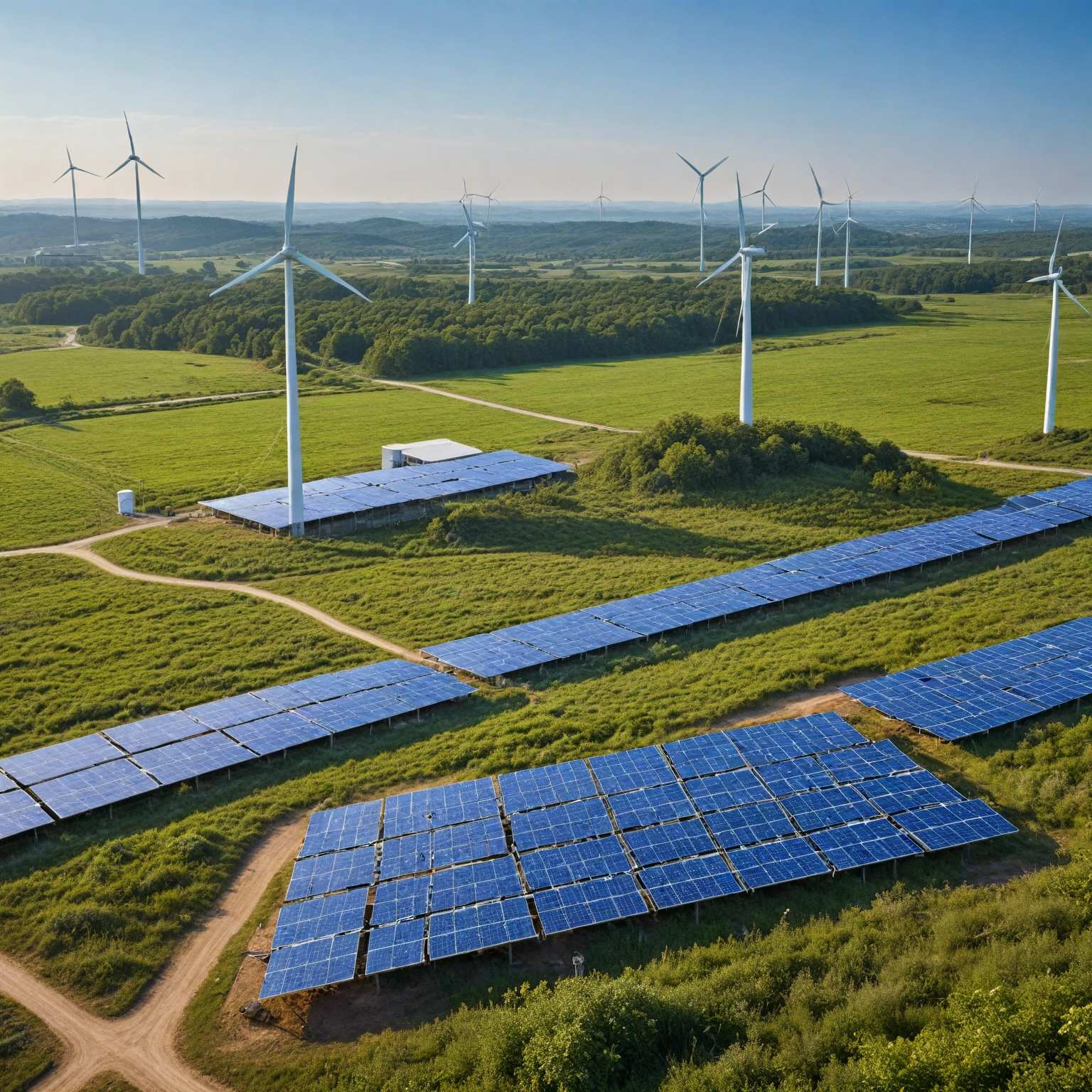
Highlights
- Renewable energy investments are projected to hit $2.2 trillion globally by 2025.
- Innovations in solar and wind power are crucial for a successful low-carbon future.
Summary
Discover the Latest Trends in Sustainable Energy Solutions for 2025 explores the dynamic and rapidly evolving landscape of renewable energy technologies, policies, and market developments shaping the global transition toward a low-carbon future. As the world confronts urgent climate change challenges and increasing energy demand, sustainable energy solutions—including solar, wind, bioenergy, and emerging clean technologies such as green hydrogen and advanced nuclear power—are pivotal in reducing greenhouse gas emissions and achieving international climate goals like those set by the Paris Agreement. This article examines the most recent technological innovations, sectoral adoption patterns, policy frameworks, and investment trends that define the sustainable energy sector in 2025.
Technological advancements continue to enhance the efficiency, affordability, and accessibility of renewable energy sources. Solar power leads the charge with innovations like bifacial and tandem solar panels, integrated storage systems, and portable solutions expanding applications worldwide. Wind energy is propelled by taller turbines, AI optimization, and novel manufacturing techniques that unlock new geographic potentials and cost efficiencies. Additionally, breakthroughs in energy storage and smart grid technologies, including AI and blockchain, are critical in managing the intermittency of renewables and enabling reliable power delivery. Emerging clean energy technologies such as green hydrogen and sustainable aviation fuels are gaining momentum, further diversifying the energy transition landscape.
The global transition is supported and accelerated by comprehensive policy frameworks and financial incentives that encourage renewable energy adoption while addressing barriers related to investment costs, infrastructure, and regulatory uncertainty. Governments and international bodies prioritize stable, long-term commitments and integrated approaches to align energy access with broader socioeconomic goals including poverty alleviation, gender equality, and sustainable urban development. Despite progress, challenges remain, such as financing gaps in developing economies, grid integration hurdles, and social acceptance issues, requiring coordinated efforts across sectors and regions to ensure an equitable and effective energy transformation.
Looking ahead, the sustainable energy sector is poised for substantial growth, with global clean energy investments projected to reach $2.2 trillion in 2025 and renewable electricity expected to surpass coal as the dominant energy source. Emerging economies play a critical role in this expansion, while innovation-driven markets in developed countries focus on resilience and technological leadership. This evolving landscape underscores the urgency and complexity of transitioning to sustainable energy systems that balance environmental stewardship, economic growth, and social equity worldwide.
Background
The transition to sustainable energy is a critical global priority aimed at meeting current energy demands while preserving the ability of future generations to do the same. Sustainable energy encompasses resources and technologies that minimize environmental impact, reduce greenhouse gas emissions, and support climate change mitigation efforts. This shift requires profound changes in energy production, distribution, and consumption systems, supported by an intricate framework of international treaties, protocols, and voluntary commitments that facilitate cooperation, technology transfer, and financing across nations.
Electricity generation remains the largest contributor to energy-related carbon emissions worldwide, producing approximately 14 billion tons of CO2 annually. Addressing this issue necessitates not only a reduction in emissions from electricity but also from transportation and heat generation sectors, which are significant contributors to global emissions as well. Meeting the legitimate energy demands of emerging economies while simultaneously reducing carbon footprints represents a complex but essential challenge.
International goals such as those articulated in the Paris Agreement emphasize limiting global temperature rise to well below 2 °C, with efforts to cap it at 1.5 °C. The International Energy Agency’s Net Zero Emissions by 2050 Scenario outlines pathways to align the energy sector with these climate targets. Achieving sustainable energy access, particularly in developing and vulnerable countries, is also crucial for broader socioeconomic goals including poverty eradication, gender equality, climate adaptation, and sustainable urban development.
Advancements in technologies such as solar energy have been pivotal in this transition. Innovations like bifacial solar panels, which increase energy yields and reduce spatial requirements, are becoming more prevalent as costs decline and adoption rises globally. Moreover, emerging tools such as blockchain technology are being studied for their potential to enhance transparency and efficiency in sustainable energy markets, alongside evolving policy frameworks aimed at supporting these developments.
Global efforts to foster innovation, sustainability, and collaboration in the bioenergy and biofuels sectors are ongoing, with events and initiatives dedicated to sharing knowledge and accelerating progress in sustainable energy solutions. Together, these multidimensional strategies underscore the complexity and urgency of the shift toward a sustainable and resilient global energy economy.
Current State of Sustainable Energy
The demand for energy has surged significantly in recent years, driven by factors such as record-breaking heatwaves, economic stimulus measures, industrial growth, and a strong rebound in residential and service sectors. Despite these pressures, the expansion of clean energy technologies—particularly wind and solar photovoltaic (PV)—has helped mitigate emissions growth globally. Hydropower generation has also seen an increase, with an 11% rise compared to the previous year, partly due to abundant spring rainfall in regions like southern China, which contributed to record-high hydroelectric output. However, persistent droughts in northern areas and extreme heatwaves have limited further gains in hydropower expansion.
Investment in renewable energy technologies such as hydro, wind, solar, and geothermal remains critical to ensuring their accessibility and affordability, thereby facilitating widespread adoption. These investments are complemented by policy changes that incentivize sustainable energy use, with governments playing a crucial role in promoting and accelerating the transition toward cleaner energy systems.
Solar energy continues to dominate the renewable sector, driven by advances in solar panel technology that have increased cell efficiency and incorporated new, more abundant materials. Distributed solar PV applications—including residential, commercial, industrial, and off-grid projects—account for 42% of total PV expansion, spurred by relatively low module costs, efficient permitting processes, and broad social acceptance. Additionally, rising retail electricity prices following energy crises, alongside strong policy support, have motivated individuals and businesses to adopt solar PV systems to reduce electricity costs.
Wind energy remains a highly efficient and sustainable power source in 2025, increasingly cost-competitive with fossil fuels. Technological advancements such as AI optimization, superconducting generators, taller towers, longer blades, and wake steering are pushing wind turbine efficiency closer to theoretical maximums and enabling profitable wind power development in previously untapped regions, particularly across the United States. These innovations have the potential to unlock an additional 80% economically viable wind energy capacity by 2025, expanding the geographical scope of wind energy projects.
Bioenergy also holds promise as an alternative to fossil fuels, with ongoing research emphasizing its potential to transform global energy systems and promote environmental sustainability. Studies focusing on bioenergy conversion technologies, environmental impacts, and policy frameworks highlight its important role in the transition to sustainable energy.
Other emerging clean energy technologies are gaining momentum, including clean hydrogen, sustainable aviation fuels, and advanced nuclear power. The nuclear sector is witnessing renewed interest, often referred to as a “nuclear renaissance,” supported by innovations like small modular reactors and fusion research. Government and industry initiatives in traditional nuclear countries such as France and the United States, as well as new entrants like Poland, aim to accelerate this growth despite longstanding challenges related to skills, regulations, and financing.
Emerging Trends and Innovations in Sustainable Energy for 2025
The landscape of sustainable energy in 2025 is marked by rapid technological advancements and strategic investments aimed at enhancing efficiency, affordability, and accessibility across multiple renewable energy sources. Key trends span solar power, wind energy, energy storage, and clean energy integration, reflecting a global shift towards decarbonization and grid resilience.
Solar Energy Innovations
Solar technology continues to advance with notable progress in solar panel efficiency and versatility. Emerging solar panel technologies such as tandem and perovskite cells significantly boost energy output, while bifacial panels that capture sunlight on both sides are becoming more prevalent. Additionally, innovations like transparent solar panels blend architectural design with renewable energy generation, expanding applications beyond traditional installations.
Energy storage integration with solar systems is receiving substantial attention in 2025. Improvements in battery storage technologies enable users to store excess electricity generated during peak sunlight for use during low production periods, thereby stabilizing supply and enhancing system reliability. Furthermore, smart inverters and AI-driven monitoring systems optimize energy management and facilitate seamless integration with grid storage. Governments worldwide are increasingly supporting solar-plus-storage deployments through favorable policies and incentives, fostering broader adoption.
In remote or off-grid locations, portable and lightweight solar solutions—such as rollable solar sheets requiring minimal infrastructure—are expanding access to clean energy in underserved regions. Solar thermal systems also gain traction for industrial heat applications, complementing photovoltaic technologies in diversified energy portfolios.
Wind Energy Advancements
Wind power technology is experiencing significant innovation aimed at increasing capacity and expanding viable installation sites. Modern turbines feature taller towers and larger rotor diameters, with sizes growing from average heights of 122 meters in the early 2010s to over 200 meters projected for 2025, enhancing energy capture and efficiency. Low-specific-power turbines with larger rotors relative to generator size increase wind availability and energy output.
Innovations such as wake steering—using adjustable turbine orientation and generator speed to optimize airflow—improve overall wind farm efficiency by minimizing turbulence impacts on downstream turbines. The integration of AI optimization and superconducting generators further pushes wind turbine performance toward theoretical maximum efficiencies. Economically, although upfront costs remain substantial (approximately USD 850–950 per kilowatt), long-term benefits through reduced operational expenses and favorable power purchase agreements solidify wind energy’s competitiveness over fossil fuels.
Emerging manufacturing techniques, including on-site tower production, are facilitating cost reductions and accelerating deployment in new geographic areas previously unsuitable for wind energy projects. These combined advancements position wind energy as a cornerstone of sustainable power generation by 2025.
Energy Storage and Grid Integration
A major barrier to sustainable energy adoption has been the intermittent nature of renewable sources like solar and wind, necessitating advanced energy storage systems to ensure a steady power supply. In 2025, breakthroughs in battery technologies—improving capacity, lifespan, and cost—are revolutionizing how renewable energy is stored and dispatched.
The deployment of smart grid technologies, including AI and blockchain, enhances system monitoring, predictive maintenance, and real-time energy management, thereby increasing grid stability and facilitating higher renewable penetration. These innovations also enable businesses to optimize energy usage and reduce costs while maintaining reliability.
Emerging Clean Energy Solutions
Beyond solar and wind, emerging clean energy technologies such as green hydrogen and bioenergy are carving out vital roles in decarbonizing heavy industry, transportation, and building sectors. Green hydrogen production, supported by policy incentives and rapid innovation, is becoming increasingly viable, contributing to the transformation of global energy systems.
Renewable electricity is projected to surpass coal as the dominant energy source by 2025, marking a critical milestone in climate change mitigation efforts. This transition is supported by a surge in investment, technological development, and supportive regulatory frameworks across emerging economies including India, Brazil, Nigeria, and Indonesia.
Policy Frameworks and Financial Incentives Accelerating Adoption
Effective policy frameworks and financial incentives play a critical role in accelerating the adoption of sustainable energy solutions globally. Governments and international organizations are increasingly focused on designing and implementing comprehensive regulatory environments that not only encourage renewable energy development but also align with broader climate and sustainable development goals.
Policy Frameworks Supporting Sustainable Energy
A well-structured policy and regulatory framework is essential for creating enabling conditions for renewable energy deployment. Such frameworks typically include integrated approaches that coordinate rural electrification, demand stimulation, regulatory alignment, and fundraising mechanisms for technology-agnostic distributed renewable energy (DRE) solutions. For example, Zambia’s collaborative framework co-designed with government and partners aims to enhance rural energy access through catalytic operational expenditure support.
International agreements, such as the Paris Agreement, provide the overarching objectives that guide national and multilateral policy development towards net-zero emissions and sustainable energy transitions. Many development banks and financial institutions have adopted policies restricting fossil fuel financing while increasing allocations to clean technologies like wind, solar, and energy efficiency, which align with these global climate commitments.
Furthermore, policy goals emphasize affordability, reliability, and competitiveness of energy systems, ensuring that expanding access to energy does not compromise economic growth or climate objectives. Governments are encouraged to build institutional capacity, strengthen regulatory measures, and enhance international cooperation to foster market efficiency and sustainable development.
Financial Incentives and Investment Support
Financial incentives are central to overcoming barriers related to the high upfront costs and risks associated with renewable energy projects. These incentives take various forms, including green tax incentives such as income tax holidays, accelerated depreciation, and import duty relief on clean technologies. Such incentives are particularly vital in emerging and developing economies, which face an estimated annual investment gap of USD 2.2 trillion for energy transition.
To maximize impact, green tax incentives should be integrated with complementary policies like national energy plans, power purchase agreements, local content requirements, and affordable financing options often provided by public or development banks. This integrated approach helps attract private capital, which tends to favor low-risk, mature markets, thereby addressing the fiscal and policy challenges prevalent in developing countries.
Government-led financial support mechanisms, including subsidies, feed-in tariffs, and small-scale renewable energy schemes, have proven effective in scaling up renewable deployment. For instance, the success of solar power initiatives in regions such as Gujarat, India, demonstrates how targeted incentives can significantly boost residential rooftop solar installations. Similarly, Australia’s support for households installing renewable energy systems exemplifies how financial assistance can reduce upfront costs and foster widespread adoption.
Strategic Prioritization and Long-Term Commitment
Addressing the complex barriers to renewable energy adoption requires stable, long-term policy commitments and capacity building. Studies have identified key strategies such as maintaining policy stability, promoting renewable energy as a climate solution, and developing training and certification programs for workforce development as critical priorities. These approaches enhance investor confidence, reduce risks, and create a skilled labor pool to support the sector’s growth.
Sectoral and Regional Adoption Patterns
The adoption of sustainable energy solutions in 2025 exhibits distinct patterns across various sectors and regions, shaped by technological advancements, policy frameworks, and market dynamics. Renewable energy sources such as solar, wind, hydropower, and biofuels are central to the energy transition, driving decarbonization efforts in power generation, transportation, and heating sectors.
Sectoral Adoption Patterns
In the power sector, rapid capacity growth is largely fueled by solar photovoltaic (PV) and wind power, supported by steep cost declines and policy incentives. Distributed solar PV installations, including residential, commercial, industrial, and off-grid systems, account for approximately 42% of total PV expansion, reflecting broad social acceptance and efforts to reduce electricity bills amid rising retail prices. Furthermore, innovations in solar technology, such as transparent solar panels and solar-plus-storage systems, are accelerating integration and adoption, enhancing energy efficiency and reliability.
The transportation sector is also undergoing significant transformation, with electric vehicles (EVs) gaining traction globally. Emerging markets, excluding China, are projected to see a 20% increase in EV adoption by 2035 compared to previous forecasts, compensating for slower growth in the United States. Additionally, green hydrogen and sustainable aviation fuels are emerging as key players in decarbonizing heavy industry and transport, diversifying clean energy solutions beyond electricity.
Bioenergy is another critical sector experiencing growth, driven by technological advancements, investment inflows, and supportive policies. However, challenges such as feedstock logistics, technological limitations, and economic viability remain barriers that require strategic research and policy interventions to fully harness bioenergy’s potential in global decarbonization efforts.
Regional Adoption Patterns
China dominates the global renewable energy landscape, accounting for 45% to 60% of renewable capacity additions over the next decade. Its 14th Five-Year Plan sets ambitious targets, aiming for renewables to comprise 33% of electricity generation by 2025, up from about 29% in 2021, and introduces targets for renewable heat use for the first time. This strong policy direction consolidates China’s leading position in solar, wind, and EV deployment.
Emerging economies outside China are also accelerating renewable capacity installations, with new solar and wind capacity additions surpassing those of the European Union and the United States in the first half of 2025, despite slower momentum in these developed regions. Meanwhile, the United States continues to focus on innovation-driven clean energy solutions, supported by programs such as the Department of Energy’s Small Business Innovation Research (SBIR) and technology-specific initiatives in wind and bioenergy sectors.
In Europe and North America
Environmental and Societal Impacts
The transition to sustainable energy solutions has significant environmental and societal implications that are crucial for achieving global climate goals and ensuring equitable development. Environmentally, the rapid expansion of renewable energy technologies—such as solar, wind, hydropower, and biofuels—is central to reducing carbon emissions and mitigating climate change. These technologies have contributed to preventing a substantial portion of energy-related CO₂ emissions; in fact, without their deployment over recent years, global emissions would have been three times higher. To align with the Paris Agreement targets, annual emissions reductions of 35 to 55 percent by 2035 are necessary compared to 2019 levels, with faster and deeper cuts required to keep global temperature rise below 1.5°C and minimize climate risks.
The shift toward sustainable energy also entails managing environmental challenges linked to the construction and operation of new infrastructure. This includes addressing the potential impacts on ecosystems and land use changes caused by renewable energy projects, as well as dealing with the waste produced by these technologies. Proactive policies are needed to minimize such negative effects, ensuring that sustainable energy development proceeds in an environmentally responsible manner.
From a societal perspective, the widespread adoption of sustainable energy technologies can drive improvements in public health, economic development, and social equity. Access to clean energy services supports vital infrastructure such as healthcare facilities, clean water provision, and communication systems, which are essential for improving quality of life and managing crises like pandemics. However, the transition also faces social and cultural barriers, especially in developing countries where low energy consumption, limited financing, and entrenched political and economic interests can impede progress. Overcoming these obstacles requires targeted initiatives including worker retraining programs, community support, and effective engagement with policymakers and citizens to highlight the benefits of renewable energy.
Moreover, the growth of the sustainable energy sector is challenged by a shortage of experienced workers, leading to longer training periods and increased costs for companies. The uncertainty of government policies, such as tax incentives and renewable energy standards, further complicates workforce planning and investment decisions. Despite these challenges, social acceptance remains one of the lesser barriers to adopting sustainable energy technologies globally. Governments play a pivotal role by implementing clear and supportive policies that provide incentives, infrastructure, and regulatory frameworks necessary to accelerate renewable energy adoption and drive sustainable solutions worldwide.
International cooperation and frameworks also underpin the societal impacts of sustainable energy transitions by promoting equitable access to modern energy services. Efforts to expand infrastructure and upgrade technology, particularly in least developed countries and vulnerable regions, aim to ensure universal energy access by 2030 without compromising climate goals. These actions contribute not only to climate mitigation but also to poverty alleviation, gender equality, food security, health improvements, and sustainable urban development, illustrating the broad societal benefits of sustainable energy solutions.
Challenges and Barriers to Widespread Adoption
The widespread adoption of sustainable energy solutions in 2025 faces numerous challenges and barriers that span financial, infrastructural, social, and policy dimensions. Despite significant progress in renewable energy deployment, obstacles remain that slow down the pace of transition towards sustainable energy systems.
One of the primary barriers is the high initial capital cost associated with many sustainable energy technologies such as solar panels, wind turbines, and energy storage systems. This upfront investment is often substantial, deterring businesses and investors who prioritize quicker returns on investment. The longer payback periods for these technologies further exacerbate hesitation, as companies may be reluctant to commit resources without near-term financial benefits. Lack of adequate financing mechanisms and high costs of capital remain critical impediments to scaling up these technologies.
In addition to financial barriers, unequal geographical adoption of renewables presents a significant challenge. Certain regions face underinvestment in essential supporting infrastructure, including grid modernization and energy storage capabilities, which limits the positive impact of renewable energy growth. Without robust infrastructure, renewables’ integration into energy systems remains constrained, thereby reducing their effectiveness and reliability.
Non-financial barriers also play a role, including administrative, procedural, and regulatory hurdles that raise risks and costs for developers and investors. Governments need to address these issues by streamlining policies, ensuring regulatory stability, and creating enabling environments for renewables deployment. Policy uncertainty can hinder long-term investments, making sustained commitment from policymakers crucial for fostering confidence in sustainable energy markets.
Social acceptance, while generally considered a lesser barrier compared to financial and infrastructural issues, still influences the adoption of sustainable energy. Established interests invested in maintaining the status quo may resist changes, creating political and social obstacles. Successful energy transitions often require initiatives such as workforce retraining, community support programs, and transparent communication to build broad-based support for renewables.
Furthermore, emerging and developing economies face unique challenges due to a significant investment gap, estimated at USD 2.2 trillion annually, which hampers their ability to finance the energy transition. In these regions, profit-based incentives often fail to support early-stage projects that are not yet profitable. Consequently, green tax incentives and concessional financing through development banks and public institutions are vital to catalyzing investments and bridging this gap.
The dynamic nature of the global energy economy, including evolving supply chains and manufacturing opportunities, introduces additional complexity to the transition. Investors are increasingly focusing on operational renewable projects and late-stage pipelines backed by scalable delivery infrastructure, highlighting the importance of securing stable returns and reducing project risks.
Future Outlook and Market Projections
The future of sustainable energy solutions through 2025 is characterized by rapid technological advancements, significant policy shifts, and substantial financial investments aimed at accelerating the global energy transition. Forecasts indicate continued growth in renewable energy deployment across electricity, transport, and heat sectors, driven largely by cost reductions and supportive policies, especially for solar photovoltaics and wind power.
Global investment in clean energy technologies—including renewables, nuclear power, grid modernization, storage, low-emissions fuels, energy efficiency, and electrification—is projected to reach approximately $2.2 trillion in 2025. This surge reflects a competitive race among countries to gain technological and manufacturing advantages in the sector, highlighting the strategic importance of sustainable energy for future economic growth and security.
Emerging economies such as India, Brazil, Nigeria, and Indonesia are focal points for tailored renewable energy financing solutions, recognizing the critical role these countries play in the global energy landscape. Expanding access to sustainable energy in these markets supports broader development goals and the global effort to limit average temperature increases to below 1.5°C.
Technological innovation remains a key driver of market expansion. For example, recent studies project that advancements in wind energy technology could unlock up to 80% more economically viable capacity within the contiguous United States, emphasizing the untapped potential still present in mature markets. At the same time, industry leaders are prioritizing resilience and adaptability amid shifting policies, geopolitical challenges, and increasing energy demands, particularly from data centers and digital infrastructure.
Achieving an affordable, reliable, and competitive path to net zero emissions requires not only scaling up renewable energy but also strengthening institutional capacity and regulatory frameworks. International cooperation and integrated policy approaches are essential to create effective markets and facilitate the transition. Efforts to build human capital, improve market operations, and enhance alignment between trade and environmental measures are foundational to this endeavor.
The content is provided by Blake Sterling, Direct Bulletins