Highlights
- Repossessed dump trailers can be purchased for up to 70% less than new equipment.
- Buyers should perform due diligence to navigate legal complexities and ensure safe transactions.
Summary and Overview
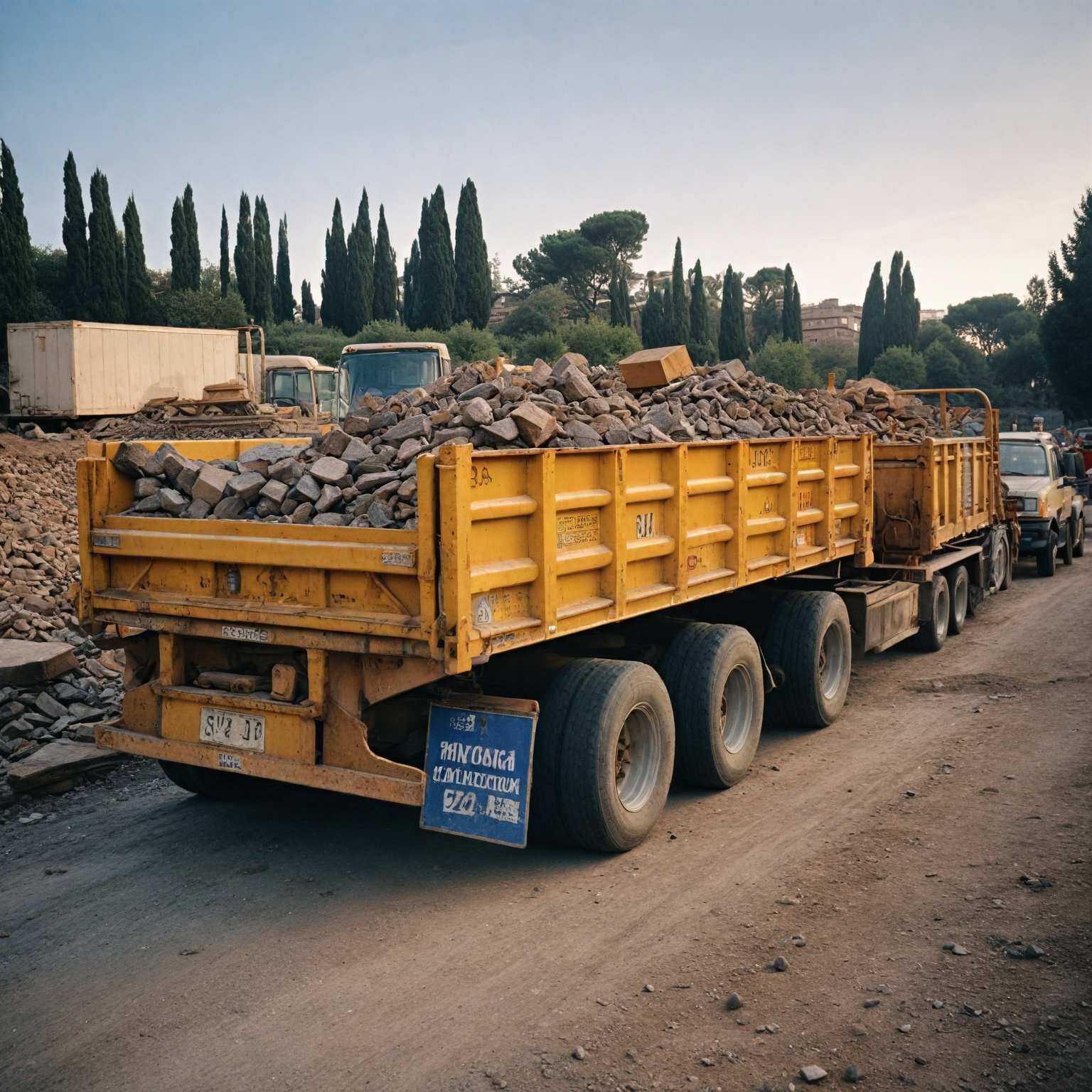
Repossessed dump trailers are used commercial trailers reclaimed by lenders after loan defaults. Equipped with hydraulic systems for lifting and dumping heavy materials, they are widely used in construction, agriculture, and oil and gas. Buying repossessed trailers offers significant cost savings—often up to 70% less than new units—while providing similar utility. However, these trailers may require inspections and maintenance, especially of hydraulics and structural components. Buyers should consider towing compatibility, legal issues, title clearance, and state repossession laws. Tax incentives like Section 179 deductions can reduce ownership costs, and buying repossessed trailers supports sustainability by extending equipment life. Legal and financial risks exist for both buyers and sellers, so thorough due diligence and professional advice are recommended.
Acquisition Process and Legal Considerations
Repossessed dump trailers are reclaimed when buyers default on loans, with lenders following state-specific legal procedures to avoid unlawful repossession. Rights to repossess depend on security interests in loan agreements; without them, lenders must pursue court judgments. Repossession must comply with notice and peace-preserving requirements. Buyers should expect trailers to be available via auctions, direct lender sales, or court orders, and verify clear titles to prevent disputes. State laws vary on self-help repossession, buyer protections, notification requirements, and tax implications, making legal guidance important. Lenders often offer alternatives to repossession, such as payment plans.
Benefits and Risks of Buying Repossessed Dump Trailers
Repossessed trailers provide substantial cost savings compared to new and standard used units, sometimes priced 10–70% lower. They may be road-worthy, reducing operational costs, and qualify for tax incentives like Section 179 and bonus depreciation. Buying repossessed trailers also supports sustainability by reducing demand for new manufacturing. However, buyers face risks including uncertain trailer condition, potential costly repairs, and varying warranty coverage. Ensuring tow vehicle compatibility with the trailer’s GVWR and proper braking is vital for safety. Compliance with load security and tarping laws is also essential to avoid penalties. Legal complexities and state-specific regulations necessitate careful review and possible legal consultation.
Comparison with New and Standard Used Trailers
New dump trailers cost the most but come with warranties and minimal maintenance. Standard used trailers are less expensive but vary in condition and require ongoing upkeep. Repossessed trailers are generally priced below standard used units but may have inconsistent maintenance histories. Depreciation is steepest for new trailers and slower for used and repossessed units, potentially offering better value retention if well maintained. Tax benefits often favor newer purchases, though repossessed trailers still provide financial advantages due to lower purchase prices.
Finding and Purchasing Repossessed Dump Trailers
Repossessed dump trailers become available when owners default and lenders reclaim them under security agreements. Buyers can find these trailers through auctions, lenders, or specialized dealers. It is crucial to verify clear title and absence of liens. Since repossession transfers ownership to lienholders rather than constituting sales, subsequent sales are subject to normal sales tax unless exemptions apply. Buyers should match trailers to their specific industrial needs and conduct thorough inspections. Legal advice helps clarify contractual terms and seller authority, preventing title disputes and ensuring smooth transactions.
Best Practices for Buyers
Buyers should ensure their tow vehicle matches the trailer’s GVWR, hitch rating, and suspension requirements and has proper brakes. Thoroughly inspecting trailer condition—frames, hydraulics, wiring, brakes, and tarping systems—is essential to avoid costly repairs and ensure safety. Understanding and complying with state and federal load security regulations by using appropriate tarps, chains, and straps helps prevent debris hazards and legal issues. Evaluating the trailer’s load capacity relative to project needs ensures operational efficiency and safety.
Buyer Experiences and Case Studies
Buyer experiences highlight legal complexities when sales agreements lack clear security interests, complicating repossession rights and recovery methods. Defaults can damage credit and reputations, prompting lenders and buyers to seek alternatives like payment plans to avoid repossession. Effective communication and well-drafted contracts are critical to prevent disputes and ensure successful ownership transitions.
The content is provided by Avery Redwood, Direct Bulletins