Highlights
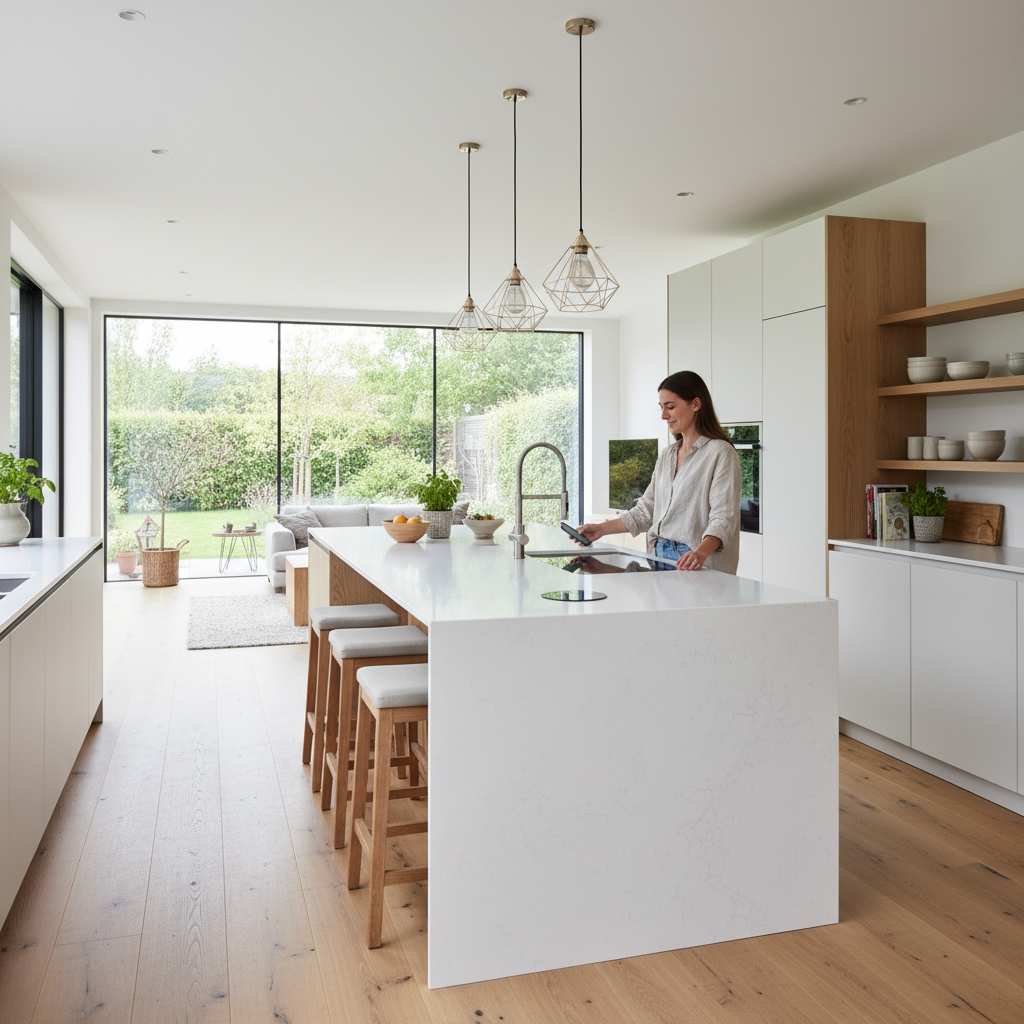
- Kitchen islands are now multifunctional hubs for cooking, socializing, and remote work.
- Sustainable materials and smart technology are transforming kitchen designs for modern living.
Summary
The kitchen island has transformed from a simple workspace to a multifunctional centerpiece in modern kitchens. This shift caters to homeowners seeking aesthetics, usability, and technology in their culinary spaces, turning the kitchen into a hub for socializing, remote work, and family gatherings.
Current design trends emphasize sleek, minimalist forms combined with natural textures and sustainable materials like reclaimed wood and eco-friendly composites. These innovations include features such as waterfall-edge countertops and integrated seating solutions, catering to growing environmental awareness through energy-efficient appliances and responsible sourcing.
Smart technology is integral to modern kitchen islands, offering touchless faucets, induction cooktops, and wireless charging capabilities to improve efficiency and user experience. The future of kitchen islands will likely blend advanced technology, sustainability, and personalized design, reinforcing their role as essential components of contemporary homes.
History
Originally, kitchen islands were basic meal preparation spaces, influenced by utilitarian designs such as the Shaker style. Over time, they have evolved into striking design elements reflecting a shift towards aesthetic appeal and social interaction, supported by contemporary layouts and sleek lines.
The trend is moving towards more delicately crafted islands with materials like butcher block and Vermont soapstone. Popularity is shifting from large double islands to more intricately designed pieces that resonate with consumer preferences for both functionality and aesthetic charm.
As homeowners prioritize kitchen renovations, the role of islands continues to expand, driven by innovations in materials, layouts, and technology that blend elegance with sustainable living practices.
Materials and Finishes
Modern kitchen islands prioritize materials that combine durability, style, and sustainability. Popular choices include granite, quartz, and butcher block for countertops, along with stainless steel for a modern finish, all offering practicality paired with beauty.
Visually striking options such as stone with dramatic veining and mixed materials are increasingly favored. For example, pairing a thin stone waterfall edge with natural wood creates unique textures and practical designs, while reclaimed wood supports eco-friendly practices by minimizing waste and adding rustic charm.
Sustainability is a growing concern, with eco-conscious products sourced responsibly, reinforcing the importance of considering environmental impacts when selecting materials for kitchen islands. The incorporation of sustainable features will likely continue in future designs, highlighting a commitment to both aesthetics and ecology.
Design Styles and Aesthetic Trends
The design of kitchen islands emphasizes creating unique aesthetics through the harmonious blend of materials and forms. Minimalist styles combined with bold colors enhance kitchen environments, while seamless waterfall edges provide polished finishes that appeal to contemporary tastes.
Curved islands are gaining popularity, enhancing movement in open spaces and serving various functions. This evolution reflects a shift towards islands that facilitate social interaction and support diverse kitchen needs, making them central to modern kitchen design.
Wood finishes, particularly those featuring fluted detailing, contribute sophistication and textural depth, while decorative elements like island range hoods further integrate function with visual appeal.
Smart Technology Integration
Modern kitchen islands often incorporate smart technologies that enhance convenience and efficiency. Features such as touchless faucets and built-in charging stations cater to contemporary lifestyles that blend cooking with remote work, transforming kitchen islands into multifunctional spaces.
Energy-efficient technologies, such as induction cooktops and ENERGY STAR appliances, contribute to sustainability while improving functionality. Voice-activated controls and remote monitoring enhance user experience, allowing for better resource management and lower energy waste.
Multifunctionality and Layout Adaptations
Today’s kitchen islands are designed to support various activities, merging cooking, dining, socializing, and even homework into one space. This multifunctionality is achieved through thoughtful layouts that include varied seating options and cleverly integrated storage solutions.
Compact designs maximize surface area without compromising space, fostering open environments that enhance functionality. Sustainable materials used in these layouts not only boost aesthetic appeal but also reflect the growing importance of environmental considerations in kitchen design.
Sustainable Manufacturing and Certifications
Sustainable practices in kitchen island manufacturing focus on eco-friendly materials and production methods. Utilizing reclaimed wood reduces waste and conserves resources while bringing unique character to each piece.
Certification programs guide consumers toward durable and responsible products, encouraging environmentally friendly choices without sacrificing quality. Features such as energy-efficient installations not only support sustainable living but also appeal to the eco-conscious homeowner.
Innovations and Emerging Technologies
The rise of smart technology is reshaping kitchen islands, enhancing both functionality and user experience. Smart appliances, touchless fixtures, and embedded charging options aim to streamline daily tasks while integrating seamlessly into home environments.
Lighting innovations, such as energy-efficient LEDs and smart systems, improve both visibility and ambiance, supporting sustainability goals. Future designs will continue to evolve, combining cutting-edge technology with personalized elements to ensure kitchen islands remain central hubs in modern homes.
Impact on Homeowners’ Lifestyles
The evolution of kitchen islands has enriched homeowners’ lifestyles, transforming them into multifunctional areas for culinary and social activities. With seating and integrated technology, islands create inviting spaces that enhance interaction among family and guests.
Modern kitchen islands also cater to the demands for efficiency and convenience, integrating features that simplify cooking and dining routines. These advancements reflect the need for intuitive solutions that align with contemporary living preferences.
Future Outlook
The future of kitchen islands promises a blend of innovation, functionality, and aesthetic appeal. With advancements in smart technology and a focus on sustainability, these spaces are expected to evolve into hubs that support both cooking and community engagement.
As design trends lean towards eco-friendly materials and personalized aesthetics, kitchen islands will adapt to meet homeowners’ evolving needs. They are likely to become even more integral to living spaces, balancing beauty, practicality, and ecological mindfulness.
The content is provided by Avery Redwood, Direct Bulletins