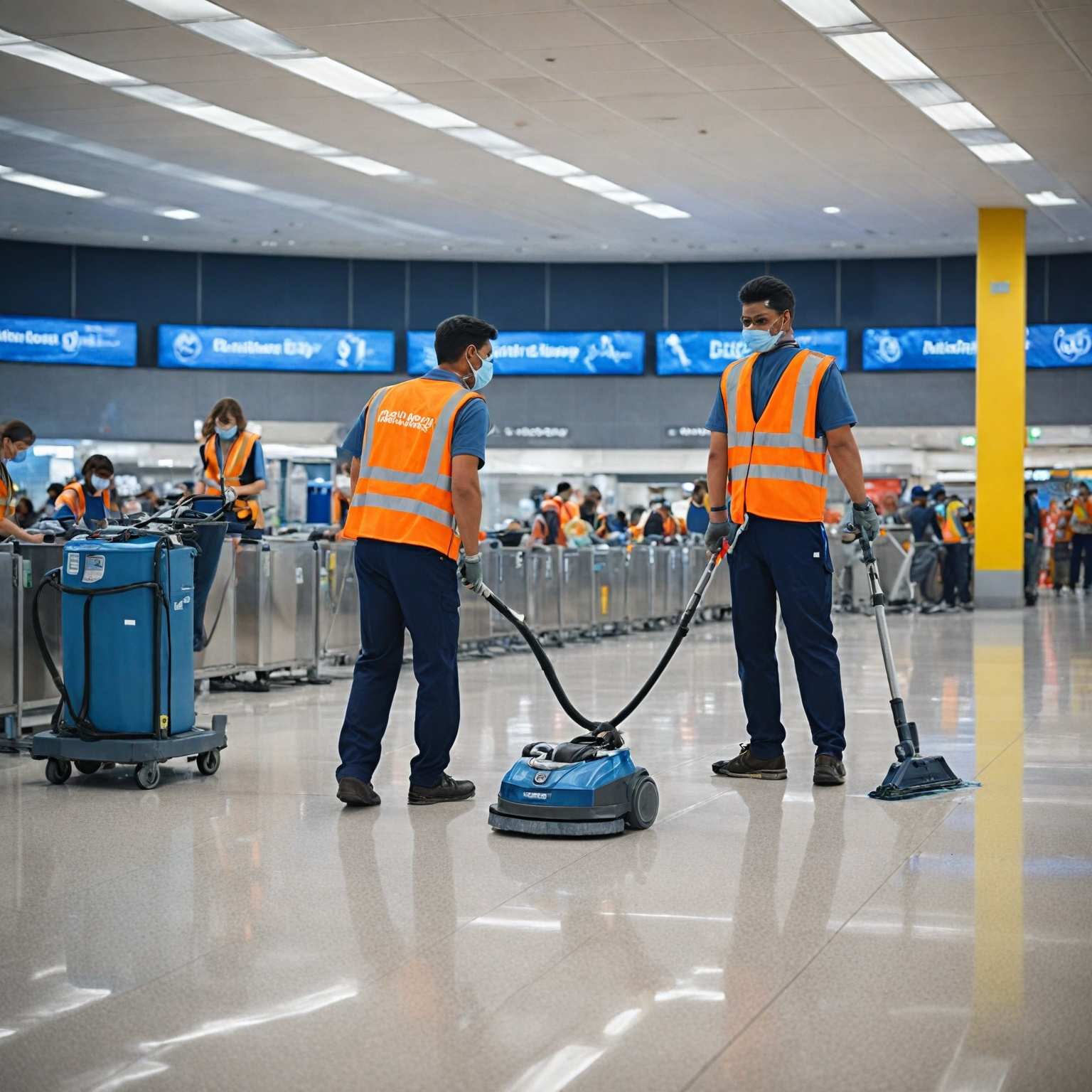
Highlights
- Airport cleaning workers play a vital role in enhancing passenger experience and safety compliance.
- Ongoing professional development is crucial for adapting to evolving technologies and regulatory standards.
Summary
Airport cleaning workers are essential personnel within airport facilities management, responsible for maintaining high standards of cleanliness, sanitation, and safety throughout terminals and related areas. Their work directly impacts passenger experience, airport reputation, and regulatory compliance, making their role critical to the smooth operation of airports worldwide. In 2025, the demands on airport cleaning workers have intensified due to increasing passenger volumes, heightened hygiene standards, and the integration of advanced technologies in airport operations.
The essential skills for airport cleaning workers now encompass a blend of physical stamina, technical knowledge, and interpersonal abilities. Beyond proficiency in cleaning procedures and safety protocols, workers must adeptly operate specialized equipment, adapt to flexible and often irregular working hours, and communicate effectively within diverse teams. With the rise of automation and artificial intelligence in cleaning systems, technical training and cybersecurity awareness have become increasingly important, necessitating ongoing professional development.
Career advancement opportunities exist within the sector, as experienced workers can progress to supervisory or management positions by acquiring certifications such as the Certified Professional Cleaner (CPC) and honing leadership skills. However, airport cleaning workers often face challenges related to labor conditions, including wage disparities and job stability concerns, highlighting ongoing debates about fair compensation and workers’ rights in this essential yet sometimes undervalued occupation.
Additionally, airport cleaning roles are shaped by stringent safety regulations and evolving environmental standards, requiring workers to adhere strictly to protocols designed to protect both personnel and passengers. The combination of emerging technologies, regulatory compliance, and occupational health considerations makes airport cleaning a dynamic and increasingly complex career path with significant implications for airport safety and passenger satisfaction.
Overview of Airport Cleaning Worker Careers
Airport cleaning workers play a vital role within the Facilities Management sector by maintaining cleanliness and sanitation standards throughout airport facilities. Their work directly influences the overall guest experience, safety, and operational efficiency of the airport, making this role essential for upholding the airport’s reputation and ensuring compliance with industry regulations.
These roles generally require a combination of attention to detail, physical stamina, and the ability to work flexible hours, including nights and weekends. Candidates are expected to have basic knowledge of cleaning procedures, safety protocols, and the proper use of cleaning equipment. Good communication skills and the ability to work independently or as part of a team are also important attributes for success in this field.
Airport cleaning positions provide opportunities for career advancement, often allowing experienced and reliable workers to move into supervisory or management roles. Advancement is facilitated by developing skills in team leadership, safety compliance, and specialized cleaning techniques. Pursuing certifications in hazardous material handling or facility maintenance can further enhance career growth and open doors to higher responsibility positions.
Despite the critical nature of their work, airport cleaning workers often face challenges related to labor standards and wage protections. Many airport service workers, including aircraft cleaners, earn wages below contractor minimums, highlighting ongoing concerns about fair compensation and job stability in the sector.
The working environment presents unique hazards such as slips, trips, falls, and ergonomic strain, particularly within busy terminal areas. These risks necessitate adherence to strict safety protocols to protect workers and maintain operational safety. Overall, airport cleaning careers demand a blend of physical capability, technical knowledge, and commitment to safety, with pathways for professional growth in a critical sector of airport operations.
Essential Skills for Airport Cleaning Workers in 2025
Airport cleaning workers in 2025 require a comprehensive set of skills that blend technical knowledge, physical capabilities, and interpersonal abilities to meet the demands of a fast-paced, safety-critical environment. Attention to detail is paramount, ensuring rigorous quality standards are maintained through thorough cleaning, inspections, and sanitation procedures that directly impact passenger safety and satisfaction.
Physical stamina and the ability to work flexible hours—including nights and weekends—are essential due to the demanding nature of airport operations and the need for quick turnaround times. Teamwork and communication skills enable workers to coordinate effectively with colleagues and other airport personnel, fostering a collaborative environment that enhances operational efficiency and safety.
Technical competencies include knowledge of cleaning equipment, chemicals, sanitation protocols, and waste management practices, with familiarity of industry regulations such as OSHA guidelines and airport security clearances being highly beneficial. Workers are often trained on specialized cleaning techniques and must apply them consistently, ensuring compliance with safety standards and environmental requirements, such as the use of eco-friendly cleaning agents.
Language skills and an understanding of local attractions enhance interactions with passengers and support roles that overlap with hospitality and tourism, providing an added advantage for career advancement. Continuous professional development, including training in new technologies like AI-driven cleaning systems and cybersecurity awareness, is increasingly important as automation transforms traditional workflows in airport facilities management.
Moreover, problem-solving skills and the ability to respond swiftly to unexpected cleaning challenges—such as spills or contamination—are critical to maintaining a safe and welcoming environment for travelers and staff alike. Leadership and reliability are valued attributes, especially for those seeking progression into supervisory roles where managing teams and projects becomes central.
Training and Certification
Airport cleaning workers require specialized training and certification to ensure effective performance, safety, and compliance with industry standards. One of the most recognized credentials in the cleaning industry is the Certified Professional Cleaner (CPC) certification offered by organizations such as the International Sanitary Supply Association (ISSA). This certification covers essential topics including cleaning chemistry, equipment operation, infection control, and workplace safety. To obtain the CPC, candidates must complete a comprehensive training program and pass a written examination.
For airport cleaners specifically, the OSHA Bloodborne Pathogens Certification is particularly relevant due to potential exposure to biohazardous materials, such as bodily fluids in airport environments. This certification, administered by the Occupational Safety and Health Administration (OSHA), requires completion of a training course focused on the identification, handling, and disposal of hazardous materials to maintain safety and hygiene.
Training often includes hands-on instruction in the use of specialized airport cleaning equipment, safe handling of chemicals, and adherence to safety protocols such as OSHA guidelines. New cleaning methods and evolving health regulations necessitate continuous skill development, with workers learning targeted techniques and operating advanced equipment tailored for aircraft and terminal environments.
In addition to formal certifications, many airport cleaning positions provide on-the-job training aimed at enhancing practical skills and workplace safety awareness. Important soft skills such as reliability, communication, and teamwork are emphasized to support a safe, clean, and welcoming airport environment. Advancement opportunities, including supervisory roles, are often available to those who demonstrate leadership and expertise.
Certain high-level certifications, such as those for facilities management in educational institutions, require extensive experience and periodic recertification and may influence career progression in specialized cleaning fields. Airport cleaning professionals who acquire certifications in new disinfectant systems, composite materials handling, or automated cleaning technologies may also benefit from higher wages and faster advancement.
Technological Advancements Impacting the Role
The role of airport cleaning workers in 2025 is being significantly transformed by rapid technological advancements, particularly through automation, robotics, and artificial intelligence (AI). Cleaning machines now incorporate electric, diesel, and hybrid propulsion systems, along with autonomous navigation and robotic technologies that improve operational efficiency and reduce labor costs. These developments are reshaping traditional workflows, requiring workers to upskill in operating, monitoring, and maintaining sophisticated automated systems.
Automation and robotics have become fundamental to airport cleaning operations, with autonomous machines increasingly seen as permanent fixtures rather than temporary solutions. These robots perform a variety of tasks—ranging from emitting UV light for disinfection to spraying cleaning agents—symbolizing a new standard in public hygiene and operational safety across airports worldwide. The integration of AI-powered systems also brings substantial benefits such as enhanced productivity, improved cleaning results, and better job satisfaction by combining human expertise with robotic efficiency.
However, the adoption of these advanced technologies also introduces new challenges. Effective cybersecurity measures are essential to protect AI-driven systems from vulnerabilities, and organizations must foster a culture of innovation to overcome resistance to change among staff. Training programs focused on digital skills and technical education are increasingly crucial for airport cleaning personnel to remain competitive and compliant with evolving industry regulations.
In addition, modern cleaning machines now feature advanced capabilities such as GPS navigation, automated controls, and real-time performance monitoring, enabling precise and efficient maintenance of airport facilities. The rise of “smart airports” further accelerates the deployment of connected and automated cleaning solutions, creating a symbiotic relationship between technological innovation and operational optimization. Despite upfront cost concerns, especially in developing regions, the long-term savings and environmental benefits of these technologies reinforce their growing importance in the sector.
Career Development and Advancement Opportunities
Airport cleaning roles offer clear pathways for career growth through training programs, professional development initiatives, and advancement opportunities tailored to support employees’ progression within the industry. Entry-level positions often provide on-the-job training focused on cleaning procedures, safety protocols, and equipment operation, enabling workers to build foundational skills necessary for success in fast-paced airport environments.
With experience, reliability, and demonstrated leadership, airport cleaning personnel can advance into supervisory or management positions. These roles typically involve overseeing custodial teams, coordinating shift work, and liaising with security and maintenance personnel to ensure the cleanliness and safety of airport terminals and related facilities throughout all operational hours. Developing skills in team leadership, safety compliance, and specialized cleaning techniques are crucial for those seeking higher responsibility roles.
Pursuing industry-recognized certifications can significantly enhance career prospects. For example, the Certified Professional Cleaner (CPC) credential, offered by organizations like the International Sanitary Supply Association (ISSA), covers essential knowledge in cleaning chemistry, infection control, equipment operation, and workplace safety. Achieving such certifications requires completion of training programs and passing examinations, which can distinguish candidates for advancement. Additional certifications in hazardous material handling or facility management also support progression toward supervisory or managerial positions.
Senior cleaning staff often take on mentoring responsibilities, guiding less experienced workers in practical skills and promoting a safety culture. This leadership development is particularly important in complex airport settings where bilingual communication and shift coordination are frequent challenges. Strong interpersonal and communication skills, combined with effective team management abilities, are critical for success at higher levels within airport cleaning careers.
Influence of Airport Safety Regulations on Job Functions
Airport safety regulations have a significant impact on the roles and responsibilities of airport cleaning workers, shaping their job functions to ensure both operational efficiency and the well-being of employees and travelers. These regulations emphasize the importance of maintaining safer working conditions, proper training, and adherence to safety protocols in various aspects of airport ground operations.
One critical influence is the requirement for workers to be trained in proper manual handling techniques, such as lifting heavy bags or garbage, to minimize injury risks. Employers must comply with standards like the OSHA Hazard Communication standard (29 CFR 1910.1200), which mandates the labeling of chemical containers, training on chemical hazards, and providing timely access to Safety Data Sheets (SDS). This ensures that cleaning personnel are equipped to handle industrial cleaning chemicals safely and effectively, reducing exposure risks.
Furthermore, airport cleaning roles now commonly require familiarity with environmental and safety standards for cleaning agents, underscoring the necessity for workers to use approved products that meet regulatory requirements. Regular monitoring and adherence to these standards ensure that cleaning procedures not only maintain hygiene but also align with environmental safety mandates.
The adoption of safety management systems (SMS) within aviation safety programs also influences cleaning workers by embedding safety culture throughout airport operations. These systems foster continuous improvement in safety practices, including those related to cleaning and maintenance tasks, promoting a proactive approach to hazard identification and mitigation.
Certifications play an increasingly important role in validating worker competence in safety-sensitive tasks. For instance, OSHA Bloodborne Pathogens Certification is relevant for cleaning staff who may encounter biohazardous materials, ensuring proper identification, handling, and disposal procedures are followed. Such certifications enhance worker preparedness and compliance with occupational health standards.
Documentation and adherence to standardized operating procedures (SOPs), often aligned with aviation authorities’ guidance, are now integral to job functions. Cleaning workers are expected to maintain detailed records, participate in competency assessments, and engage in ongoing training to uphold quality and safety standards. This systematic approach supports audit readiness and continuous quality assurance within airport environments.
Interpersonal and Organizational Skills for Collaboration
Airport cleaning workers must possess strong interpersonal skills to effectively collaborate with both internal teams and external stakeholders. Excellent communication abilities are crucial for liaising with supervisors, colleagues, clients, and other consultants, ensuring seamless coordination across various airport operations. The role often requires working closely with supervisors and other airport personnel to cover all public and restricted areas efficiently, demanding clear, timely, and respectful communication.
Leadership and team management skills are highly valued, especially for senior cleaners who mentor less experienced staff, promote a culture of safety, and enhance overall team performance. Proven experience in delegating tasks and managing junior staff members contributes significantly to maintaining compliance with safety and cleanliness protocols in a dynamic airport environment. Candidates with demonstrated leadership in supervising multiple cleaning projects or teams of substantial size bring added organizational value to airport operations.
Organizational skills are essential to manage the diverse and time-sensitive cleaning requirements of airports. Workers must coordinate schedules effectively, often adapting to shift work that includes early mornings, late nights, or peak travel periods. Attention to detail and the ability to conduct thorough audits and inspections prevent safety hazards and uphold high-quality standards critical to aviation safety and passenger satisfaction. Furthermore, the capacity to work independently or collaboratively within a team supports the smooth execution of cleaning operations under the strict protocols and security regulations prevalent in airports.
Future Trends and Emerging Skill Requirements
The role of airport cleaning workers is evolving rapidly due to technological advancements and changing industry standards. One significant trend is the increased integration of automation and artificial intelligence (AI) into cleaning operations. Automated guidance systems, remote monitoring capabilities, and AI-powered cleaning machines are becoming essential tools, enabling higher efficiency and reducing labor costs. As airports adopt these innovations, workers must acquire new technical skills to operate, monitor, and maintain such advanced systems. Upskilling programs and ongoing technical education will be crucial to help employees adapt to these changes and manage the hybrid workflows combining human expertise with robotic efficiency.
In addition to mastering new technologies, there is a growing emphasis on cybersecurity awareness among cleaning personnel. AI systems used in airport cleaning collect extensive data from sensors and connected devices, necessitating robust cybersecurity measures to protect sensitive information and ensure uninterrupted operations. Workers must be equipped with basic cybersecurity knowledge to safeguard these AI-powered systems effectively.
Environmental sustainability is another key driver shaping future skill requirements. The cleaning sector is seeing increased demand for eco-friendly solutions that minimize water and energy consumption. Airport cleaning workers will need to be familiar with environmentally safe cleaning agents and sustainable practices to comply with evolving regulations and meet industry standards.
Furthermore, ergonomic training remains critical to address occupational health and safety concerns. Proper lifting techniques, posture correction, and workstation adjustments are necessary to reduce strain and prevent injuries, especially given the physically demanding nature of airport cleaning work and exposure to hazardous substances such as jet fuel and deicing fluids.
Lastly, as the aviation industry stabilizes post-pandemic, cleaning protocols continue to balance between stringent hygiene requirements and cost efficiency. Workers must stay informed about updated cleaning standards and be adaptable to fluctuating operational demands influenced by broader economic factors, airport size, and employer type. This dynamic environment underscores the importance of continuous professional development and practical assessments to maintain high performance and career growth opportunities within airport cleaning roles.
The content is provided by Jordan Fields, Direct Bulletins