Highlights
- Cordless blinds enhance safety and aesthetics, making them a top choice for modern homes.
- Smart technology integration offers convenience and energy savings, appealing to today’s eco-conscious consumers.
Summary
Cordless blinds have emerged as a leading choice in modern window treatments, combining enhanced safety, ease of use, and contemporary style to meet the demands of today’s homeowners. Unlike traditional blinds with dangling cords, cordless blinds utilize integrated tension or motorized mechanisms that allow smooth, cord-free operation, significantly reducing strangulation hazards for children and pets. This safety advantage has driven widespread adoption, supported by recent regulations such as the U.S. ANSI/WCMA A100.1-2022 standard, which mandates cordless or inaccessible cord designs for all new window coverings sold in the United States as of June 2024.
In addition to safety, cordless blinds offer practical benefits including streamlined aesthetics, improved accessibility for individuals with limited mobility, and compatibility with smart home automation systems. The 2025 market features a diverse range of cordless options—such as faux wood blinds, cellular shades, and motorized smart blinds—providing extensive customization with over 170 styles and 1,800 fabric and color combinations. Energy efficiency is another notable advantage, as cordless designs enhance insulation and light control, and motorized models can optimize energy savings through automated adjustments based on environmental conditions.
The rise of smart technology integration marks a significant innovation in cordless blinds, enabling remote control, sensor responsiveness, and voice-activated operation via popular platforms like Alexa and SmartThings. While these features add convenience and further energy-saving potential, they also introduce considerations related to higher initial costs and professional installation requirements. Nevertheless, government incentives and rebates often help offset expenses, making smart cordless blinds an increasingly accessible option for modern homes.
Overall, cordless blinds represent a transformative shift in window treatment design by prioritizing safety and functionality without compromising style. Their growing prevalence reflects evolving consumer preferences and regulatory standards aimed at creating safer, more user-friendly, and energy-efficient living environments.
Overview
Cordless blinds have become a popular choice in modern window treatments due to their combination of style, functionality, and safety. These blinds operate without traditional pull cords, instead utilizing a “pull handle” or “lift handle” that allows smooth, cordless adjustment of the shade or blind. This handle is a small but essential component, designed to provide ease of use while maintaining a sleek appearance. The trend toward cordless options has been growing steadily in the US and Canada, driven by increased awareness of child and pet safety. What was once considered a premium feature has now become an affordable standard across various window treatment styles, including energy-efficient cellular shades, wooden and composite blinds, and roller shades. This shift reflects broader consumer demand for safer and more user-friendly home products. Beyond safety, cordless blinds offer practical benefits such as ease of operation and a cleaner, more streamlined look. Companies like SelectBlinds provide extensive customization options, with over 170 product styles and more than 1,800 color and fabric combinations, allowing homeowners to tailor blinds to their interior design while enjoying cordless convenience.
Key Features and Design
Cordless blinds are characterized primarily by the absence of traditional cords or strings used to raise and lower window coverings. Instead, they incorporate a tension mechanism housed within the headrail or bottom rail, allowing for smooth adjustment without external cords. This design eliminates the strangulation hazard posed by dangling cords while providing a cleaner, more streamlined appearance that aligns with contemporary interior design trends.
The safety advantages make cordless blinds especially suitable for households with children and pets, addressing a critical concern highlighted by the U.S. Consumer Product Safety Commission. By removing cords, these blinds reduce risks associated with accidental strangulation, a danger significant for young children who may lack the physical strength to free themselves from entanglement.
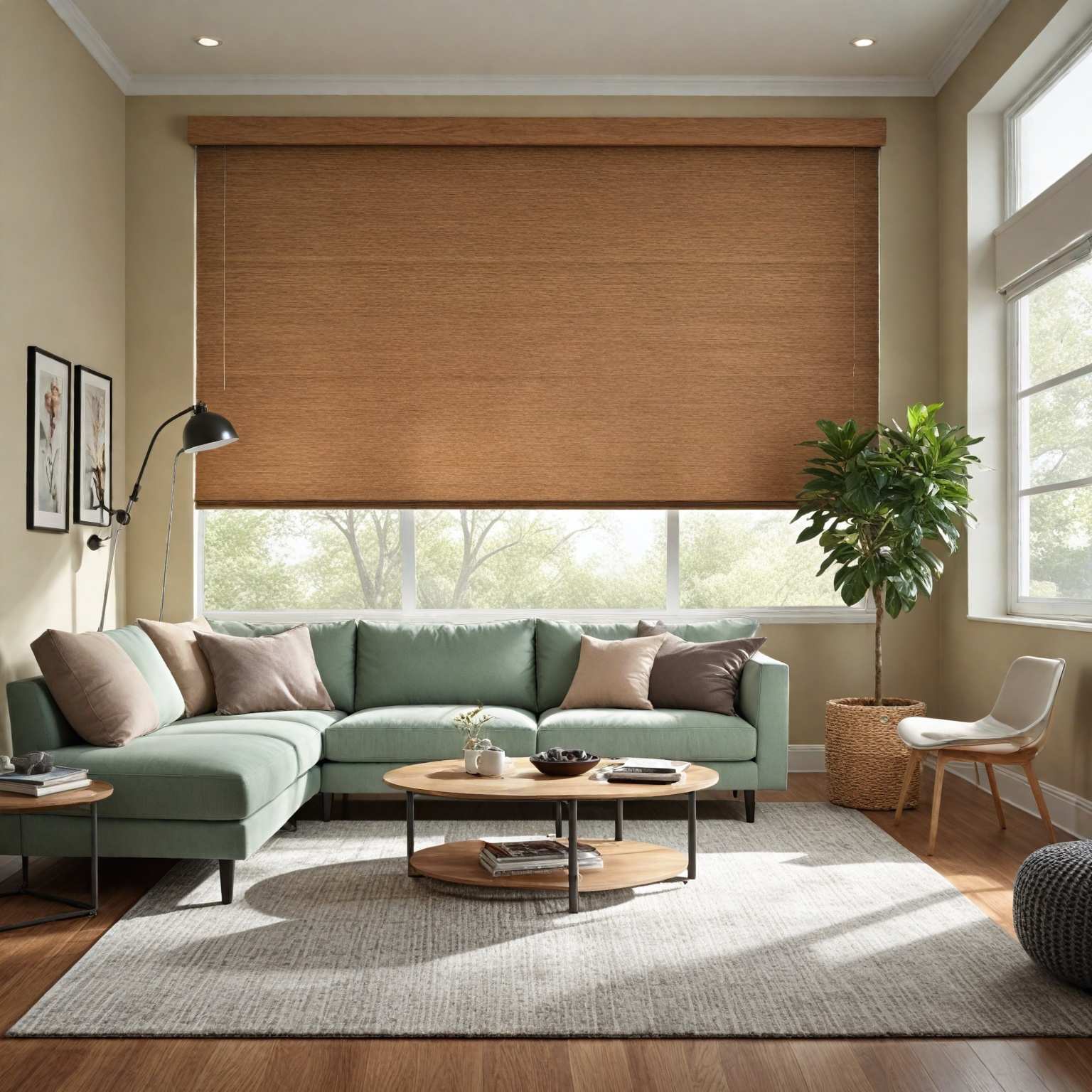
From a design perspective, cordless blinds support the minimalist aesthetic increasingly popular in modern homes. They offer a sleek, unobtrusive look that blends seamlessly with various interior styles, often featuring muted, single-tone colors or natural tones that complement room decor without overwhelming it. This elegance is enhanced by the use of high-quality materials such as durable polyester fabrics with excellent color retention, as well as premium hardwood and faux wood options that add texture and warmth.
In addition to aesthetics and safety, cordless blinds contribute to functionality and ease of use. Their smooth operation and elimination of cords make them accessible to individuals with limited mobility, while motorized smart blinds offer advanced automation features such as remote control, sensor responsiveness, and scheduling capabilities. These features enhance convenience, energy efficiency, and home integration, positioning cordless blinds as a practical and stylish solution for modern households.
Moreover, the extensive variety of styles—over 170 product styles with more than 1,800 color and fabric combinations—enables homeowners to tailor window treatments precisely to their design preferences and functional needs. Free fabric samples assist customers in previewing options before purchase, underscoring the importance of customization in achieving both style and performance goals.
Benefits
Cordless blinds offer a range of advantages that make them increasingly popular for modern homes, combining safety, convenience, energy efficiency, and aesthetic appeal.
Energy Efficiency
Cordless blinds contribute to better energy management by improving insulation and light control. They help block excessive sunlight during summer and retain heat in winter when properly positioned, leading to reduced energy consumption and lower utility bills. Motorized cordless blinds optimize energy efficiency by allowing precise automated adjustments based on time of day or ambient conditions, enhancing the home’s environmental performance. Given rising energy prices and climate concerns, energy efficiency is projected to be a significant driver of window treatment trends in 2025 and beyond.
Safety
Foremost among the benefits of cordless blinds is their enhanced safety profile, especially in households with young children and pets. Traditional blinds with dangling cords pose serious strangulation hazards, leading to mandatory regulations and industry-wide shifts toward cordless designs to eliminate these risks. Cordless blinds remove the danger of loose cords entirely, significantly reducing accident chances in homes where windows are accessible to toddlers or pets. They eliminate the need for additional cord management devices, making them the safest option for family environments.
Ease of Use and Accessibility
Operating cordless blinds is simple and intuitive, requiring only a smooth, single motion to raise or lower them, greatly improving usability. This ease is beneficial for elderly individuals or those with limited mobility, allowing independent control without tangled or stuck cords. Motorized cordless blinds enhance accessibility further by enabling remote, app, or voice control, often integrating seamlessly with smart home systems for hands-free operation.
Aesthetic Appeal and Practicality
Beyond safety and function, cordless blinds offer a clean and streamlined look that complements modern interior design. Without visible cords, they create an uncluttered window appearance enhancing room aesthetics. They also improve light control and privacy, allowing easy adjustment of natural light while maintaining discretion. Durable materials and high-quality mechanisms provide longevity and reliable performance, making cordless blinds a practical investment.
Types and Styles
Cordless blinds in 2025 encompass a wide variety of types and styles designed to suit modern homes with emphasis on aesthetics and functionality. Among the most popular are faux wood blinds, cellular shades, and motorized smart blinds, each offering unique benefits and style options.
Faux Wood Blinds
Ultimate™ Faux Wood Blinds are a leading choice due to their modern appearance, affordability, and durability. Made from materials that resist warping and fading, they are ideal for high-moisture and high-traffic areas like kitchens, bathrooms, and garages. The slats are typically about 25% larger than standard to provide a broader outside view and enhanced light control. Their cordless design eliminates cords for a cleaner look and improved child and pet safety. They feature moisture- and heat-resistant composition but should be kept away from direct heat sources to prevent warping. Decorative elements like a 3-inch crown valance add a contemporary touch complementing various decor styles.
Cellular Shades
Cellular shades, also known as honeycomb blinds, are praised for superior light-blocking and insulating properties. Constructed with one or two layers of hollow polyester cells, they trap air to enhance energy efficiency and provide some noise reduction. Polyester fabric ensures durability, wrinkle resistance, and excellent color retention. Cellular shades come in light-filtering and blackout versions, allowing homeowners to tailor privacy and light control. Their cordless variants are favored for safety and ease of use. However, their pocketed cell structure requires regular dusting to prevent dirt accumulation affecting appearance and longevity.
Motorized and Smart Blinds
The rise of smart home technology has increased adoption of motorized cordless blinds integrated with major smart-home platforms. Brands such as Serena offer high-end smart shades with louvers that subtly open and close throughout the day, optimizing natural lighting based on the sun’s position. These motorized blinds support automations, routines, and voice commands, providing convenience and enhanced functionality. Although premium-priced, these blinds are recognized for superior quality and technological sophistication.
Aesthetic Trends for 2025
The styling of cordless blinds in 2025 follows interior design trends blending minimalism with bold elements. Natural tones, muted single-tone colors, and minimalist styles create understated elegance that blends harmoniously with decor. Bold designs make statements through contrast and texture, showing that minimalistic and bold aesthetics can coexist effectively. With over 170 product styles and more than 1,800 color and fabric combinations available from leading suppliers, homeowners can customize cordless blinds to perfectly fit personal taste and home environment. Free fabric samples assist in visualizing options before purchase, reflecting the growing consumer preference for tailored solutions.
Smart Home Integration and Automation
Smart home integration has become a key feature in modern window treatments, transforming traditional blinds into intelligent, automated systems enhancing convenience, energy efficiency, and overall functionality. Motorized blinds and shades can be network-connected, allowing remote control via mobile apps or voice commands and integration into broader smart home ecosystems.
These smart blinds often respond to environmental sensors such as light or temperature sensors, automatically adjusting to optimize indoor comfort and lighting throughout the day. For example, blinds can open or close based on the sun’s position to regulate natural light and heat gain, reducing energy consumption for heating or cooling. This dynamic adjustment supports privacy management and improves home ambiance.
Several platforms support smart blind automation, with SmartThings and Alexa noted for robust integration capabilities. Some platforms like Google Home may have limitations in scheduling or routine incorporation for certain devices. Devices like SwitchBot offer features such as light sensing and motor speed controls through their apps and connect to other smart home hubs to extend automation. Premium products such as Serena shades boast compatibility with all major smart-home platforms, allowing seamless automations, routines, and voice control to optimize lighting intelligently throughout the day.
While smart home integration adds a cost premium—typically an additional $10 to $20 per blind when using Zigbee or Z-Wave protocols—government rebates and utility incentives often offset 20–30% of these expenses in many markets. Considering longevity and energy savings, total ownership costs of smart blinds can be comparable to cordless alternatives. Professional installation is recommended to ensure proper mounting and integration with other smart home devices, and to maintain safety features such as window opening restrictors and cord cleats.
Installation and Compatibility
Cordless blinds generally require professional installation, particularly due to the complex mechanisms or motors involved, which can be difficult to repair if issues arise. Proper installation is crucial for functionality and safety, as correct mounting and placement of safety devices—such as cord cleats and window opening restrictors—help prevent accidents and falls. Installation guides provide diagrams to assist safe and effective setup, emphasizing ongoing maintenance and user education to ensure long-term safety.
Starting June 1, 2024, regulations phased out traditional window treatments with free-hanging cords or multiple-cord connectors, underscoring the industry’s commitment to higher safety standards. This regulatory change encourages the use of cordless blinds, which are safer for households with children and pets. Some window treatments, such as shutters and vertical blinds, are inherently cordless, while others require selecting a cordless lift option during purchase.
From a compatibility standpoint, cordless blinds offer versatile integration options. They are available in manual, remote-controlled, wand-operated, and smart hub-enabled systems, enabling homeowners to schedule operation, control via mobile apps, or incorporate into existing smart home environments. Smart blinds respond to sensors such as light or temperature detectors, with power options including battery and hardwired systems. These setups allow true home automation and security integration, connecting blinds with cameras, locks, and alarms.
When integrating cordless blinds into smart home platforms, some systems perform better than others. For example, SmartThings and Alexa show superior compatibility and automation compared to Google Home, which has limitations in adding blinds to routines or schedules. Overall, cordless blinds offer quick and easy installation with a clean aesthetic, combining safety, convenience, and modern smart home compatibility.
Comparison with Traditional Blinds
Cordless blinds represent a significant evolution from traditional corded blinds, offering advantages in safety, usability, and design aligned with modern home needs. The critical difference lies in eliminating dangling cords, identified as a major safety hazard. Traditional corded blinds feature cords hanging alongside the window, posing strangulation risks to children and pets. This danger led to stricter regulations, such as the UK safety standards introduced in 2014 and the USA’s ANSI/WCMA A100.1-2022 standard implemented after December 2022, mandating cordless or inaccessible cord designs for new window coverings.
From a safety perspective, cordless blinds remove entanglement hazards entirely. The U.S. Consumer Product Safety Commission emphasizes this benefit, making cordless options preferred for households with small children or pets. Beyond safety, cordless blinds enhance aesthetic appeal and ease of use. They feature minimalist designs and clean lines that blend seamlessly with modern interiors, favoring natural tones and muted colors or understated bold patterns, as seen in 2025 trends.
Functionally, traditional corded blinds provide more nuanced control over light adjustment and positioning, useful for hard-to-reach or specialized windows. However, cordless blinds employ spring-loaded or motorized mechanisms enabling smooth operation without cords, simplifying handling and reducing wear on lifting components. While cordless systems may have shorter lifespans in high-usage areas due to mechanical stress, premium models crafted from high-grade materials and heavy-duty springs last 8 to 12 years, rivaling corded alternatives.
Maintenance requirements are largely comparable, except motorized cordless blinds may need occasional battery replacements depending on configuration. Smart motorized cordless blinds integrate seamlessly with home automation, offering energy savings through automated light and temperature control and enhanced home security by simulating occupancy—features typically unavailable with traditional corded blinds.
Industry Standards and Regulations
Recent years have seen significant changes in U.S. safety regulations for window coverings, prioritizing consumer safety, particularly for children and pets. The Window Covering Manufacturers Association (WCMA) and the U.S. Consumer Product Safety Commission (CPSC) have been pivotal in establishing and enforcing these standards.
WCMA first introduced safer standards in January 2018, mandating that stock window treatment products—pre-packaged and sold retail or online—be cordless or have cords rendered inaccessible to eliminate strangulation hazards. Custom window coverings were initially exempt.
In November 2022, the CPSC extended these measures to include custom window coverings, effectively banning the sale of products with free-hanging cords in the U.S. market. This was codified in the ANSI/WCMA A100.1-2022 standard, effective June 1, 2024. From that date, nearly all window coverings sold in the U.S.—stock or custom—must be cordless or have inaccessible cords to comply with federal regulations.
Manufacturers and retailers, including major companies like The Home Depot, must comply, with penalties up to $15 million for non-compliance. This framework reflects industry consensus on cordless designs’ importance, recognized by CPSC as significantly safer for children by eliminating cord-related strangulation risks
Market Trends and Innovations in 2025
The window blind industry in 2025 is marked by significant shifts toward smart technology, eco-friendliness, and modern aesthetics. One of the most prominent innovations is the rise of motorized, smart blinds that offer enhanced convenience and automation. These blinds incorporate small built-in motors, enabling users to control them remotely via wall switches, remotes, smart home hubs, or smartphone applications. This integration with home automation systems allows blinds to respond to environmental sensors, such as light or temperature detectors, adjusting automatically to optimize comfort and energy efficiency throughout the day.
Design trends emphasize natural tones, minimalistic styles, and bold, modern patterns that complement contemporary home décor. The focus on sustainable and stylish solutions reflects a growing consumer demand for products that blend aesthetics with functionality. Additionally, the cordless feature is becoming an industry standard, driven by regulatory mandates from bodies such as the Window Covering Manufacturers Association (WCMA) and the Consumer Product Safety Commission (CPSC). By June 2024, most window coverings sold in the United States—both stock and custom—must be cordless or designed with inaccessible cords to enhance safety, particularly for children.
Smart blinds also contribute significantly to home energy efficiency by optimizing light and heat management. They help block excessive sunlight in summer and retain warmth in winter, reducing energy consumption and costs. The hands-free operation and safety benefits make motorized blinds particularly attractive for families with children and individuals with limited mobility, further increasing their relevance in modern households.
Beyond window treatments, the broader industry encompasses a range of products, including shades, shutters, curtains, and related hardware, all evolving to meet new consumer preferences and regulatory standards. Meanwhile, emerging assistive technologies for visually impaired individuals, such as the Glide mobility tool, highlight ongoing innovation in related fields, though some products face delays due to supply chain challenges.
Environmental Impact
Cordless blinds contribute to energy savings by reducing heat transfer through windows, although the overall impact on energy use is more pronounced when choosing products specifically labeled as energy efficient with appropriate AERC ratings tailored to the home and climate. Even standard blinds and shades can offer some level of energy conservation when properly deployed, helping to lower utility bills and reduce environmental footprints.
The durability and longevity of cordless blinds also influence their environmental impact. Environmental factors such as temperature extremes, humidity fluctuations, and dust accumulation can accelerate wear and tear, especially affecting the springs in cordless mechanisms. High-quality cordless systems that use heavy-duty springs and superior materials tend to last between 8 to 12 years, thereby reducing waste and the need for frequent replacements. In contrast, lower-quality blinds may require spring replacements within 2 to 4 years due to inferior construction, which increases material consumption and environmental burden.
Furthermore, trends for 2025 emphasize eco-friendliness as a key component in window blind design. Manufacturers are increasingly focusing on sustainable materials and construction methods that lessen environmental impact while maintaining aesthetic appeal. This shift toward sustainability aligns with the growing consumer demand for products that enhance a home’s value without compromising environmental responsibility.
Consumer Considerations
When selecting window blinds, consumers must weigh several important factors including safety, functionality, design, and cost to make an informed choice that best suits their home environment and lifestyle. Safety remains the foremost concern, particularly in households with children and pets. Cordless blinds eliminate the risk of strangulation posed by dangling cords, a danger highlighted by the U.S. Consumer Product Safety Commission and addressed through stringent regulatory measures. Since June 2024, all window coverings sold in the United States are required to be cordless or have inaccessible cords to comply with ANSI/WCMA A100.1-2022 standards, reflecting the industry’s commitment to safer home products.
Beyond safety, durability is a key consideration influenced by usage frequency and product quality. Blinds subjected to frequent daily adjustments—such as those in kitchens or family rooms—tend to wear out 40-60% faster than those used less often. Premium cordless blinds generally offer a longer lifespan of 8 to 12 years, while budget options may last only 2 to 4 years due to inferior materials and mechanisms. This lifespan variability impacts the long-term value proposition and replacement costs for consumers.
Aesthetic appeal and integration with modern home trends also play a significant role in consumer decisions. In 2025, window blind designs focus on eco-friendliness, smart home compatibility, and sleek, stylish looks that complement contemporary interiors. Incorporating smart technology, such as Zigbee or Z-Wave enabled motorized blinds, adds convenience and energy-saving benefits but increases initial costs by approximately $10 to $20 per unit. However, government rebates and utility incentives often offset 20 to 30 percent of these costs, making smart cordless blinds an attractive option for energy-conscious buyers.
Ultimately, consumers must balance the upfront investment, ongoing maintenance, and evolving regulations when choosing between cordless and corded blinds. With corded options effectively phased out in major markets due to safety legislation, cordless blinds now represent the safer, more versatile, and future-proof choice for residential window treatments.
The content is provided by Sierra Knightley, Direct Bulletins